Request Demo
What is SQ-109 used for?
28 June 2024
Tuberculosis (TB) remains a significant global health challenge, prompting researchers to explore novel treatment options. One such promising agent is SQ-109, a drug developed to tackle TB more effectively. SQ-109 was primarily developed by Sequella Inc., a clinical-stage pharmaceutical company dedicated to treating infectious diseases. Targeting one of the most stubborn pathogens, Mycobacterium tuberculosis, SQ-109 has shown promising results in preclinical and clinical studies. As a new type of ethylenediamine-based drug, SQ-109 is designed to be a part of combination therapies aimed at enhancing the treatment of multi-drug resistant TB (MDR-TB) and extensively drug-resistant TB (XDR-TB). The research progress is promising, with several phases of clinical trials completed, showing both efficacy and safety in different populations.
SQ-109's mechanism of action involves a multi-faceted approach to inhibit the growth and survival of Mycobacterium tuberculosis. Unlike traditional TB drugs, which primarily target the bacterial cell wall or protein synthesis, SQ-109 disrupts the bacteria's cell membrane and energy metabolism. It specifically inhibits the function of MmpL3, a transporter protein crucial for the synthesis of mycolic acids, essential components of the mycobacterial cell wall. By blocking this transporter, SQ-109 prevents the bacteria from maintaining its cell wall integrity, making it more susceptible to immune responses and other antibiotics. Additionally, SQ-109 affects the bacterial respiratory chain, hindering its ability to generate energy. This dual-action mechanism is particularly advantageous in combating drug-resistant strains of TB, as it reduces the likelihood of the bacteria developing further resistance.
The primary indication of SQ-109 is for the treatment of tuberculosis, including both drug-sensitive TB and more challenging cases of MDR-TB and XDR-TB. Tuberculosis is a contagious infection that primarily affects the lungs but can also spread to other parts of the body. Traditional TB treatment regimens are lengthy, often requiring six months or more of a combination of antibiotics. This extended treatment duration, coupled with severe side effects and the emergence of drug-resistant strains, underscores the need for new therapeutic options like SQ-109. Clinical studies have demonstrated that SQ-109 can potentiate the effects of other TB drugs, potentially shortening the treatment duration and improving patient outcomes. The drug is also being explored for its efficacy in latent TB infections, which are asymptomatic but pose a risk for future outbreaks.
In summary, SQ-109 represents a significant advancement in the fight against tuberculosis, particularly in addressing the challenges posed by drug-resistant strains. Developed by Sequella Inc., this ethylenediamine-based drug offers a novel mechanism of action by targeting MmpL3 and disrupting energy metabolism within Mycobacterium tuberculosis. Its potential to enhance the efficacy of existing TB treatments and shorten therapy duration makes it a promising candidate in the ongoing battle against this global health threat. While further research and clinical trials are necessary to fully establish its role in TB treatment regimens, the progress so far indicates a hopeful future for SQ-109 in improving TB management and patient outcomes.
SQ-109's mechanism of action involves a multi-faceted approach to inhibit the growth and survival of Mycobacterium tuberculosis. Unlike traditional TB drugs, which primarily target the bacterial cell wall or protein synthesis, SQ-109 disrupts the bacteria's cell membrane and energy metabolism. It specifically inhibits the function of MmpL3, a transporter protein crucial for the synthesis of mycolic acids, essential components of the mycobacterial cell wall. By blocking this transporter, SQ-109 prevents the bacteria from maintaining its cell wall integrity, making it more susceptible to immune responses and other antibiotics. Additionally, SQ-109 affects the bacterial respiratory chain, hindering its ability to generate energy. This dual-action mechanism is particularly advantageous in combating drug-resistant strains of TB, as it reduces the likelihood of the bacteria developing further resistance.
The primary indication of SQ-109 is for the treatment of tuberculosis, including both drug-sensitive TB and more challenging cases of MDR-TB and XDR-TB. Tuberculosis is a contagious infection that primarily affects the lungs but can also spread to other parts of the body. Traditional TB treatment regimens are lengthy, often requiring six months or more of a combination of antibiotics. This extended treatment duration, coupled with severe side effects and the emergence of drug-resistant strains, underscores the need for new therapeutic options like SQ-109. Clinical studies have demonstrated that SQ-109 can potentiate the effects of other TB drugs, potentially shortening the treatment duration and improving patient outcomes. The drug is also being explored for its efficacy in latent TB infections, which are asymptomatic but pose a risk for future outbreaks.
In summary, SQ-109 represents a significant advancement in the fight against tuberculosis, particularly in addressing the challenges posed by drug-resistant strains. Developed by Sequella Inc., this ethylenediamine-based drug offers a novel mechanism of action by targeting MmpL3 and disrupting energy metabolism within Mycobacterium tuberculosis. Its potential to enhance the efficacy of existing TB treatments and shorten therapy duration makes it a promising candidate in the ongoing battle against this global health threat. While further research and clinical trials are necessary to fully establish its role in TB treatment regimens, the progress so far indicates a hopeful future for SQ-109 in improving TB management and patient outcomes.
How to obtain the latest development progress of all drugs?
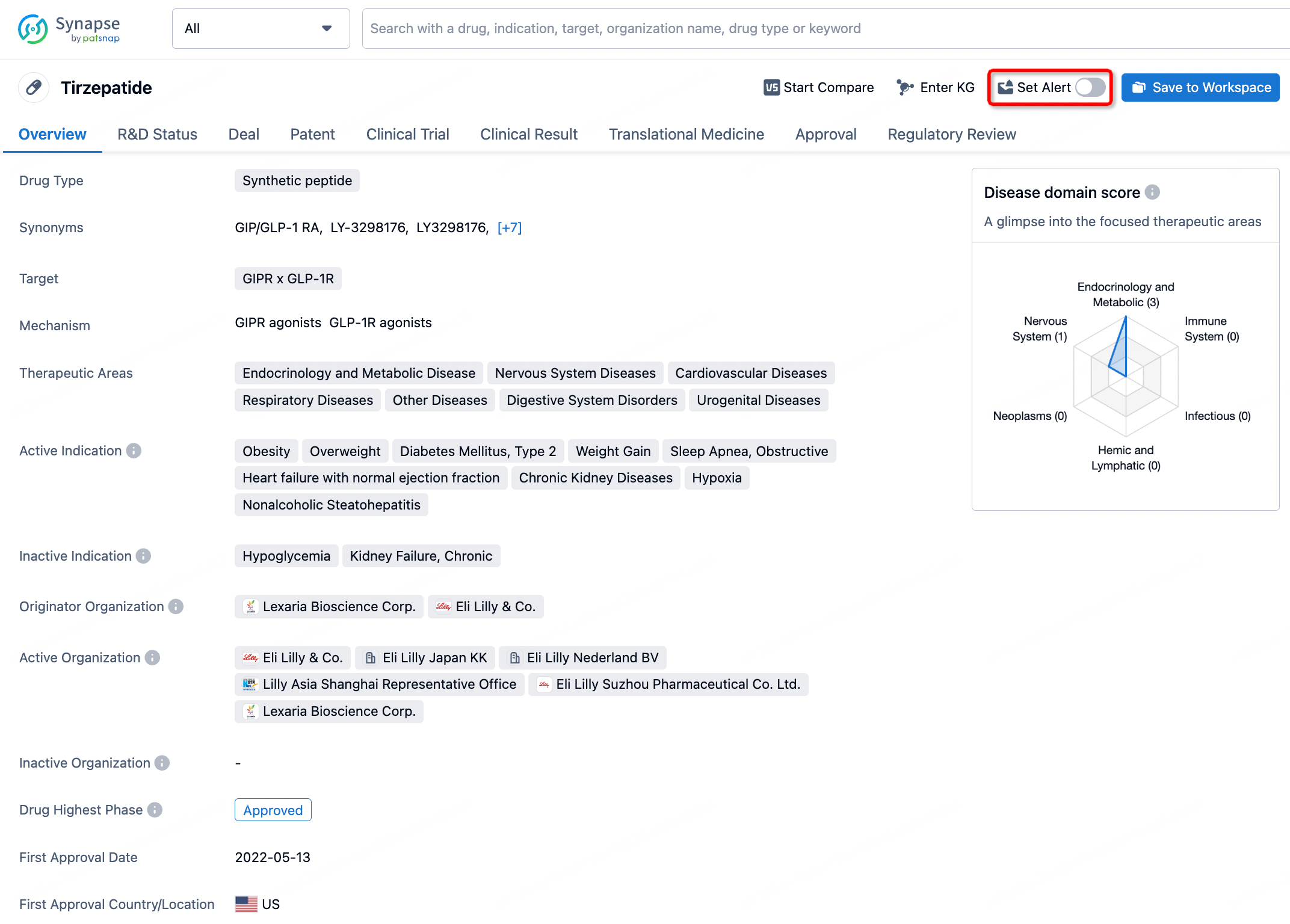
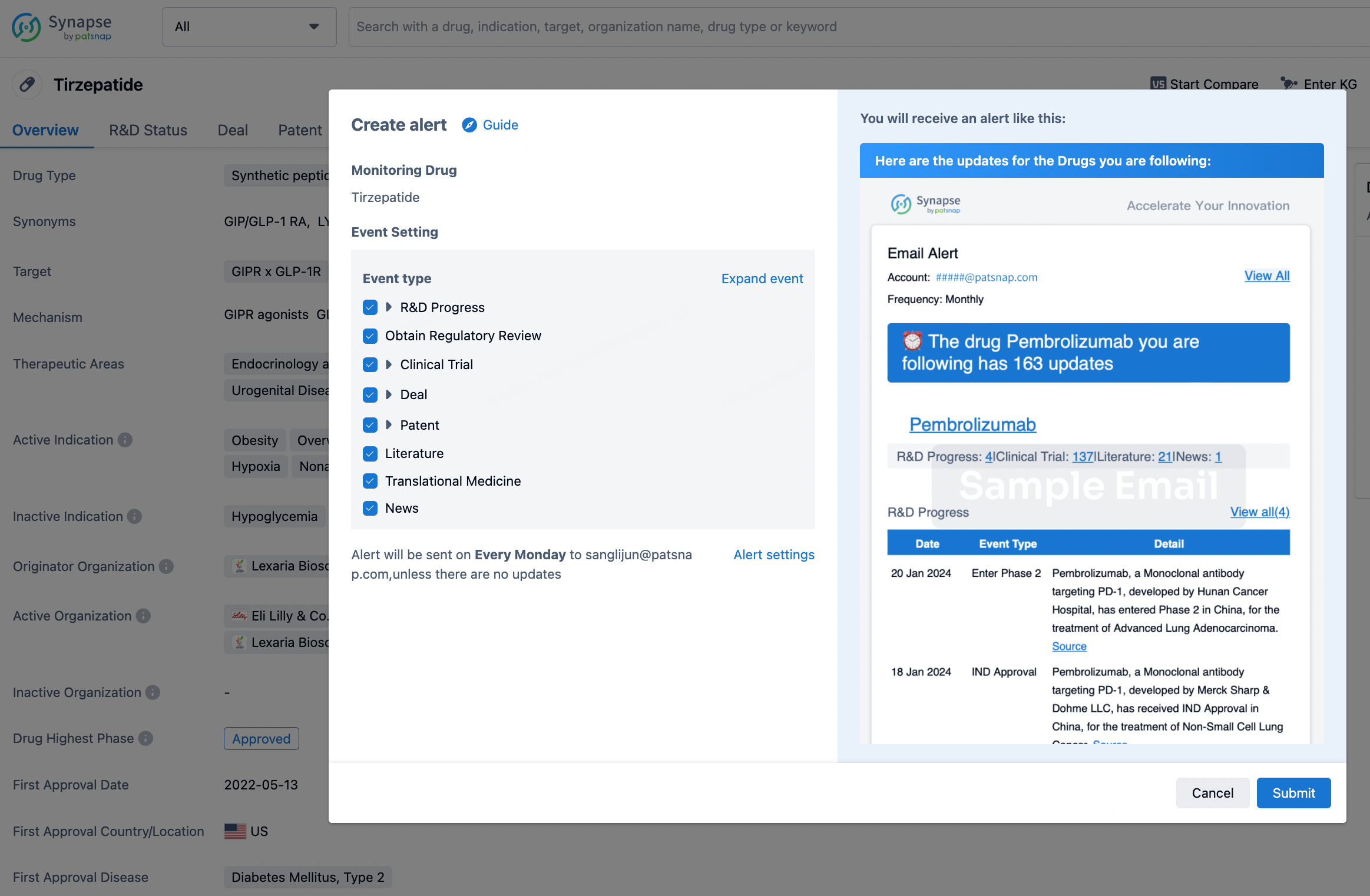
In the Synapse database, you can stay updated on the latest research and development advances of all drugs. This service is accessible anytime and anywhere, with updates available daily or weekly. Use the "Set Alert" function to stay informed. Click on the image below to embark on a brand new journey of drug discovery!
Hiro LS Researcher
The AI Search Engine Built to Accelerate Biopharma Decisions
Search across billion-scale life sciences data to uncover signals, validate evidence, and act with confidence.
Ask any biopharma research question→
Get started for free today!
Accelerate Strategic R&D decision making with Synapse, Patsnap’s AI-powered Connected Innovation Intelligence Platform Built for Life Sciences Professionals.
Discover Synapse Data Servers
Synapse data is now integrated into the PatSnap LS Model Context Protocol (MCP) service. Customize your LLM agent now using our MCP server!