Request Demo
What is the mechanism of Betotastine besilate?
17 July 2024
Betotastine besilate is an antihistamine used primarily in the treatment of allergic conditions such as allergic rhinitis and urticaria. To understand its mechanism of action, it's essential first to grasp the role of histamines in allergic reactions. Histamines are compounds released by mast cells and basophils in response to allergens. They bind to histamine receptors, primarily H1 receptors, in various tissues, leading to symptoms like itching, swelling, and redness.
Betotastine besilate specifically targets H1 receptors. By binding to these receptors, it acts as an antagonist, effectively blocking the action of histamines. This prevents histamines from initiating the cascade of events that lead to the symptoms of allergic reactions. In essence, Betotastine besilate competes with histamine for the H1 receptor sites but does not activate them, thereby inhibiting the allergic response.
One of the critical attributes of Betotastine besilate is its high selectivity for H1 receptors, which minimizes its interaction with other types of receptors in the body. This selective action reduces the likelihood of side effects compared to older antihistamines, which often affected multiple receptor types leading to drowsiness and other unwanted effects.
On a molecular level, Betotastine besilate is absorbed through the gastrointestinal tract when taken orally. It then distributes through the bloodstream and reaches various tissues, especially those rich in H1 receptors like the nasal passages, skin, and eyes. The rapid and efficient binding to the H1 receptors ensures a swift onset of action, providing relief from allergic symptoms.
The metabolism of Betotastine besilate occurs primarily in the liver, where it undergoes biotransformation. Its metabolites are then excreted through the kidneys. The pharmacokinetics of Betotastine besilate suggest a relatively long half-life, which means it can provide prolonged therapeutic effects, allowing for less frequent dosing.
In clinical use, Betotastine besilate has demonstrated efficacy in reducing symptoms associated with both seasonal and perennial allergic rhinitis. It has also been effective in managing chronic urticaria, providing relief from the persistent itching and hives that characterize this condition.
To summarize, Betotastine besilate functions by selectively binding to H1 receptors, thereby blocking the action of histamines and alleviating allergic symptoms. Its high selectivity for these receptors, efficient absorption, and prolonged action make it a valuable option in the treatment of various allergic conditions. Its mechanism underscores the importance of targeted therapeutic strategies in managing allergies with minimal side effects.
Betotastine besilate specifically targets H1 receptors. By binding to these receptors, it acts as an antagonist, effectively blocking the action of histamines. This prevents histamines from initiating the cascade of events that lead to the symptoms of allergic reactions. In essence, Betotastine besilate competes with histamine for the H1 receptor sites but does not activate them, thereby inhibiting the allergic response.
One of the critical attributes of Betotastine besilate is its high selectivity for H1 receptors, which minimizes its interaction with other types of receptors in the body. This selective action reduces the likelihood of side effects compared to older antihistamines, which often affected multiple receptor types leading to drowsiness and other unwanted effects.
On a molecular level, Betotastine besilate is absorbed through the gastrointestinal tract when taken orally. It then distributes through the bloodstream and reaches various tissues, especially those rich in H1 receptors like the nasal passages, skin, and eyes. The rapid and efficient binding to the H1 receptors ensures a swift onset of action, providing relief from allergic symptoms.
The metabolism of Betotastine besilate occurs primarily in the liver, where it undergoes biotransformation. Its metabolites are then excreted through the kidneys. The pharmacokinetics of Betotastine besilate suggest a relatively long half-life, which means it can provide prolonged therapeutic effects, allowing for less frequent dosing.
In clinical use, Betotastine besilate has demonstrated efficacy in reducing symptoms associated with both seasonal and perennial allergic rhinitis. It has also been effective in managing chronic urticaria, providing relief from the persistent itching and hives that characterize this condition.
To summarize, Betotastine besilate functions by selectively binding to H1 receptors, thereby blocking the action of histamines and alleviating allergic symptoms. Its high selectivity for these receptors, efficient absorption, and prolonged action make it a valuable option in the treatment of various allergic conditions. Its mechanism underscores the importance of targeted therapeutic strategies in managing allergies with minimal side effects.
How to obtain the latest development progress of all drugs?
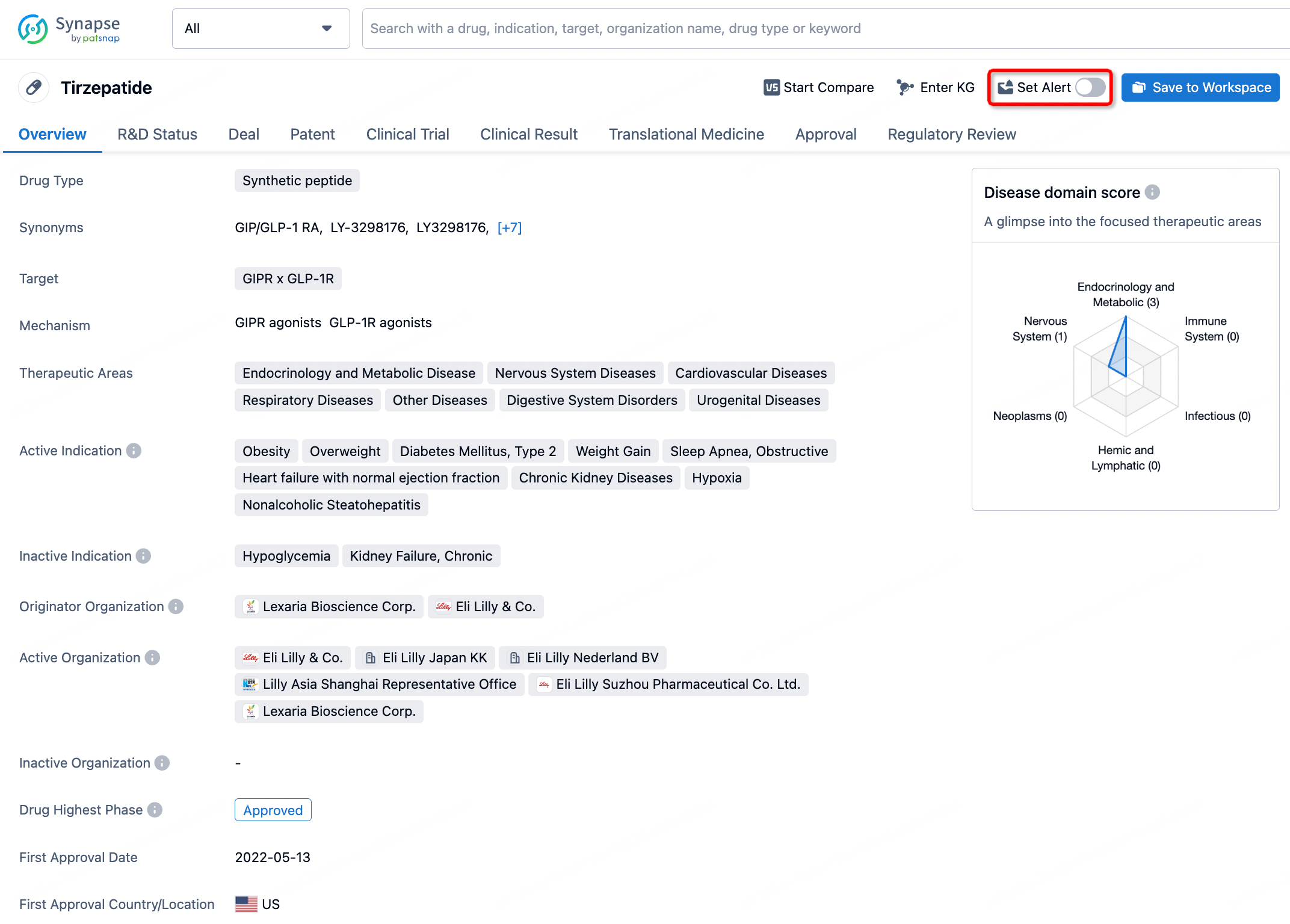
In the Synapse database, you can stay updated on the latest research and development advances of all drugs. This service is accessible anytime and anywhere, with updates available daily or weekly. Use the "Set Alert" function to stay informed. Click on the image below to embark on a brand new journey of drug discovery!


AI Agents Built for Biopharma Breakthroughs
Accelerate discovery. Empower decisions. Transform outcomes.
Get started for free today!
Accelerate Strategic R&D decision making with Synapse, PatSnap’s AI-powered Connected Innovation Intelligence Platform Built for Life Sciences Professionals.
Start your data trial now!
Synapse data is also accessible to external entities via APIs or data packages. Empower better decisions with the latest in pharmaceutical intelligence.