Request Demo
What is the mechanism of Chlorquinaldol?
17 July 2024
Chlorquinaldol is a synthetic compound that has been widely used for its antimicrobial properties. Its diverse range of applications includes the treatment of infections in the skin, mucous membranes, and gastrointestinal tract. Understanding the mechanism of action of Chlorquinaldol can provide valuable insights into its efficacy and potential uses in clinical settings.
Chlorquinaldol belongs to the class of quinoline derivatives, a group known for their broad-spectrum antimicrobial activity. The mechanism by which Chlorquinaldol exerts its effects can be broadly categorized into its antibacterial, antifungal, and antiprotozoal actions.
On the antibacterial front, Chlorquinaldol disrupts the metabolic processes of bacteria. It interferes with the synthesis of nucleic acids and proteins, which are vital for bacterial growth and replication. Specifically, Chlorquinaldol binds to the bacterial DNA and disrupts its replication process. This inhibition occurs because Chlorquinaldol intercalates into the DNA strands, preventing the unwinding necessary for replication and transcription. This ultimately leads to bacterial cell death.
For its antifungal properties, Chlorquinaldol targets the cell membrane of fungi. It alters the permeability of the fungal cell membrane by integrating into the lipid bilayer. This integration disrupts the membrane's normal function, leading to leakage of essential cellular components, such as electrolytes and small molecules, which are vital for fungal cell survival. Consequently, the fungal cells undergo lysis and die.
Chlorquinaldol also exhibits antiprotozoal activity, which adds to its versatility as an antimicrobial agent. The compound's action against protozoa involves the inhibition of DNA synthesis, similar to its antibacterial mechanism. By interfering with the protozoa's DNA replication, Chlorquinaldol prevents the protozoa from multiplying and spreading, leading to their eventual demise.
Another notable aspect of Chlorquinaldol is its ability to act as a chelating agent. It can bind to metal ions, particularly those that are essential cofactors for various microbial enzymes. By sequestering these metal ions, Chlorquinaldol inhibits the enzymatic activities that are crucial for microbial metabolism and survival. This multifaceted approach makes Chlorquinaldol particularly effective against a wide range of microbial pathogens.
Additionally, Chlorquinaldol is known for its relatively low toxicity and minimal side effects when used topically. This makes it a favorable option for treating localized infections. However, like all antimicrobial agents, the potential for resistance development exists. Microorganisms can develop resistance to Chlorquinaldol through various mechanisms, such as mutation and efflux pump overexpression. Therefore, prudent use of Chlorquinaldol is essential to sustain its efficacy.
In conclusion, Chlorquinaldol's mechanism of action is multifaceted, involving disruption of nucleic acid synthesis, alteration of cell membrane permeability, and chelation of essential metal ions. Its broad-spectrum activity against bacteria, fungi, and protozoa, combined with its relatively low toxicity, makes it a valuable antimicrobial agent. Understanding these mechanisms not only underscores the importance of Chlorquinaldol in clinical use but also highlights the need for cautious application to prevent resistance development.
Chlorquinaldol belongs to the class of quinoline derivatives, a group known for their broad-spectrum antimicrobial activity. The mechanism by which Chlorquinaldol exerts its effects can be broadly categorized into its antibacterial, antifungal, and antiprotozoal actions.
On the antibacterial front, Chlorquinaldol disrupts the metabolic processes of bacteria. It interferes with the synthesis of nucleic acids and proteins, which are vital for bacterial growth and replication. Specifically, Chlorquinaldol binds to the bacterial DNA and disrupts its replication process. This inhibition occurs because Chlorquinaldol intercalates into the DNA strands, preventing the unwinding necessary for replication and transcription. This ultimately leads to bacterial cell death.
For its antifungal properties, Chlorquinaldol targets the cell membrane of fungi. It alters the permeability of the fungal cell membrane by integrating into the lipid bilayer. This integration disrupts the membrane's normal function, leading to leakage of essential cellular components, such as electrolytes and small molecules, which are vital for fungal cell survival. Consequently, the fungal cells undergo lysis and die.
Chlorquinaldol also exhibits antiprotozoal activity, which adds to its versatility as an antimicrobial agent. The compound's action against protozoa involves the inhibition of DNA synthesis, similar to its antibacterial mechanism. By interfering with the protozoa's DNA replication, Chlorquinaldol prevents the protozoa from multiplying and spreading, leading to their eventual demise.
Another notable aspect of Chlorquinaldol is its ability to act as a chelating agent. It can bind to metal ions, particularly those that are essential cofactors for various microbial enzymes. By sequestering these metal ions, Chlorquinaldol inhibits the enzymatic activities that are crucial for microbial metabolism and survival. This multifaceted approach makes Chlorquinaldol particularly effective against a wide range of microbial pathogens.
Additionally, Chlorquinaldol is known for its relatively low toxicity and minimal side effects when used topically. This makes it a favorable option for treating localized infections. However, like all antimicrobial agents, the potential for resistance development exists. Microorganisms can develop resistance to Chlorquinaldol through various mechanisms, such as mutation and efflux pump overexpression. Therefore, prudent use of Chlorquinaldol is essential to sustain its efficacy.
In conclusion, Chlorquinaldol's mechanism of action is multifaceted, involving disruption of nucleic acid synthesis, alteration of cell membrane permeability, and chelation of essential metal ions. Its broad-spectrum activity against bacteria, fungi, and protozoa, combined with its relatively low toxicity, makes it a valuable antimicrobial agent. Understanding these mechanisms not only underscores the importance of Chlorquinaldol in clinical use but also highlights the need for cautious application to prevent resistance development.
How to obtain the latest development progress of all drugs?
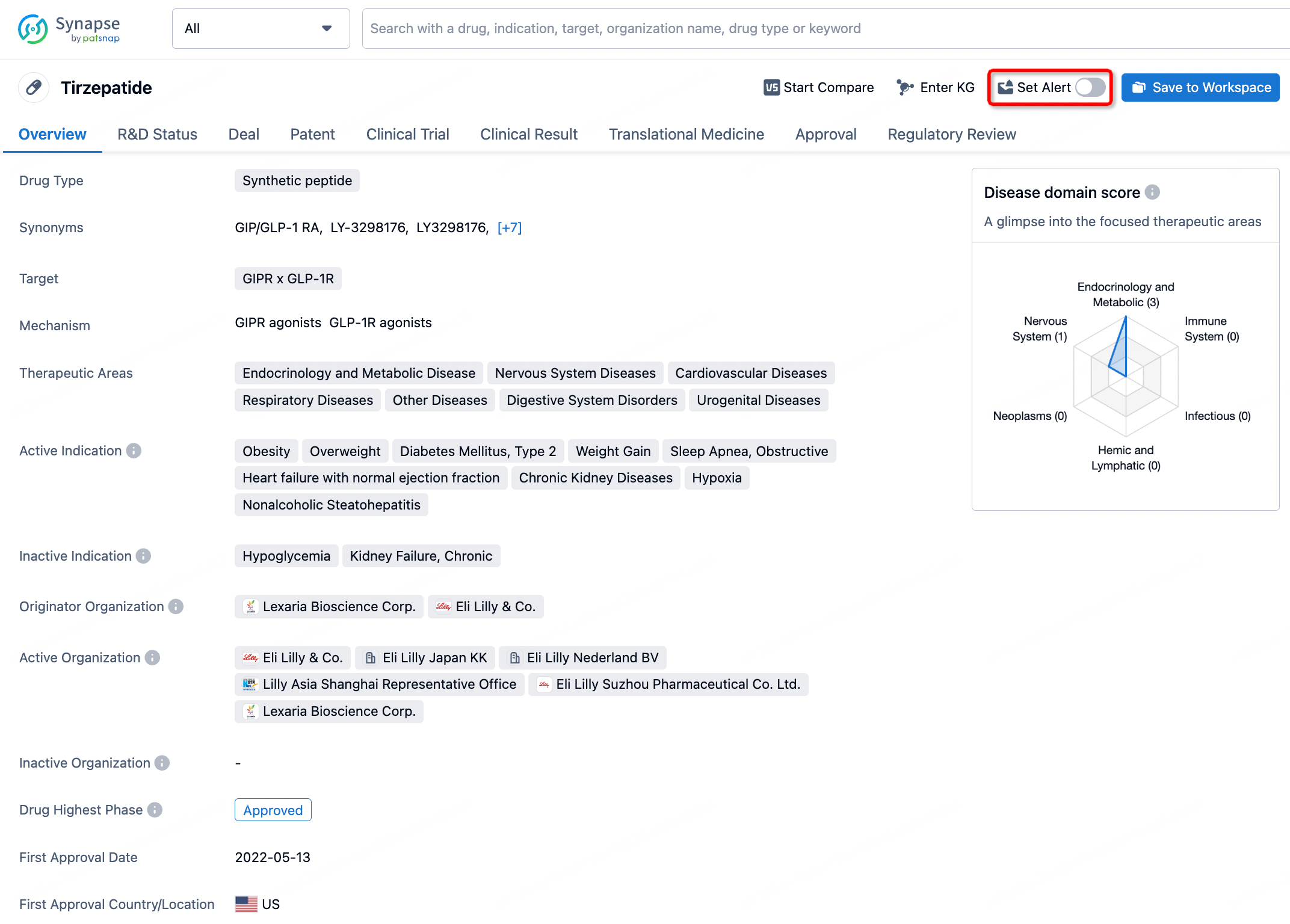
In the Synapse database, you can stay updated on the latest research and development advances of all drugs. This service is accessible anytime and anywhere, with updates available daily or weekly. Use the "Set Alert" function to stay informed. Click on the image below to embark on a brand new journey of drug discovery!


AI Agents Built for Biopharma Breakthroughs
Accelerate discovery. Empower decisions. Transform outcomes.
Get started for free today!
Accelerate Strategic R&D decision making with Synapse, PatSnap’s AI-powered Connected Innovation Intelligence Platform Built for Life Sciences Professionals.
Start your data trial now!
Synapse data is also accessible to external entities via APIs or data packages. Empower better decisions with the latest in pharmaceutical intelligence.