Request Demo
What is the mechanism of Comvac-3?
17 July 2024
Comvac-3 is a multifaceted combination vaccine designed to offer protection against three significant infectious diseases: diphtheria, tetanus, and pertussis (whooping cough). Understanding the mechanism of Comvac-3 requires an exploration into its immunological components, how it stimulates the immune system, and its role in disease prevention.
The vaccine works by introducing inactivated or toxoid forms of the pathogens responsible for diphtheria, tetanus, and pertussis into the body. These components are incapable of causing disease but are sufficient to trigger an immune response. The primary constituents of Comvac-3 include diphtheria toxoid, tetanus toxoid, and acellular pertussis antigens. Let’s delve into the mechanisms of each component:
1. Diphtheria Toxoid:
Diphtheria is caused by the bacterium Corynebacterium diphtheriae, which produces a potent toxin. The diphtheria toxoid in Comvac-3 is a modified form of this toxin that has been rendered harmless. When administered, the toxoid stimulates the immune system to produce antibodies against the toxin. These antibodies remain in the body and provide protection by neutralizing the toxin if exposed to the actual pathogen in the future.
2. Tetanus Toxoid:
Tetanus is caused by the bacterium Clostridium tetani, which releases tetanospasmin, a toxin that affects the nervous system. The tetanus toxoid in the vaccine is also an inactivated form of the toxin. Similar to the diphtheria component, it prompts the immune system to produce antibodies that can quickly respond to and neutralize the toxin, thus preventing the severe muscle spasms and complications associated with tetanus.
3. Acellular Pertussis Antigens:
Pertussis, or whooping cough, is caused by the bacterium Bordetella pertussis. The acellular pertussis component of Comvac-3 includes purified antigens from the bacterium, specifically selected for their ability to elicit a strong immune response without causing illness. These antigens typically include pertussis toxin, filamentous hemagglutinin, and pertactin. Upon vaccination, the immune system generates antibodies and memory cells against these antigens, ensuring a rapid and effective response if exposed to the actual bacterium.
The integration of these components into a single vaccine offers a streamlined method for protecting individuals, especially infants and young children, against these diseases. When administered, Comvac-3 induces both humoral and cellular immune responses. The humoral response involves the production of antibodies by B cells, while the cellular response involves T cells that help in the overall immune reaction.
Additionally, Comvac-3 contains adjuvants, substances that enhance the body’s immune response to the vaccine. These adjuvants work by stimulating the immune cells at the site of injection, ensuring a stronger and more lasting immunity.
The vaccination schedule typically involves multiple doses to build and maintain immunity. The primary series is given in infancy, followed by booster doses to ensure long-term protection. This systematic approach ensures high levels of circulating antibodies and immunological memory, crucial for effective disease prevention.
In summary, the mechanism of Comvac-3 hinges on its ability to safely mimic the pathogens responsible for diphtheria, tetanus, and pertussis, thereby training the immune system to recognize and combat these diseases without causing illness. This vaccine represents a critical tool in public health, significantly reducing the incidence and complications of these severe infections.
The vaccine works by introducing inactivated or toxoid forms of the pathogens responsible for diphtheria, tetanus, and pertussis into the body. These components are incapable of causing disease but are sufficient to trigger an immune response. The primary constituents of Comvac-3 include diphtheria toxoid, tetanus toxoid, and acellular pertussis antigens. Let’s delve into the mechanisms of each component:
1. Diphtheria Toxoid:
Diphtheria is caused by the bacterium Corynebacterium diphtheriae, which produces a potent toxin. The diphtheria toxoid in Comvac-3 is a modified form of this toxin that has been rendered harmless. When administered, the toxoid stimulates the immune system to produce antibodies against the toxin. These antibodies remain in the body and provide protection by neutralizing the toxin if exposed to the actual pathogen in the future.
2. Tetanus Toxoid:
Tetanus is caused by the bacterium Clostridium tetani, which releases tetanospasmin, a toxin that affects the nervous system. The tetanus toxoid in the vaccine is also an inactivated form of the toxin. Similar to the diphtheria component, it prompts the immune system to produce antibodies that can quickly respond to and neutralize the toxin, thus preventing the severe muscle spasms and complications associated with tetanus.
3. Acellular Pertussis Antigens:
Pertussis, or whooping cough, is caused by the bacterium Bordetella pertussis. The acellular pertussis component of Comvac-3 includes purified antigens from the bacterium, specifically selected for their ability to elicit a strong immune response without causing illness. These antigens typically include pertussis toxin, filamentous hemagglutinin, and pertactin. Upon vaccination, the immune system generates antibodies and memory cells against these antigens, ensuring a rapid and effective response if exposed to the actual bacterium.
The integration of these components into a single vaccine offers a streamlined method for protecting individuals, especially infants and young children, against these diseases. When administered, Comvac-3 induces both humoral and cellular immune responses. The humoral response involves the production of antibodies by B cells, while the cellular response involves T cells that help in the overall immune reaction.
Additionally, Comvac-3 contains adjuvants, substances that enhance the body’s immune response to the vaccine. These adjuvants work by stimulating the immune cells at the site of injection, ensuring a stronger and more lasting immunity.
The vaccination schedule typically involves multiple doses to build and maintain immunity. The primary series is given in infancy, followed by booster doses to ensure long-term protection. This systematic approach ensures high levels of circulating antibodies and immunological memory, crucial for effective disease prevention.
In summary, the mechanism of Comvac-3 hinges on its ability to safely mimic the pathogens responsible for diphtheria, tetanus, and pertussis, thereby training the immune system to recognize and combat these diseases without causing illness. This vaccine represents a critical tool in public health, significantly reducing the incidence and complications of these severe infections.
How to obtain the latest development progress of all drugs?
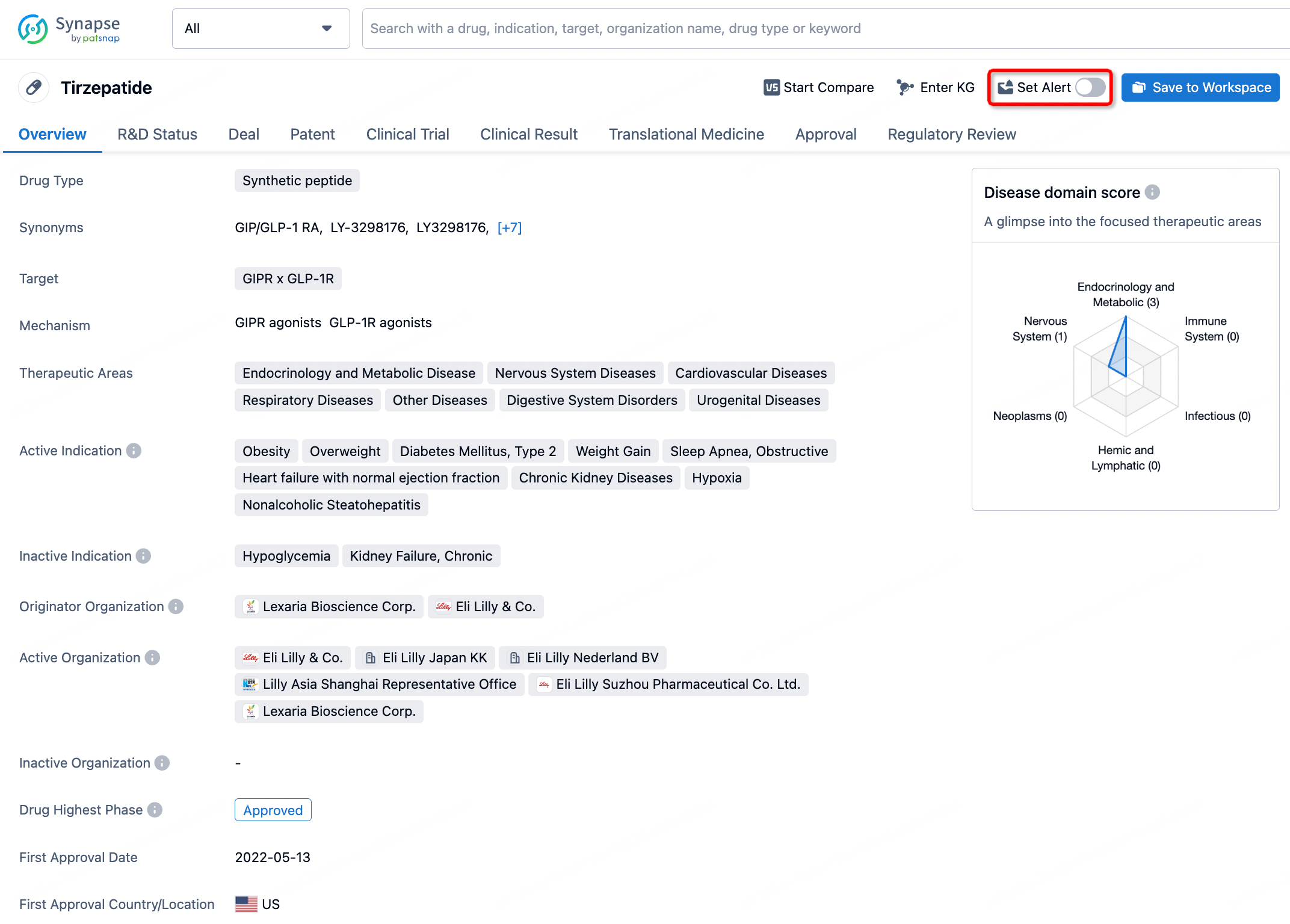
In the Synapse database, you can stay updated on the latest research and development advances of all drugs. This service is accessible anytime and anywhere, with updates available daily or weekly. Use the "Set Alert" function to stay informed. Click on the image below to embark on a brand new journey of drug discovery!


AI Agents Built for Biopharma Breakthroughs
Accelerate discovery. Empower decisions. Transform outcomes.
Get started for free today!
Accelerate Strategic R&D decision making with Synapse, PatSnap’s AI-powered Connected Innovation Intelligence Platform Built for Life Sciences Professionals.
Start your data trial now!
Synapse data is also accessible to external entities via APIs or data packages. Empower better decisions with the latest in pharmaceutical intelligence.