Request Demo
What is the mechanism of Glycopin?
17 July 2024
Glycopin is a fascinating biochemical compound that has garnered significant interest in recent years due to its versatile applications in medicine and biotechnology. Understanding its mechanism involves delving into its molecular structure, its interaction pathways within biological systems, and its effects on cellular processes.
Glycopin is primarily known for its role as a glycoprotein, which means it is a protein molecule that has carbohydrate groups attached to the polypeptide chain. This glycosylation is crucial because it modifies the protein’s structure and function, impacting how Glycopin interacts with other molecules and cells.
The mechanism of Glycopin begins with its synthesis. Glycopin is synthesized in the endoplasmic reticulum (ER) of the cell, where the initial protein backbone is formed. This is followed by the addition of carbohydrate chains, a process known as N-linked glycosylation, which occurs in the ER and continues in the Golgi apparatus. These carbohydrate chains are crucial as they determine the final structure and function of Glycopin.
Once synthesized, Glycopin is transported to the cell surface or secreted into the extracellular matrix. Its primary mechanism of action involves binding to specific receptors on the cell surface. This binding can trigger a cascade of intracellular signaling pathways, influencing various cellular responses such as cell growth, differentiation, and immune responses.
One of the notable functions of Glycopin is its role in cell signaling. By acting as a ligand for cell surface receptors, Glycopin can activate signaling pathways such as the MAPK/ERK pathway, which is involved in regulating cell proliferation and survival. This makes it a critical component in understanding how cells respond to external stimuli and maintain homeostasis.
Glycopin also plays a significant role in the immune system. It is involved in the recognition and response to pathogens. For instance, Glycopin can bind to specific receptors on immune cells, such as macrophages and dendritic cells, enhancing their ability to recognize and eliminate foreign invaders. This binding can also stimulate the production of cytokines, which are signaling molecules that modulate the immune response.
Moreover, Glycopin's interactions are not limited to cell surface receptors. It can also interact directly with other extracellular matrix components, influencing cell adhesion and migration. This is particularly important in processes like wound healing and tissue repair, where cell movement and adhesion are critical.
In addition to its physiological roles, Glycopin has been studied for its therapeutic potential. Its ability to modulate immune responses makes it a promising candidate for developing treatments for autoimmune diseases and cancer. By enhancing or inhibiting specific signaling pathways, Glycopin-based therapies could provide targeted treatments with fewer side effects compared to traditional therapies.
Research into Glycopin is ongoing, with scientists exploring its full range of functions and potential applications. Advances in biotechnology, such as CRISPR and other gene-editing tools, are providing new insights into how Glycopin can be manipulated to treat diseases and improve health outcomes.
In conclusion, the mechanism of Glycopin involves its synthesis as a glycoprotein, its interactions with cell surface receptors and extracellular matrix components, and its significant role in regulating cellular and immune responses. Its diverse functions and potential therapeutic applications make it a key focus of current biochemical and medical research. Understanding Glycopin’s mechanism not only provides insights into basic cellular processes but also opens up new avenues for innovative treatments and biotechnological advancements.
Glycopin is primarily known for its role as a glycoprotein, which means it is a protein molecule that has carbohydrate groups attached to the polypeptide chain. This glycosylation is crucial because it modifies the protein’s structure and function, impacting how Glycopin interacts with other molecules and cells.
The mechanism of Glycopin begins with its synthesis. Glycopin is synthesized in the endoplasmic reticulum (ER) of the cell, where the initial protein backbone is formed. This is followed by the addition of carbohydrate chains, a process known as N-linked glycosylation, which occurs in the ER and continues in the Golgi apparatus. These carbohydrate chains are crucial as they determine the final structure and function of Glycopin.
Once synthesized, Glycopin is transported to the cell surface or secreted into the extracellular matrix. Its primary mechanism of action involves binding to specific receptors on the cell surface. This binding can trigger a cascade of intracellular signaling pathways, influencing various cellular responses such as cell growth, differentiation, and immune responses.
One of the notable functions of Glycopin is its role in cell signaling. By acting as a ligand for cell surface receptors, Glycopin can activate signaling pathways such as the MAPK/ERK pathway, which is involved in regulating cell proliferation and survival. This makes it a critical component in understanding how cells respond to external stimuli and maintain homeostasis.
Glycopin also plays a significant role in the immune system. It is involved in the recognition and response to pathogens. For instance, Glycopin can bind to specific receptors on immune cells, such as macrophages and dendritic cells, enhancing their ability to recognize and eliminate foreign invaders. This binding can also stimulate the production of cytokines, which are signaling molecules that modulate the immune response.
Moreover, Glycopin's interactions are not limited to cell surface receptors. It can also interact directly with other extracellular matrix components, influencing cell adhesion and migration. This is particularly important in processes like wound healing and tissue repair, where cell movement and adhesion are critical.
In addition to its physiological roles, Glycopin has been studied for its therapeutic potential. Its ability to modulate immune responses makes it a promising candidate for developing treatments for autoimmune diseases and cancer. By enhancing or inhibiting specific signaling pathways, Glycopin-based therapies could provide targeted treatments with fewer side effects compared to traditional therapies.
Research into Glycopin is ongoing, with scientists exploring its full range of functions and potential applications. Advances in biotechnology, such as CRISPR and other gene-editing tools, are providing new insights into how Glycopin can be manipulated to treat diseases and improve health outcomes.
In conclusion, the mechanism of Glycopin involves its synthesis as a glycoprotein, its interactions with cell surface receptors and extracellular matrix components, and its significant role in regulating cellular and immune responses. Its diverse functions and potential therapeutic applications make it a key focus of current biochemical and medical research. Understanding Glycopin’s mechanism not only provides insights into basic cellular processes but also opens up new avenues for innovative treatments and biotechnological advancements.
How to obtain the latest development progress of all drugs?
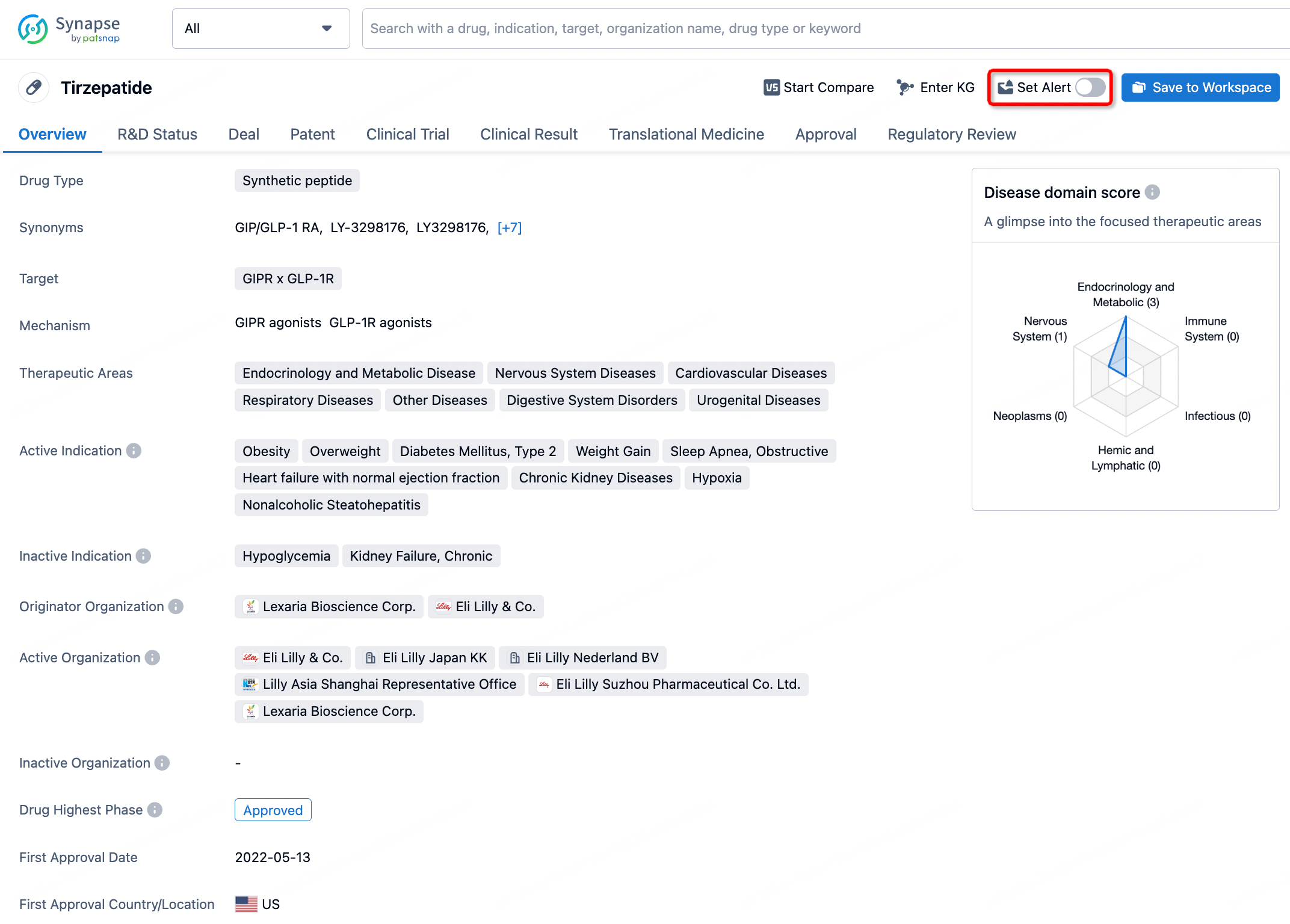
In the Synapse database, you can stay updated on the latest research and development advances of all drugs. This service is accessible anytime and anywhere, with updates available daily or weekly. Use the "Set Alert" function to stay informed. Click on the image below to embark on a brand new journey of drug discovery!


AI Agents Built for Biopharma Breakthroughs
Accelerate discovery. Empower decisions. Transform outcomes.
Get started for free today!
Accelerate Strategic R&D decision making with Synapse, PatSnap’s AI-powered Connected Innovation Intelligence Platform Built for Life Sciences Professionals.
Start your data trial now!
Synapse data is also accessible to external entities via APIs or data packages. Empower better decisions with the latest in pharmaceutical intelligence.