Request Demo
What is the mechanism of Grippol Plus?
17 July 2024
Grippol Plus is a trivalent influenza vaccine that plays a crucial role in the prevention of influenza, a contagious respiratory illness caused by influenza viruses. Understanding the mechanism of Grippol Plus requires delving into the nature of the vaccine, its components, and how it interacts with the human immune system to confer protection against the flu.
Grippol Plus is designed to target three strains of the influenza virus, typically two subtypes of influenza A and one subtype of influenza B. These strains are selected based on predictions about which influenza virus strains will be most prevalent during the upcoming flu season. The vaccine is composed of inactivated (killed) influenza viruses, meaning that they cannot cause disease.
The primary mechanism of Grippol Plus involves stimulating the body's immune system to recognize and combat the influenza virus. Here's how it works:
When Grippol Plus is administered, usually via injection into the muscle, the antigens (surface proteins) from the inactivated viruses are introduced into the body. These antigens are recognized as foreign by the immune system, specifically by antigen-presenting cells such as dendritic cells. Dendritic cells process these antigens and present them on their surface, linked with major histocompatibility complex (MHC) molecules.
The presentation of these antigens triggers the activation of T-helper cells (a type of white blood cell). These T-helper cells then stimulate B cells, which are another type of white blood cell, to produce antibodies specific to the influenza virus antigens. These antibodies are proteins that bind to the antigens, neutralizing the virus and marking it for destruction by other immune cells.
In addition to antibody production, the vaccine also stimulates the production of memory B cells and memory T cells. These memory cells persist in the body long after the initial vaccination and are capable of mounting a rapid and robust immune response if the body is exposed to the influenza virus in the future. This means that if a vaccinated individual encounters the actual influenza virus, their immune system can quickly recognize and respond to it, either preventing the infection altogether or significantly reducing its severity.
Another component of Grippol Plus that enhances its effectiveness is the inclusion of an adjuvant. Adjuvants are substances that enhance the body's immune response to an antigen. In the case of Grippol Plus, the adjuvant helps to elicit a stronger and longer-lasting immunity by boosting the overall response of the immune system to the vaccine antigens.
It is also vital to understand that while Grippol Plus is highly effective, its efficacy can vary based on factors such as the match between the vaccine strains and the circulating virus strains, as well as the age and health status of the individual receiving the vaccine. Despite these variables, the overall benefit of vaccination with Grippol Plus lies in its ability to significantly reduce the risk of influenza infection and its associated complications, which can be severe, especially in vulnerable populations like the elderly, young children, and individuals with underlying health conditions.
In summary, Grippol Plus is a carefully formulated influenza vaccine that works by introducing inactivated virus antigens to the immune system, thereby stimulating the production of specific antibodies and memory cells. This immune response equips the body to recognize and fight off the influenza virus, providing both immediate and long-term protection against this potentially serious illness.
Grippol Plus is designed to target three strains of the influenza virus, typically two subtypes of influenza A and one subtype of influenza B. These strains are selected based on predictions about which influenza virus strains will be most prevalent during the upcoming flu season. The vaccine is composed of inactivated (killed) influenza viruses, meaning that they cannot cause disease.
The primary mechanism of Grippol Plus involves stimulating the body's immune system to recognize and combat the influenza virus. Here's how it works:
When Grippol Plus is administered, usually via injection into the muscle, the antigens (surface proteins) from the inactivated viruses are introduced into the body. These antigens are recognized as foreign by the immune system, specifically by antigen-presenting cells such as dendritic cells. Dendritic cells process these antigens and present them on their surface, linked with major histocompatibility complex (MHC) molecules.
The presentation of these antigens triggers the activation of T-helper cells (a type of white blood cell). These T-helper cells then stimulate B cells, which are another type of white blood cell, to produce antibodies specific to the influenza virus antigens. These antibodies are proteins that bind to the antigens, neutralizing the virus and marking it for destruction by other immune cells.
In addition to antibody production, the vaccine also stimulates the production of memory B cells and memory T cells. These memory cells persist in the body long after the initial vaccination and are capable of mounting a rapid and robust immune response if the body is exposed to the influenza virus in the future. This means that if a vaccinated individual encounters the actual influenza virus, their immune system can quickly recognize and respond to it, either preventing the infection altogether or significantly reducing its severity.
Another component of Grippol Plus that enhances its effectiveness is the inclusion of an adjuvant. Adjuvants are substances that enhance the body's immune response to an antigen. In the case of Grippol Plus, the adjuvant helps to elicit a stronger and longer-lasting immunity by boosting the overall response of the immune system to the vaccine antigens.
It is also vital to understand that while Grippol Plus is highly effective, its efficacy can vary based on factors such as the match between the vaccine strains and the circulating virus strains, as well as the age and health status of the individual receiving the vaccine. Despite these variables, the overall benefit of vaccination with Grippol Plus lies in its ability to significantly reduce the risk of influenza infection and its associated complications, which can be severe, especially in vulnerable populations like the elderly, young children, and individuals with underlying health conditions.
In summary, Grippol Plus is a carefully formulated influenza vaccine that works by introducing inactivated virus antigens to the immune system, thereby stimulating the production of specific antibodies and memory cells. This immune response equips the body to recognize and fight off the influenza virus, providing both immediate and long-term protection against this potentially serious illness.
How to obtain the latest development progress of all drugs?
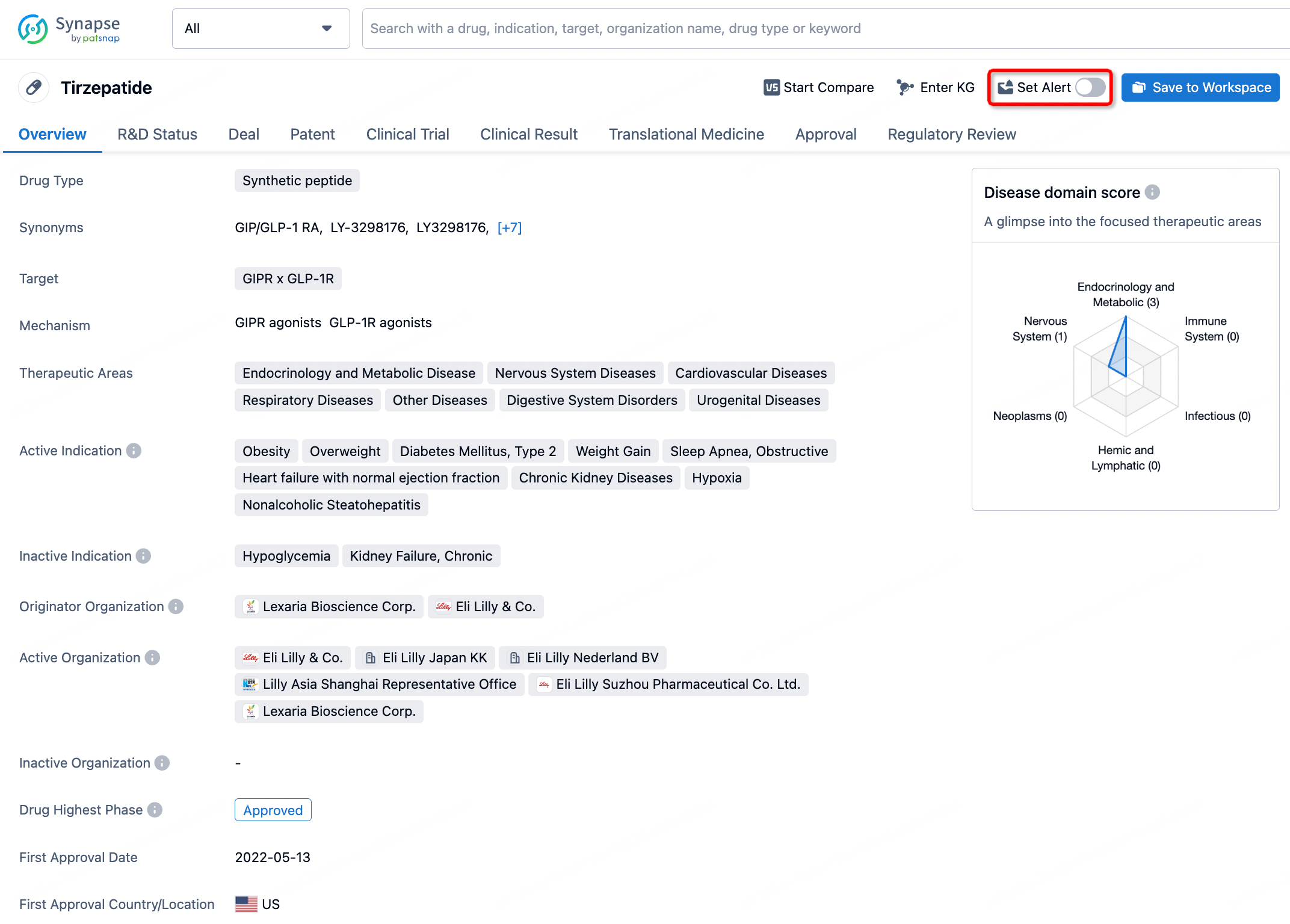
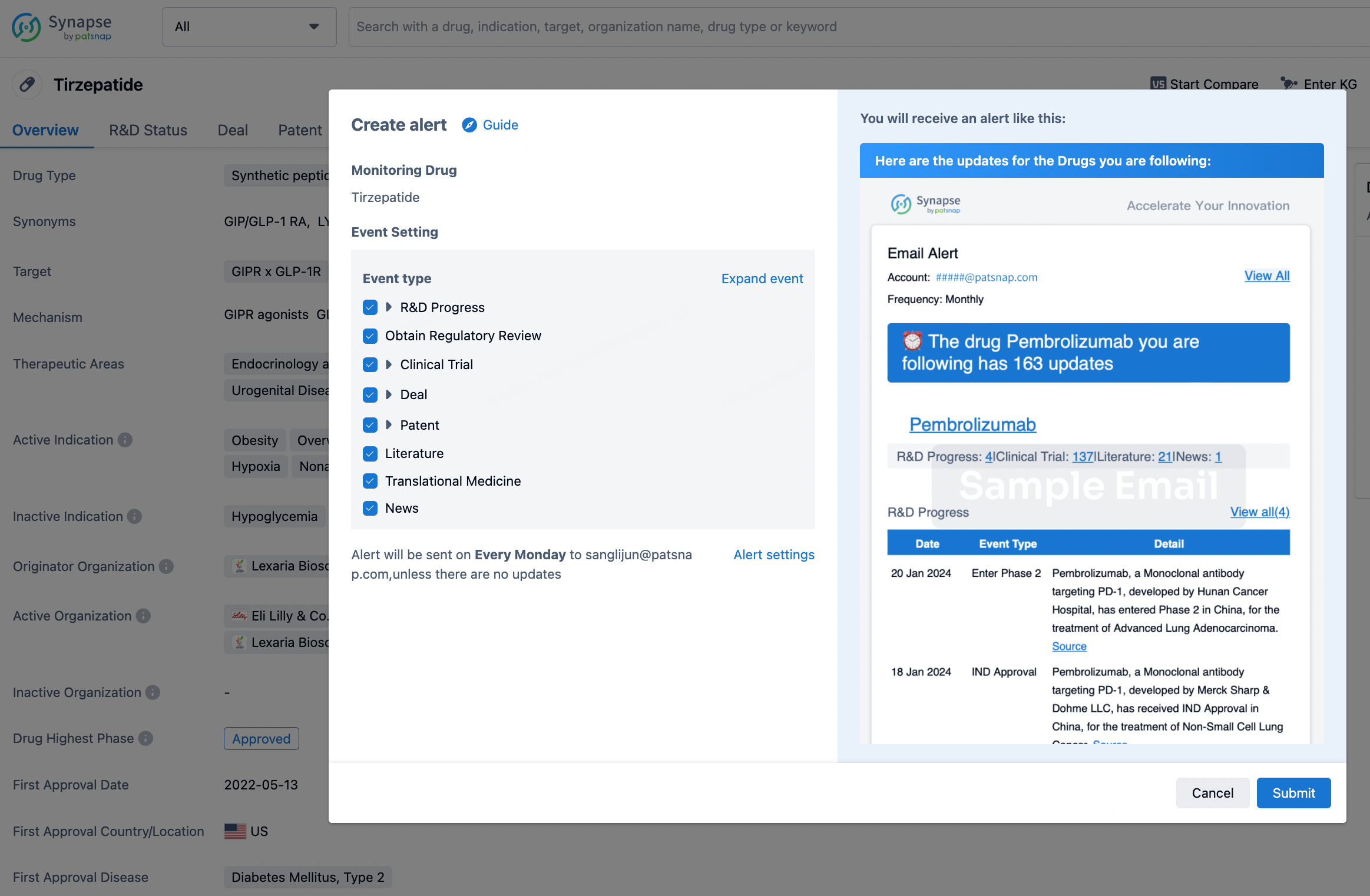
In the Synapse database, you can stay updated on the latest research and development advances of all drugs. This service is accessible anytime and anywhere, with updates available daily or weekly. Use the "Set Alert" function to stay informed. Click on the image below to embark on a brand new journey of drug discovery!

AI Agents Built for Biopharma Breakthroughs
Accelerate discovery. Empower decisions. Transform outcomes.
Get started for free today!
Accelerate Strategic R&D decision making with Synapse, PatSnap’s AI-powered Connected Innovation Intelligence Platform Built for Life Sciences Professionals.
Start your data trial now!
Synapse data is also accessible to external entities via APIs or data packages. Empower better decisions with the latest in pharmaceutical intelligence.