Request Demo
What is the mechanism of Gubenkechuan Keli?
17 July 2024
Gubenkechuan Keli is an herbal formulation that has been traditionally used in Chinese medicine for respiratory ailments, particularly chronic cough and asthma. Understanding the mechanism of Gubenkechuan Keli involves diving into both traditional Chinese medicinal theories and modern pharmacological studies.
In traditional Chinese medicine (TCM), Gubenkechuan Keli is believed to work by balancing the yin and yang energies within the body, specifically targeting the lungs and spleen. According to TCM principles, the lungs are responsible for the intake of air (Qi) and the spleen for the transformation and transportation of nutrients. Any imbalance in these organs can lead to symptoms like chronic cough and asthma. The formulation typically consists of multiple herbs that work synergistically to enhance the body's self-healing mechanisms, improve Qi circulation, and reduce phlegm and inflammatory responses.
Modern pharmacological studies have started to provide insights into how Gubenkechuan Keli might exert its effects at a molecular level. Research indicates that the herbs in the formulation contain various bioactive compounds such as flavonoids, saponins, alkaloids, and polysaccharides, which have been shown to possess anti-inflammatory, antioxidant, and immunomodulatory properties. These compounds can help reduce inflammation in the respiratory tract, which is a common feature in conditions like chronic cough and asthma.
One of the key mechanisms by which Gubenkechuan Keli may work is through the inhibition of pro-inflammatory cytokines. Cytokines like TNF-alpha, IL-1beta, and IL-6 play crucial roles in the inflammatory pathways that exacerbate respiratory conditions. By downregulating the expression of these cytokines, Gubenkechuan Keli can help reduce inflammation and alleviate symptoms such as coughing and wheezing.
Additionally, the formulation has been shown to modulate the immune response. Chronic respiratory conditions often involve an overactive immune response that leads to tissue damage and further inflammation. The bioactive compounds in Gubenkechuan Keli can help modulate this immune response, promoting a more balanced and less damaging immune activity.
Another important aspect of Gubenkechuan Keli's mechanism is its antioxidant properties. Oxidative stress is a significant factor in the pathogenesis of many respiratory diseases. The antioxidants present in the herbs can help neutralize free radicals, thereby protecting lung tissues from oxidative damage.
Furthermore, Gubenkechuan Keli may also improve mucociliary clearance, which is the mechanism by which mucus and trapped particles are moved out of the respiratory tract. Improved clearance can help alleviate symptoms and reduce the risk of infections that can worsen chronic respiratory conditions.
In summary, the mechanism of Gubenkechuan Keli involves a combination of anti-inflammatory, immunomodulatory, antioxidant, and mucociliary activities. These actions help restore balance in the respiratory and immune systems, reduce inflammation, protect lung tissues, and improve overall respiratory function. While traditional Chinese medicinal theories provide a useful framework for understanding its broad effects, modern scientific research continues to uncover the specific biochemical pathways involved, offering a more detailed and comprehensive understanding of how this herbal formulation works.
In traditional Chinese medicine (TCM), Gubenkechuan Keli is believed to work by balancing the yin and yang energies within the body, specifically targeting the lungs and spleen. According to TCM principles, the lungs are responsible for the intake of air (Qi) and the spleen for the transformation and transportation of nutrients. Any imbalance in these organs can lead to symptoms like chronic cough and asthma. The formulation typically consists of multiple herbs that work synergistically to enhance the body's self-healing mechanisms, improve Qi circulation, and reduce phlegm and inflammatory responses.
Modern pharmacological studies have started to provide insights into how Gubenkechuan Keli might exert its effects at a molecular level. Research indicates that the herbs in the formulation contain various bioactive compounds such as flavonoids, saponins, alkaloids, and polysaccharides, which have been shown to possess anti-inflammatory, antioxidant, and immunomodulatory properties. These compounds can help reduce inflammation in the respiratory tract, which is a common feature in conditions like chronic cough and asthma.
One of the key mechanisms by which Gubenkechuan Keli may work is through the inhibition of pro-inflammatory cytokines. Cytokines like TNF-alpha, IL-1beta, and IL-6 play crucial roles in the inflammatory pathways that exacerbate respiratory conditions. By downregulating the expression of these cytokines, Gubenkechuan Keli can help reduce inflammation and alleviate symptoms such as coughing and wheezing.
Additionally, the formulation has been shown to modulate the immune response. Chronic respiratory conditions often involve an overactive immune response that leads to tissue damage and further inflammation. The bioactive compounds in Gubenkechuan Keli can help modulate this immune response, promoting a more balanced and less damaging immune activity.
Another important aspect of Gubenkechuan Keli's mechanism is its antioxidant properties. Oxidative stress is a significant factor in the pathogenesis of many respiratory diseases. The antioxidants present in the herbs can help neutralize free radicals, thereby protecting lung tissues from oxidative damage.
Furthermore, Gubenkechuan Keli may also improve mucociliary clearance, which is the mechanism by which mucus and trapped particles are moved out of the respiratory tract. Improved clearance can help alleviate symptoms and reduce the risk of infections that can worsen chronic respiratory conditions.
In summary, the mechanism of Gubenkechuan Keli involves a combination of anti-inflammatory, immunomodulatory, antioxidant, and mucociliary activities. These actions help restore balance in the respiratory and immune systems, reduce inflammation, protect lung tissues, and improve overall respiratory function. While traditional Chinese medicinal theories provide a useful framework for understanding its broad effects, modern scientific research continues to uncover the specific biochemical pathways involved, offering a more detailed and comprehensive understanding of how this herbal formulation works.
How to obtain the latest development progress of all drugs?
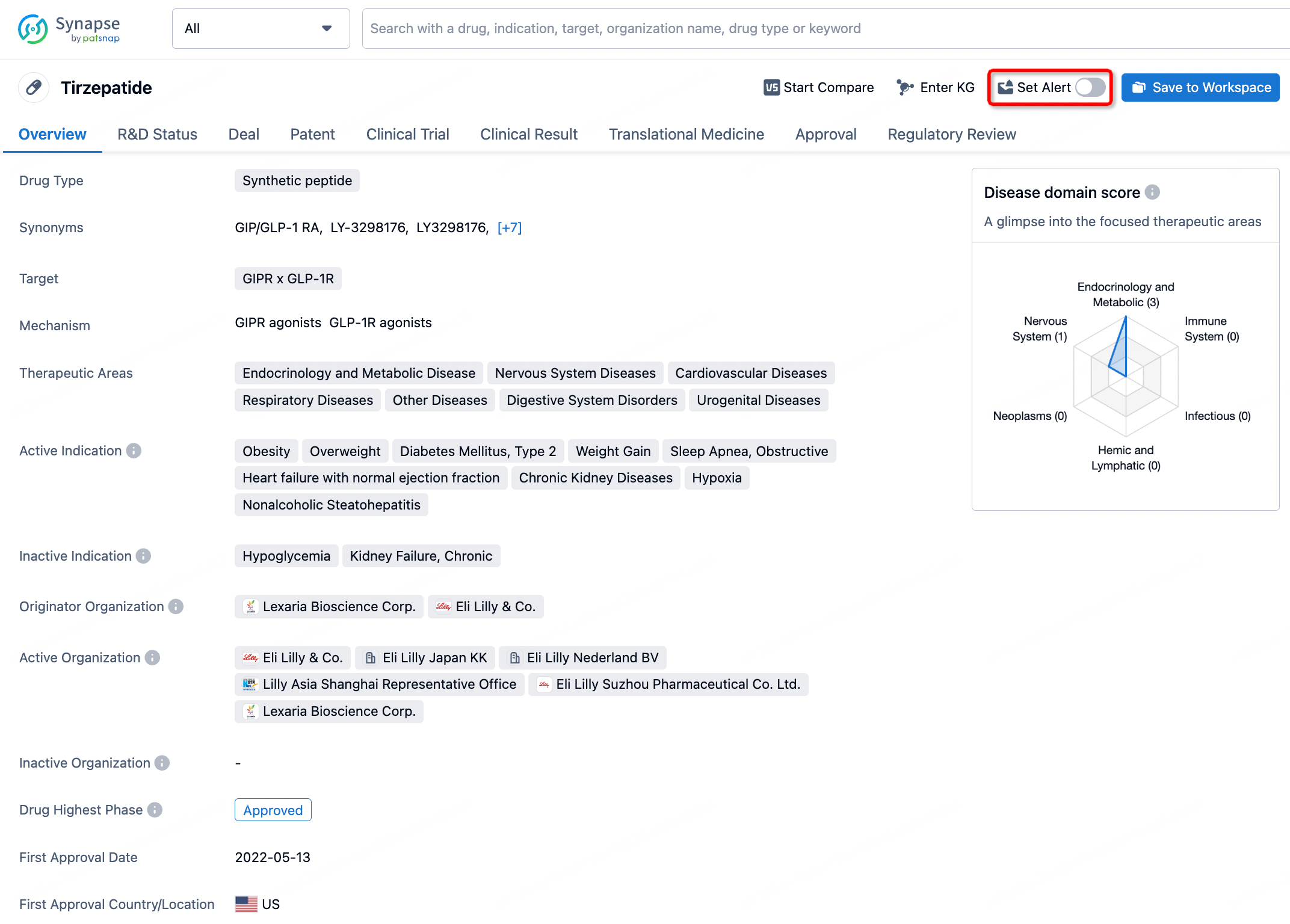
In the Synapse database, you can stay updated on the latest research and development advances of all drugs. This service is accessible anytime and anywhere, with updates available daily or weekly. Use the "Set Alert" function to stay informed. Click on the image below to embark on a brand new journey of drug discovery!


AI Agents Built for Biopharma Breakthroughs
Accelerate discovery. Empower decisions. Transform outcomes.
Get started for free today!
Accelerate Strategic R&D decision making with Synapse, PatSnap’s AI-powered Connected Innovation Intelligence Platform Built for Life Sciences Professionals.
Start your data trial now!
Synapse data is also accessible to external entities via APIs or data packages. Empower better decisions with the latest in pharmaceutical intelligence.