Request Demo
What is the mechanism of Indobufen?
18 July 2024
Indobufen is a non-steroidal anti-inflammatory drug (NSAID) primarily used for its anti-thrombotic and analgesic properties. Its mechanism of action is multifaceted, involving several biochemical pathways that ultimately contribute to its clinical effects. Understanding the mechanism of Indobufen requires a close examination of its influence on enzymatic activity and cellular processes.
At the core of Indobufen's mechanism is its capacity to inhibit the enzyme cyclooxygenase (COX). Specifically, Indobufen shows a preference for inhibiting COX-1, an enzyme crucial in the synthesis of prostaglandins and thromboxanes from arachidonic acid. Prostaglandins are lipid compounds that play a significant role in the inflammatory response, while thromboxanes are involved in platelet aggregation and blood clot formation. By inhibiting COX-1, Indobufen reduces the production of thromboxane A2, a potent promoter of platelet aggregation. This reduction is instrumental in its anti-thrombotic effects, making Indobufen effective in preventing arterial thrombosis, particularly in cardiovascular diseases.
Indobufen's anti-inflammatory properties are also attributed to its COX inhibition. By impeding the synthesis of prostaglandins, which mediate inflammation and pain, Indobufen helps to alleviate the symptoms associated with various inflammatory conditions. This dual action of reducing both thromboxane and prostaglandin levels highlights the versatility of Indobufen as both an anti-thrombotic and anti-inflammatory agent.
Moreover, Indobufen affects platelet function beyond COX inhibition. It has been observed to inhibit platelet aggregation induced by other agonists such as ADP and collagen, suggesting additional pathways of action. These effects further enhance its role in preventing clot formation.
Another aspect of Indobufen's mechanism involves its pharmacokinetics. After oral administration, Indobufen is rapidly absorbed and reaches peak plasma concentrations within 1-2 hours. It has a relatively short half-life, necessitating twice-daily dosing to maintain therapeutic levels. The drug is extensively metabolized in the liver, predominantly to inactive metabolites, which are then excreted via the kidneys.
Clinical studies have demonstrated that Indobufen is effective in reducing the incidence of thrombotic events in patients with cardiovascular diseases, such as those undergoing coronary artery bypass grafting (CABG) or suffering from peripheral arterial disease. Its safety profile is comparable to other NSAIDs, although it shares common side effects like gastrointestinal discomfort, which necessitate cautious use in patients with a history of gastrointestinal issues.
In conclusion, the mechanism of Indobufen is centered on its inhibition of COX-1, leading to decreased production of thromboxane A2 and prostaglandins, thus providing anti-thrombotic and anti-inflammatory benefits. Its additional effects on platelet aggregation and favorable pharmacokinetic properties further contribute to its clinical efficacy. This multifaceted mechanism makes Indobufen a valuable therapeutic option in the management of thrombotic disorders and inflammatory conditions.
At the core of Indobufen's mechanism is its capacity to inhibit the enzyme cyclooxygenase (COX). Specifically, Indobufen shows a preference for inhibiting COX-1, an enzyme crucial in the synthesis of prostaglandins and thromboxanes from arachidonic acid. Prostaglandins are lipid compounds that play a significant role in the inflammatory response, while thromboxanes are involved in platelet aggregation and blood clot formation. By inhibiting COX-1, Indobufen reduces the production of thromboxane A2, a potent promoter of platelet aggregation. This reduction is instrumental in its anti-thrombotic effects, making Indobufen effective in preventing arterial thrombosis, particularly in cardiovascular diseases.
Indobufen's anti-inflammatory properties are also attributed to its COX inhibition. By impeding the synthesis of prostaglandins, which mediate inflammation and pain, Indobufen helps to alleviate the symptoms associated with various inflammatory conditions. This dual action of reducing both thromboxane and prostaglandin levels highlights the versatility of Indobufen as both an anti-thrombotic and anti-inflammatory agent.
Moreover, Indobufen affects platelet function beyond COX inhibition. It has been observed to inhibit platelet aggregation induced by other agonists such as ADP and collagen, suggesting additional pathways of action. These effects further enhance its role in preventing clot formation.
Another aspect of Indobufen's mechanism involves its pharmacokinetics. After oral administration, Indobufen is rapidly absorbed and reaches peak plasma concentrations within 1-2 hours. It has a relatively short half-life, necessitating twice-daily dosing to maintain therapeutic levels. The drug is extensively metabolized in the liver, predominantly to inactive metabolites, which are then excreted via the kidneys.
Clinical studies have demonstrated that Indobufen is effective in reducing the incidence of thrombotic events in patients with cardiovascular diseases, such as those undergoing coronary artery bypass grafting (CABG) or suffering from peripheral arterial disease. Its safety profile is comparable to other NSAIDs, although it shares common side effects like gastrointestinal discomfort, which necessitate cautious use in patients with a history of gastrointestinal issues.
In conclusion, the mechanism of Indobufen is centered on its inhibition of COX-1, leading to decreased production of thromboxane A2 and prostaglandins, thus providing anti-thrombotic and anti-inflammatory benefits. Its additional effects on platelet aggregation and favorable pharmacokinetic properties further contribute to its clinical efficacy. This multifaceted mechanism makes Indobufen a valuable therapeutic option in the management of thrombotic disorders and inflammatory conditions.
How to obtain the latest development progress of all drugs?
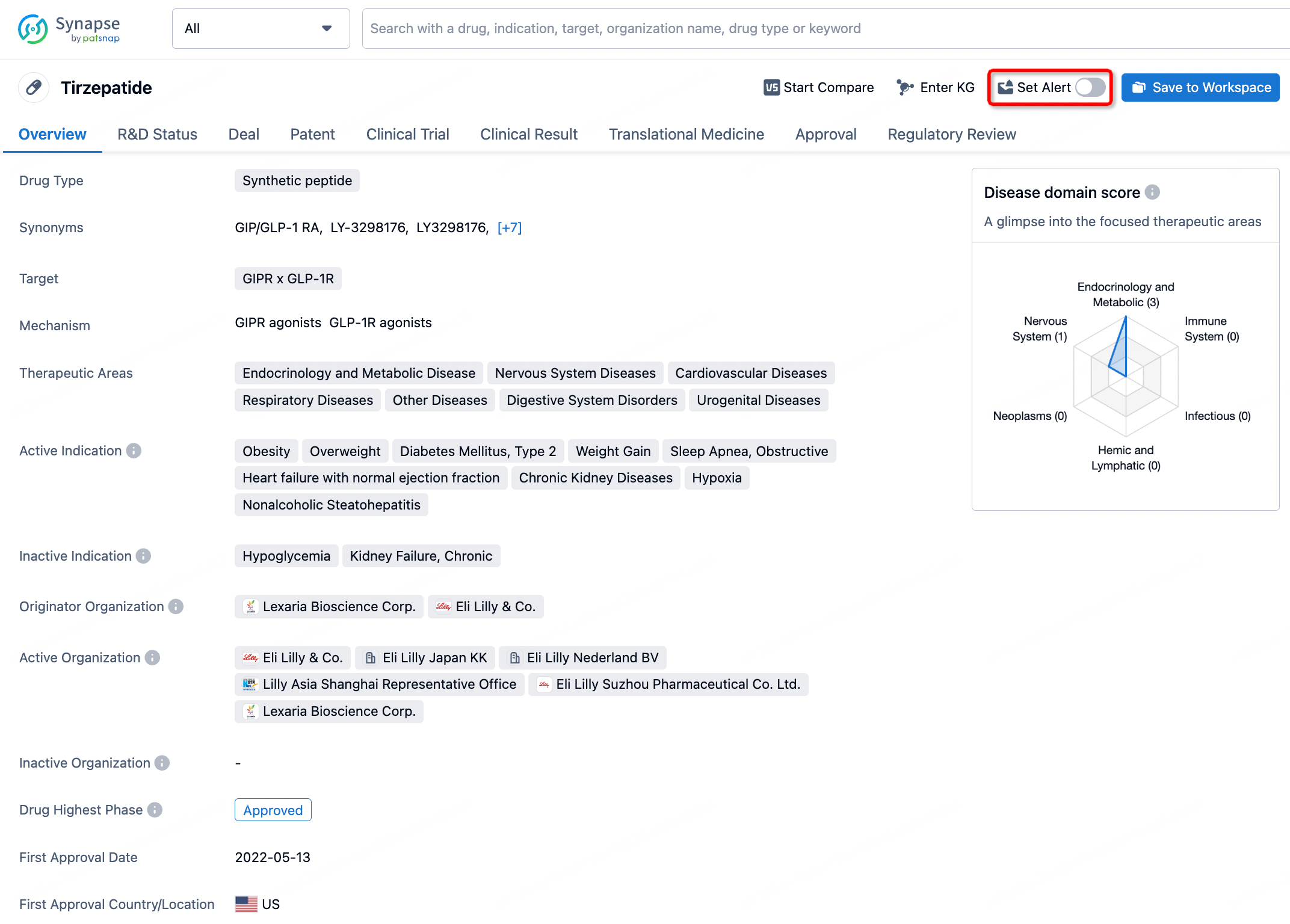
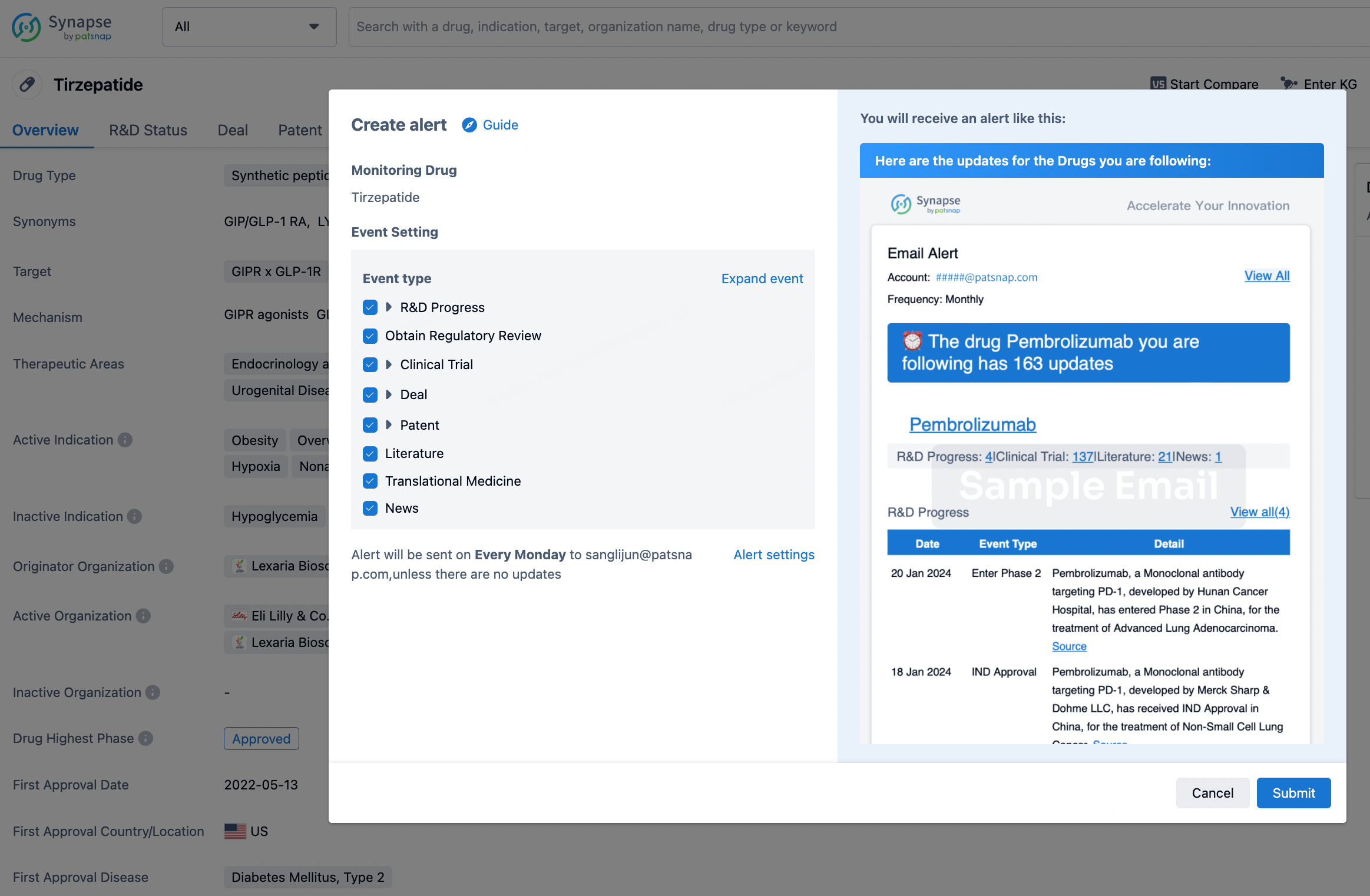
In the Synapse database, you can stay updated on the latest research and development advances of all drugs. This service is accessible anytime and anywhere, with updates available daily or weekly. Use the "Set Alert" function to stay informed. Click on the image below to embark on a brand new journey of drug discovery!
AI Agents Built for Biopharma Breakthroughs
Accelerate discovery. Empower decisions. Transform outcomes.
Get started for free today!
Accelerate Strategic R&D decision making with Synapse, PatSnap’s AI-powered Connected Innovation Intelligence Platform Built for Life Sciences Professionals.
Start your data trial now!
Synapse data is also accessible to external entities via APIs or data packages. Empower better decisions with the latest in pharmaceutical intelligence.