Request Demo
What is the mechanism of Mepenzolate Bromide?
18 July 2024
Mepenzolate bromide is a medication commonly used for its antimuscarinic properties, predominantly to treat gastrointestinal disorders such as peptic ulcers and irritable bowel syndrome. Its mechanism of action is closely tied to its ability to inhibit the activity of acetylcholine, a neurotransmitter that plays a key role in the parasympathetic nervous system.
Acetylcholine binds to muscarinic receptors found in various tissues, including the smooth muscles of the gastrointestinal tract. When acetylcholine binds to these receptors, it triggers a cascade of intracellular events that result in smooth muscle contraction and increased secretory activity. This is a normal physiological response that aids in digestion and other bodily functions. However, in certain pathological conditions, this heightened activity can exacerbate symptoms, such as stomach cramps, diarrhea, and excessive gastric acid secretion.
Mepenzolate bromide works by blocking muscarinic receptors, specifically the M1 and M3 subtypes. By competitively inhibiting acetylcholine from binding to these receptors, mepenzolate bromide effectively reduces smooth muscle contractions and glandular secretions. This leads to a decrease in gastrointestinal motility and a reduction in the production of stomach acid and digestive enzymes. Consequently, patients experience relief from cramps, pain, and other discomforts associated with hyperactive gastrointestinal activity.
The drug's antimuscarinic action also affects other parts of the body, which can lead to a variety of side effects. Common side effects include dry mouth, blurred vision, urinary retention, and constipation. These occur because muscarinic receptors are also present in salivary glands, the eyes, the bladder, and other tissues, where acetylcholine similarly promotes secretory and motor functions. By inhibiting acetylcholine in these areas, mepenzolate bromide can inadvertently reduce saliva production, impair visual accommodation, and affect bladder control, among other issues.
It is also important to note that mepenzolate bromide has a tertiary amine structure, which allows it to cross cell membranes easily, but it does not cross the blood-brain barrier effectively. This selective permeability helps to limit central nervous system side effects, which are often a concern with other antimuscarinic drugs.
In summary, the mechanism of action of mepenzolate bromide involves the competitive inhibition of acetylcholine at muscarinic receptors, particularly in the gastrointestinal tract. By doing so, the drug reduces smooth muscle contractions and glandular secretions, providing therapeutic relief for conditions like peptic ulcers and irritable bowel syndrome. However, its systemic effects on other muscarinic receptors can lead to a range of side effects, which patients and healthcare providers must consider when using this medication.
Acetylcholine binds to muscarinic receptors found in various tissues, including the smooth muscles of the gastrointestinal tract. When acetylcholine binds to these receptors, it triggers a cascade of intracellular events that result in smooth muscle contraction and increased secretory activity. This is a normal physiological response that aids in digestion and other bodily functions. However, in certain pathological conditions, this heightened activity can exacerbate symptoms, such as stomach cramps, diarrhea, and excessive gastric acid secretion.
Mepenzolate bromide works by blocking muscarinic receptors, specifically the M1 and M3 subtypes. By competitively inhibiting acetylcholine from binding to these receptors, mepenzolate bromide effectively reduces smooth muscle contractions and glandular secretions. This leads to a decrease in gastrointestinal motility and a reduction in the production of stomach acid and digestive enzymes. Consequently, patients experience relief from cramps, pain, and other discomforts associated with hyperactive gastrointestinal activity.
The drug's antimuscarinic action also affects other parts of the body, which can lead to a variety of side effects. Common side effects include dry mouth, blurred vision, urinary retention, and constipation. These occur because muscarinic receptors are also present in salivary glands, the eyes, the bladder, and other tissues, where acetylcholine similarly promotes secretory and motor functions. By inhibiting acetylcholine in these areas, mepenzolate bromide can inadvertently reduce saliva production, impair visual accommodation, and affect bladder control, among other issues.
It is also important to note that mepenzolate bromide has a tertiary amine structure, which allows it to cross cell membranes easily, but it does not cross the blood-brain barrier effectively. This selective permeability helps to limit central nervous system side effects, which are often a concern with other antimuscarinic drugs.
In summary, the mechanism of action of mepenzolate bromide involves the competitive inhibition of acetylcholine at muscarinic receptors, particularly in the gastrointestinal tract. By doing so, the drug reduces smooth muscle contractions and glandular secretions, providing therapeutic relief for conditions like peptic ulcers and irritable bowel syndrome. However, its systemic effects on other muscarinic receptors can lead to a range of side effects, which patients and healthcare providers must consider when using this medication.
How to obtain the latest development progress of all drugs?
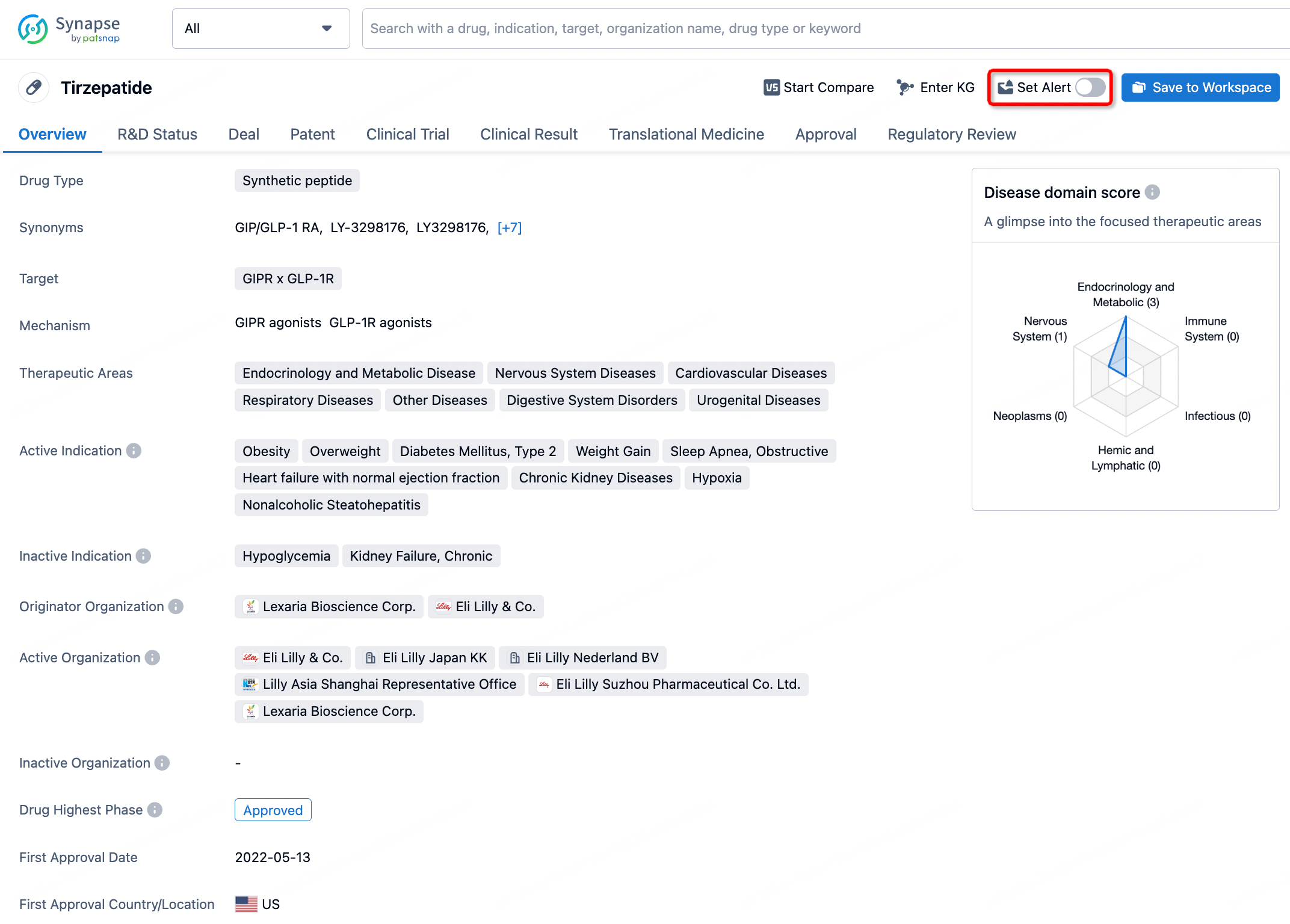
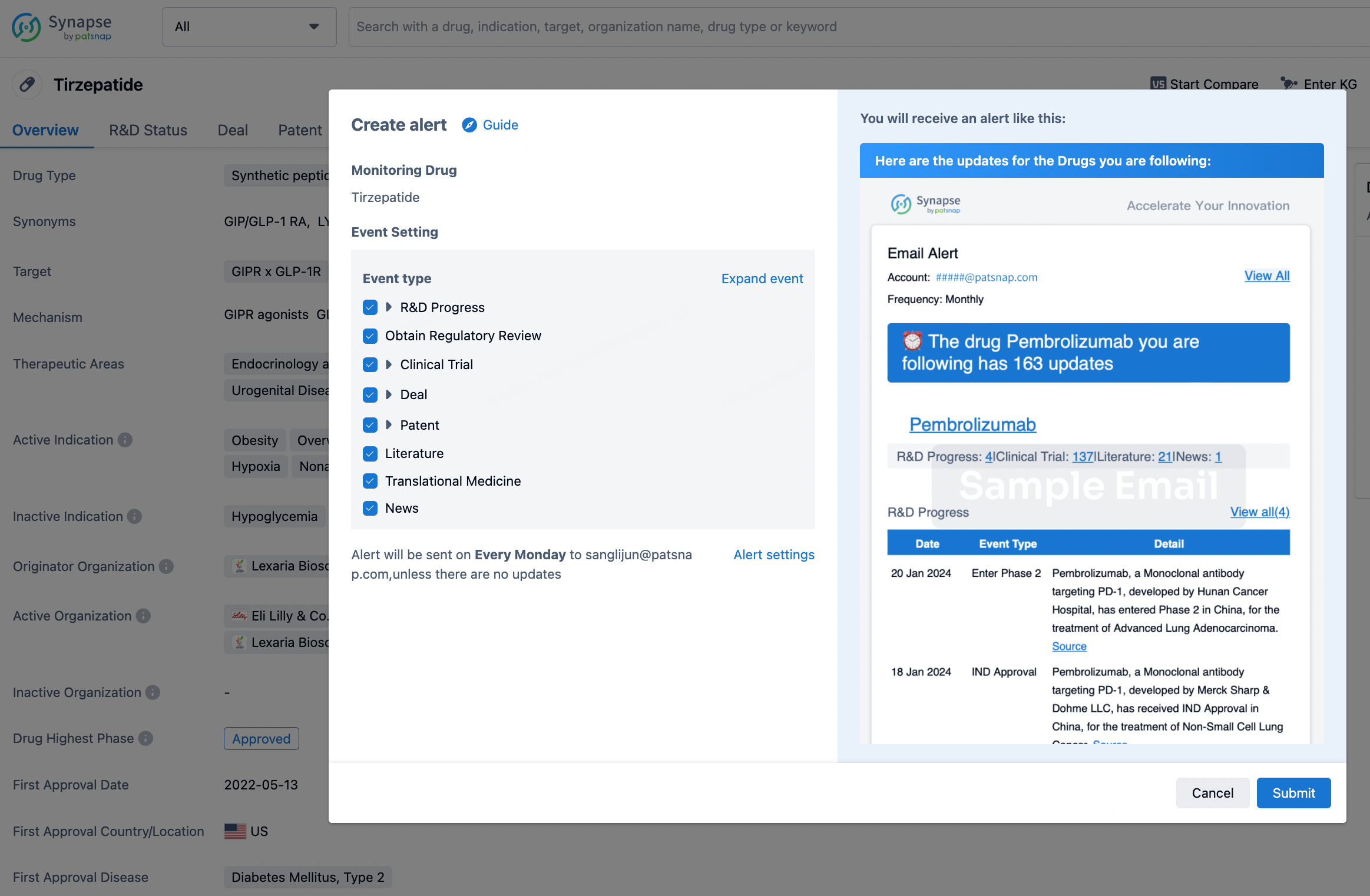
In the Synapse database, you can stay updated on the latest research and development advances of all drugs. This service is accessible anytime and anywhere, with updates available daily or weekly. Use the "Set Alert" function to stay informed. Click on the image below to embark on a brand new journey of drug discovery!

AI Agents Built for Biopharma Breakthroughs
Accelerate discovery. Empower decisions. Transform outcomes.
Get started for free today!
Accelerate Strategic R&D decision making with Synapse, PatSnap’s AI-powered Connected Innovation Intelligence Platform Built for Life Sciences Professionals.
Start your data trial now!
Synapse data is also accessible to external entities via APIs or data packages. Empower better decisions with the latest in pharmaceutical intelligence.