Request Demo
What is the mechanism of Methantheline Bromide?
18 July 2024
Methantheline bromide is a synthetic anticholinergic agent that is primarily used to treat a variety of gastrointestinal disorders, including peptic ulcers, irritable bowel syndrome, and spastic colon. Understanding the mechanism of methantheline bromide requires a look into its pharmacological action, absorption, distribution, metabolism, and excretion processes.
Methantheline bromide works by blocking the action of acetylcholine on the muscarinic receptors of the gastrointestinal tract. Acetylcholine is a neurotransmitter that plays a critical role in the parasympathetic nervous system, facilitating smooth muscle contraction, secretion of digestive juices, and various other bodily functions. By inhibiting acetylcholine's effects, methantheline bromide reduces the motility and secretory activity of the gastrointestinal tract, providing relief from spasms and other discomforts.
At the cellular level, methantheline bromide competes with acetylcholine for binding to muscarinic receptors. These receptors are G-protein-coupled receptors that, when activated by acetylcholine, initiate a cascade of intracellular events leading to muscle contractions and glandular secretions. By occupying these receptors, methantheline bromide prevents acetylcholine from binding and activating them, thereby inhibiting the downstream effects.
Methantheline bromide is administered orally, and its absorption occurs in the gastrointestinal tract. Once absorbed, the drug is widely distributed throughout the body tissues. It is metabolized primarily in the liver, where it undergoes biotransformation processes such as hydroxylation and conjugation. The metabolites, along with a small fraction of the unchanged drug, are excreted via the kidneys.
The therapeutic effects of methantheline bromide are largely dependent on its ability to achieve adequate concentrations at the site of action. The drug’s efficacy is influenced by several factors, including the patient's metabolic rate, liver function, and the presence of other medications that may interact with its metabolism.
One of the notable side effects of methantheline bromide is its anticholinergic activity, which can lead to dry mouth, urinary retention, constipation, and blurred vision. These side effects arise because methantheline bromide does not exclusively target the gastrointestinal muscarinic receptors; it can also affect muscarinic receptors in other parts of the body.
In clinical practice, methantheline bromide is often prescribed for short-term relief of gastrointestinal symptoms rather than long-term management due to its side effect profile. It is important for healthcare providers to evaluate the risk-benefit ratio for each patient before initiating therapy with methantheline bromide.
To summarize, the mechanism of methantheline bromide involves competitive inhibition of muscarinic receptors, thereby reducing acetylcholine-mediated gastrointestinal activities. Its pharmacokinetic properties, including absorption, distribution, metabolism, and excretion, play significant roles in determining its efficacy and safety profile. By understanding these mechanisms, healthcare providers can better utilize methantheline bromide to manage gastrointestinal disorders effectively.
Methantheline bromide works by blocking the action of acetylcholine on the muscarinic receptors of the gastrointestinal tract. Acetylcholine is a neurotransmitter that plays a critical role in the parasympathetic nervous system, facilitating smooth muscle contraction, secretion of digestive juices, and various other bodily functions. By inhibiting acetylcholine's effects, methantheline bromide reduces the motility and secretory activity of the gastrointestinal tract, providing relief from spasms and other discomforts.
At the cellular level, methantheline bromide competes with acetylcholine for binding to muscarinic receptors. These receptors are G-protein-coupled receptors that, when activated by acetylcholine, initiate a cascade of intracellular events leading to muscle contractions and glandular secretions. By occupying these receptors, methantheline bromide prevents acetylcholine from binding and activating them, thereby inhibiting the downstream effects.
Methantheline bromide is administered orally, and its absorption occurs in the gastrointestinal tract. Once absorbed, the drug is widely distributed throughout the body tissues. It is metabolized primarily in the liver, where it undergoes biotransformation processes such as hydroxylation and conjugation. The metabolites, along with a small fraction of the unchanged drug, are excreted via the kidneys.
The therapeutic effects of methantheline bromide are largely dependent on its ability to achieve adequate concentrations at the site of action. The drug’s efficacy is influenced by several factors, including the patient's metabolic rate, liver function, and the presence of other medications that may interact with its metabolism.
One of the notable side effects of methantheline bromide is its anticholinergic activity, which can lead to dry mouth, urinary retention, constipation, and blurred vision. These side effects arise because methantheline bromide does not exclusively target the gastrointestinal muscarinic receptors; it can also affect muscarinic receptors in other parts of the body.
In clinical practice, methantheline bromide is often prescribed for short-term relief of gastrointestinal symptoms rather than long-term management due to its side effect profile. It is important for healthcare providers to evaluate the risk-benefit ratio for each patient before initiating therapy with methantheline bromide.
To summarize, the mechanism of methantheline bromide involves competitive inhibition of muscarinic receptors, thereby reducing acetylcholine-mediated gastrointestinal activities. Its pharmacokinetic properties, including absorption, distribution, metabolism, and excretion, play significant roles in determining its efficacy and safety profile. By understanding these mechanisms, healthcare providers can better utilize methantheline bromide to manage gastrointestinal disorders effectively.
How to obtain the latest development progress of all drugs?
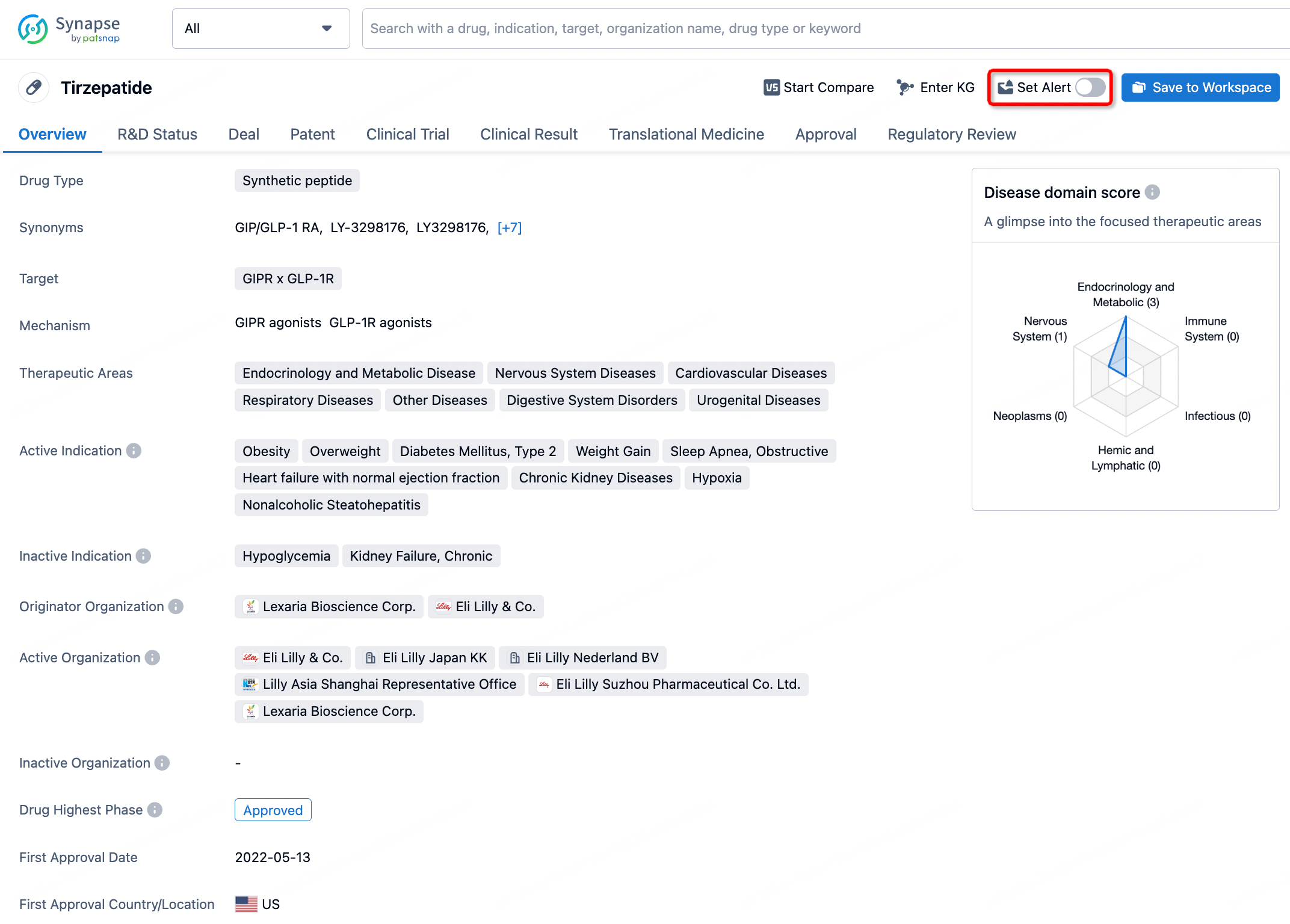
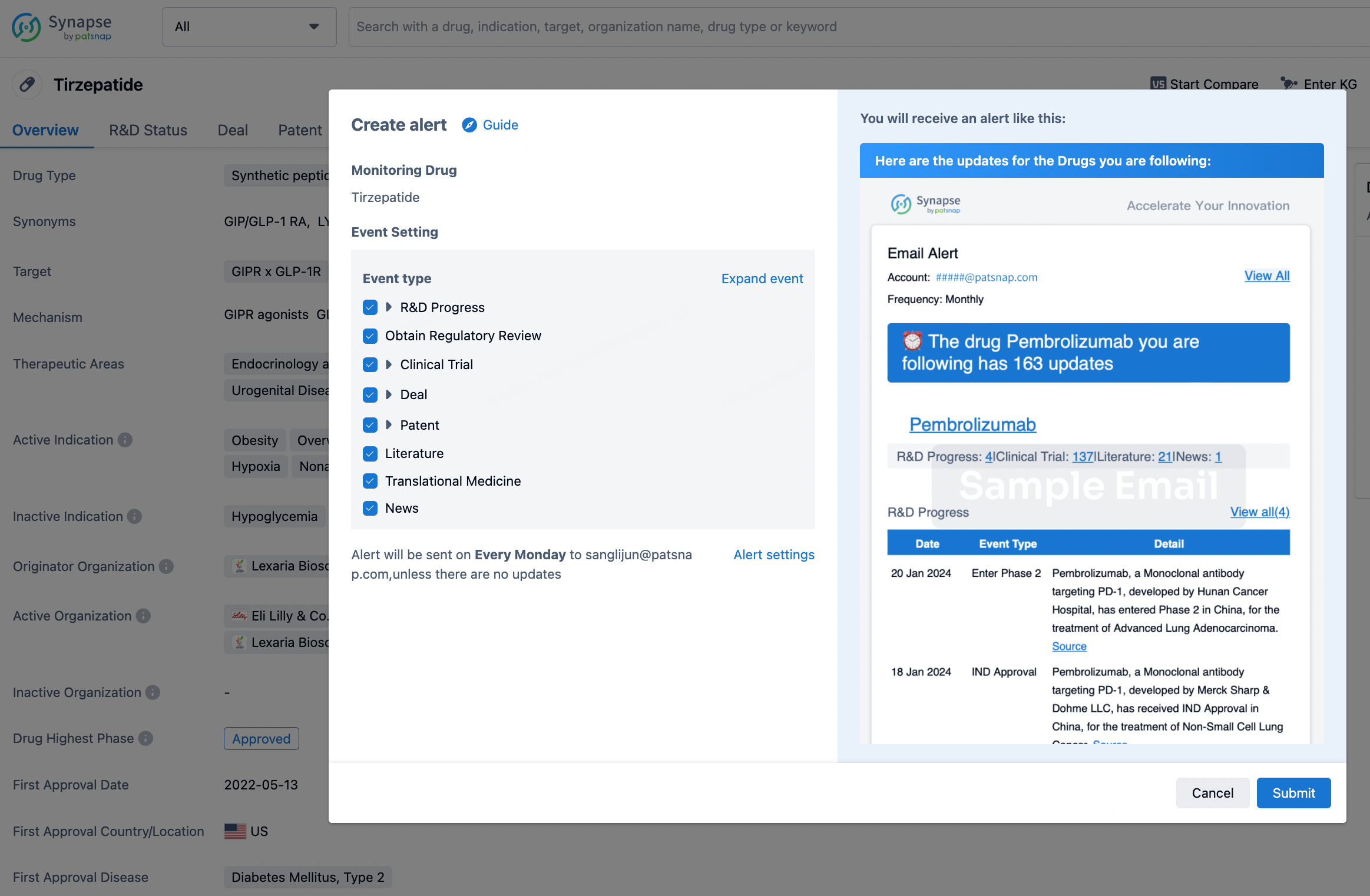
In the Synapse database, you can stay updated on the latest research and development advances of all drugs. This service is accessible anytime and anywhere, with updates available daily or weekly. Use the "Set Alert" function to stay informed. Click on the image below to embark on a brand new journey of drug discovery!

AI Agents Built for Biopharma Breakthroughs
Accelerate discovery. Empower decisions. Transform outcomes.
Get started for free today!
Accelerate Strategic R&D decision making with Synapse, PatSnap’s AI-powered Connected Innovation Intelligence Platform Built for Life Sciences Professionals.
Start your data trial now!
Synapse data is also accessible to external entities via APIs or data packages. Empower better decisions with the latest in pharmaceutical intelligence.