Request Demo
What is the mechanism of Mobocertinib Succinate?
17 July 2024
Mobocertinib succinate, a novel therapeutic agent, has garnered significant attention in the oncology community, particularly in the treatment of non-small cell lung cancer (NSCLC). To fully appreciate its clinical potential, it is crucial to understand the underlying mechanism of action that makes mobocertinib an effective treatment option for certain cancer patients.
Mobocertinib is an oral tyrosine kinase inhibitor (TKI) specifically designed to target and inhibit the activity of epidermal growth factor receptor (EGFR) exon 20 insertion mutations. EGFR is a transmembrane protein that plays a vital role in cellular signaling pathways related to cell growth, proliferation, and survival. Mutations in the EGFR gene can lead to uncontrolled cellular growth and cancer development, making EGFR a critical target in cancer therapy.
The specific focus on exon 20 insertion mutations is what sets mobocertinib apart from other EGFR inhibitors. These mutations are relatively rare but are associated with poor prognosis and resistance to first- and second-generation EGFR TKIs. Traditional inhibitors like gefitinib and erlotinib have shown limited efficacy against these specific mutations, necessitating the development of more precise therapeutic agents.
Mobocertinib exerts its therapeutic effects by binding to the ATP-binding site of the mutated EGFR receptor. This binding inhibits the receptor's tyrosine kinase activity, thereby blocking downstream signaling pathways that promote cell proliferation and survival. By specifically targeting the mutated form of EGFR, mobocertinib minimizes the impact on normal, healthy cells, reducing potential side effects and improving the therapeutic window.
The drug's design also takes into account the structural nuances of the exon 20 insertion mutations. These mutations create conformational changes in the EGFR protein that can sterically hinder the binding of conventional TKIs. Mobocertinib has been engineered to overcome these structural challenges, allowing it to effectively bind and inhibit the mutant receptor.
Pharmacokinetically, mobocertinib is administered orally, and it undergoes extensive metabolism primarily via cytochrome P450 enzymes, particularly CYP3A4. This metabolic pathway necessitates careful consideration of drug-drug interactions, especially with other medications that can influence CYP3A4 activity. The metabolized form of mobocertinib retains its activity against EGFR mutations, contributing to its overall efficacy.
The clinical efficacy of mobocertinib has been demonstrated in various studies, showing promising results in patients with NSCLC harboring EGFR exon 20 insertion mutations. The drug has shown improved progression-free survival and overall response rates compared to traditional therapies, offering a new hope for patients with this challenging form of cancer.
In summary, mobocertinib succinate represents a significant advancement in targeted cancer therapy. Its ability to specifically inhibit EGFR exon 20 insertion mutations addresses a critical unmet need in the treatment of NSCLC. By understanding its mechanism of action, we can better appreciate the scientific ingenuity behind mobocertinib and its potential to improve patient outcomes in the fight against cancer.
Mobocertinib is an oral tyrosine kinase inhibitor (TKI) specifically designed to target and inhibit the activity of epidermal growth factor receptor (EGFR) exon 20 insertion mutations. EGFR is a transmembrane protein that plays a vital role in cellular signaling pathways related to cell growth, proliferation, and survival. Mutations in the EGFR gene can lead to uncontrolled cellular growth and cancer development, making EGFR a critical target in cancer therapy.
The specific focus on exon 20 insertion mutations is what sets mobocertinib apart from other EGFR inhibitors. These mutations are relatively rare but are associated with poor prognosis and resistance to first- and second-generation EGFR TKIs. Traditional inhibitors like gefitinib and erlotinib have shown limited efficacy against these specific mutations, necessitating the development of more precise therapeutic agents.
Mobocertinib exerts its therapeutic effects by binding to the ATP-binding site of the mutated EGFR receptor. This binding inhibits the receptor's tyrosine kinase activity, thereby blocking downstream signaling pathways that promote cell proliferation and survival. By specifically targeting the mutated form of EGFR, mobocertinib minimizes the impact on normal, healthy cells, reducing potential side effects and improving the therapeutic window.
The drug's design also takes into account the structural nuances of the exon 20 insertion mutations. These mutations create conformational changes in the EGFR protein that can sterically hinder the binding of conventional TKIs. Mobocertinib has been engineered to overcome these structural challenges, allowing it to effectively bind and inhibit the mutant receptor.
Pharmacokinetically, mobocertinib is administered orally, and it undergoes extensive metabolism primarily via cytochrome P450 enzymes, particularly CYP3A4. This metabolic pathway necessitates careful consideration of drug-drug interactions, especially with other medications that can influence CYP3A4 activity. The metabolized form of mobocertinib retains its activity against EGFR mutations, contributing to its overall efficacy.
The clinical efficacy of mobocertinib has been demonstrated in various studies, showing promising results in patients with NSCLC harboring EGFR exon 20 insertion mutations. The drug has shown improved progression-free survival and overall response rates compared to traditional therapies, offering a new hope for patients with this challenging form of cancer.
In summary, mobocertinib succinate represents a significant advancement in targeted cancer therapy. Its ability to specifically inhibit EGFR exon 20 insertion mutations addresses a critical unmet need in the treatment of NSCLC. By understanding its mechanism of action, we can better appreciate the scientific ingenuity behind mobocertinib and its potential to improve patient outcomes in the fight against cancer.
How to obtain the latest development progress of all drugs?
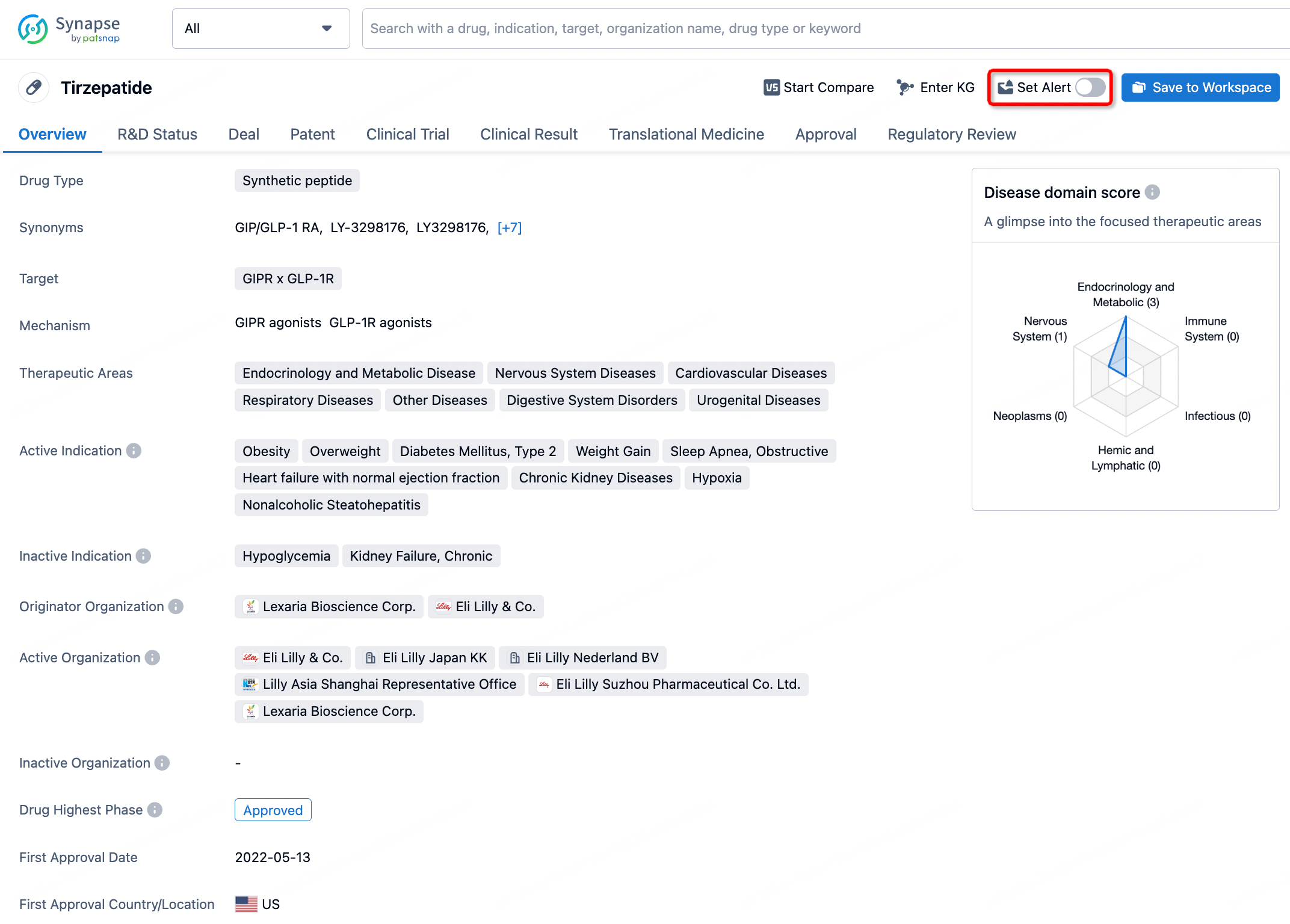
In the Synapse database, you can stay updated on the latest research and development advances of all drugs. This service is accessible anytime and anywhere, with updates available daily or weekly. Use the "Set Alert" function to stay informed. Click on the image below to embark on a brand new journey of drug discovery!


AI Agents Built for Biopharma Breakthroughs
Accelerate discovery. Empower decisions. Transform outcomes.
Get started for free today!
Accelerate Strategic R&D decision making with Synapse, PatSnap’s AI-powered Connected Innovation Intelligence Platform Built for Life Sciences Professionals.
Start your data trial now!
Synapse data is also accessible to external entities via APIs or data packages. Empower better decisions with the latest in pharmaceutical intelligence.