Request Demo
What is the mechanism of Momelotinib Dihydrochloride?
17 July 2024
Momelotinib Dihydrochloride is an investigational drug primarily developed for the treatment of myelofibrosis, a type of chronic leukemia that disrupts the body's normal production of blood cells. The drug has garnered significant interest due to its ability to target key pathways involved in the disease's pathology. Understanding the mechanism of Momelotinib Dihydrochloride requires delving into the molecular biology and pharmacodynamics that underpin its therapeutic effects.
At its core, Momelotinib Dihydrochloride is a potent inhibitor of Janus kinase (JAK) 1 and JAK2. These kinases play crucial roles in the signaling pathways that regulate hematopoiesis and immune function. In normal physiology, JAK1 and JAK2 are involved in the signaling of various cytokines and growth factors, which bind to receptors on the cell surface and initiate a cascade of intracellular events leading to cell growth, differentiation, or apoptosis. However, in myelofibrosis, mutations such as JAK2V617F lead to constitutive activation of these kinases, resulting in abnormal cell proliferation and survival, contributing to the pathology of the disease.
By inhibiting JAK1 and JAK2, Momelotinib Dihydrochloride disrupts these aberrant signaling pathways. This inhibition reduces the overproduction of inflammatory cytokines, which are often elevated in myelofibrosis patients and contribute to the disease's symptoms, such as anemia, splenomegaly, and systemic inflammation. Furthermore, the inhibition of these kinases leads to a decrease in the proliferation of malignant hematopoietic stem cells, thereby addressing the root cause of the disease.
One of the distinguishing features of Momelotinib Dihydrochloride compared to other JAK inhibitors is its additional inhibitory effect on activin receptor-like kinase 2 (ALK2). ALK2 is involved in the regulation of iron homeostasis through its role in hepcidin production. Hepcidin is a hormone that regulates iron absorption and distribution in the body. In patients with myelofibrosis, hepcidin levels are often dysregulated, leading to iron-restricted anemia. By inhibiting ALK2, Momelotinib Dihydrochloride can modulate hepcidin levels, potentially ameliorating anemia and improving the overall quality of life for patients.
Clinical studies have demonstrated that Momelotinib Dihydrochloride offers a dual benefit for myelofibrosis patients by not only reducing spleen size and alleviating symptoms but also addressing anemia, which is a significant unmet need in this patient population. Its ability to simultaneously target JAK1, JAK2, and ALK2 makes it a unique therapeutic option with a multifaceted approach to treating myelofibrosis.
In conclusion, the mechanism of Momelotinib Dihydrochloride involves the inhibition of key kinases JAK1, JAK2, and ALK2, leading to the disruption of pathological signaling pathways that drive myelofibrosis. This inhibition results in reduced inflammatory cytokine production, decreased malignant cell proliferation, and improved iron homeostasis, collectively addressing the complex pathophysiology of the disease. As research continues, Momelotinib Dihydrochloride holds promise as a comprehensive treatment option, offering hope to patients suffering from this challenging condition.
At its core, Momelotinib Dihydrochloride is a potent inhibitor of Janus kinase (JAK) 1 and JAK2. These kinases play crucial roles in the signaling pathways that regulate hematopoiesis and immune function. In normal physiology, JAK1 and JAK2 are involved in the signaling of various cytokines and growth factors, which bind to receptors on the cell surface and initiate a cascade of intracellular events leading to cell growth, differentiation, or apoptosis. However, in myelofibrosis, mutations such as JAK2V617F lead to constitutive activation of these kinases, resulting in abnormal cell proliferation and survival, contributing to the pathology of the disease.
By inhibiting JAK1 and JAK2, Momelotinib Dihydrochloride disrupts these aberrant signaling pathways. This inhibition reduces the overproduction of inflammatory cytokines, which are often elevated in myelofibrosis patients and contribute to the disease's symptoms, such as anemia, splenomegaly, and systemic inflammation. Furthermore, the inhibition of these kinases leads to a decrease in the proliferation of malignant hematopoietic stem cells, thereby addressing the root cause of the disease.
One of the distinguishing features of Momelotinib Dihydrochloride compared to other JAK inhibitors is its additional inhibitory effect on activin receptor-like kinase 2 (ALK2). ALK2 is involved in the regulation of iron homeostasis through its role in hepcidin production. Hepcidin is a hormone that regulates iron absorption and distribution in the body. In patients with myelofibrosis, hepcidin levels are often dysregulated, leading to iron-restricted anemia. By inhibiting ALK2, Momelotinib Dihydrochloride can modulate hepcidin levels, potentially ameliorating anemia and improving the overall quality of life for patients.
Clinical studies have demonstrated that Momelotinib Dihydrochloride offers a dual benefit for myelofibrosis patients by not only reducing spleen size and alleviating symptoms but also addressing anemia, which is a significant unmet need in this patient population. Its ability to simultaneously target JAK1, JAK2, and ALK2 makes it a unique therapeutic option with a multifaceted approach to treating myelofibrosis.
In conclusion, the mechanism of Momelotinib Dihydrochloride involves the inhibition of key kinases JAK1, JAK2, and ALK2, leading to the disruption of pathological signaling pathways that drive myelofibrosis. This inhibition results in reduced inflammatory cytokine production, decreased malignant cell proliferation, and improved iron homeostasis, collectively addressing the complex pathophysiology of the disease. As research continues, Momelotinib Dihydrochloride holds promise as a comprehensive treatment option, offering hope to patients suffering from this challenging condition.
How to obtain the latest development progress of all drugs?
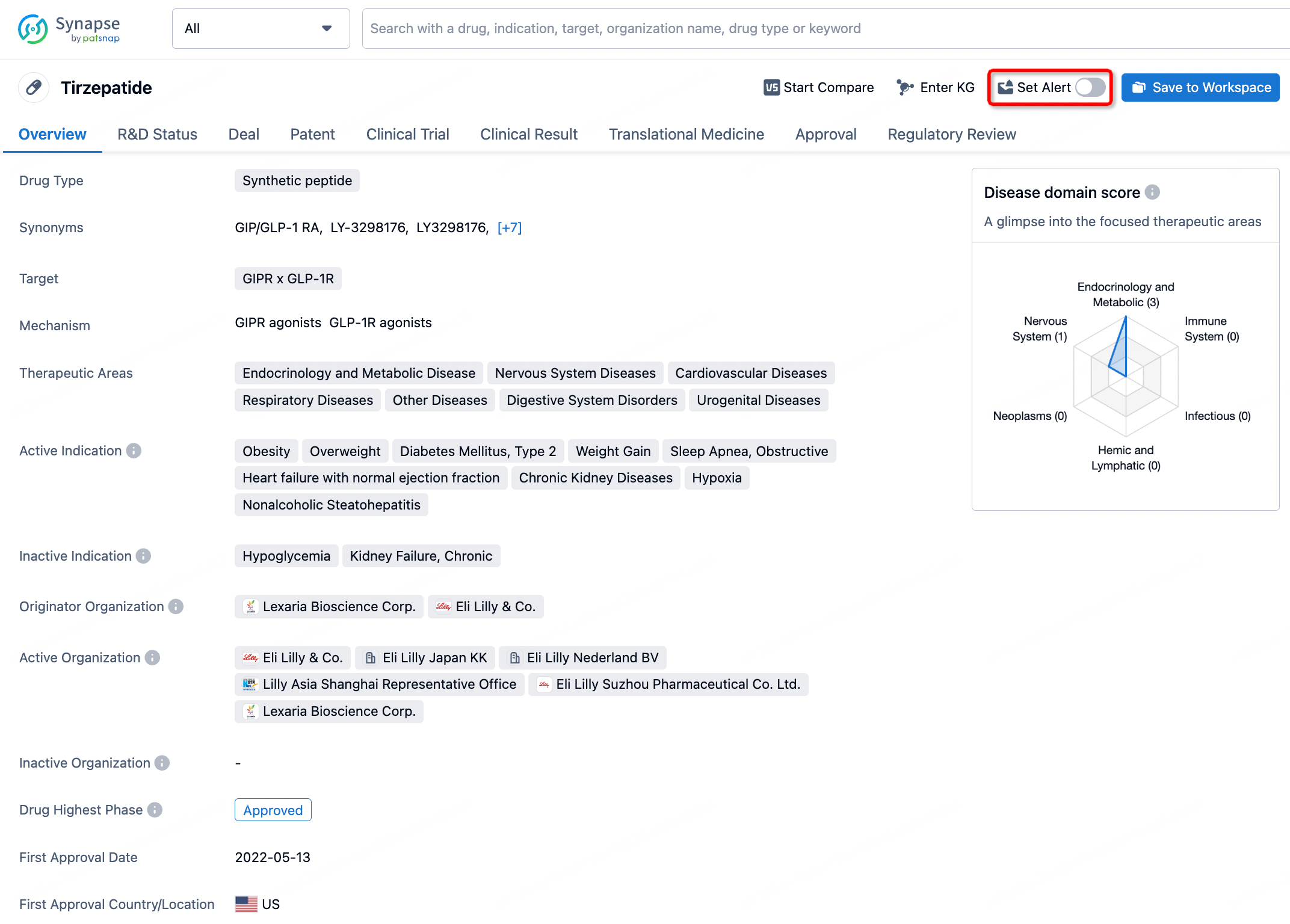
In the Synapse database, you can stay updated on the latest research and development advances of all drugs. This service is accessible anytime and anywhere, with updates available daily or weekly. Use the "Set Alert" function to stay informed. Click on the image below to embark on a brand new journey of drug discovery!


AI Agents Built for Biopharma Breakthroughs
Accelerate discovery. Empower decisions. Transform outcomes.
Get started for free today!
Accelerate Strategic R&D decision making with Synapse, PatSnap’s AI-powered Connected Innovation Intelligence Platform Built for Life Sciences Professionals.
Start your data trial now!
Synapse data is also accessible to external entities via APIs or data packages. Empower better decisions with the latest in pharmaceutical intelligence.