Request Demo
What is the mechanism of Nasaruplase?
17 July 2024
Nasaruplase is a recombinant form of the enzyme L-asparaginase, which has been widely studied and utilized primarily in the treatment of acute lymphoblastic leukemia (ALL). Understanding its mechanism of action is crucial for comprehending how this enzyme functions to combat cancer cells.
The primary mechanism of nasaruplase revolves around its ability to hydrolyze L-asparagine, an amino acid that is essential for the survival and proliferation of certain cancer cells, particularly lymphoblastic leukemia cells. Normal cells can synthesize L-asparagine internally via the enzyme asparagine synthetase. However, lymphoblastic leukemia cells often lack sufficient levels of this enzyme, making them reliant on extracellular sources of L-asparagine. Nasaruplase exploits this metabolic vulnerability.
When administered, nasaruplase circulates in the bloodstream and depletes the levels of L-asparagine by catalyzing its conversion into aspartic acid and ammonia. This depletion creates a state of asparagine starvation, which selectively affects the malignant cells unable to synthesize the amino acid internally. Consequently, these leukemia cells undergo apoptosis, or programmed cell death, due to their inability to sustain protein synthesis and cell proliferation without adequate L-asparagine.
Furthermore, nasaruplase's action can indirectly influence several pathways within the cancer cells. The reduction in L-asparagine levels can lead to stress in the endoplasmic reticulum (ER), a condition known as ER stress, which can trigger apoptosis through the activation of the unfolded protein response (UPR) pathway. This pathway aims to restore normal function but can induce cell death if the stress is excessive and prolonged.
Additionally, nasaruplase contributes to the modulation of the immune response against leukemia cells. The enzyme's activity can expose cancer cell antigens, making them more recognizable to the immune system. This immunological aspect supplements the direct apoptosis-inducing effect of nasaruplase, aiding in the overall therapeutic efficacy.
It is also important to note that the administration of nasaruplase needs to be carefully managed due to potential side effects, such as allergic reactions, pancreatitis, and coagulation abnormalities. Monitoring and supportive care are essential to mitigate these risks while maximizing the therapeutic benefits.
In summary, nasaruplase works by depleting extracellular L-asparagine levels, exploiting the metabolic dependency of lymphoblastic leukemia cells on this amino acid. Its mechanism induces apoptosis through nutrient deprivation and ER stress, while also enhancing immune recognition of cancer cells. This multi-faceted approach underscores the enzyme's role as a potent therapeutic agent in the treatment of acute lymphoblastic leukemia.
The primary mechanism of nasaruplase revolves around its ability to hydrolyze L-asparagine, an amino acid that is essential for the survival and proliferation of certain cancer cells, particularly lymphoblastic leukemia cells. Normal cells can synthesize L-asparagine internally via the enzyme asparagine synthetase. However, lymphoblastic leukemia cells often lack sufficient levels of this enzyme, making them reliant on extracellular sources of L-asparagine. Nasaruplase exploits this metabolic vulnerability.
When administered, nasaruplase circulates in the bloodstream and depletes the levels of L-asparagine by catalyzing its conversion into aspartic acid and ammonia. This depletion creates a state of asparagine starvation, which selectively affects the malignant cells unable to synthesize the amino acid internally. Consequently, these leukemia cells undergo apoptosis, or programmed cell death, due to their inability to sustain protein synthesis and cell proliferation without adequate L-asparagine.
Furthermore, nasaruplase's action can indirectly influence several pathways within the cancer cells. The reduction in L-asparagine levels can lead to stress in the endoplasmic reticulum (ER), a condition known as ER stress, which can trigger apoptosis through the activation of the unfolded protein response (UPR) pathway. This pathway aims to restore normal function but can induce cell death if the stress is excessive and prolonged.
Additionally, nasaruplase contributes to the modulation of the immune response against leukemia cells. The enzyme's activity can expose cancer cell antigens, making them more recognizable to the immune system. This immunological aspect supplements the direct apoptosis-inducing effect of nasaruplase, aiding in the overall therapeutic efficacy.
It is also important to note that the administration of nasaruplase needs to be carefully managed due to potential side effects, such as allergic reactions, pancreatitis, and coagulation abnormalities. Monitoring and supportive care are essential to mitigate these risks while maximizing the therapeutic benefits.
In summary, nasaruplase works by depleting extracellular L-asparagine levels, exploiting the metabolic dependency of lymphoblastic leukemia cells on this amino acid. Its mechanism induces apoptosis through nutrient deprivation and ER stress, while also enhancing immune recognition of cancer cells. This multi-faceted approach underscores the enzyme's role as a potent therapeutic agent in the treatment of acute lymphoblastic leukemia.
How to obtain the latest development progress of all drugs?
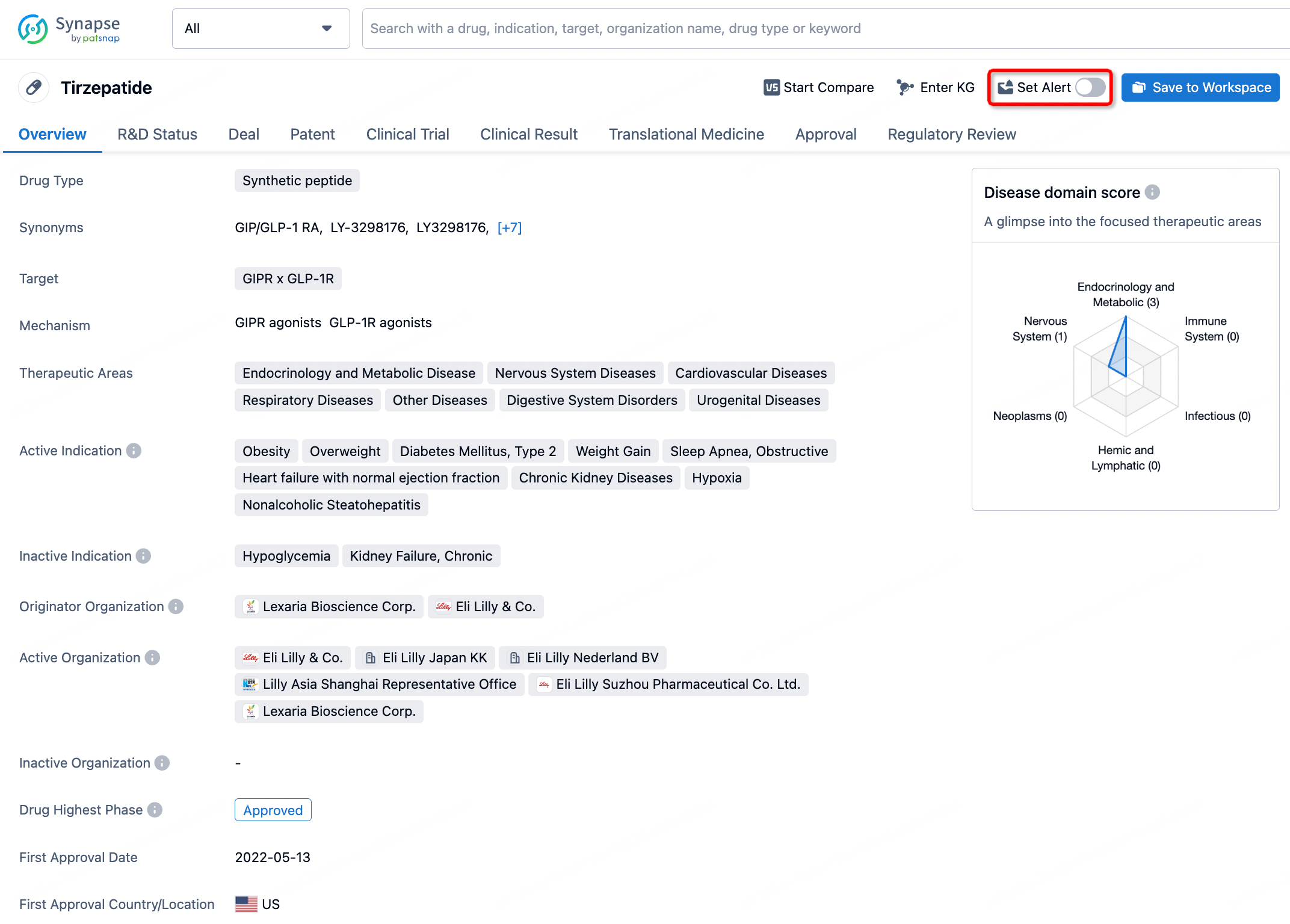
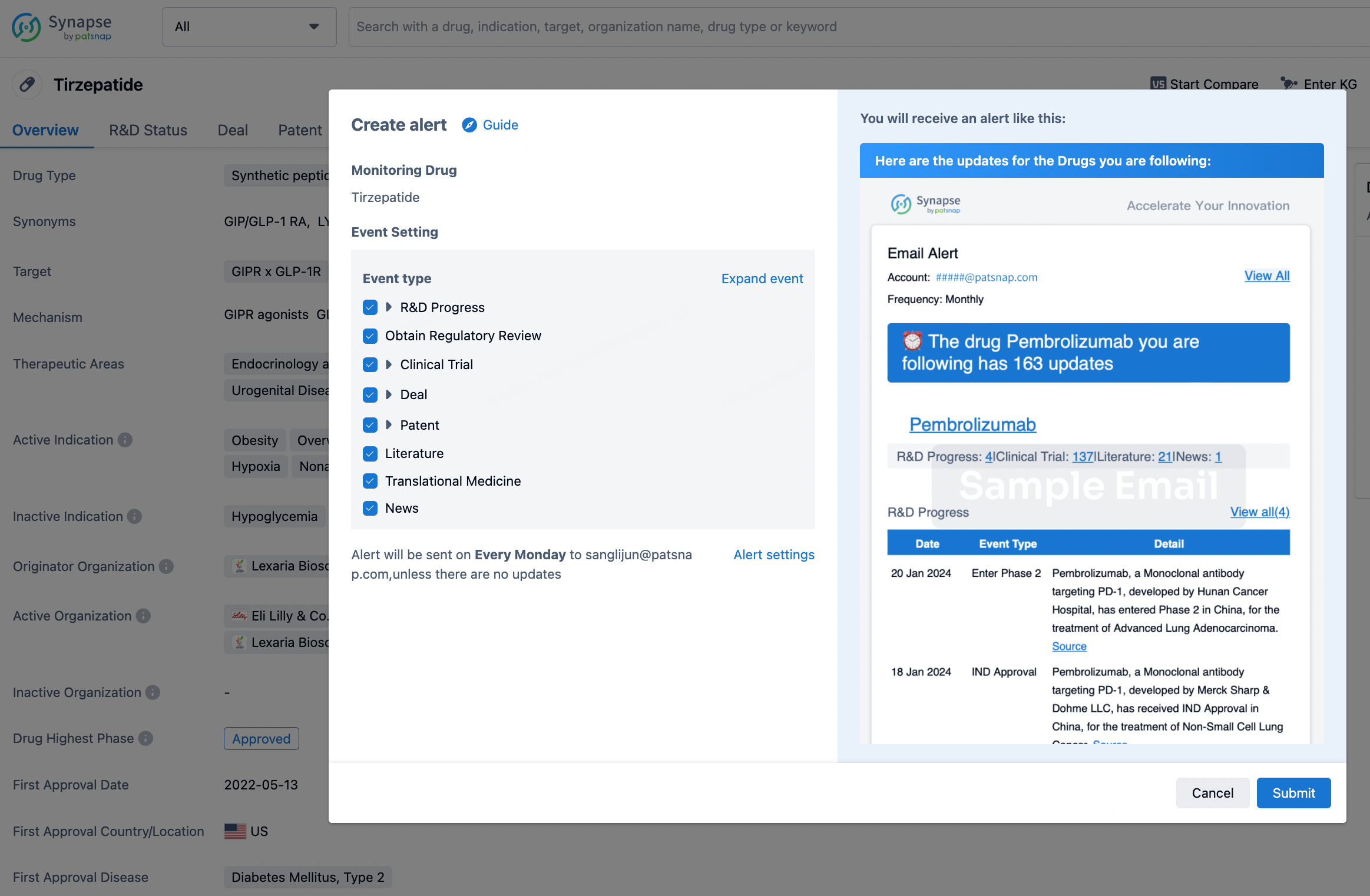
In the Synapse database, you can stay updated on the latest research and development advances of all drugs. This service is accessible anytime and anywhere, with updates available daily or weekly. Use the "Set Alert" function to stay informed. Click on the image below to embark on a brand new journey of drug discovery!

AI Agents Built for Biopharma Breakthroughs
Accelerate discovery. Empower decisions. Transform outcomes.
Get started for free today!
Accelerate Strategic R&D decision making with Synapse, PatSnap’s AI-powered Connected Innovation Intelligence Platform Built for Life Sciences Professionals.
Start your data trial now!
Synapse data is also accessible to external entities via APIs or data packages. Empower better decisions with the latest in pharmaceutical intelligence.