Request Demo
What is the mechanism of Ranitidine Bismuth Citrate?
17 July 2024
Ranitidine Bismuth Citrate is a pharmaceutical compound used primarily for the treatment of ulcers and gastroesophageal reflux disease (GERD). Its mechanism of action is multifaceted, combining the effects of ranitidine and bismuth citrate to deliver a potent therapeutic benefit.
First, it is essential to understand the individual components of this compound. Ranitidine is an H2-receptor antagonist that functions by reducing the production of stomach acid. This action primarily targets the histamine H2 receptors on the parietal cells in the stomach lining, which are responsible for gastric acid secretion. By blocking these receptors, ranitidine effectively decreases the overall volume and concentration of stomach acid, making the stomach environment less harsh on the esophageal and gastric mucosa.
Bismuth citrate, on the other hand, has a different set of properties that complement the actions of ranitidine. Bismuth compounds have been used for centuries in treating gastrointestinal disorders due to their protective effects on the gastric mucosa, antibacterial properties, and ability to promote ulcer healing. Bismuth citrate forms a protective layer over the ulcerated area, shielding it from the corrosive effects of stomach acid and pepsin. This protective action not only allows the ulcer to heal more effectively but also alleviates symptoms such as pain and discomfort.
The combination of these two active agents in Ranitidine Bismuth Citrate provides a dual mechanism of action. The ranitidine component reduces the production of stomach acid, providing a less acidic environment that is conducive to healing and less likely to cause further irritation. Simultaneously, the bismuth citrate component forms a barrier over existing ulcers and lesions, protecting them from further damage and promoting a more rapid healing process.
Additionally, bismuth has mild antimicrobial properties, particularly against Helicobacter pylori, a bacteria strongly associated with the development of gastric and duodenal ulcers. By exerting a bacteriostatic effect, bismuth citrate helps reduce the bacterial load in the stomach, thereby contributing to the overall therapeutic efficacy in ulcer management. This is particularly advantageous as it tackles one of the underlying causes of ulcer formation.
Overall, the mechanism of Ranitidine Bismuth Citrate involves reducing gastric acid secretion, protecting the gastric mucosa, and exerting antimicrobial effects, which together facilitate the healing of ulcers and provide symptomatic relief in conditions such as GERD. This combination therapy capitalizes on the strengths of both ranitidine and bismuth citrate, making it a valuable option in the management of acid-related gastrointestinal disorders.
First, it is essential to understand the individual components of this compound. Ranitidine is an H2-receptor antagonist that functions by reducing the production of stomach acid. This action primarily targets the histamine H2 receptors on the parietal cells in the stomach lining, which are responsible for gastric acid secretion. By blocking these receptors, ranitidine effectively decreases the overall volume and concentration of stomach acid, making the stomach environment less harsh on the esophageal and gastric mucosa.
Bismuth citrate, on the other hand, has a different set of properties that complement the actions of ranitidine. Bismuth compounds have been used for centuries in treating gastrointestinal disorders due to their protective effects on the gastric mucosa, antibacterial properties, and ability to promote ulcer healing. Bismuth citrate forms a protective layer over the ulcerated area, shielding it from the corrosive effects of stomach acid and pepsin. This protective action not only allows the ulcer to heal more effectively but also alleviates symptoms such as pain and discomfort.
The combination of these two active agents in Ranitidine Bismuth Citrate provides a dual mechanism of action. The ranitidine component reduces the production of stomach acid, providing a less acidic environment that is conducive to healing and less likely to cause further irritation. Simultaneously, the bismuth citrate component forms a barrier over existing ulcers and lesions, protecting them from further damage and promoting a more rapid healing process.
Additionally, bismuth has mild antimicrobial properties, particularly against Helicobacter pylori, a bacteria strongly associated with the development of gastric and duodenal ulcers. By exerting a bacteriostatic effect, bismuth citrate helps reduce the bacterial load in the stomach, thereby contributing to the overall therapeutic efficacy in ulcer management. This is particularly advantageous as it tackles one of the underlying causes of ulcer formation.
Overall, the mechanism of Ranitidine Bismuth Citrate involves reducing gastric acid secretion, protecting the gastric mucosa, and exerting antimicrobial effects, which together facilitate the healing of ulcers and provide symptomatic relief in conditions such as GERD. This combination therapy capitalizes on the strengths of both ranitidine and bismuth citrate, making it a valuable option in the management of acid-related gastrointestinal disorders.
How to obtain the latest development progress of all drugs?
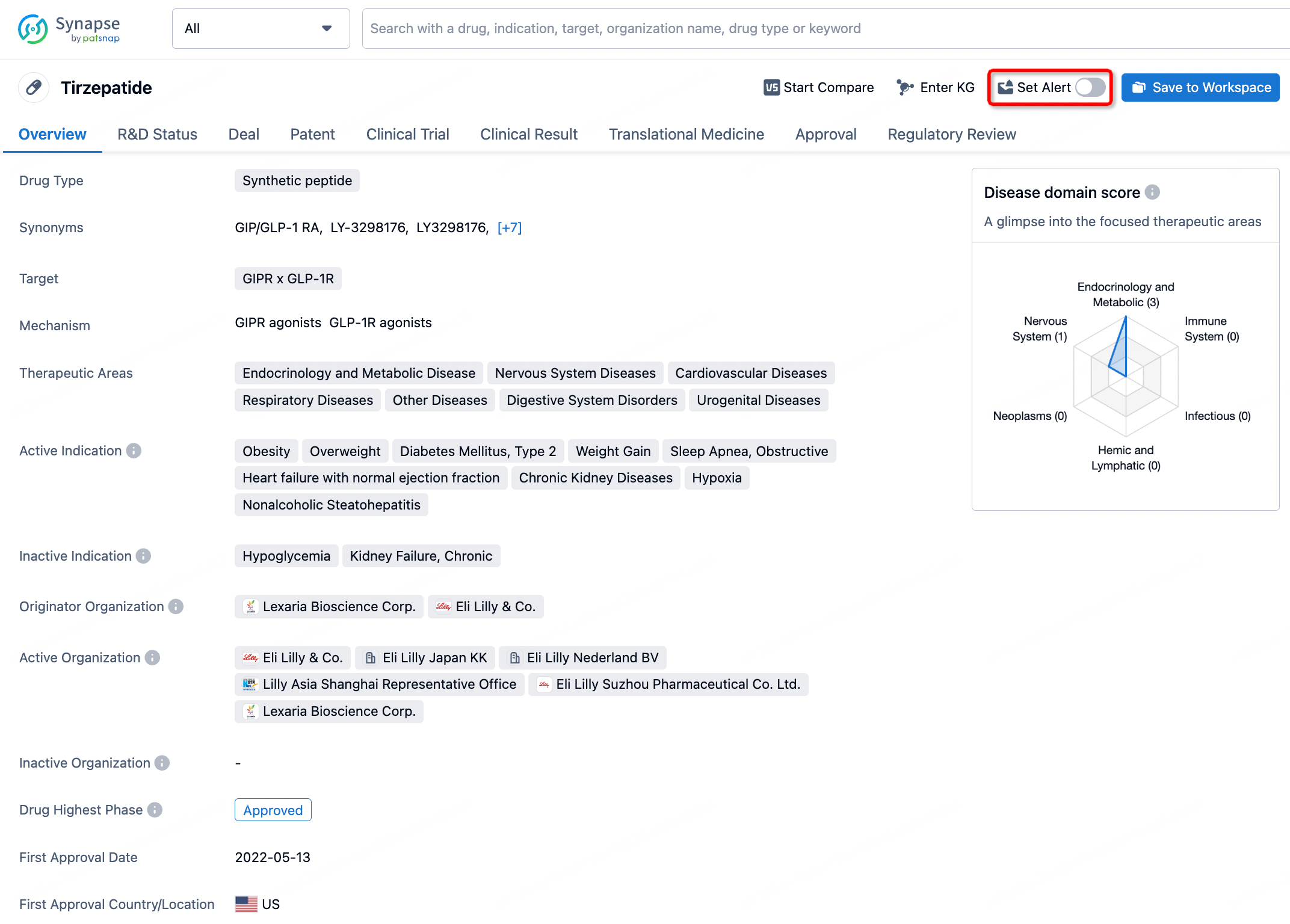
In the Synapse database, you can stay updated on the latest research and development advances of all drugs. This service is accessible anytime and anywhere, with updates available daily or weekly. Use the "Set Alert" function to stay informed. Click on the image below to embark on a brand new journey of drug discovery!


AI Agents Built for Biopharma Breakthroughs
Accelerate discovery. Empower decisions. Transform outcomes.
Get started for free today!
Accelerate Strategic R&D decision making with Synapse, PatSnap’s AI-powered Connected Innovation Intelligence Platform Built for Life Sciences Professionals.
Start your data trial now!
Synapse data is also accessible to external entities via APIs or data packages. Empower better decisions with the latest in pharmaceutical intelligence.