Request Demo
What is the mechanism of Siponimod Fumaric Acid?
17 July 2024
Siponimod fumaric acid is a medication primarily used in the treatment of multiple sclerosis (MS), specifically for the relapsing-remitting form of the disease. The mechanism by which siponimod fumaric acid operates is intricate but crucial for understanding its therapeutic effects.
Siponimod is a selective sphingosine-1-phosphate receptor modulator. It targets specific subtypes of this receptor, particularly S1P1 and S1P5, which play significant roles in autoimmune responses and central nervous system (CNS) function. Multiple sclerosis is characterized by the immune system mistakenly attacking myelin, the protective sheath around neurons, leading to a variety of neurological impairments. By modulating these receptors, siponimod fumaric acid can exert its effects on the immune system to ameliorate the symptoms of MS.
Upon administration, siponimod binds with high affinity to the S1P1 receptor found on lymphocytes. Normally, the S1P1 receptor facilitates the egress of lymphocytes from lymphoid tissues into the peripheral blood. However, when siponimod binds to this receptor, it results in internalization and subsequent degradation of the receptor, effectively trapping the lymphocytes within the lymphoid tissues. This reduces the number of circulating lymphocytes that can enter the CNS and cause the autoimmune damage characteristic of MS.
Additionally, siponimod's interaction with S1P5 receptors, which are found on oligodendrocytes and astrocytes in the CNS, contributes to its beneficial effects. Oligodendrocytes are responsible for the formation and maintenance of myelin, and modulation of S1P5 receptors may support remyelination and neuroprotection. This effect is particularly important in the context of multiple sclerosis, where myelin damage and loss are central features of the disease process.
Furthermore, siponimod fumaric acid undergoes extensive biotransformation in the liver, primarily metabolized by the enzyme cytochrome P450 2C9 (CYP2C9). Its metabolites are then excreted via renal and fecal routes. Understanding the pharmacokinetics of siponimod is essential for its appropriate clinical use, especially considering that genetic polymorphisms in the CYP2C9 enzyme can significantly affect its metabolism and, consequently, its efficacy and safety profile.
Recent studies have also suggested potential neuroprotective effects of siponimod beyond its immunomodulatory activity. These effects include the preservation of gray matter volume and the reduction of brain atrophy, which are critical in maintaining neurological function and quality of life in MS patients.
In summary, the mechanism of action of siponimod fumaric acid involves its selective modulation of sphingosine-1-phosphate receptors, particularly S1P1 and S1P5. By preventing the egress of lymphocytes from lymphoid tissues and potentially supporting myelin maintenance and neuroprotection, siponimod effectively reduces the autoimmune activity and neural damage associated with multiple sclerosis. Understanding this mechanism is vital for optimizing its use in clinical practice and for advancing therapeutic strategies in the treatment of MS.
Siponimod is a selective sphingosine-1-phosphate receptor modulator. It targets specific subtypes of this receptor, particularly S1P1 and S1P5, which play significant roles in autoimmune responses and central nervous system (CNS) function. Multiple sclerosis is characterized by the immune system mistakenly attacking myelin, the protective sheath around neurons, leading to a variety of neurological impairments. By modulating these receptors, siponimod fumaric acid can exert its effects on the immune system to ameliorate the symptoms of MS.
Upon administration, siponimod binds with high affinity to the S1P1 receptor found on lymphocytes. Normally, the S1P1 receptor facilitates the egress of lymphocytes from lymphoid tissues into the peripheral blood. However, when siponimod binds to this receptor, it results in internalization and subsequent degradation of the receptor, effectively trapping the lymphocytes within the lymphoid tissues. This reduces the number of circulating lymphocytes that can enter the CNS and cause the autoimmune damage characteristic of MS.
Additionally, siponimod's interaction with S1P5 receptors, which are found on oligodendrocytes and astrocytes in the CNS, contributes to its beneficial effects. Oligodendrocytes are responsible for the formation and maintenance of myelin, and modulation of S1P5 receptors may support remyelination and neuroprotection. This effect is particularly important in the context of multiple sclerosis, where myelin damage and loss are central features of the disease process.
Furthermore, siponimod fumaric acid undergoes extensive biotransformation in the liver, primarily metabolized by the enzyme cytochrome P450 2C9 (CYP2C9). Its metabolites are then excreted via renal and fecal routes. Understanding the pharmacokinetics of siponimod is essential for its appropriate clinical use, especially considering that genetic polymorphisms in the CYP2C9 enzyme can significantly affect its metabolism and, consequently, its efficacy and safety profile.
Recent studies have also suggested potential neuroprotective effects of siponimod beyond its immunomodulatory activity. These effects include the preservation of gray matter volume and the reduction of brain atrophy, which are critical in maintaining neurological function and quality of life in MS patients.
In summary, the mechanism of action of siponimod fumaric acid involves its selective modulation of sphingosine-1-phosphate receptors, particularly S1P1 and S1P5. By preventing the egress of lymphocytes from lymphoid tissues and potentially supporting myelin maintenance and neuroprotection, siponimod effectively reduces the autoimmune activity and neural damage associated with multiple sclerosis. Understanding this mechanism is vital for optimizing its use in clinical practice and for advancing therapeutic strategies in the treatment of MS.
How to obtain the latest development progress of all drugs?
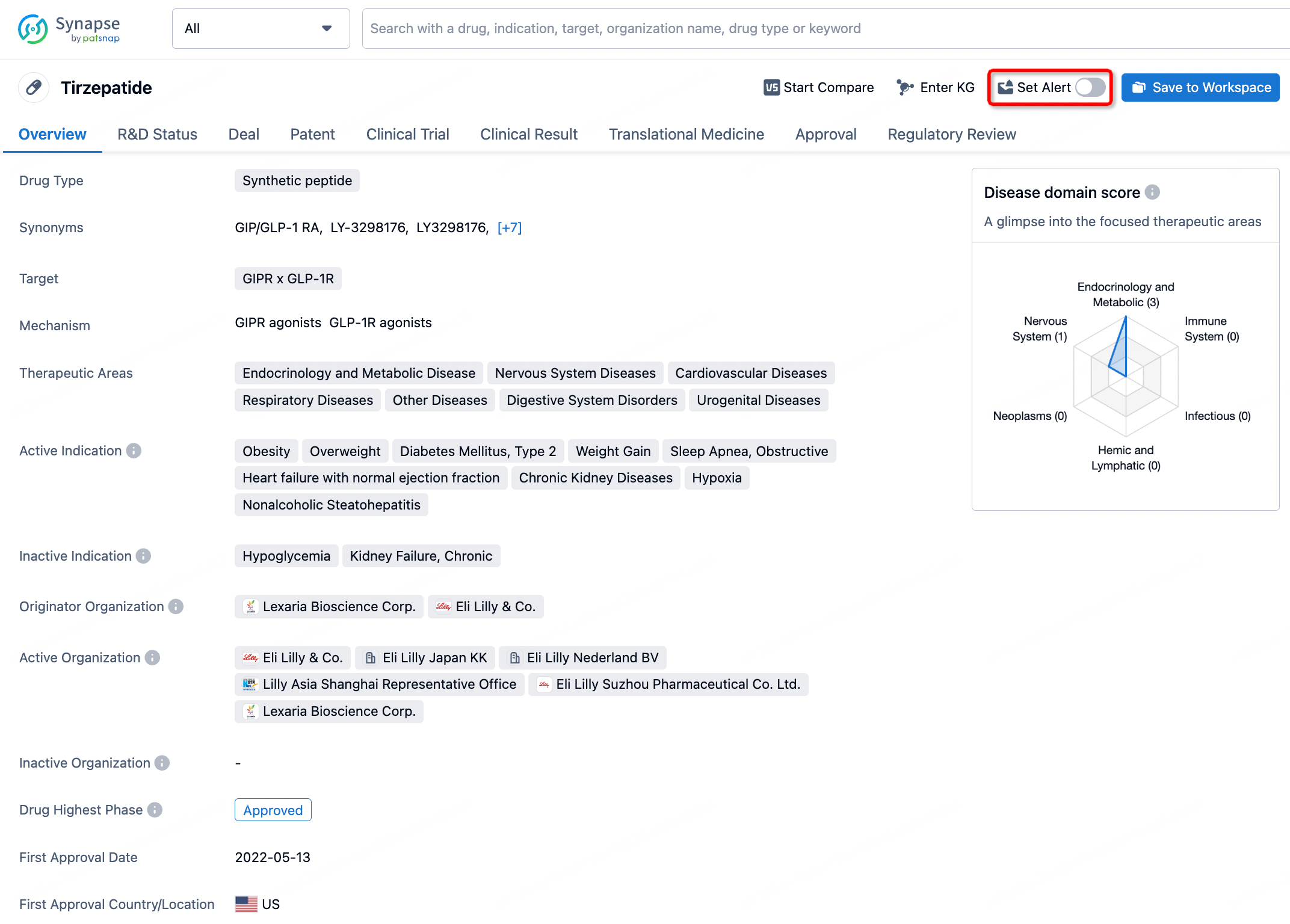
In the Synapse database, you can stay updated on the latest research and development advances of all drugs. This service is accessible anytime and anywhere, with updates available daily or weekly. Use the "Set Alert" function to stay informed. Click on the image below to embark on a brand new journey of drug discovery!


AI Agents Built for Biopharma Breakthroughs
Accelerate discovery. Empower decisions. Transform outcomes.
Get started for free today!
Accelerate Strategic R&D decision making with Synapse, PatSnap’s AI-powered Connected Innovation Intelligence Platform Built for Life Sciences Professionals.
Start your data trial now!
Synapse data is also accessible to external entities via APIs or data packages. Empower better decisions with the latest in pharmaceutical intelligence.