Request Demo
What is the mechanism of Sofalcone?
17 July 2024
Sofalcone is a synthetic flavonoid derivative used primarily in the treatment of gastric ulcers and gastritis. The mechanism of Sofalcone is multifaceted, involving several pathways that contribute to its therapeutic effects.
One of the primary mechanisms by which Sofalcone operates is through its cytoprotective action on the gastric mucosa. It enhances the production of mucus and bicarbonate, which are essential components of the gastric mucosal barrier. This increase in mucus and bicarbonate secretion helps to protect the mucosal lining from the harsh acidic environment of the stomach, thereby preventing and aiding the healing of ulcers.
Sofalcone also exhibits potent anti-inflammatory properties. It inhibits the activity of neutrophils, which are white blood cells that play a critical role in inflammation. By reducing neutrophil infiltration and activity, Sofalcone helps to decrease the inflammatory response in the gastric mucosa, further protecting it from damage.
Another significant mechanism of action for Sofalcone is its ability to scavenge free radicals. Free radicals are highly reactive molecules that can cause oxidative stress and damage to cellular structures, including the gastric mucosa. Sofalcone's antioxidant properties neutralize these free radicals, thereby reducing oxidative stress and promoting mucosal healing.
Sofalcone also influences the expression of various growth factors and cytokines that are involved in the repair and regeneration of the gastric mucosa. For instance, it upregulates the expression of vascular endothelial growth factor (VEGF), which promotes angiogenesis and improves blood flow to the damaged mucosal areas. This enhanced blood flow facilitates the delivery of nutrients and oxygen, which are crucial for tissue repair and regeneration.
Moreover, Sofalcone has been found to inhibit the activity of Helicobacter pylori, a bacterium that is commonly associated with gastric ulcers and chronic gastritis. By reducing the bacterial load and inhibiting its colonization, Sofalcone helps to alleviate infection-related gastric mucosal damage.
Additionally, Sofalcone modulates the activity of various enzymes and signaling pathways that are involved in gastric mucosal protection. It inhibits the activity of matrix metalloproteinases (MMPs), which are enzymes that degrade the extracellular matrix and contribute to tissue damage. By inhibiting MMP activity, Sofalcone helps to preserve the integrity of the gastric mucosa.
Furthermore, Sofalcone has been shown to modulate the prostaglandin pathway. Prostaglandins are lipid compounds that have various roles, including the promotion of inflammation and the regulation of gastric mucus secretion. Sofalcone increases the levels of prostaglandin E2 (PGE2), which has protective effects on the gastric mucosa by enhancing mucus and bicarbonate secretion and by promoting mucosal blood flow.
In summary, the mechanism of Sofalcone is complex and involves multiple pathways that contribute to its protective and healing effects on the gastric mucosa. Its actions include enhancing mucus and bicarbonate secretion, exhibiting anti-inflammatory and antioxidant properties, influencing the expression of growth factors and cytokines, inhibiting Helicobacter pylori activity, modulating enzyme activity, and regulating the prostaglandin pathway. These combined actions make Sofalcone an effective therapeutic agent in the treatment of gastric ulcers and gastritis.
One of the primary mechanisms by which Sofalcone operates is through its cytoprotective action on the gastric mucosa. It enhances the production of mucus and bicarbonate, which are essential components of the gastric mucosal barrier. This increase in mucus and bicarbonate secretion helps to protect the mucosal lining from the harsh acidic environment of the stomach, thereby preventing and aiding the healing of ulcers.
Sofalcone also exhibits potent anti-inflammatory properties. It inhibits the activity of neutrophils, which are white blood cells that play a critical role in inflammation. By reducing neutrophil infiltration and activity, Sofalcone helps to decrease the inflammatory response in the gastric mucosa, further protecting it from damage.
Another significant mechanism of action for Sofalcone is its ability to scavenge free radicals. Free radicals are highly reactive molecules that can cause oxidative stress and damage to cellular structures, including the gastric mucosa. Sofalcone's antioxidant properties neutralize these free radicals, thereby reducing oxidative stress and promoting mucosal healing.
Sofalcone also influences the expression of various growth factors and cytokines that are involved in the repair and regeneration of the gastric mucosa. For instance, it upregulates the expression of vascular endothelial growth factor (VEGF), which promotes angiogenesis and improves blood flow to the damaged mucosal areas. This enhanced blood flow facilitates the delivery of nutrients and oxygen, which are crucial for tissue repair and regeneration.
Moreover, Sofalcone has been found to inhibit the activity of Helicobacter pylori, a bacterium that is commonly associated with gastric ulcers and chronic gastritis. By reducing the bacterial load and inhibiting its colonization, Sofalcone helps to alleviate infection-related gastric mucosal damage.
Additionally, Sofalcone modulates the activity of various enzymes and signaling pathways that are involved in gastric mucosal protection. It inhibits the activity of matrix metalloproteinases (MMPs), which are enzymes that degrade the extracellular matrix and contribute to tissue damage. By inhibiting MMP activity, Sofalcone helps to preserve the integrity of the gastric mucosa.
Furthermore, Sofalcone has been shown to modulate the prostaglandin pathway. Prostaglandins are lipid compounds that have various roles, including the promotion of inflammation and the regulation of gastric mucus secretion. Sofalcone increases the levels of prostaglandin E2 (PGE2), which has protective effects on the gastric mucosa by enhancing mucus and bicarbonate secretion and by promoting mucosal blood flow.
In summary, the mechanism of Sofalcone is complex and involves multiple pathways that contribute to its protective and healing effects on the gastric mucosa. Its actions include enhancing mucus and bicarbonate secretion, exhibiting anti-inflammatory and antioxidant properties, influencing the expression of growth factors and cytokines, inhibiting Helicobacter pylori activity, modulating enzyme activity, and regulating the prostaglandin pathway. These combined actions make Sofalcone an effective therapeutic agent in the treatment of gastric ulcers and gastritis.
How to obtain the latest development progress of all drugs?
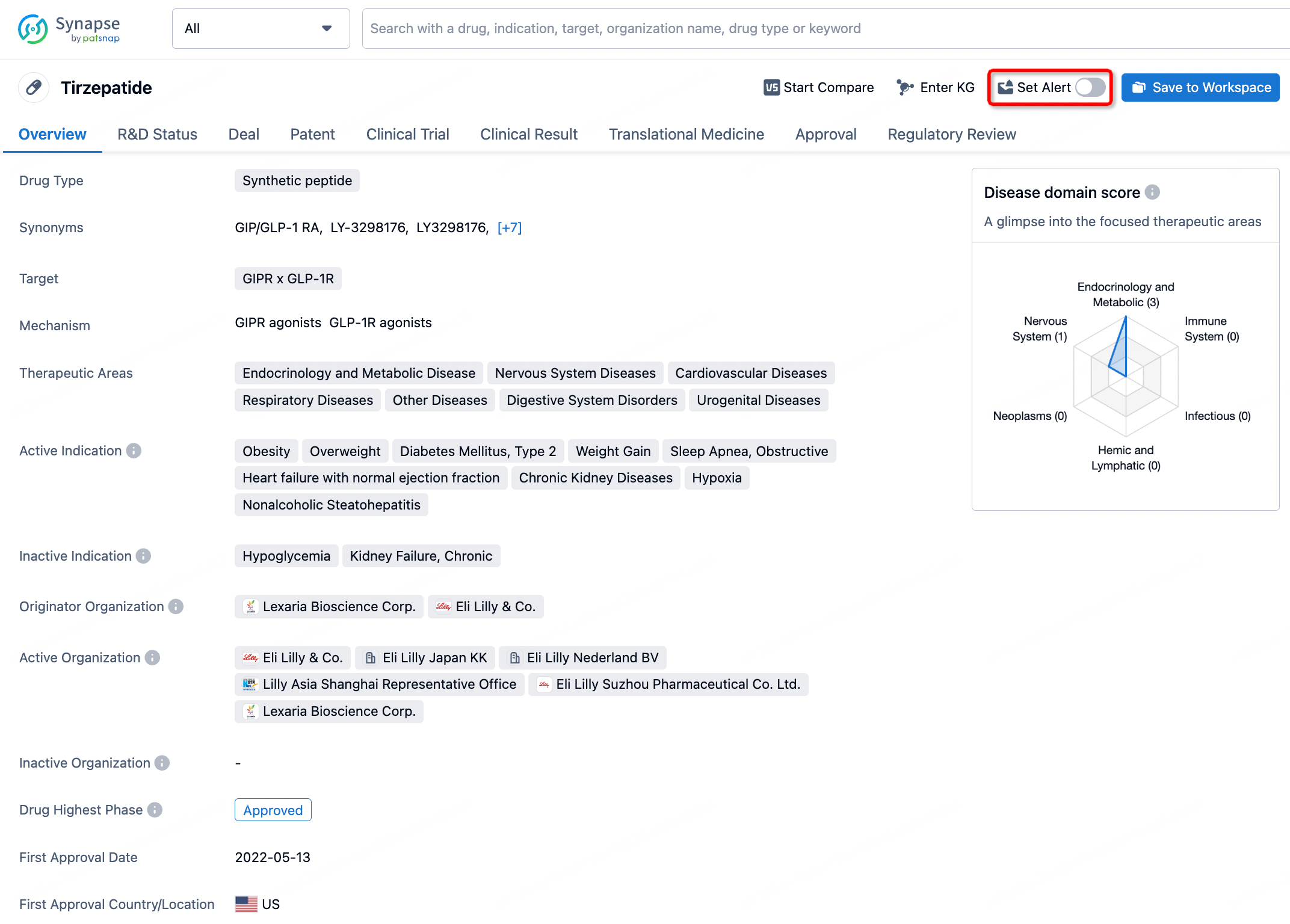
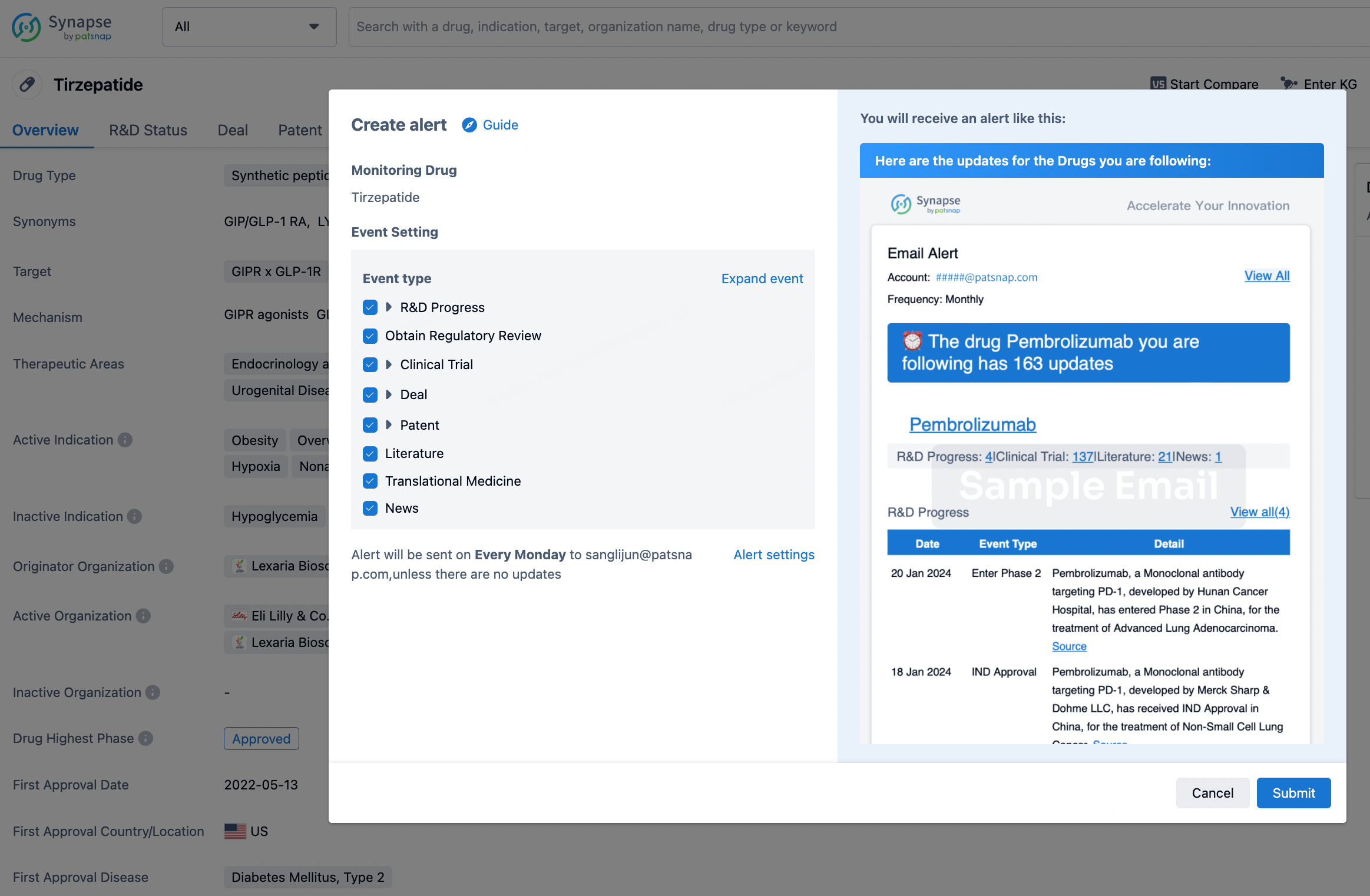
In the Synapse database, you can stay updated on the latest research and development advances of all drugs. This service is accessible anytime and anywhere, with updates available daily or weekly. Use the "Set Alert" function to stay informed. Click on the image below to embark on a brand new journey of drug discovery!

AI Agents Built for Biopharma Breakthroughs
Accelerate discovery. Empower decisions. Transform outcomes.
Get started for free today!
Accelerate Strategic R&D decision making with Synapse, PatSnap’s AI-powered Connected Innovation Intelligence Platform Built for Life Sciences Professionals.
Start your data trial now!
Synapse data is also accessible to external entities via APIs or data packages. Empower better decisions with the latest in pharmaceutical intelligence.