Request Demo
What is the mechanism of Spesolimab?
18 July 2024
Spesolimab is a novel therapeutic agent that has garnered attention for its potential in treating various inflammatory conditions. Understanding its mechanism of action is pivotal for appreciating its clinical utility and potential benefits.
Spesolimab is a monoclonal antibody that specifically targets and inhibits interleukin-36 receptor (IL-36R). The IL-36 receptor is a part of the interleukin-1 (IL-1) family, which plays a significant role in the inflammatory response. IL-36 cytokines, including IL-36α, IL-36β, and IL-36γ, are known to be pivotal mediators in the pathogenesis of several inflammatory diseases, such as generalized pustular psoriasis (GPP), atopic dermatitis, and other autoimmune conditions.
When IL-36 cytokines bind to IL-36R, they initiate a cascade of pro-inflammatory signaling pathways. This activation leads to the production and release of other inflammatory mediators, such as tumor necrosis factor-alpha (TNF-α), interleukin-6 (IL-6), and interleukin-8 (IL-8), which further amplify the inflammatory response. The excessive inflammation driven by these mediators can result in tissue damage and exacerbate disease symptoms.
Spesolimab exerts its therapeutic effects by binding to the IL-36 receptor and blocking its interaction with IL-36 cytokines. This inhibition prevents the downstream signaling cascades that would typically lead to inflammation. By effectively neutralizing the IL-36R pathway, Spesolimab reduces the production of pro-inflammatory cytokines and diminishes the overall inflammatory response. This mechanism of action positions Spesolimab as a promising treatment option for diseases characterized by dysregulated IL-36 activity.
Clinical trials and studies have demonstrated the potential efficacy of Spesolimab in treating conditions like generalized pustular psoriasis. In patients with GPP, Spesolimab has shown to rapidly reduce the severity of skin lesions and improve clinical symptoms. This rapid action underscores the critical role of IL-36 in the pathogenesis of such inflammatory diseases and highlights the therapeutic potential of targeting this pathway.
Furthermore, the specificity of Spesolimab for IL-36R suggests a targeted approach, potentially reducing the risk of widespread immunosuppression that is often associated with broader-spectrum anti-inflammatory treatments. This targeted mechanism can provide a more favorable safety profile, minimizing the adverse effects typically seen with other immunomodulatory therapies.
In conclusion, the mechanism of Spesolimab revolves around its ability to inhibit the IL-36 receptor and block the pro-inflammatory signaling pathways mediated by IL-36 cytokines. This targeted approach offers a promising therapeutic strategy for managing several inflammatory diseases, particularly those with a significant IL-36 component. As research continues, the clinical applications of Spesolimab are expected to expand, providing new hope for patients suffering from chronic inflammatory conditions.
Spesolimab is a monoclonal antibody that specifically targets and inhibits interleukin-36 receptor (IL-36R). The IL-36 receptor is a part of the interleukin-1 (IL-1) family, which plays a significant role in the inflammatory response. IL-36 cytokines, including IL-36α, IL-36β, and IL-36γ, are known to be pivotal mediators in the pathogenesis of several inflammatory diseases, such as generalized pustular psoriasis (GPP), atopic dermatitis, and other autoimmune conditions.
When IL-36 cytokines bind to IL-36R, they initiate a cascade of pro-inflammatory signaling pathways. This activation leads to the production and release of other inflammatory mediators, such as tumor necrosis factor-alpha (TNF-α), interleukin-6 (IL-6), and interleukin-8 (IL-8), which further amplify the inflammatory response. The excessive inflammation driven by these mediators can result in tissue damage and exacerbate disease symptoms.
Spesolimab exerts its therapeutic effects by binding to the IL-36 receptor and blocking its interaction with IL-36 cytokines. This inhibition prevents the downstream signaling cascades that would typically lead to inflammation. By effectively neutralizing the IL-36R pathway, Spesolimab reduces the production of pro-inflammatory cytokines and diminishes the overall inflammatory response. This mechanism of action positions Spesolimab as a promising treatment option for diseases characterized by dysregulated IL-36 activity.
Clinical trials and studies have demonstrated the potential efficacy of Spesolimab in treating conditions like generalized pustular psoriasis. In patients with GPP, Spesolimab has shown to rapidly reduce the severity of skin lesions and improve clinical symptoms. This rapid action underscores the critical role of IL-36 in the pathogenesis of such inflammatory diseases and highlights the therapeutic potential of targeting this pathway.
Furthermore, the specificity of Spesolimab for IL-36R suggests a targeted approach, potentially reducing the risk of widespread immunosuppression that is often associated with broader-spectrum anti-inflammatory treatments. This targeted mechanism can provide a more favorable safety profile, minimizing the adverse effects typically seen with other immunomodulatory therapies.
In conclusion, the mechanism of Spesolimab revolves around its ability to inhibit the IL-36 receptor and block the pro-inflammatory signaling pathways mediated by IL-36 cytokines. This targeted approach offers a promising therapeutic strategy for managing several inflammatory diseases, particularly those with a significant IL-36 component. As research continues, the clinical applications of Spesolimab are expected to expand, providing new hope for patients suffering from chronic inflammatory conditions.
How to obtain the latest development progress of all drugs?
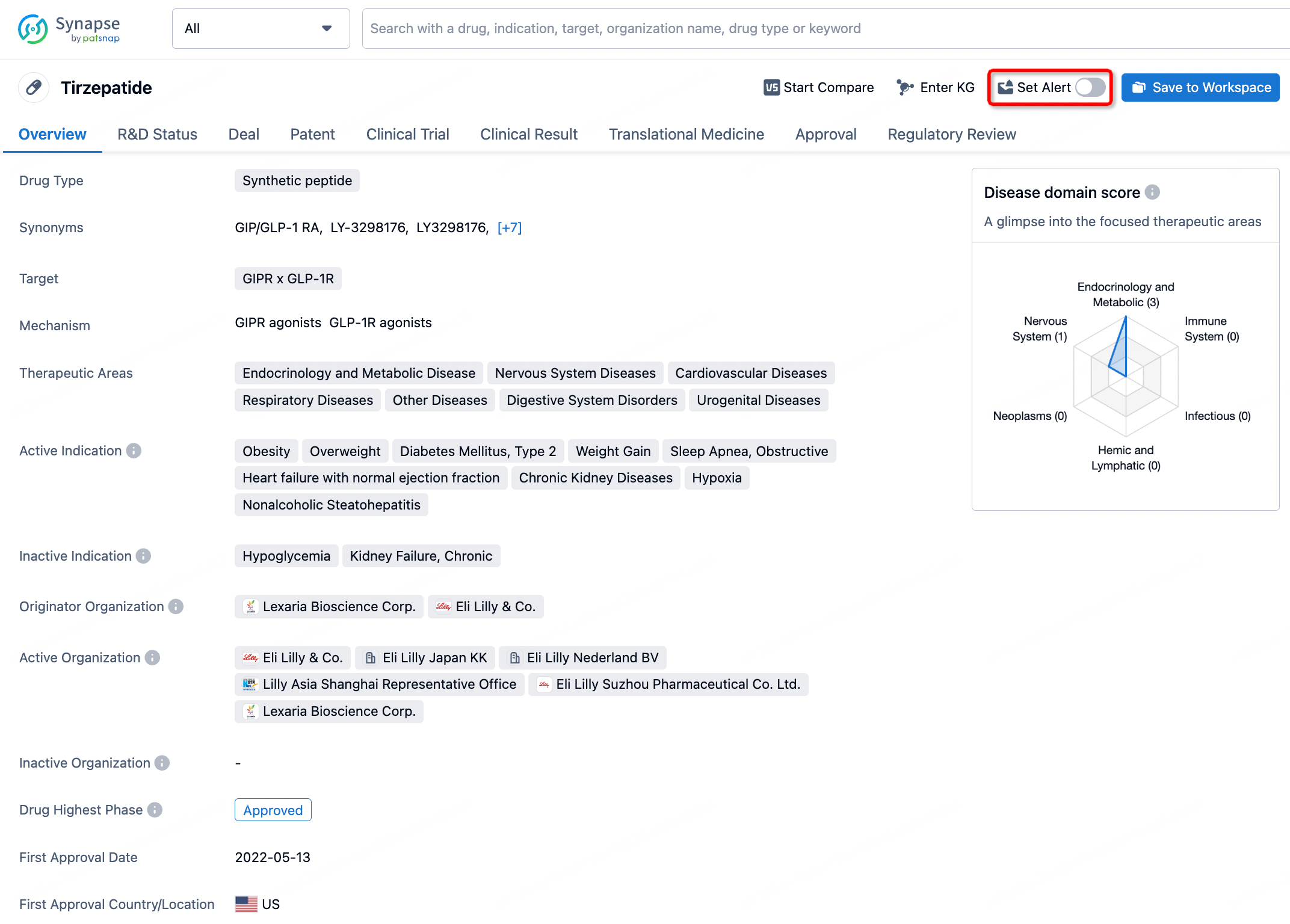
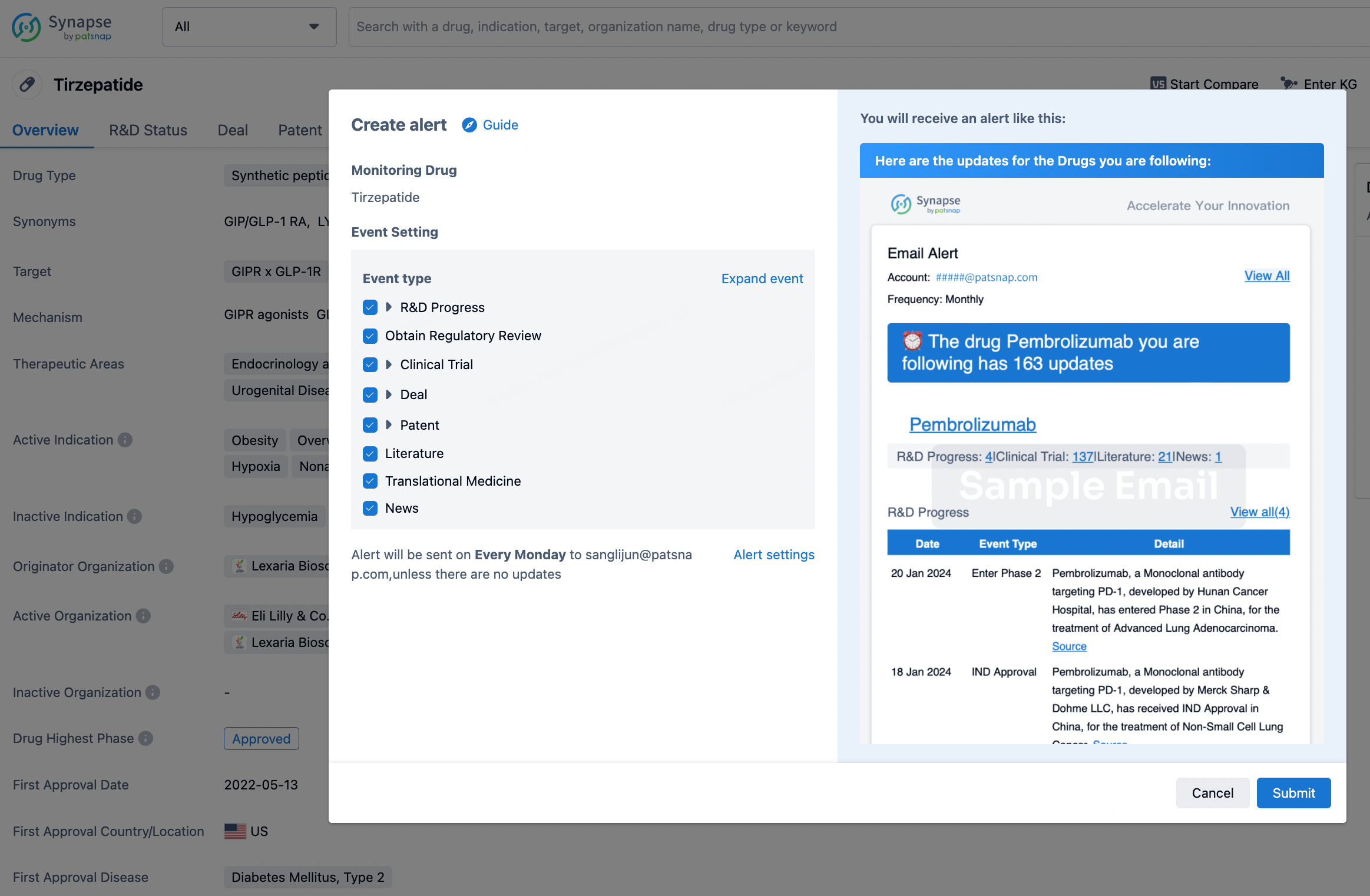
In the Synapse database, you can stay updated on the latest research and development advances of all drugs. This service is accessible anytime and anywhere, with updates available daily or weekly. Use the "Set Alert" function to stay informed. Click on the image below to embark on a brand new journey of drug discovery!
AI Agents Built for Biopharma Breakthroughs
Accelerate discovery. Empower decisions. Transform outcomes.
Get started for free today!
Accelerate Strategic R&D decision making with Synapse, PatSnap’s AI-powered Connected Innovation Intelligence Platform Built for Life Sciences Professionals.
Start your data trial now!
Synapse data is also accessible to external entities via APIs or data packages. Empower better decisions with the latest in pharmaceutical intelligence.