Request Demo
What is the mechanism of Troxipide?
17 July 2024
Troxipide is a gastroprotective agent used primarily for the treatment of various gastrointestinal disorders, including gastritis, peptic ulcers, and gastroesophageal reflux disease (GERD). The mechanism of action of Troxipide is multifaceted, involving several pathways that work synergistically to protect the gastric mucosa and promote healing.
One of the primary mechanisms by which Troxipide exerts its therapeutic effects is through the modulation of gastric mucus production. Troxipide enhances the secretion of mucus in the gastric lining, which acts as a protective barrier against the corrosive effects of stomach acid and digestive enzymes. This increased mucus production helps to prevent and heal erosions and ulcers in the stomach lining.
In addition to increasing mucus production, Troxipide also promotes the synthesis of prostaglandins. Prostaglandins are lipid compounds that have various protective roles in the gastrointestinal tract. They help to maintain the integrity of the gastric mucosal lining, enhance blood flow to the stomach, and inhibit the secretion of gastric acid. By boosting prostaglandin levels, Troxipide helps to create a more favorable environment for the healing of damaged gastric tissues.
Troxipide also exhibits anti-inflammatory properties, which play a crucial role in its gastroprotective effects. Inflammation is a key factor in the development and exacerbation of gastrointestinal disorders. Troxipide helps to reduce inflammation by inhibiting the production of pro-inflammatory cytokines and other inflammatory mediators. This reduction in inflammation helps to alleviate symptoms associated with gastritis and other inflammatory conditions of the stomach.
Another important aspect of Troxipide's mechanism of action is its ability to improve gastric mucosal blood flow. Adequate blood flow is essential for the delivery of oxygen and nutrients to the gastric tissues, which are necessary for tissue repair and regeneration. Troxipide enhances microcirculation in the gastric mucosa, thereby promoting the healing of ulcers and other lesions.
Furthermore, Troxipide has been shown to stabilize the gastric mucosal barrier. It strengthens the tight junctions between epithelial cells in the stomach lining, reducing the permeability of the mucosal barrier. This stabilization helps to prevent the penetration of harmful substances, such as bacteria and toxins, into the deeper layers of the gastric tissue, thereby reducing the risk of infection and further damage.
Troxipide also exhibits an inhibitory effect on the activity of Helicobacter pylori (H. pylori), a bacterium that is commonly associated with peptic ulcers and chronic gastritis. By inhibiting the growth and activity of H. pylori, Troxipide helps to reduce the bacterial load in the stomach, thereby promoting the healing of H. pylori-related ulcers and reducing the risk of recurrence.
In summary, Troxipide is a gastroprotective agent with a multifaceted mechanism of action. It enhances mucus production, boosts prostaglandin synthesis, reduces inflammation, improves gastric mucosal blood flow, stabilizes the mucosal barrier, and inhibits the activity of H. pylori. These combined effects help to protect the gastric mucosa, promote healing of ulcers and erosions, and alleviate symptoms associated with various gastrointestinal disorders. Troxipide's comprehensive mechanism of action makes it a valuable therapeutic option for patients with gastritis, peptic ulcers, and GERD.
One of the primary mechanisms by which Troxipide exerts its therapeutic effects is through the modulation of gastric mucus production. Troxipide enhances the secretion of mucus in the gastric lining, which acts as a protective barrier against the corrosive effects of stomach acid and digestive enzymes. This increased mucus production helps to prevent and heal erosions and ulcers in the stomach lining.
In addition to increasing mucus production, Troxipide also promotes the synthesis of prostaglandins. Prostaglandins are lipid compounds that have various protective roles in the gastrointestinal tract. They help to maintain the integrity of the gastric mucosal lining, enhance blood flow to the stomach, and inhibit the secretion of gastric acid. By boosting prostaglandin levels, Troxipide helps to create a more favorable environment for the healing of damaged gastric tissues.
Troxipide also exhibits anti-inflammatory properties, which play a crucial role in its gastroprotective effects. Inflammation is a key factor in the development and exacerbation of gastrointestinal disorders. Troxipide helps to reduce inflammation by inhibiting the production of pro-inflammatory cytokines and other inflammatory mediators. This reduction in inflammation helps to alleviate symptoms associated with gastritis and other inflammatory conditions of the stomach.
Another important aspect of Troxipide's mechanism of action is its ability to improve gastric mucosal blood flow. Adequate blood flow is essential for the delivery of oxygen and nutrients to the gastric tissues, which are necessary for tissue repair and regeneration. Troxipide enhances microcirculation in the gastric mucosa, thereby promoting the healing of ulcers and other lesions.
Furthermore, Troxipide has been shown to stabilize the gastric mucosal barrier. It strengthens the tight junctions between epithelial cells in the stomach lining, reducing the permeability of the mucosal barrier. This stabilization helps to prevent the penetration of harmful substances, such as bacteria and toxins, into the deeper layers of the gastric tissue, thereby reducing the risk of infection and further damage.
Troxipide also exhibits an inhibitory effect on the activity of Helicobacter pylori (H. pylori), a bacterium that is commonly associated with peptic ulcers and chronic gastritis. By inhibiting the growth and activity of H. pylori, Troxipide helps to reduce the bacterial load in the stomach, thereby promoting the healing of H. pylori-related ulcers and reducing the risk of recurrence.
In summary, Troxipide is a gastroprotective agent with a multifaceted mechanism of action. It enhances mucus production, boosts prostaglandin synthesis, reduces inflammation, improves gastric mucosal blood flow, stabilizes the mucosal barrier, and inhibits the activity of H. pylori. These combined effects help to protect the gastric mucosa, promote healing of ulcers and erosions, and alleviate symptoms associated with various gastrointestinal disorders. Troxipide's comprehensive mechanism of action makes it a valuable therapeutic option for patients with gastritis, peptic ulcers, and GERD.
How to obtain the latest development progress of all drugs?
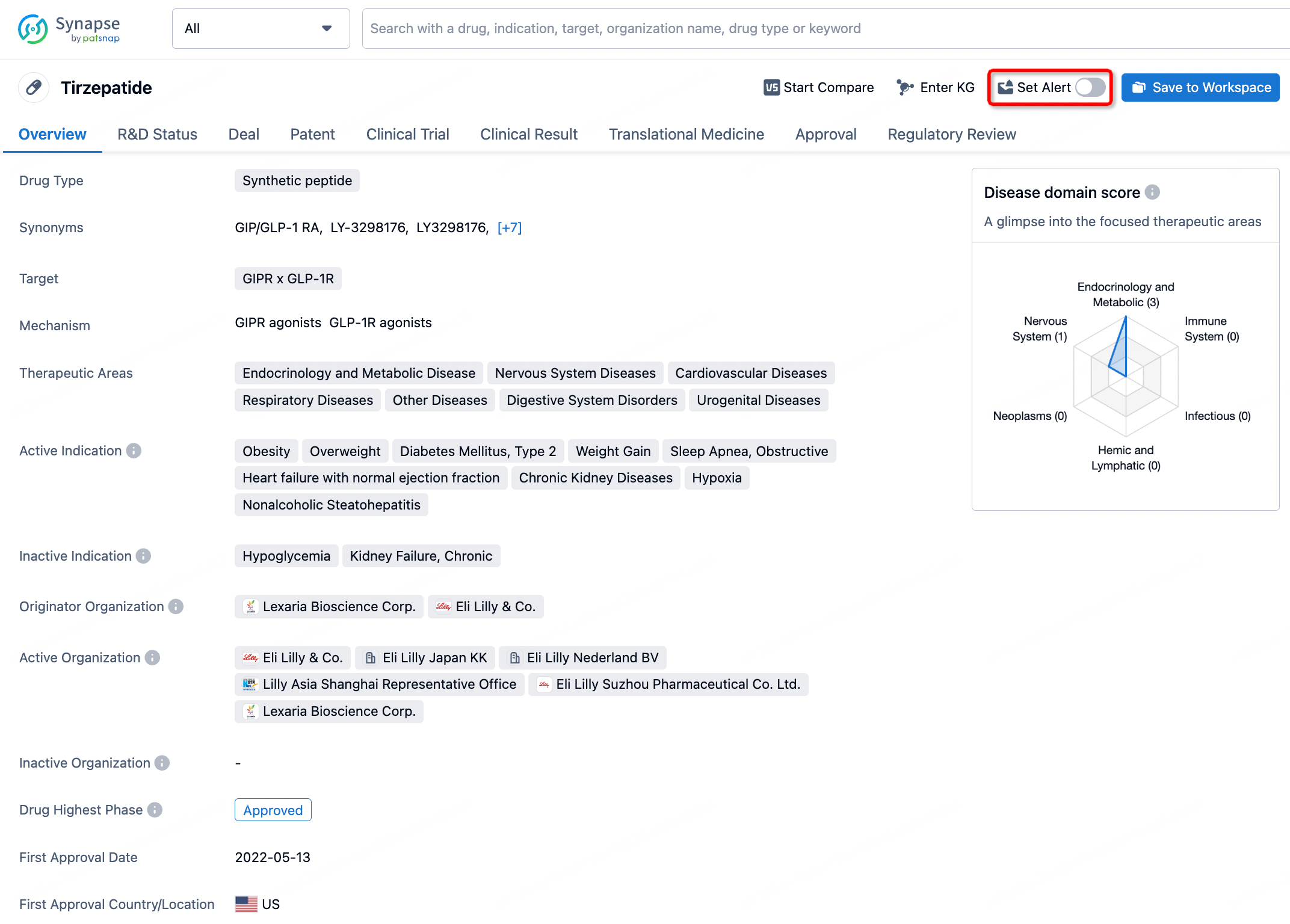
In the Synapse database, you can stay updated on the latest research and development advances of all drugs. This service is accessible anytime and anywhere, with updates available daily or weekly. Use the "Set Alert" function to stay informed. Click on the image below to embark on a brand new journey of drug discovery!


AI Agents Built for Biopharma Breakthroughs
Accelerate discovery. Empower decisions. Transform outcomes.
Get started for free today!
Accelerate Strategic R&D decision making with Synapse, PatSnap’s AI-powered Connected Innovation Intelligence Platform Built for Life Sciences Professionals.
Start your data trial now!
Synapse data is also accessible to external entities via APIs or data packages. Empower better decisions with the latest in pharmaceutical intelligence.