Request Demo
What is the mechanism of Ubenimex?
17 July 2024
Ubenimex, also known by its trade name Bestatin, is an intriguing compound that has garnered attention for its multifaceted pharmacological activities. Primarily recognized as an inhibitor of aminopeptidases, Ubenimex exhibits potential applications in oncology, immunology, and other medical fields. This article delves into the mechanism of Ubenimex, exploring how it exerts its effects at the molecular level and the potential therapeutic benefits arising from its actions.
At its core, Ubenimex functions by inhibiting several key enzymes, prominently including aminopeptidase B (APB) and leukotriene A4 hydrolase (LTA4H). These enzymes play significant roles in various biological processes, and by inhibiting them, Ubenimex can modulate these processes in ways that are therapeutically beneficial.
Aminopeptidase B is involved in the final stages of protein degradation, where it cleaves amino acids from the N-terminus of peptide substrates. By inhibiting APB, Ubenimex can alter the turnover of peptides and proteins, which can impact multiple cellular functions. This inhibition can lead to the accumulation of certain peptides which may exert biological effects, such as modulating immune responses or influencing cellular signaling pathways.
Leukotriene A4 hydrolase is another critical target of Ubenimex. This enzyme is responsible for converting leukotriene A4 into leukotriene B4, a potent pro-inflammatory mediator. By inhibiting LTA4H, Ubenimex effectively reduces the production of leukotriene B4, thereby attenuating inflammatory responses. This anti-inflammatory property of Ubenimex has been leveraged in conditions where excessive inflammation is a key pathological feature.
Besides these primary actions, Ubenimex has also been shown to inhibit other metalloproteinases and proteasomal enzymes, contributing to its broad-spectrum biological activity. For instance, Ubenimex's inhibition of aminopeptidase N (APN) can interfere with tumor angiogenesis and metastasis. APN, also known as CD13, is overexpressed in various tumor cells and is implicated in the degradation of extracellular matrix components, facilitating tumor invasion and spread. By inhibiting APN, Ubenimex potentially impedes these processes, thereby exhibiting anti-cancer properties.
These molecular actions translate into several therapeutic implications. In cancer therapy, Ubenimex has been studied both as a monotherapy and in combination with other chemotherapeutic agents. Its ability to inhibit tumor growth, reduce metastasis, and enhance immune surveillance makes it a promising candidate in oncology. In autoimmune and inflammatory diseases, the anti-inflammatory effects of Ubenimex via LTA4H inhibition contribute to its potential as a treatment option. Additionally, its role in modulating immune responses opens avenues for research into its use in immunotherapy and infectious diseases.
Despite its promising pharmacological profile, the clinical application of Ubenimex has encountered challenges, particularly related to its bioavailability and specificity. Ongoing research aims to optimize Ubenimex formulations and develop analogs with improved efficacy and safety profiles.
In conclusion, Ubenimex's mechanism of action is primarily centered around its inhibition of aminopeptidases and leukotriene A4 hydrolase, leading to significant modulation of inflammatory and immune responses, and potential anti-cancer effects. Understanding these mechanisms provides a foundation for exploring Ubenimex's therapeutic potential across a range of medical conditions, marking it as a noteworthy compound in the realm of pharmacology.
At its core, Ubenimex functions by inhibiting several key enzymes, prominently including aminopeptidase B (APB) and leukotriene A4 hydrolase (LTA4H). These enzymes play significant roles in various biological processes, and by inhibiting them, Ubenimex can modulate these processes in ways that are therapeutically beneficial.
Aminopeptidase B is involved in the final stages of protein degradation, where it cleaves amino acids from the N-terminus of peptide substrates. By inhibiting APB, Ubenimex can alter the turnover of peptides and proteins, which can impact multiple cellular functions. This inhibition can lead to the accumulation of certain peptides which may exert biological effects, such as modulating immune responses or influencing cellular signaling pathways.
Leukotriene A4 hydrolase is another critical target of Ubenimex. This enzyme is responsible for converting leukotriene A4 into leukotriene B4, a potent pro-inflammatory mediator. By inhibiting LTA4H, Ubenimex effectively reduces the production of leukotriene B4, thereby attenuating inflammatory responses. This anti-inflammatory property of Ubenimex has been leveraged in conditions where excessive inflammation is a key pathological feature.
Besides these primary actions, Ubenimex has also been shown to inhibit other metalloproteinases and proteasomal enzymes, contributing to its broad-spectrum biological activity. For instance, Ubenimex's inhibition of aminopeptidase N (APN) can interfere with tumor angiogenesis and metastasis. APN, also known as CD13, is overexpressed in various tumor cells and is implicated in the degradation of extracellular matrix components, facilitating tumor invasion and spread. By inhibiting APN, Ubenimex potentially impedes these processes, thereby exhibiting anti-cancer properties.
These molecular actions translate into several therapeutic implications. In cancer therapy, Ubenimex has been studied both as a monotherapy and in combination with other chemotherapeutic agents. Its ability to inhibit tumor growth, reduce metastasis, and enhance immune surveillance makes it a promising candidate in oncology. In autoimmune and inflammatory diseases, the anti-inflammatory effects of Ubenimex via LTA4H inhibition contribute to its potential as a treatment option. Additionally, its role in modulating immune responses opens avenues for research into its use in immunotherapy and infectious diseases.
Despite its promising pharmacological profile, the clinical application of Ubenimex has encountered challenges, particularly related to its bioavailability and specificity. Ongoing research aims to optimize Ubenimex formulations and develop analogs with improved efficacy and safety profiles.
In conclusion, Ubenimex's mechanism of action is primarily centered around its inhibition of aminopeptidases and leukotriene A4 hydrolase, leading to significant modulation of inflammatory and immune responses, and potential anti-cancer effects. Understanding these mechanisms provides a foundation for exploring Ubenimex's therapeutic potential across a range of medical conditions, marking it as a noteworthy compound in the realm of pharmacology.
How to obtain the latest development progress of all drugs?
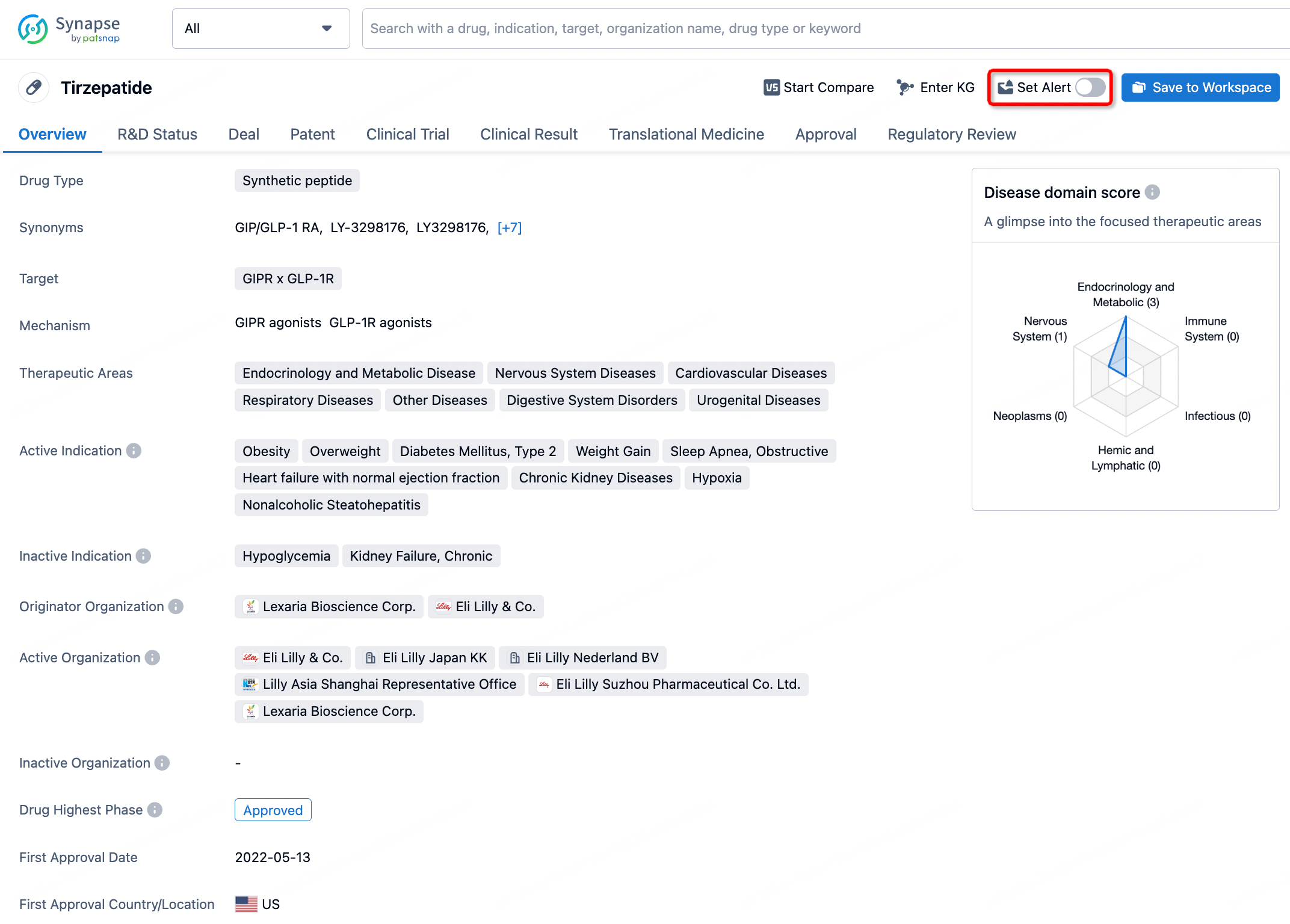
In the Synapse database, you can stay updated on the latest research and development advances of all drugs. This service is accessible anytime and anywhere, with updates available daily or weekly. Use the "Set Alert" function to stay informed. Click on the image below to embark on a brand new journey of drug discovery!


AI Agents Built for Biopharma Breakthroughs
Accelerate discovery. Empower decisions. Transform outcomes.
Get started for free today!
Accelerate Strategic R&D decision making with Synapse, PatSnap’s AI-powered Connected Innovation Intelligence Platform Built for Life Sciences Professionals.
Start your data trial now!
Synapse data is also accessible to external entities via APIs or data packages. Empower better decisions with the latest in pharmaceutical intelligence.