Request Demo
What is Velmanase alfa-tycv used for?
14 June 2024
Velmanase alfa-tycv is a recombinant human alpha-mannosidase developed for the treatment of alpha-mannosidosis, a rare, inherited lysosomal storage disorder. It is marketed under the trade name Lamzede. The enzyme is produced by Chiesi Farmaceutici, an Italian pharmaceutical company focused on advanced therapies for rare diseases. Velmanase alfa-tycv targets the deficiency of the alpha-mannosidase enzyme, which is critical in the breakdown and removal of mannose-rich oligosaccharides. This enzyme deficiency leads to the accumulation of these substances in various tissues, causing progressive damage.
Alpha-mannosidosis is characterized by a wide spectrum of clinical manifestations, including mental retardation, hearing loss, skeletal abnormalities, and immune deficiency. The severity of the condition can range from mild to severe. The development of Velmanase alfa-tycv represents a significant advancement in the management of this disorder, providing a much-needed therapeutic option for patients who previously had limited treatment alternatives. The drug has undergone extensive clinical trials to evaluate its efficacy and safety, with promising results that have led to its approval in several regions.
Velmanase alfa-tycv Mechanism of Action
The mechanism of action of Velmanase alfa-tycv is rooted in its ability to replace the deficient enzyme in patients with alpha-mannosidosis. The recombinant enzyme functions similarly to the naturally occurring alpha-mannosidase, breaking down mannose-rich oligosaccharides into simpler sugars that can be readily metabolized and excreted by the body. By supplementing the missing or deficient enzyme, Velmanase alfa-tycv helps to reduce the pathological accumulation of these oligosaccharides in lysosomes, thereby alleviating the symptoms of the disorder.
Once administered, Velmanase alfa-tycv is taken up by cells through receptor-mediated endocytosis. It is then transported to the lysosomes, where it can exert its enzymatic activity. The therapeutic goal is to restore the normal catabolic pathway of glycoproteins, which in turn helps to stabilize or improve clinical symptoms and prevent further tissue damage. This enzyme replacement therapy has shown to be effective in reducing biomarkers of alpha-mannosidosis, improving cognitive function, and enhancing the overall quality of life for patients.
How to Use Velmanase alfa-tycv
Velmanase alfa-tycv is administered through intravenous infusion. The recommended dosage and frequency of administration are determined by a healthcare professional based on the patient's body weight and overall health condition. Typically, the treatment is given once a week. The infusion process usually takes about 1 to 2 hours, but this can vary depending on the specific needs of the patient and the healthcare setting.
The onset of action for Velmanase alfa-tycv can vary among individuals. Some patients may begin to notice improvements in their symptoms within a few weeks of starting treatment, while others may require several months to observe significant changes. It is essential for patients to adhere to their prescribed treatment regimen and attend regular follow-up appointments with their healthcare provider to monitor their progress and adjust the treatment plan as necessary.
Patients receiving Velmanase alfa-tycv infusions are usually monitored for any adverse reactions during and after the administration. Premedication with antihistamines or corticosteroids may be prescribed to reduce the risk of infusion-related reactions, particularly during the initial doses.
What is Velmanase alfa-tycv Side Effects
As with any medication, Velmanase alfa-tycv can cause side effects, although not everyone will experience them. The most common side effects reported during clinical trials include infusion-related reactions such as fever, chills, headache, nausea, and fatigue. These reactions are usually mild to moderate in severity and can often be managed with premedication and supportive care.
More severe side effects, although less common, can include hypersensitivity reactions. Symptoms of a severe allergic reaction may include rash, itching, swelling of the face or throat, difficulty breathing, and anaphylaxis. Patients experiencing any of these symptoms should seek immediate medical attention.
Velmanase alfa-tycv is contraindicated in patients with known hypersensitivity to the active substance or any of its excipients. It is also not recommended for use during pregnancy unless the potential benefits justify the potential risks to the fetus. Women of childbearing potential should use effective contraception during treatment.
Patients with a history of severe allergic reactions to other enzyme replacement therapies should use Velmanase alfa-tycv with caution and under close medical supervision. It is essential to inform the healthcare provider of any other medical conditions or medications being taken to ensure the safe use of Velmanase alfa-tycv.
What Other Drugs Will Affect Velmanase alfa-tycv
Drug interactions can occur with Velmanase alfa-tycv, although specific interactions have not been extensively studied. It is essential for patients to provide their healthcare provider with a complete list of all medications they are currently taking, including prescription drugs, over-the-counter medications, herbal supplements, and vitamins.
Potential interactions could occur with medications that affect the immune system, such as immunosuppressants or biologics, as they may alter the patient's response to Velmanase alfa-tycv or increase the risk of adverse reactions. Additionally, medications that are administered intravenously should be reviewed to avoid any incompatibilities during the infusion process.
Patients should also inform their healthcare provider if they are receiving any other enzyme replacement therapies or treatments for lysosomal storage disorders, as these could potentially impact the efficacy or safety of Velmanase alfa-tycv.
In conclusion, Velmanase alfa-tycv represents a significant advancement in the treatment of alpha-mannosidosis, offering patients a targeted therapy to address the underlying enzyme deficiency. Understanding its mechanism of action, proper administration, potential side effects, and drug interactions is essential for maximizing the benefits of this therapy while minimizing risks. As with any medical treatment, it is crucial for patients to work closely with their healthcare providers to ensure the safe and effective use of Velmanase alfa-tycv.
Alpha-mannosidosis is characterized by a wide spectrum of clinical manifestations, including mental retardation, hearing loss, skeletal abnormalities, and immune deficiency. The severity of the condition can range from mild to severe. The development of Velmanase alfa-tycv represents a significant advancement in the management of this disorder, providing a much-needed therapeutic option for patients who previously had limited treatment alternatives. The drug has undergone extensive clinical trials to evaluate its efficacy and safety, with promising results that have led to its approval in several regions.
Velmanase alfa-tycv Mechanism of Action
The mechanism of action of Velmanase alfa-tycv is rooted in its ability to replace the deficient enzyme in patients with alpha-mannosidosis. The recombinant enzyme functions similarly to the naturally occurring alpha-mannosidase, breaking down mannose-rich oligosaccharides into simpler sugars that can be readily metabolized and excreted by the body. By supplementing the missing or deficient enzyme, Velmanase alfa-tycv helps to reduce the pathological accumulation of these oligosaccharides in lysosomes, thereby alleviating the symptoms of the disorder.
Once administered, Velmanase alfa-tycv is taken up by cells through receptor-mediated endocytosis. It is then transported to the lysosomes, where it can exert its enzymatic activity. The therapeutic goal is to restore the normal catabolic pathway of glycoproteins, which in turn helps to stabilize or improve clinical symptoms and prevent further tissue damage. This enzyme replacement therapy has shown to be effective in reducing biomarkers of alpha-mannosidosis, improving cognitive function, and enhancing the overall quality of life for patients.
How to Use Velmanase alfa-tycv
Velmanase alfa-tycv is administered through intravenous infusion. The recommended dosage and frequency of administration are determined by a healthcare professional based on the patient's body weight and overall health condition. Typically, the treatment is given once a week. The infusion process usually takes about 1 to 2 hours, but this can vary depending on the specific needs of the patient and the healthcare setting.
The onset of action for Velmanase alfa-tycv can vary among individuals. Some patients may begin to notice improvements in their symptoms within a few weeks of starting treatment, while others may require several months to observe significant changes. It is essential for patients to adhere to their prescribed treatment regimen and attend regular follow-up appointments with their healthcare provider to monitor their progress and adjust the treatment plan as necessary.
Patients receiving Velmanase alfa-tycv infusions are usually monitored for any adverse reactions during and after the administration. Premedication with antihistamines or corticosteroids may be prescribed to reduce the risk of infusion-related reactions, particularly during the initial doses.
What is Velmanase alfa-tycv Side Effects
As with any medication, Velmanase alfa-tycv can cause side effects, although not everyone will experience them. The most common side effects reported during clinical trials include infusion-related reactions such as fever, chills, headache, nausea, and fatigue. These reactions are usually mild to moderate in severity and can often be managed with premedication and supportive care.
More severe side effects, although less common, can include hypersensitivity reactions. Symptoms of a severe allergic reaction may include rash, itching, swelling of the face or throat, difficulty breathing, and anaphylaxis. Patients experiencing any of these symptoms should seek immediate medical attention.
Velmanase alfa-tycv is contraindicated in patients with known hypersensitivity to the active substance or any of its excipients. It is also not recommended for use during pregnancy unless the potential benefits justify the potential risks to the fetus. Women of childbearing potential should use effective contraception during treatment.
Patients with a history of severe allergic reactions to other enzyme replacement therapies should use Velmanase alfa-tycv with caution and under close medical supervision. It is essential to inform the healthcare provider of any other medical conditions or medications being taken to ensure the safe use of Velmanase alfa-tycv.
What Other Drugs Will Affect Velmanase alfa-tycv
Drug interactions can occur with Velmanase alfa-tycv, although specific interactions have not been extensively studied. It is essential for patients to provide their healthcare provider with a complete list of all medications they are currently taking, including prescription drugs, over-the-counter medications, herbal supplements, and vitamins.
Potential interactions could occur with medications that affect the immune system, such as immunosuppressants or biologics, as they may alter the patient's response to Velmanase alfa-tycv or increase the risk of adverse reactions. Additionally, medications that are administered intravenously should be reviewed to avoid any incompatibilities during the infusion process.
Patients should also inform their healthcare provider if they are receiving any other enzyme replacement therapies or treatments for lysosomal storage disorders, as these could potentially impact the efficacy or safety of Velmanase alfa-tycv.
In conclusion, Velmanase alfa-tycv represents a significant advancement in the treatment of alpha-mannosidosis, offering patients a targeted therapy to address the underlying enzyme deficiency. Understanding its mechanism of action, proper administration, potential side effects, and drug interactions is essential for maximizing the benefits of this therapy while minimizing risks. As with any medical treatment, it is crucial for patients to work closely with their healthcare providers to ensure the safe and effective use of Velmanase alfa-tycv.
How to obtain the latest development progress of all drugs?
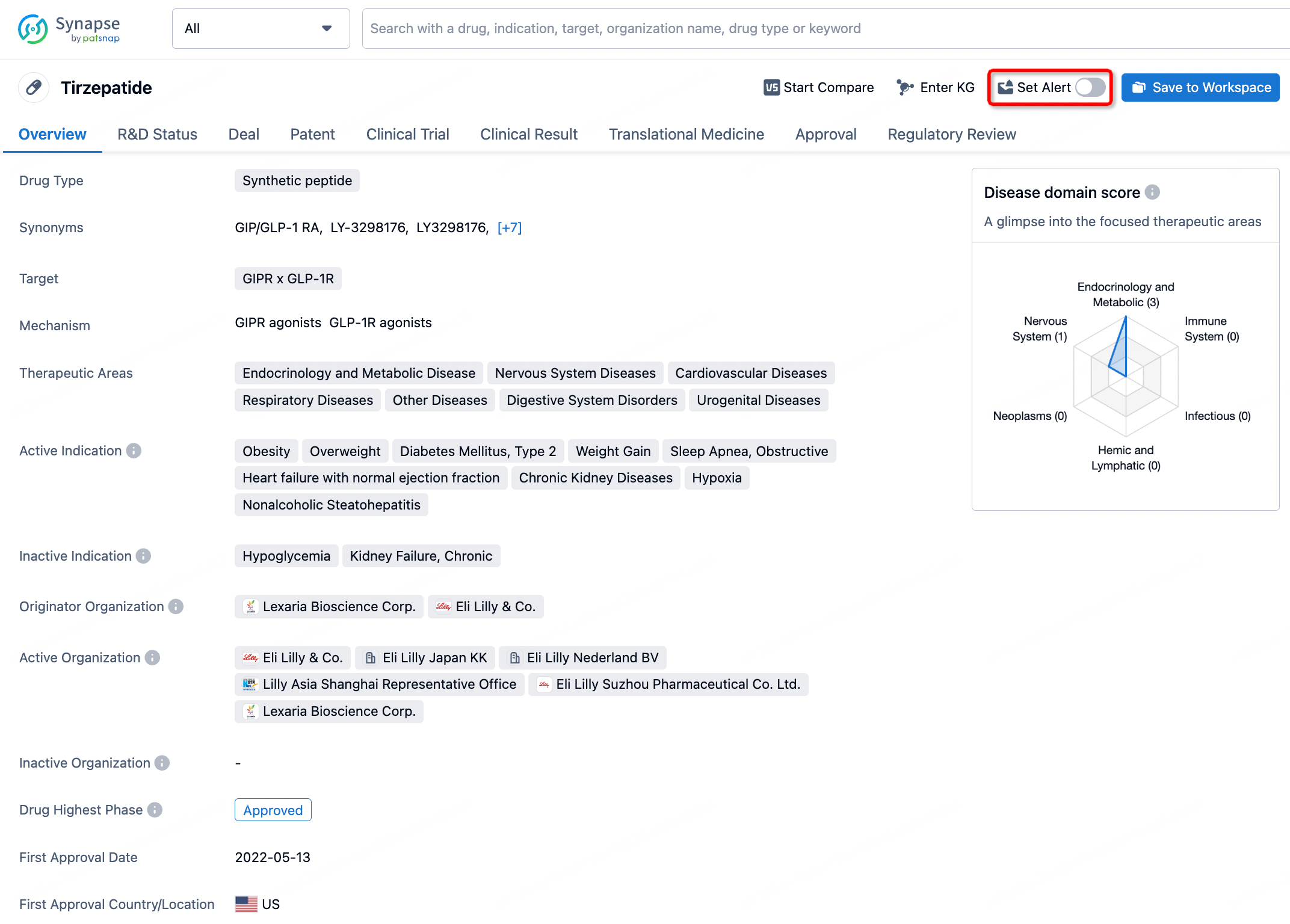
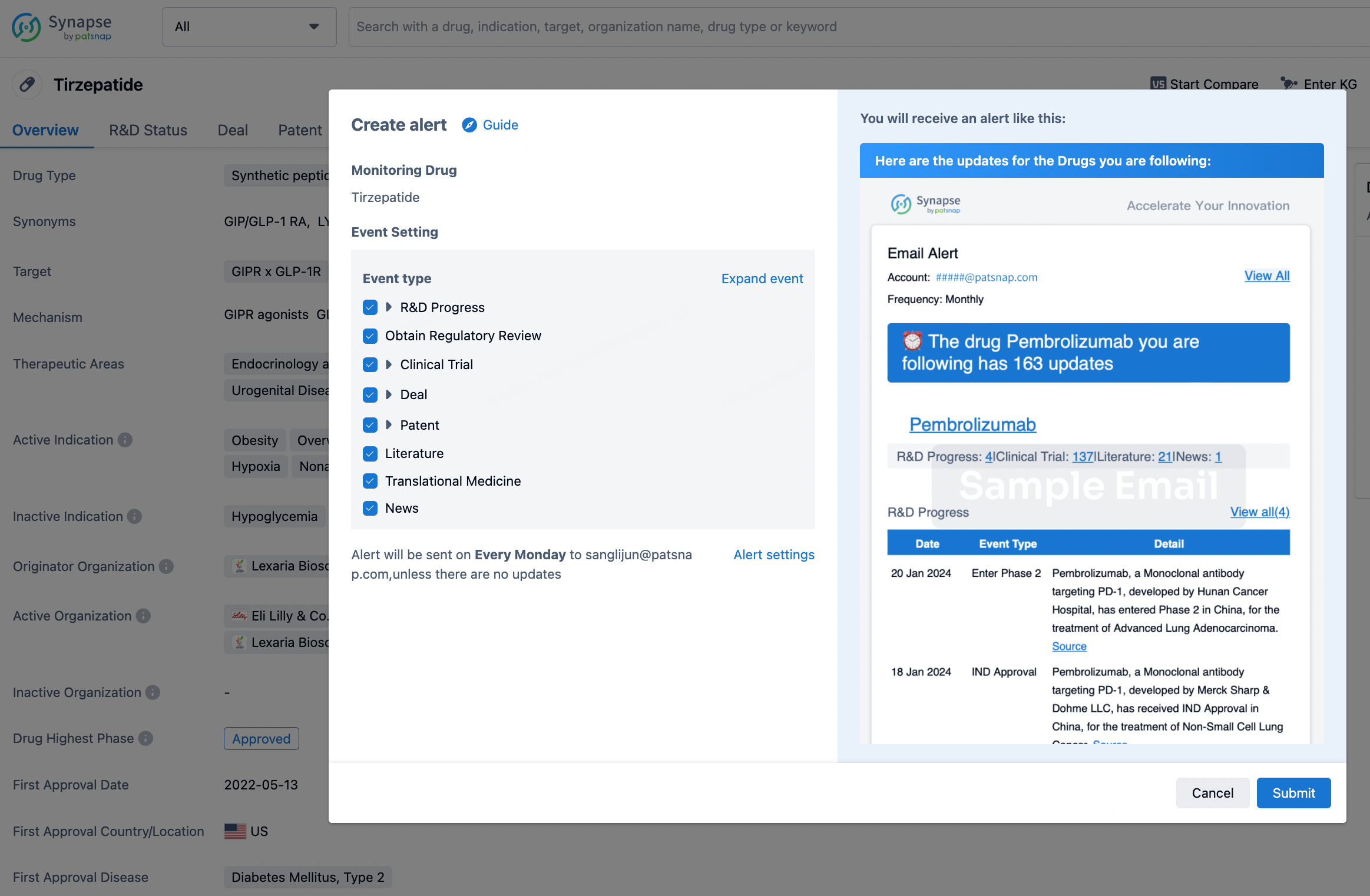
In the Synapse database, you can stay updated on the latest research and development advances of all drugs. This service is accessible anytime and anywhere, with updates available daily or weekly. Use the "Set Alert" function to stay informed. Click on the image below to embark on a brand new journey of drug discovery!
AI Agents Built for Biopharma Breakthroughs
Accelerate discovery. Empower decisions. Transform outcomes.
Get started for free today!
Accelerate Strategic R&D decision making with Synapse, PatSnap’s AI-powered Connected Innovation Intelligence Platform Built for Life Sciences Professionals.
Start your data trial now!
Synapse data is also accessible to external entities via APIs or data packages. Empower better decisions with the latest in pharmaceutical intelligence.