Request Demo
What NPC1L1 inhibitors are in clinical trials currently?
11 March 2025
Introduction to NPC1L1 Inhibitors
NPC1L1 inhibitors are a critical class of compounds designed to target the Niemann-Pick C1-Like 1 (NPC1L1) protein, a key mediator of cholesterol absorption in the intestine. Over the past two decades, the discovery of NPC1L1’s biological function has led to the development of therapies aimed at reducing serum cholesterol levels by limiting the uptake of dietary cholesterol. This class of inhibitors is central to improving cardiovascular outcomes by offering an alternative or adjunct to statin therapy. With ezetimibe being the first and, so far, the only NPC1L1 inhibitor approved for clinical use, several new formulations and combination therapies leveraging its mechanism are under active investigation. Recent clinical trial efforts are focused not only on verifying bioequivalence and safety profiles, but also on better understanding the overall pharmacokinetic behavior when ezetimibe is used in combination with other lipid-lowering or novel agents.
Biological Role of NPC1L1
The NPC1L1 protein is primarily expressed on the brush border of enterocytes in the small intestine and, to a lesser degree, in the liver. Biologically, NPC1L1 plays a pivotal role in the absorption of cholesterol and plant sterols, a process that is finely regulated by cholesterol levels itself. The protein contains a sterol-sensing domain that modulates its localization and function according to available cholesterol. Experimental data have confirmed that by mediating the uptake of cholesterol into cells, NPC1L1 is a crucial determinant of cholesterol homeostasis in the body. This targeted role makes NPC1L1 an attractive target not only for lowering low-density lipoprotein cholesterol (LDL-C) levels but also for potentially modulating downstream atherosclerotic processes.
Importance in Cholesterol Absorption
Cholesterol homeostasis is maintained by a delicate balance between dietary absorption, endogenous synthesis, and excretion. NPC1L1 is integral to the process of intestinal cholesterol absorption, as its inhibition directly reduces the uptake of cholesterol from the gut. In hypercholesterolemic patients, the pharmacological blockade of NPC1L1 results in decreased serum LDL-C, contributing to the reduction in cardiovascular risk. Ezetimibe, a well-known NPC1L1 inhibitor, exemplifies this mechanism by binding to the protein and preventing it from mediating cholesterol uptake, ultimately leading to a significant decrease in circulating cholesterol levels. Its long-term use and effectiveness have been documented extensively, making it the standard reference point for other emerging NPC1L1 inhibitors in clinical trials.
Current NPC1L1 Inhibitors in Clinical Trials
Recent clinical developments have focused on ezetimibe and its various formulations, as well as combination therapies that include ezetimibe as the NPC1L1 inhibitory component. Although ezetimibe is already approved for hypercholesterolemia, current clinical trials are exploring novel aspects of its use and new combination regimens to optimize treatment outcomes. These trials are designed to confirm bioequivalence when ezetimibe is formulated with different statins or other lipid-modifying agents, to examine its effect on novel biomarkers such as gut microbiota, and to explore additional dosing regimens.
Overview of NPC1L1 Inhibitors
At present, the most widely studied NPC1L1 inhibitor in clinical scenarios is ezetimibe. Its established mechanism of action, excellent safety profile, and proven efficacy in lowering cholesterol have led to several bioequivalence and combination therapy studies. The majority of current clinical trials are focused on ensuring that new formulations of ezetimibe—with or without coadministration of other lipid-lowering drugs—are as safe and effective as the original marketed product. Several trials also investigate the interplay between ezetimibe’s inhibition of cholesterol absorption and its subsequent effects on downstream parameters like gut microbiota composition. This approach reflects the need to not only lower LDL-C levels but also to potentially uncover additional mechanisms that could improve overall cardiovascular outcomes.
List and Description of Inhibitors in Trials
In the pipeline of clinical research, two primary areas can be identified regarding NPC1L1 inhibitors:
1. Ezetimibe-Based Combination Formulations:
- Ezetimibe and Atorvastatin Calcium Tablets: Several bioequivalence studies, such as the one described in the trial titled “Bioequivalence study of ezetimibe and atorvastatin calcium tablets (Ⅱ) (10 mg/20 mg) in healthy volunteers”, have been carried out to compare new ezetimibe-atorvastatin fixed dose combinations against the established brand ATOZET®. These studies assess parameters such as pharmacokinetics under fasting and fed conditions, safety, and tolerability while ensuring that the new formulation meets regulatory standards.
- Ezetimibe and Rosuvastatin Calcium Tablets: Similar bioequivalence criteria are applied in different studies evaluating combinations like ezetimibe with rosuvastatin. Trials such as “Bioequivalence study of ezetimibe and rosuvastatin calcium tablets 10 mg/5 mg in healthy subjects under fasting condition” and “Bioequivalence study of rosuvastatin ezetimibe tablets (Ⅰ)” are designed to verify that the new tablet formulation’s absorption and safety profiles are consistent with clinical efficacy expectations.
- Ezetimibe and Simvastatin Tablets: A related clinical trial titled “Bioequivalence study of ezetimibe and simvastatin tablets in Chinese healthy participants” evaluates the bioequivalence of ezetimibe when co-formulated with another statin, simvastatin, further expanding the scope of combination therapies with NPC1L1 inhibition as the cornerstone.
2. Novel Combination and Adjunct Therapies Involving Ezetimibe:
- Combination with AZD0780 and Other Adjunct Agents: A Phase 1 study titled “A Study to Investigate the Pharmacokinetics, Safety, Tolerability, and Efficacy of AZD0780 With Ezetimibe Combinations in Healthy Adults With Elevated LDL-C” explores the combined use of ezetimibe with novel lipid-lowering agents such as AZD0780 alone or in combination with other drugs like rosuvastatin and bempedoic acid. This trial is designed to explore whether synergistic effects between ezetimibe and other compounds can provide additional LDL-C reduction and overall cardiovascular benefit.
- Efficacy and Safety in Fixed Dose Combinations: Another clinical trial, “Efficacy and Safety of Atorvastatin and Ezetimibe (10/10mg) Fixed Dose Combination Versus Atorvastatin (20mg) Monotherapy in Bangladeshi Population,” evaluates the benefits of combining ezetimibe with atorvastatin in a fixed dose format compared to atorvastatin monotherapy. Such studies broaden the scope to include an evaluation of patient-specific factors such as ethnicity and baseline cholesterol levels.
Beyond these active studies with ezetimibe, several patents related to NPC1L1 inhibitors have been filed. Patents discuss compounds, analytical methods, and specific inhibitor designs targeting NPC1L1. However, despite promising preclinical and patent developments, none of these have yet progressed to the extensive clinical trial phase. Their mention in the patent literature underscores ongoing research in this area, but the majority of clinical study data currently available focus on ezetimibe-based interventions.
Clinical Trial Details
The current clinical trials for NPC1L1 inhibitors, almost exclusively centered around ezetimibe, primarily focus on verifying bioequivalence across different formulations, assessing pharmacokinetic profiles, and ensuring safety and tolerability in both fasting and postprandial conditions.
Phases of Clinical Trials
Most of the ezetimibe-based NPC1L1 inhibitor studies are early-phase studies–typically Phase I or Phase I/II clinical trials. The following outlines the typical trial phases reported in available references:
- Phase I Bioequivalence Studies: These studies, such as those evaluating ezetimibe in combination with atorvastatin or rosuvastatin, are designed to compare the pharmacokinetic and pharmacodynamic parameters of the new generic or reformulated products against the branded version. They generally involve healthy volunteers and assess drug absorption, bioavailability, and safety under different conditions (fasting and fed states).
- Phase I/II Combination Studies: In the trial with AZD0780, the combination of ezetimibe with this novel agent is being evaluated in a controlled setting in terms of safety, tolerability, and early efficacy markers such as changes in LDL-C levels and other lipid parameters. These studies often bridge early exploratory safety data with preliminary assessments of clinical efficacy.
Efficacy and Safety Results
The primary goals of these trials are to demonstrate that the new combination products or formulations are bioequivalent to the currently marketed ezetimibe formulations, meaning that they produce similar plasma concentrations, pharmacodynamic effects, and clinical benefits. Key endpoints typically include:
- Pharmacokinetic Parameters: Maximum plasma concentration (Cmax), area under the curve (AUC), time to maximum concentration (Tmax), and half-life to ensure that the new formulation is absorbed in a manner comparable to established products.
- Safety and Tolerability: Adverse event profiles are closely monitored during these trials. The majority of studies report that ezetimibe-based combinations show a similar—or sometimes improved—safety profile compared to standard therapies. These trials assess both general safety parameters and, in some cases, specific endpoints such as the effect on gut microbiota or treatment discontinuation rates.
- Efficacy in Lipid-Lowering: Although the focus in early-phase trials is often on pharmacokinetics and safety, many studies report secondary efficacy endpoints like LDL-C reduction. These trials compare fixed-dose combinations of ezetimibe plus a statin to statin monotherapy, with evidence showing that combination therapies yield an improved reduction in cholesterol levels compared to monotherapy.
The clinical trial designs, generally adopting an open-label, randomized, crossover approach, allow for robust comparisons between different formulations. These studies are often conducted across multiple sites and in different populations (for instance, healthy volunteers in China versus patients with elevated LDL-C). Additionally, the use of both fasting and fed conditions in study design helps capture potential changes in absorption dynamics and bioavailability. Overall, current data indicate that ezetimibe formulations are well-tolerated and effective, consistent with its mode of action as an NPC1L1 inhibitor, while continuously being validated in combination and bioequivalence trials.
Future Directions and Implications
The future of NPC1L1 inhibitors in clinical development looks promising as research continues to refine combination therapy strategies and introduce novel approaches. Given that ezetimibe remains the sole NPC1L1-targeting drug that has completed extensive clinical evaluation, future directions are likely to involve both incremental improvements in formulation and innovative combinations with other lipid-lowering or metabolic agents.
Potential Impact on Treatment
Ezetimibe’s role in reducing cholesterol absorption makes it a cornerstone in managing hypercholesterolemia and thereby reducing cardiovascular risk. The ongoing trials are expected to solidify its position by:
- Optimizing Combination Therapies: By combining ezetimibe with various statins (atorvastatin, rosuvastatin, simvastatin) and potentially novel agents like AZD0780, clinicians aim to achieve greater lipid lowering than could be attained with monotherapy. This is particularly important in cases where conventional therapies have reached a plateau in efficacy.
- Expanding Indications: Some trials are now exploring the broader systemic effects of NPC1L1 inhibition beyond cholesterol lowering, such as its impact on gut microbiota. Investigations into such secondary effects could reveal new therapeutic benefits in managing metabolic syndrome, nonalcoholic fatty liver disease, or even specific cardiovascular conditions.
- Patient-Centric Formulations: The development of fixed dose combinations not only improves adherence by decreasing pill burden but may also allow for tailored dosing regimens that maximize efficacy while minimizing side effects. This approach is likely to lead to more individualized treatment protocols that take into account genetic, demographic, and lifestyle factors.
Challenges and Research Opportunities
Despite the promising landscape, there are several challenges and opportunities in the development of NPC1L1 inhibitors:
- Need for Novel NPC1L1 Inhibitors Beyond Ezetimibe: Although ezetimibe is well characterized, there is an active interest in developing new compounds that target NPC1L1 with potentially different pharmacological profiles, improved bioavailability, or additional ancillary benefits. Patents indicate that innovative compounds and methods for NPC1L1 inhibition are in development. However, advancing these compounds to clinical trial stages remains a challenge due to the rigorous safety and efficacy evaluations required in early human studies.
- Bioequivalence and Regulatory Hurdles: For incremental improvements in combination formulations of ezetimibe, ensuring bioequivalence in diverse populations can be challenging. The variability in pharmacokinetic parameters due to differences in diet, ethnicity, and concomitant medications means that multi-centered studies are essential to generate comprehensive evidence that satisfies regulatory requirements.
- Combination versus Monotherapy: Determining the optimal combination strategy involves complexity because of potential drug-drug interactions and the multi-faceted mechanisms involved in lipid metabolism. Future research needs to provide head-to-head comparisons to establish which combinations yield the best outcomes with the fewest adverse events. Early-phase trial data that focus on these interactions are essential for designing larger, more definitive trials.
- Exploring Long-Term Safety and Efficacy: While most current clinical trials focus on short-term bioequivalence and immediate pharmacokinetic endpoints, the long-term safety and efficacy of these combination therapies will require extended follow-up through Phase III or even post-marketing surveillance studies. There remains a need for clinical programs designed to capture long-term cardiovascular outcomes and potential off-target effects that may only manifest with chronic exposure.
- Understanding Biological Variability: Given that NPC1L1 expression may vary with cholesterol availability and across populations, research should aim to understand which patient subgroups stand to benefit the most from NPC1L1 inhibition. Identifying biomarkers—possibly reflecting intestinal NPC1L1 expression levels or associated metabolic changes—could lead to a more personalized approach in therapy.
- Expanding the Role of NPC1L1 Inhibitors in Metabolic Disorders: Emerging studies suggest that NPC1L1 inhibition may affect not only cholesterol absorption but also the gut microbiota and broader metabolic pathways. This opens new research opportunities to explore whether NPC1L1 inhibitors might have beneficial effects in conditions such as obesity, diabetes, or even nonalcoholic steatohepatitis (NASH). While current trials primarily focus on cholesterol reduction, future studies may expand the application of these agents to other metabolic abnormalities, thereby broadening their clinical utility.
Conclusion
In summary, the landscape of NPC1L1 inhibitors in clinical trials is currently dominated by ezetimibe—an established drug that has been the subject of multiple bioequivalence and combination therapy studies. These clinical trials are investigating various formulations of ezetimibe in combination with statins such as atorvastatin, rosuvastatin, and simvastatin, as well as with novel agents like AZD0780 and bempedoic acid. Clinical research in this area is predominantly taking place in early-phase studies, with a focus on pharmacokinetics, safety, and efficacy under different physiological conditions (e.g., fasting vs. postprandial). The trials employ rigorous designs, often using randomized crossover methods to ensure that new formulations are bioequivalent and well-tolerated compared to established products.
From a broader perspective, these studies not only reaffirm the critical role of NPC1L1 in cholesterol absorption but also pave the way for more innovative therapeutic strategies. Future directions include the development of next-generation NPC1L1 inhibitors as indicated by recent patent filings. The potential impact on treatment is substantial: optimized combination therapies may lead to more significant LDL-C reductions, improved cardiovascular outcomes, and even benefits in metabolic disorders if secondary effects such as modulation of gut microbiota are confirmed.
However, challenges remain: advancing new chemical entities from the preclinical stage to clinical trials, ensuring long-term safety and efficacy, and identifying biomarkers that can help tailor therapy to individual patient needs are all critical research opportunities. Moreover, the need for large, well-designed Phase III clinical trials to validate early-phase findings is evident.
Ultimately, the current clinical trial data emphasize that while ezetimibe remains the main NPC1L1 inhibitor in routine use and ongoing investigation, the evolving research landscape holds promise for broadening the therapeutic arsenal against hypercholesterolemia and related cardiovascular diseases. As innovative formulations and novel combinations are rigorously evaluated in clinical settings, the future of NPC1L1 inhibition appears to be one where precision medicine, improved safety, and enhanced efficacy converge to offer more personalized, effective treatments for patients worldwide.
In conclusion, the current clinical trials on NPC1L1 inhibitors are an exemplar of a general-to-specific-to-general research strategy: beginning with the established mechanism and clinical utility of ezetimibe, focusing on detailed analyses of its combination formulations and bioequivalence studies, and then expanding the perspective to future research opportunities and innovative solutions. This comprehensive approach is essential to overcoming extant challenges and ensuring that advances in NPC1L1 inhibition will optimize patient outcomes in cardiovascular and metabolic diseases.
NPC1L1 inhibitors are a critical class of compounds designed to target the Niemann-Pick C1-Like 1 (NPC1L1) protein, a key mediator of cholesterol absorption in the intestine. Over the past two decades, the discovery of NPC1L1’s biological function has led to the development of therapies aimed at reducing serum cholesterol levels by limiting the uptake of dietary cholesterol. This class of inhibitors is central to improving cardiovascular outcomes by offering an alternative or adjunct to statin therapy. With ezetimibe being the first and, so far, the only NPC1L1 inhibitor approved for clinical use, several new formulations and combination therapies leveraging its mechanism are under active investigation. Recent clinical trial efforts are focused not only on verifying bioequivalence and safety profiles, but also on better understanding the overall pharmacokinetic behavior when ezetimibe is used in combination with other lipid-lowering or novel agents.
Biological Role of NPC1L1
The NPC1L1 protein is primarily expressed on the brush border of enterocytes in the small intestine and, to a lesser degree, in the liver. Biologically, NPC1L1 plays a pivotal role in the absorption of cholesterol and plant sterols, a process that is finely regulated by cholesterol levels itself. The protein contains a sterol-sensing domain that modulates its localization and function according to available cholesterol. Experimental data have confirmed that by mediating the uptake of cholesterol into cells, NPC1L1 is a crucial determinant of cholesterol homeostasis in the body. This targeted role makes NPC1L1 an attractive target not only for lowering low-density lipoprotein cholesterol (LDL-C) levels but also for potentially modulating downstream atherosclerotic processes.
Importance in Cholesterol Absorption
Cholesterol homeostasis is maintained by a delicate balance between dietary absorption, endogenous synthesis, and excretion. NPC1L1 is integral to the process of intestinal cholesterol absorption, as its inhibition directly reduces the uptake of cholesterol from the gut. In hypercholesterolemic patients, the pharmacological blockade of NPC1L1 results in decreased serum LDL-C, contributing to the reduction in cardiovascular risk. Ezetimibe, a well-known NPC1L1 inhibitor, exemplifies this mechanism by binding to the protein and preventing it from mediating cholesterol uptake, ultimately leading to a significant decrease in circulating cholesterol levels. Its long-term use and effectiveness have been documented extensively, making it the standard reference point for other emerging NPC1L1 inhibitors in clinical trials.
Current NPC1L1 Inhibitors in Clinical Trials
Recent clinical developments have focused on ezetimibe and its various formulations, as well as combination therapies that include ezetimibe as the NPC1L1 inhibitory component. Although ezetimibe is already approved for hypercholesterolemia, current clinical trials are exploring novel aspects of its use and new combination regimens to optimize treatment outcomes. These trials are designed to confirm bioequivalence when ezetimibe is formulated with different statins or other lipid-modifying agents, to examine its effect on novel biomarkers such as gut microbiota, and to explore additional dosing regimens.
Overview of NPC1L1 Inhibitors
At present, the most widely studied NPC1L1 inhibitor in clinical scenarios is ezetimibe. Its established mechanism of action, excellent safety profile, and proven efficacy in lowering cholesterol have led to several bioequivalence and combination therapy studies. The majority of current clinical trials are focused on ensuring that new formulations of ezetimibe—with or without coadministration of other lipid-lowering drugs—are as safe and effective as the original marketed product. Several trials also investigate the interplay between ezetimibe’s inhibition of cholesterol absorption and its subsequent effects on downstream parameters like gut microbiota composition. This approach reflects the need to not only lower LDL-C levels but also to potentially uncover additional mechanisms that could improve overall cardiovascular outcomes.
List and Description of Inhibitors in Trials
In the pipeline of clinical research, two primary areas can be identified regarding NPC1L1 inhibitors:
1. Ezetimibe-Based Combination Formulations:
- Ezetimibe and Atorvastatin Calcium Tablets: Several bioequivalence studies, such as the one described in the trial titled “Bioequivalence study of ezetimibe and atorvastatin calcium tablets (Ⅱ) (10 mg/20 mg) in healthy volunteers”, have been carried out to compare new ezetimibe-atorvastatin fixed dose combinations against the established brand ATOZET®. These studies assess parameters such as pharmacokinetics under fasting and fed conditions, safety, and tolerability while ensuring that the new formulation meets regulatory standards.
- Ezetimibe and Rosuvastatin Calcium Tablets: Similar bioequivalence criteria are applied in different studies evaluating combinations like ezetimibe with rosuvastatin. Trials such as “Bioequivalence study of ezetimibe and rosuvastatin calcium tablets 10 mg/5 mg in healthy subjects under fasting condition” and “Bioequivalence study of rosuvastatin ezetimibe tablets (Ⅰ)” are designed to verify that the new tablet formulation’s absorption and safety profiles are consistent with clinical efficacy expectations.
- Ezetimibe and Simvastatin Tablets: A related clinical trial titled “Bioequivalence study of ezetimibe and simvastatin tablets in Chinese healthy participants” evaluates the bioequivalence of ezetimibe when co-formulated with another statin, simvastatin, further expanding the scope of combination therapies with NPC1L1 inhibition as the cornerstone.
2. Novel Combination and Adjunct Therapies Involving Ezetimibe:
- Combination with AZD0780 and Other Adjunct Agents: A Phase 1 study titled “A Study to Investigate the Pharmacokinetics, Safety, Tolerability, and Efficacy of AZD0780 With Ezetimibe Combinations in Healthy Adults With Elevated LDL-C” explores the combined use of ezetimibe with novel lipid-lowering agents such as AZD0780 alone or in combination with other drugs like rosuvastatin and bempedoic acid. This trial is designed to explore whether synergistic effects between ezetimibe and other compounds can provide additional LDL-C reduction and overall cardiovascular benefit.
- Efficacy and Safety in Fixed Dose Combinations: Another clinical trial, “Efficacy and Safety of Atorvastatin and Ezetimibe (10/10mg) Fixed Dose Combination Versus Atorvastatin (20mg) Monotherapy in Bangladeshi Population,” evaluates the benefits of combining ezetimibe with atorvastatin in a fixed dose format compared to atorvastatin monotherapy. Such studies broaden the scope to include an evaluation of patient-specific factors such as ethnicity and baseline cholesterol levels.
Beyond these active studies with ezetimibe, several patents related to NPC1L1 inhibitors have been filed. Patents discuss compounds, analytical methods, and specific inhibitor designs targeting NPC1L1. However, despite promising preclinical and patent developments, none of these have yet progressed to the extensive clinical trial phase. Their mention in the patent literature underscores ongoing research in this area, but the majority of clinical study data currently available focus on ezetimibe-based interventions.
Clinical Trial Details
The current clinical trials for NPC1L1 inhibitors, almost exclusively centered around ezetimibe, primarily focus on verifying bioequivalence across different formulations, assessing pharmacokinetic profiles, and ensuring safety and tolerability in both fasting and postprandial conditions.
Phases of Clinical Trials
Most of the ezetimibe-based NPC1L1 inhibitor studies are early-phase studies–typically Phase I or Phase I/II clinical trials. The following outlines the typical trial phases reported in available references:
- Phase I Bioequivalence Studies: These studies, such as those evaluating ezetimibe in combination with atorvastatin or rosuvastatin, are designed to compare the pharmacokinetic and pharmacodynamic parameters of the new generic or reformulated products against the branded version. They generally involve healthy volunteers and assess drug absorption, bioavailability, and safety under different conditions (fasting and fed states).
- Phase I/II Combination Studies: In the trial with AZD0780, the combination of ezetimibe with this novel agent is being evaluated in a controlled setting in terms of safety, tolerability, and early efficacy markers such as changes in LDL-C levels and other lipid parameters. These studies often bridge early exploratory safety data with preliminary assessments of clinical efficacy.
Efficacy and Safety Results
The primary goals of these trials are to demonstrate that the new combination products or formulations are bioequivalent to the currently marketed ezetimibe formulations, meaning that they produce similar plasma concentrations, pharmacodynamic effects, and clinical benefits. Key endpoints typically include:
- Pharmacokinetic Parameters: Maximum plasma concentration (Cmax), area under the curve (AUC), time to maximum concentration (Tmax), and half-life to ensure that the new formulation is absorbed in a manner comparable to established products.
- Safety and Tolerability: Adverse event profiles are closely monitored during these trials. The majority of studies report that ezetimibe-based combinations show a similar—or sometimes improved—safety profile compared to standard therapies. These trials assess both general safety parameters and, in some cases, specific endpoints such as the effect on gut microbiota or treatment discontinuation rates.
- Efficacy in Lipid-Lowering: Although the focus in early-phase trials is often on pharmacokinetics and safety, many studies report secondary efficacy endpoints like LDL-C reduction. These trials compare fixed-dose combinations of ezetimibe plus a statin to statin monotherapy, with evidence showing that combination therapies yield an improved reduction in cholesterol levels compared to monotherapy.
The clinical trial designs, generally adopting an open-label, randomized, crossover approach, allow for robust comparisons between different formulations. These studies are often conducted across multiple sites and in different populations (for instance, healthy volunteers in China versus patients with elevated LDL-C). Additionally, the use of both fasting and fed conditions in study design helps capture potential changes in absorption dynamics and bioavailability. Overall, current data indicate that ezetimibe formulations are well-tolerated and effective, consistent with its mode of action as an NPC1L1 inhibitor, while continuously being validated in combination and bioequivalence trials.
Future Directions and Implications
The future of NPC1L1 inhibitors in clinical development looks promising as research continues to refine combination therapy strategies and introduce novel approaches. Given that ezetimibe remains the sole NPC1L1-targeting drug that has completed extensive clinical evaluation, future directions are likely to involve both incremental improvements in formulation and innovative combinations with other lipid-lowering or metabolic agents.
Potential Impact on Treatment
Ezetimibe’s role in reducing cholesterol absorption makes it a cornerstone in managing hypercholesterolemia and thereby reducing cardiovascular risk. The ongoing trials are expected to solidify its position by:
- Optimizing Combination Therapies: By combining ezetimibe with various statins (atorvastatin, rosuvastatin, simvastatin) and potentially novel agents like AZD0780, clinicians aim to achieve greater lipid lowering than could be attained with monotherapy. This is particularly important in cases where conventional therapies have reached a plateau in efficacy.
- Expanding Indications: Some trials are now exploring the broader systemic effects of NPC1L1 inhibition beyond cholesterol lowering, such as its impact on gut microbiota. Investigations into such secondary effects could reveal new therapeutic benefits in managing metabolic syndrome, nonalcoholic fatty liver disease, or even specific cardiovascular conditions.
- Patient-Centric Formulations: The development of fixed dose combinations not only improves adherence by decreasing pill burden but may also allow for tailored dosing regimens that maximize efficacy while minimizing side effects. This approach is likely to lead to more individualized treatment protocols that take into account genetic, demographic, and lifestyle factors.
Challenges and Research Opportunities
Despite the promising landscape, there are several challenges and opportunities in the development of NPC1L1 inhibitors:
- Need for Novel NPC1L1 Inhibitors Beyond Ezetimibe: Although ezetimibe is well characterized, there is an active interest in developing new compounds that target NPC1L1 with potentially different pharmacological profiles, improved bioavailability, or additional ancillary benefits. Patents indicate that innovative compounds and methods for NPC1L1 inhibition are in development. However, advancing these compounds to clinical trial stages remains a challenge due to the rigorous safety and efficacy evaluations required in early human studies.
- Bioequivalence and Regulatory Hurdles: For incremental improvements in combination formulations of ezetimibe, ensuring bioequivalence in diverse populations can be challenging. The variability in pharmacokinetic parameters due to differences in diet, ethnicity, and concomitant medications means that multi-centered studies are essential to generate comprehensive evidence that satisfies regulatory requirements.
- Combination versus Monotherapy: Determining the optimal combination strategy involves complexity because of potential drug-drug interactions and the multi-faceted mechanisms involved in lipid metabolism. Future research needs to provide head-to-head comparisons to establish which combinations yield the best outcomes with the fewest adverse events. Early-phase trial data that focus on these interactions are essential for designing larger, more definitive trials.
- Exploring Long-Term Safety and Efficacy: While most current clinical trials focus on short-term bioequivalence and immediate pharmacokinetic endpoints, the long-term safety and efficacy of these combination therapies will require extended follow-up through Phase III or even post-marketing surveillance studies. There remains a need for clinical programs designed to capture long-term cardiovascular outcomes and potential off-target effects that may only manifest with chronic exposure.
- Understanding Biological Variability: Given that NPC1L1 expression may vary with cholesterol availability and across populations, research should aim to understand which patient subgroups stand to benefit the most from NPC1L1 inhibition. Identifying biomarkers—possibly reflecting intestinal NPC1L1 expression levels or associated metabolic changes—could lead to a more personalized approach in therapy.
- Expanding the Role of NPC1L1 Inhibitors in Metabolic Disorders: Emerging studies suggest that NPC1L1 inhibition may affect not only cholesterol absorption but also the gut microbiota and broader metabolic pathways. This opens new research opportunities to explore whether NPC1L1 inhibitors might have beneficial effects in conditions such as obesity, diabetes, or even nonalcoholic steatohepatitis (NASH). While current trials primarily focus on cholesterol reduction, future studies may expand the application of these agents to other metabolic abnormalities, thereby broadening their clinical utility.
Conclusion
In summary, the landscape of NPC1L1 inhibitors in clinical trials is currently dominated by ezetimibe—an established drug that has been the subject of multiple bioequivalence and combination therapy studies. These clinical trials are investigating various formulations of ezetimibe in combination with statins such as atorvastatin, rosuvastatin, and simvastatin, as well as with novel agents like AZD0780 and bempedoic acid. Clinical research in this area is predominantly taking place in early-phase studies, with a focus on pharmacokinetics, safety, and efficacy under different physiological conditions (e.g., fasting vs. postprandial). The trials employ rigorous designs, often using randomized crossover methods to ensure that new formulations are bioequivalent and well-tolerated compared to established products.
From a broader perspective, these studies not only reaffirm the critical role of NPC1L1 in cholesterol absorption but also pave the way for more innovative therapeutic strategies. Future directions include the development of next-generation NPC1L1 inhibitors as indicated by recent patent filings. The potential impact on treatment is substantial: optimized combination therapies may lead to more significant LDL-C reductions, improved cardiovascular outcomes, and even benefits in metabolic disorders if secondary effects such as modulation of gut microbiota are confirmed.
However, challenges remain: advancing new chemical entities from the preclinical stage to clinical trials, ensuring long-term safety and efficacy, and identifying biomarkers that can help tailor therapy to individual patient needs are all critical research opportunities. Moreover, the need for large, well-designed Phase III clinical trials to validate early-phase findings is evident.
Ultimately, the current clinical trial data emphasize that while ezetimibe remains the main NPC1L1 inhibitor in routine use and ongoing investigation, the evolving research landscape holds promise for broadening the therapeutic arsenal against hypercholesterolemia and related cardiovascular diseases. As innovative formulations and novel combinations are rigorously evaluated in clinical settings, the future of NPC1L1 inhibition appears to be one where precision medicine, improved safety, and enhanced efficacy converge to offer more personalized, effective treatments for patients worldwide.
In conclusion, the current clinical trials on NPC1L1 inhibitors are an exemplar of a general-to-specific-to-general research strategy: beginning with the established mechanism and clinical utility of ezetimibe, focusing on detailed analyses of its combination formulations and bioequivalence studies, and then expanding the perspective to future research opportunities and innovative solutions. This comprehensive approach is essential to overcoming extant challenges and ensuring that advances in NPC1L1 inhibition will optimize patient outcomes in cardiovascular and metabolic diseases.
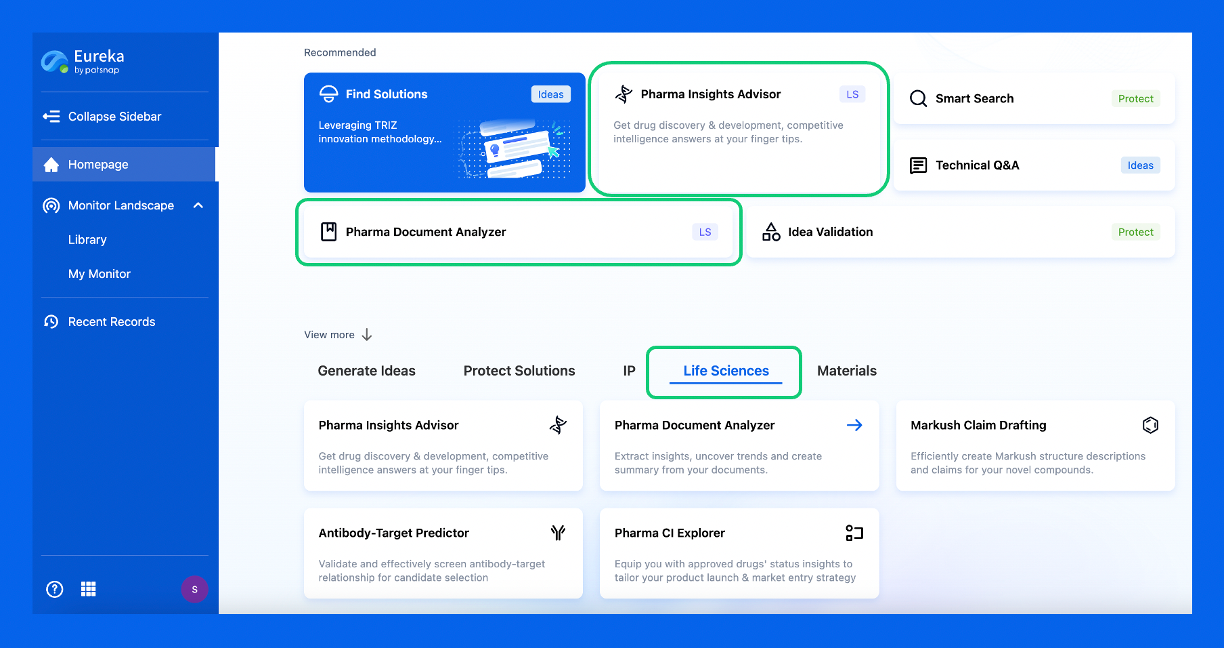
Discover Eureka LS: AI Agents Built for Biopharma Efficiency
Stop wasting time on biopharma busywork. Meet Eureka LS - your AI agent squad for drug discovery.
▶ See how 50+ research teams saved 300+ hours/month
From reducing screening time to simplifying Markush drafting, our AI Agents are ready to deliver immediate value. Explore Eureka LS today and unlock powerful capabilities that help you innovate with confidence.
AI Agents Built for Biopharma Breakthroughs
Accelerate discovery. Empower decisions. Transform outcomes.
Get started for free today!
Accelerate Strategic R&D decision making with Synapse, PatSnap’s AI-powered Connected Innovation Intelligence Platform Built for Life Sciences Professionals.
Start your data trial now!
Synapse data is also accessible to external entities via APIs or data packages. Empower better decisions with the latest in pharmaceutical intelligence.