Request Demo
What's the latest update on the ongoing clinical trials related to CLDN18.2?
20 March 2025
Introduction to CLDN18.2
Definition and Function
Claudin 18.2 (CLDN18.2) is a specific isoform of the claudin family of transmembrane proteins, which are essential structural components of epithelial tight junctions that regulate paracellular permeability and maintain cell polarity. Under normal physiological conditions, CLDN18.2 expression is strictly confined to differentiated gastric mucosal epithelial cells, where it plays a key role in maintaining the barrier function of the stomach by preventing the leakage of gastric acid and other molecules through paracellular pathways. Its localization in the tight junctions under normal circumstances typically makes the extracellular epitopes hidden from circulating antibodies. However, when the normal tissue undergoes malignant transformation, disruptions in cell polarity and destabilization of intercellular junctions occur, leading to the exposure of CLDN18.2 epitopes on the surface of tumor cells. This phenomenon creates a unique opportunity for therapeutic exploitation, as the aberrant surface expression in cancer cells contrasts with its restricted expression in healthy tissues, thereby providing a favorable therapeutic window.
Role in Cancer
Due to the distinct expression pattern of CLDN18.2 in malignant tissues, particularly in gastric and pancreatic cancers, it has rapidly emerged as a compelling target for immunotherapies. In several cancer types—including gastric, esophageal, pancreatic, and even a subset of lung and ovarian cancers—the exposure of CLDN18.2 on the tumor cell surface facilitates the targeted action of monoclonal antibodies and other immune-based interventions. The clinical relevance of this target is underscored by its selective overexpression in tumors relative to normal tissue, making it an attractive biomarker not only for patient selection but also for prognostic evaluation. The therapeutic rationale is built on its capacity to mediate immune-effector mechanisms such as antibody-dependent cellular cytotoxicity (ADCC) and complement-dependent cytotoxicity (CDC), which can help eradicate tumor cells while sparing normal tissues. Moreover, the ongoing clinical research and advancements in molecular imaging have further established CLDN18.2 as a viable target for both diagnostic and therapeutic strategies in oncology.
Overview of CLDN18.2 Clinical Trials
Types of Trials
Clinical trials targeting CLDN18.2 encompass a broad spectrum of therapeutic modalities. Early-phase clinical studies have primarily focused on monoclonal antibodies, with several trials evaluating the efficacy of agents like zolbetuximab—an anti-CLDN18.2 chimeric IgG1 antibody—that have progressed to Phase II and even pivotal Phase III trials. In addition, innovative platforms such as CAR T cell therapies targeting CLDN18.2 have advanced into early-phase clinical testing, aiming to harness the precision of cellular immunotherapy for solid tumors. Other therapeutic approaches include antibody–drug conjugates (ADCs), bispecific antibodies, and even novel mRNA-encoded antibody therapeutics such as BNT141, which utilizes lipid nanoparticle formulations for improved pharmacokinetic profiles. Furthermore, combination strategies are under investigation where CLDN18.2-targeted agents are administered alongside chemotherapies—for example, combinations with CAPOX (capecitabine plus oxaliplatin) have been explored in clinical trials—as well as in conjunction with immunomodulatory molecules, enhancing the overall anti-tumor immune response.
Beyond these primary modalities, some trials are evaluating the potential of molecular imaging probes and novel detection strategies to accurately assess CLDN18.2 expression, ultimately enhancing patient selection for targeted therapy. Overall, the diverse array of trial types reflects the multifaceted approach adopted by researchers and clinicians in leveraging CLDN18.2 both as a diagnostic marker and an actionable therapeutic target.
Key Players and Institutions
The rapidly expanding body of clinical research on CLDN18.2 has drawn the collaboration of several prominent biopharmaceutical companies, academic research institutions, and clinical centers worldwide. Notably, Astellas Pharma has been at the forefront in the development of zolbetuximab, conducting pivotal Phase II and Phase III trials such as the SPOTLIGHT and GLOW studies. Other key players include Triumvira Immunologics, which is exploring novel cell therapies targeting this antigen, and companies like Leap Therapeutics and BioNTech, which are investigating alternative modalities including ADCs and mRNA-based therapeutic constructs. Major institutions and academic centers across Europe, North America, and Asia are actively involved in these clinical investigations, ensuring that data generated are robust and reflective of diverse patient populations. In addition, collaborative consortia and multi-center trial networks have been established to optimize patient recruitment and standardize biomarker assessment protocols, further supporting the clinical development efforts targeting CLDN18.2.
Recent Developments in Clinical Trials
Latest Results and Findings
Over recent years, the clinical landscape for CLDN18.2-targeted therapies has evolved significantly, with several ongoing studies reporting encouraging data from early-phase trials alongside pivotal results from later-phase studies.
One of the most notable developments is within the trials evaluating zolbetuximab. The SPOTLIGHT and GLOW Phase III studies have demonstrated statistically significant improvements in progression-free survival (PFS) and overall survival (OS) when zolbetuximab is combined with chemotherapy regimens such as FOLFOX and CAPOX in patients with CLDN18.2-positive, HER2-negative advanced gastric or gastroesophageal junction (GEJ) cancers. In the SPOTLIGHT trial, patients experienced an OS benefit of approximately 2.7 months and PFS improvements around 1.9 months relative to control arms, highlighting the clinical potential of targeting CLDN18.2. Although these trials have largely focused on established therapy combinations, the robust efficacy signals have set a new benchmark for subsequent follow-on candidates.
Parallel to antibody-based approaches, early-phase studies of novel agents such as ZL-1211 are underway. ZL-1211, an anti-CLDN18.2 therapeutic antibody, is currently being evaluated in a Phase I clinical trial (NCT05065710) where its ability to target both high and low levels of CLDN18.2 expression in gastric cancers is being assessed. Initial reports have indicated that ZL-1211 not only binds to CLDN18.2 but may also enhance natural killer (NK) cell activation and promote robust inflammatory responses within the tumor microenvironment, thereby potentially broadening its therapeutic benefit beyond the patient populations eligible for zolbetuximab.
In addition, there is promising progress with novel mRNA-based modalities. BNT141, a nucleoside-modified mRNA therapeutic encoding a CLDN18.2-targeting antibody (IMAB362/Zolbetuximab), formulated in lipid nanoparticles, has recently entered clinical evaluation in a Phase 1/2 trial (NCT04683939). Preclinical studies have demonstrated that BNT141 exhibits a stable pharmacokinetic profile, mediates effective tumor cell lysis via ADCC and CDC mechanisms comparable to the recombinant protein, and effectively inhibits tumor growth in xenograft models. These findings offer a glimpse into the potential of using mRNA platforms to deliver targeted immunotherapies in a more controllable and scalable manner.
CAR T cell therapies targeting CLDN18.2 have also advanced into clinical testing, with early-phase trials reporting encouraging anti-tumor activity in heavily pre-treated gastric cancer patients. For instance, initial studies have shown that CLDN18.2-directed CAR T cells can achieve disease control rates of up to 75% and overall response rates exceeding 50% in some cohorts, while maintaining a favorable safety profile with manageable hematologic toxicities. These trials not only demonstrate the feasibility of cellular immunotherapy in solid tumors—which historically have been challenging—but also underscore the potential of harnessing immune effector cells for precise tumor targeting in CLDN18.2-positive cancers.
Another noteworthy update comes from the clinical investigation of Osemitamab (TST001). A Phase I/II expansion study reported on April 21, 2023, indicated that 64 patients were dosed with Osemitamab in combination with CAPOX. In this trial, patients were selected based on CLDN18.2 positivity (defined by immunohistochemistry [IHC] thresholds such as ≥10% membrane staining with at least 1+ intensity), resulting in approximately 55% of the screened population being eligible. With a median follow-up of 195 days, the study reported a manageable safety profile characterized by primarily grade 1–2 adverse events such as nausea and vomiting, and an estimated median progression-free survival (PFS) of 9.5 months. These outcomes underscore that CLDN18.2-targeted therapies can offer significant clinical benefit when properly integrated within combination regimens.
Finally, additional clinical investigations are examining the potential of multi-targeted or combination treatment approaches. For instance, clinical trials exploring the combination of CLDN18.2 antibodies with immunotherapy agents, such as immune checkpoint inhibitors, are ongoing. The ILUSTRO study (NCT03505320) is one such example, aiming to evaluate whether the synergistic effects of targeting CLDN18.2 along with immune modulation can further enhance clinical outcomes in advanced gastric or GEJ cancer patients. These trials reflect a trend towards personalized combination therapies that integrate targeted antibodies, cytotoxic drugs, and immune modulators for maximal anti-tumor efficacy.
Challenges Faced
Despite these exciting advances, the clinical development of CLDN18.2-targeted therapies is not without challenges. A central issue is the heterogeneity in CLDN18.2 expression across different tumors, even within the same histologic subtype, which complicates patient selection and necessitates standardized, reproducible diagnostic assays. Various studies have employed different IHC cut-off values and detection methodologies, leading to discrepancies in patient eligibility and response rates; this is particularly evident in trials where differences in defining “CLDN18.2-positive” status have resulted in variable clinical outcomes.
Another challenge is the potential for on-target off-tumor toxicity. Although the restricted normal tissue expression of CLDN18.2 usually limits adverse effects, treatment-related gastrointestinal side effects such as nausea and vomiting have been consistently observed in several studies, including those investigating zolbetuximab and Osemitamab. Managing these adverse events while ensuring sustained anti-tumor activity remains a key focus for continuing clinical development.
Resistance mechanisms also pose a significant hurdle. Not all patients with CLDN18.2-positive tumors respond to targeted therapies, suggesting that tumor-intrinsic factors, such as loss of antigen expression or alterations in the tumor microenvironment, may contribute to primary or acquired resistance. This has driven research into combination strategies that not only target CLDN18.2 but also modulate the immune microenvironment or inhibit complementary signaling pathways to overcome resistance and enhance efficacy.
Finally, logistical issues in clinical trial execution—including patient enrollment, especially in the context of heterogeneous biomarker expression and the need for invasive biopsies—remain challenging. The integration of non-invasive molecular imaging techniques and liquid biopsy approaches is being explored to mitigate these challenges and provide dynamic, real-time assessment of CLDN18.2 expression across multiple tumor sites.
Implications and Future Directions
Impact on Cancer Treatment
The successful clinical translation of CLDN18.2-targeted therapies would represent a paradigm shift in the treatment of gastrointestinal cancers, particularly gastric and GEJ cancers. By establishing CLDN18.2 as a validated therapeutic target, ongoing clinical trials are paving the way for the integration of precision oncology into standard care protocols. The recent Phase III data from studies like SPOTLIGHT and GLOW have already set a new benchmark for survival outcomes in CLDN18.2-positive patient populations, potentially transforming the treatment landscape for a substantial subset of patients who previously had limited targeted treatment options.
Beyond the direct survival benefits, the impact of these therapies extends to quality of life improvements. By specifically targeting tumor cells while sparing most normal tissues, CLDN18.2-directed therapies can potentially limit the systemic toxicities associated with conventional chemotherapy. This organ-sparing characteristic translates into better tolerability profiles, which is critically important in patients with advanced disease who are already burdened by the adverse effects of current treatment regimens.
Furthermore, the development of diverse therapeutic modalities—ranging from monoclonal antibodies and ADCs to CAR T cells and mRNA-encoded constructs—allows for tailored approaches that can be optimized based on individual tumor biology and patient characteristics. This differentiated approach not only enhances the probability of achieving durable responses but also opens avenues for combination regimens that synergistically improve treatment outcomes. The integration of these novel agents with immunomodulatory therapies holds promise for eliciting multi-pronged anti-tumor responses, ultimately leading to improved survival rates and reduced recurrence.
Future Research and Development
Looking ahead, several key areas are set to shape the future of CLDN18.2-targeted clinical research:
1. Standardization of Diagnostic Assays:
One of the foremost priorities is improving and standardizing the assays used to detect CLDN18.2 expression. As noted, variations in immunohistochemistry protocols and cut-off thresholds have contributed to heterogeneity in clinical trial outcomes. Future efforts should focus on the development of robust, reproducible diagnostic platforms—potentially incorporating non-invasive techniques such as molecular imaging or liquid biopsies—to more accurately identify eligible patients and monitor treatment response dynamically.
2. Combination Therapy Strategies:
While monotherapy with CLDN18.2-targeting agents has demonstrated clinical benefit, combining these agents with chemotherapy, immunotherapeutics, or targeted inhibitors could further enhance treatment efficacy. Ongoing trials, such as the ILUSTRO study and those evaluating ZL-1211 in combination with chemotherapeutic agents, will be critical in determining optimal combination strategies that maximize anti-tumor activity while managing toxicity.
Future research must also explore the molecular underpinnings of resistance to CLDN18.2-targeted therapies and develop rational combination regimens aimed at counteracting these resistance mechanisms. The integration of agents that modulate the tumor microenvironment, improve antigen presentation, or inhibit compensatory signaling pathways could be key to overcoming therapeutic resistance.
3. Development of Next-Generation Therapeutic Modalities:
The evolution of therapeutic technologies offers promising avenues for next-generation treatments. The mRNA-based approach exemplified by BNT141, which encodes a CLDN18.2-targeting antibody, represents an innovative strategy that could offer rapid, scalable production and improved pharmacokinetic stability. Similarly, ongoing advances in CAR T cell engineering hold the potential to develop more potent and persistent cellular therapies with an improved safety profile for solid tumors.
Additionally, bispecific antibodies that simultaneously target CLDN18.2 and other immunomodulatory receptors (such as CD3) are being explored to redirect T cells to tumor sites more efficiently, thereby enhancing immune-mediated tumor lysis. Continued innovation in these areas is expected to generate a new generation of precision oncology treatments that can be tailored to the unique biology of individual tumors.
4. Expanding Therapeutic Indications:
Although gastric and GEJ cancers remain the primary focus, emerging evidence indicates that CLDN18.2 is also aberrantly expressed in other malignancies such as pancreatic, esophageal, and even subsets of lung and ovarian cancers. Expanding the evaluation of CLDN18.2-targeted therapies to these indications could significantly broaden the patient population that might benefit from these treatments. Future clinical trials will likely focus on these additional cancer types, incorporating novel trial designs and biomarker analyses to identify responsive subgroups accurately.
5. Advanced Clinical Trial Designs:
The challenge of conducting rigorous clinical trials in the context of targeted therapies necessitates innovative trial designs. Adaptive trial designs, basket trials, and N-of-1 trials are emerging as viable strategies to accelerate the evaluation of therapeutic efficacy and streamline regulatory approvals. These designs allow for more flexible patient enrollment and dynamic modification of study parameters in response to interim findings, potentially speeding up the introduction of effective therapies into clinical practice. Future research should continue to refine these methodologies, ensuring that they are sufficiently robust to address the complexities inherent in CLDN18.2-targeted treatments.
6. Real-World Evidence and Longitudinal Studies:
Collecting real-world evidence will be pivotal in understanding the long-term impact of CLDN18.2-targeted therapies. Post-marketing surveillance, registry studies, and longitudinal follow-ups can provide insights into the durability of responses, late-onset toxicities, and overall quality-of-life improvements. Integrating these data with clinical trial findings will help refine treatment guidelines and establish CLDN18.2-targeted therapies as standard practice in precision oncology.
Conclusion
In summary, the latest updates on ongoing clinical trials related to CLDN18.2 present an optimistic outlook for the future of precision oncology. The robust body of work—from pivotal Phase III studies evaluating zolbetuximab in combination with chemotherapy to innovative early-phase trials of novel therapeutics such as ZL-1211, mRNA-encoded antibodies like BNT141, and CAR T cell therapies—highlights the multifaceted approach currently being pursued. These trials have not only advanced our understanding of the therapeutic potential of targeting CLDN18.2 but have also set the stage for the development of next-generation treatment strategies that address challenges in patient selection, toxicity management, and resistance mechanisms.
The clinical research landscape is rapidly moving towards a more personalized approach, where comprehensive molecular profiling and standardized diagnostic methods will enable precise patient stratification and tailored treatment regimens. The integration of combination therapies—where CLDN18.2-targeted agents are used alongside chemotherapy and immunotherapy—demonstrates significant promise in improving survival outcomes and enhancing the quality of life for patients with advanced gastric, GEJ, and potentially other solid tumors.
Moreover, as innovative technologies such as mRNA therapeutics and adaptive trial designs continue to evolve, future clinical trials are expected to be more agile, efficient, and reflective of real-world patient populations. These developments underscore the potential for CLDN18.2 to become not only a pivotal biomarker for cancer diagnosis and prognosis but also a cornerstone for novel treatment paradigms that can deliver durable, high-impact outcomes in cancer therapy.
In conclusion, the current clinical trials provide both a strong foundation and a clear trajectory for the continued exploration of CLDN18.2 as a therapeutic target. While challenges remain—particularly in standardizing diagnostic approaches, managing off-target effects, and overcoming resistance—the collaborative efforts of key industry players, academic institutions, and clinical trial networks are expected to drive significant progress in the near future. The comprehensive and multi-perspective approach adopted in current research is likely to yield improved clinical outcomes, ultimately ushering in a new era of targeted cancer therapy that is both effective and patient-centric.
Definition and Function
Claudin 18.2 (CLDN18.2) is a specific isoform of the claudin family of transmembrane proteins, which are essential structural components of epithelial tight junctions that regulate paracellular permeability and maintain cell polarity. Under normal physiological conditions, CLDN18.2 expression is strictly confined to differentiated gastric mucosal epithelial cells, where it plays a key role in maintaining the barrier function of the stomach by preventing the leakage of gastric acid and other molecules through paracellular pathways. Its localization in the tight junctions under normal circumstances typically makes the extracellular epitopes hidden from circulating antibodies. However, when the normal tissue undergoes malignant transformation, disruptions in cell polarity and destabilization of intercellular junctions occur, leading to the exposure of CLDN18.2 epitopes on the surface of tumor cells. This phenomenon creates a unique opportunity for therapeutic exploitation, as the aberrant surface expression in cancer cells contrasts with its restricted expression in healthy tissues, thereby providing a favorable therapeutic window.
Role in Cancer
Due to the distinct expression pattern of CLDN18.2 in malignant tissues, particularly in gastric and pancreatic cancers, it has rapidly emerged as a compelling target for immunotherapies. In several cancer types—including gastric, esophageal, pancreatic, and even a subset of lung and ovarian cancers—the exposure of CLDN18.2 on the tumor cell surface facilitates the targeted action of monoclonal antibodies and other immune-based interventions. The clinical relevance of this target is underscored by its selective overexpression in tumors relative to normal tissue, making it an attractive biomarker not only for patient selection but also for prognostic evaluation. The therapeutic rationale is built on its capacity to mediate immune-effector mechanisms such as antibody-dependent cellular cytotoxicity (ADCC) and complement-dependent cytotoxicity (CDC), which can help eradicate tumor cells while sparing normal tissues. Moreover, the ongoing clinical research and advancements in molecular imaging have further established CLDN18.2 as a viable target for both diagnostic and therapeutic strategies in oncology.
Overview of CLDN18.2 Clinical Trials
Types of Trials
Clinical trials targeting CLDN18.2 encompass a broad spectrum of therapeutic modalities. Early-phase clinical studies have primarily focused on monoclonal antibodies, with several trials evaluating the efficacy of agents like zolbetuximab—an anti-CLDN18.2 chimeric IgG1 antibody—that have progressed to Phase II and even pivotal Phase III trials. In addition, innovative platforms such as CAR T cell therapies targeting CLDN18.2 have advanced into early-phase clinical testing, aiming to harness the precision of cellular immunotherapy for solid tumors. Other therapeutic approaches include antibody–drug conjugates (ADCs), bispecific antibodies, and even novel mRNA-encoded antibody therapeutics such as BNT141, which utilizes lipid nanoparticle formulations for improved pharmacokinetic profiles. Furthermore, combination strategies are under investigation where CLDN18.2-targeted agents are administered alongside chemotherapies—for example, combinations with CAPOX (capecitabine plus oxaliplatin) have been explored in clinical trials—as well as in conjunction with immunomodulatory molecules, enhancing the overall anti-tumor immune response.
Beyond these primary modalities, some trials are evaluating the potential of molecular imaging probes and novel detection strategies to accurately assess CLDN18.2 expression, ultimately enhancing patient selection for targeted therapy. Overall, the diverse array of trial types reflects the multifaceted approach adopted by researchers and clinicians in leveraging CLDN18.2 both as a diagnostic marker and an actionable therapeutic target.
Key Players and Institutions
The rapidly expanding body of clinical research on CLDN18.2 has drawn the collaboration of several prominent biopharmaceutical companies, academic research institutions, and clinical centers worldwide. Notably, Astellas Pharma has been at the forefront in the development of zolbetuximab, conducting pivotal Phase II and Phase III trials such as the SPOTLIGHT and GLOW studies. Other key players include Triumvira Immunologics, which is exploring novel cell therapies targeting this antigen, and companies like Leap Therapeutics and BioNTech, which are investigating alternative modalities including ADCs and mRNA-based therapeutic constructs. Major institutions and academic centers across Europe, North America, and Asia are actively involved in these clinical investigations, ensuring that data generated are robust and reflective of diverse patient populations. In addition, collaborative consortia and multi-center trial networks have been established to optimize patient recruitment and standardize biomarker assessment protocols, further supporting the clinical development efforts targeting CLDN18.2.
Recent Developments in Clinical Trials
Latest Results and Findings
Over recent years, the clinical landscape for CLDN18.2-targeted therapies has evolved significantly, with several ongoing studies reporting encouraging data from early-phase trials alongside pivotal results from later-phase studies.
One of the most notable developments is within the trials evaluating zolbetuximab. The SPOTLIGHT and GLOW Phase III studies have demonstrated statistically significant improvements in progression-free survival (PFS) and overall survival (OS) when zolbetuximab is combined with chemotherapy regimens such as FOLFOX and CAPOX in patients with CLDN18.2-positive, HER2-negative advanced gastric or gastroesophageal junction (GEJ) cancers. In the SPOTLIGHT trial, patients experienced an OS benefit of approximately 2.7 months and PFS improvements around 1.9 months relative to control arms, highlighting the clinical potential of targeting CLDN18.2. Although these trials have largely focused on established therapy combinations, the robust efficacy signals have set a new benchmark for subsequent follow-on candidates.
Parallel to antibody-based approaches, early-phase studies of novel agents such as ZL-1211 are underway. ZL-1211, an anti-CLDN18.2 therapeutic antibody, is currently being evaluated in a Phase I clinical trial (NCT05065710) where its ability to target both high and low levels of CLDN18.2 expression in gastric cancers is being assessed. Initial reports have indicated that ZL-1211 not only binds to CLDN18.2 but may also enhance natural killer (NK) cell activation and promote robust inflammatory responses within the tumor microenvironment, thereby potentially broadening its therapeutic benefit beyond the patient populations eligible for zolbetuximab.
In addition, there is promising progress with novel mRNA-based modalities. BNT141, a nucleoside-modified mRNA therapeutic encoding a CLDN18.2-targeting antibody (IMAB362/Zolbetuximab), formulated in lipid nanoparticles, has recently entered clinical evaluation in a Phase 1/2 trial (NCT04683939). Preclinical studies have demonstrated that BNT141 exhibits a stable pharmacokinetic profile, mediates effective tumor cell lysis via ADCC and CDC mechanisms comparable to the recombinant protein, and effectively inhibits tumor growth in xenograft models. These findings offer a glimpse into the potential of using mRNA platforms to deliver targeted immunotherapies in a more controllable and scalable manner.
CAR T cell therapies targeting CLDN18.2 have also advanced into clinical testing, with early-phase trials reporting encouraging anti-tumor activity in heavily pre-treated gastric cancer patients. For instance, initial studies have shown that CLDN18.2-directed CAR T cells can achieve disease control rates of up to 75% and overall response rates exceeding 50% in some cohorts, while maintaining a favorable safety profile with manageable hematologic toxicities. These trials not only demonstrate the feasibility of cellular immunotherapy in solid tumors—which historically have been challenging—but also underscore the potential of harnessing immune effector cells for precise tumor targeting in CLDN18.2-positive cancers.
Another noteworthy update comes from the clinical investigation of Osemitamab (TST001). A Phase I/II expansion study reported on April 21, 2023, indicated that 64 patients were dosed with Osemitamab in combination with CAPOX. In this trial, patients were selected based on CLDN18.2 positivity (defined by immunohistochemistry [IHC] thresholds such as ≥10% membrane staining with at least 1+ intensity), resulting in approximately 55% of the screened population being eligible. With a median follow-up of 195 days, the study reported a manageable safety profile characterized by primarily grade 1–2 adverse events such as nausea and vomiting, and an estimated median progression-free survival (PFS) of 9.5 months. These outcomes underscore that CLDN18.2-targeted therapies can offer significant clinical benefit when properly integrated within combination regimens.
Finally, additional clinical investigations are examining the potential of multi-targeted or combination treatment approaches. For instance, clinical trials exploring the combination of CLDN18.2 antibodies with immunotherapy agents, such as immune checkpoint inhibitors, are ongoing. The ILUSTRO study (NCT03505320) is one such example, aiming to evaluate whether the synergistic effects of targeting CLDN18.2 along with immune modulation can further enhance clinical outcomes in advanced gastric or GEJ cancer patients. These trials reflect a trend towards personalized combination therapies that integrate targeted antibodies, cytotoxic drugs, and immune modulators for maximal anti-tumor efficacy.
Challenges Faced
Despite these exciting advances, the clinical development of CLDN18.2-targeted therapies is not without challenges. A central issue is the heterogeneity in CLDN18.2 expression across different tumors, even within the same histologic subtype, which complicates patient selection and necessitates standardized, reproducible diagnostic assays. Various studies have employed different IHC cut-off values and detection methodologies, leading to discrepancies in patient eligibility and response rates; this is particularly evident in trials where differences in defining “CLDN18.2-positive” status have resulted in variable clinical outcomes.
Another challenge is the potential for on-target off-tumor toxicity. Although the restricted normal tissue expression of CLDN18.2 usually limits adverse effects, treatment-related gastrointestinal side effects such as nausea and vomiting have been consistently observed in several studies, including those investigating zolbetuximab and Osemitamab. Managing these adverse events while ensuring sustained anti-tumor activity remains a key focus for continuing clinical development.
Resistance mechanisms also pose a significant hurdle. Not all patients with CLDN18.2-positive tumors respond to targeted therapies, suggesting that tumor-intrinsic factors, such as loss of antigen expression or alterations in the tumor microenvironment, may contribute to primary or acquired resistance. This has driven research into combination strategies that not only target CLDN18.2 but also modulate the immune microenvironment or inhibit complementary signaling pathways to overcome resistance and enhance efficacy.
Finally, logistical issues in clinical trial execution—including patient enrollment, especially in the context of heterogeneous biomarker expression and the need for invasive biopsies—remain challenging. The integration of non-invasive molecular imaging techniques and liquid biopsy approaches is being explored to mitigate these challenges and provide dynamic, real-time assessment of CLDN18.2 expression across multiple tumor sites.
Implications and Future Directions
Impact on Cancer Treatment
The successful clinical translation of CLDN18.2-targeted therapies would represent a paradigm shift in the treatment of gastrointestinal cancers, particularly gastric and GEJ cancers. By establishing CLDN18.2 as a validated therapeutic target, ongoing clinical trials are paving the way for the integration of precision oncology into standard care protocols. The recent Phase III data from studies like SPOTLIGHT and GLOW have already set a new benchmark for survival outcomes in CLDN18.2-positive patient populations, potentially transforming the treatment landscape for a substantial subset of patients who previously had limited targeted treatment options.
Beyond the direct survival benefits, the impact of these therapies extends to quality of life improvements. By specifically targeting tumor cells while sparing most normal tissues, CLDN18.2-directed therapies can potentially limit the systemic toxicities associated with conventional chemotherapy. This organ-sparing characteristic translates into better tolerability profiles, which is critically important in patients with advanced disease who are already burdened by the adverse effects of current treatment regimens.
Furthermore, the development of diverse therapeutic modalities—ranging from monoclonal antibodies and ADCs to CAR T cells and mRNA-encoded constructs—allows for tailored approaches that can be optimized based on individual tumor biology and patient characteristics. This differentiated approach not only enhances the probability of achieving durable responses but also opens avenues for combination regimens that synergistically improve treatment outcomes. The integration of these novel agents with immunomodulatory therapies holds promise for eliciting multi-pronged anti-tumor responses, ultimately leading to improved survival rates and reduced recurrence.
Future Research and Development
Looking ahead, several key areas are set to shape the future of CLDN18.2-targeted clinical research:
1. Standardization of Diagnostic Assays:
One of the foremost priorities is improving and standardizing the assays used to detect CLDN18.2 expression. As noted, variations in immunohistochemistry protocols and cut-off thresholds have contributed to heterogeneity in clinical trial outcomes. Future efforts should focus on the development of robust, reproducible diagnostic platforms—potentially incorporating non-invasive techniques such as molecular imaging or liquid biopsies—to more accurately identify eligible patients and monitor treatment response dynamically.
2. Combination Therapy Strategies:
While monotherapy with CLDN18.2-targeting agents has demonstrated clinical benefit, combining these agents with chemotherapy, immunotherapeutics, or targeted inhibitors could further enhance treatment efficacy. Ongoing trials, such as the ILUSTRO study and those evaluating ZL-1211 in combination with chemotherapeutic agents, will be critical in determining optimal combination strategies that maximize anti-tumor activity while managing toxicity.
Future research must also explore the molecular underpinnings of resistance to CLDN18.2-targeted therapies and develop rational combination regimens aimed at counteracting these resistance mechanisms. The integration of agents that modulate the tumor microenvironment, improve antigen presentation, or inhibit compensatory signaling pathways could be key to overcoming therapeutic resistance.
3. Development of Next-Generation Therapeutic Modalities:
The evolution of therapeutic technologies offers promising avenues for next-generation treatments. The mRNA-based approach exemplified by BNT141, which encodes a CLDN18.2-targeting antibody, represents an innovative strategy that could offer rapid, scalable production and improved pharmacokinetic stability. Similarly, ongoing advances in CAR T cell engineering hold the potential to develop more potent and persistent cellular therapies with an improved safety profile for solid tumors.
Additionally, bispecific antibodies that simultaneously target CLDN18.2 and other immunomodulatory receptors (such as CD3) are being explored to redirect T cells to tumor sites more efficiently, thereby enhancing immune-mediated tumor lysis. Continued innovation in these areas is expected to generate a new generation of precision oncology treatments that can be tailored to the unique biology of individual tumors.
4. Expanding Therapeutic Indications:
Although gastric and GEJ cancers remain the primary focus, emerging evidence indicates that CLDN18.2 is also aberrantly expressed in other malignancies such as pancreatic, esophageal, and even subsets of lung and ovarian cancers. Expanding the evaluation of CLDN18.2-targeted therapies to these indications could significantly broaden the patient population that might benefit from these treatments. Future clinical trials will likely focus on these additional cancer types, incorporating novel trial designs and biomarker analyses to identify responsive subgroups accurately.
5. Advanced Clinical Trial Designs:
The challenge of conducting rigorous clinical trials in the context of targeted therapies necessitates innovative trial designs. Adaptive trial designs, basket trials, and N-of-1 trials are emerging as viable strategies to accelerate the evaluation of therapeutic efficacy and streamline regulatory approvals. These designs allow for more flexible patient enrollment and dynamic modification of study parameters in response to interim findings, potentially speeding up the introduction of effective therapies into clinical practice. Future research should continue to refine these methodologies, ensuring that they are sufficiently robust to address the complexities inherent in CLDN18.2-targeted treatments.
6. Real-World Evidence and Longitudinal Studies:
Collecting real-world evidence will be pivotal in understanding the long-term impact of CLDN18.2-targeted therapies. Post-marketing surveillance, registry studies, and longitudinal follow-ups can provide insights into the durability of responses, late-onset toxicities, and overall quality-of-life improvements. Integrating these data with clinical trial findings will help refine treatment guidelines and establish CLDN18.2-targeted therapies as standard practice in precision oncology.
Conclusion
In summary, the latest updates on ongoing clinical trials related to CLDN18.2 present an optimistic outlook for the future of precision oncology. The robust body of work—from pivotal Phase III studies evaluating zolbetuximab in combination with chemotherapy to innovative early-phase trials of novel therapeutics such as ZL-1211, mRNA-encoded antibodies like BNT141, and CAR T cell therapies—highlights the multifaceted approach currently being pursued. These trials have not only advanced our understanding of the therapeutic potential of targeting CLDN18.2 but have also set the stage for the development of next-generation treatment strategies that address challenges in patient selection, toxicity management, and resistance mechanisms.
The clinical research landscape is rapidly moving towards a more personalized approach, where comprehensive molecular profiling and standardized diagnostic methods will enable precise patient stratification and tailored treatment regimens. The integration of combination therapies—where CLDN18.2-targeted agents are used alongside chemotherapy and immunotherapy—demonstrates significant promise in improving survival outcomes and enhancing the quality of life for patients with advanced gastric, GEJ, and potentially other solid tumors.
Moreover, as innovative technologies such as mRNA therapeutics and adaptive trial designs continue to evolve, future clinical trials are expected to be more agile, efficient, and reflective of real-world patient populations. These developments underscore the potential for CLDN18.2 to become not only a pivotal biomarker for cancer diagnosis and prognosis but also a cornerstone for novel treatment paradigms that can deliver durable, high-impact outcomes in cancer therapy.
In conclusion, the current clinical trials provide both a strong foundation and a clear trajectory for the continued exploration of CLDN18.2 as a therapeutic target. While challenges remain—particularly in standardizing diagnostic approaches, managing off-target effects, and overcoming resistance—the collaborative efforts of key industry players, academic institutions, and clinical trial networks are expected to drive significant progress in the near future. The comprehensive and multi-perspective approach adopted in current research is likely to yield improved clinical outcomes, ultimately ushering in a new era of targeted cancer therapy that is both effective and patient-centric.
Discover Eureka LS: AI Agents Built for Biopharma Efficiency
Stop wasting time on biopharma busywork. Meet Eureka LS - your AI agent squad for drug discovery.
▶ See how 50+ research teams saved 300+ hours/month
From reducing screening time to simplifying Markush drafting, our AI Agents are ready to deliver immediate value. Explore Eureka LS today and unlock powerful capabilities that help you innovate with confidence.
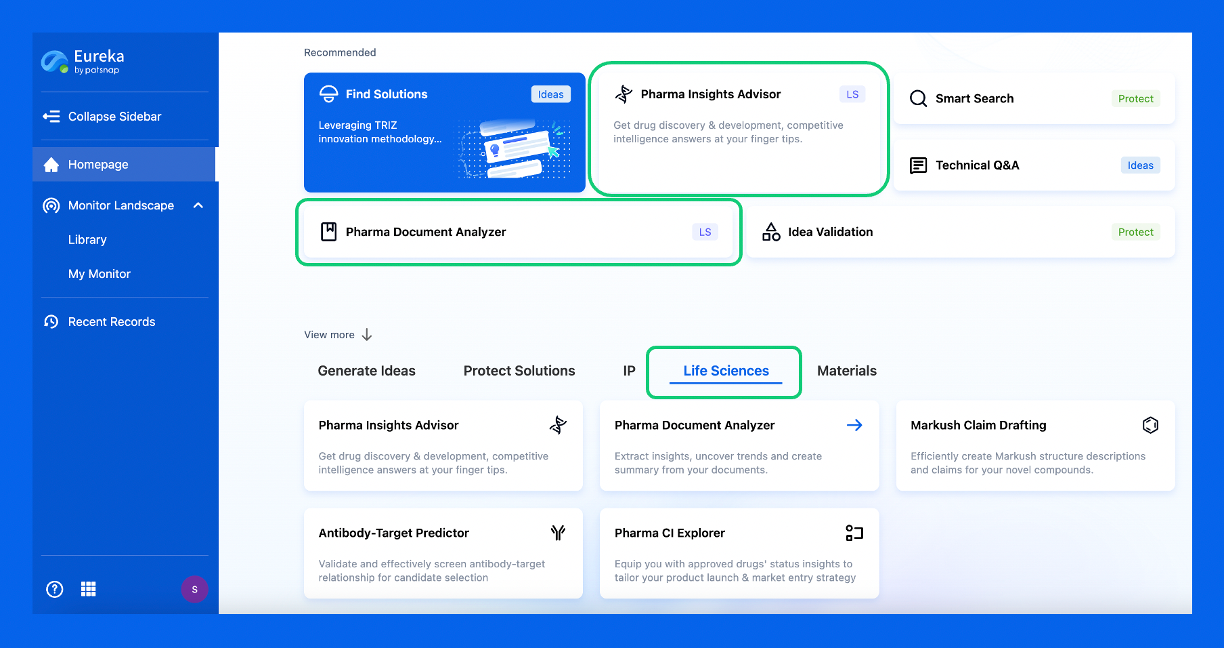
AI Agents Built for Biopharma Breakthroughs
Accelerate discovery. Empower decisions. Transform outcomes.
Get started for free today!
Accelerate Strategic R&D decision making with Synapse, PatSnap’s AI-powered Connected Innovation Intelligence Platform Built for Life Sciences Professionals.
Start your data trial now!
Synapse data is also accessible to external entities via APIs or data packages. Empower better decisions with the latest in pharmaceutical intelligence.