FGFR1 Target Evaluation Report: Biology, Validation, Competition, IP, and R&D Strategy
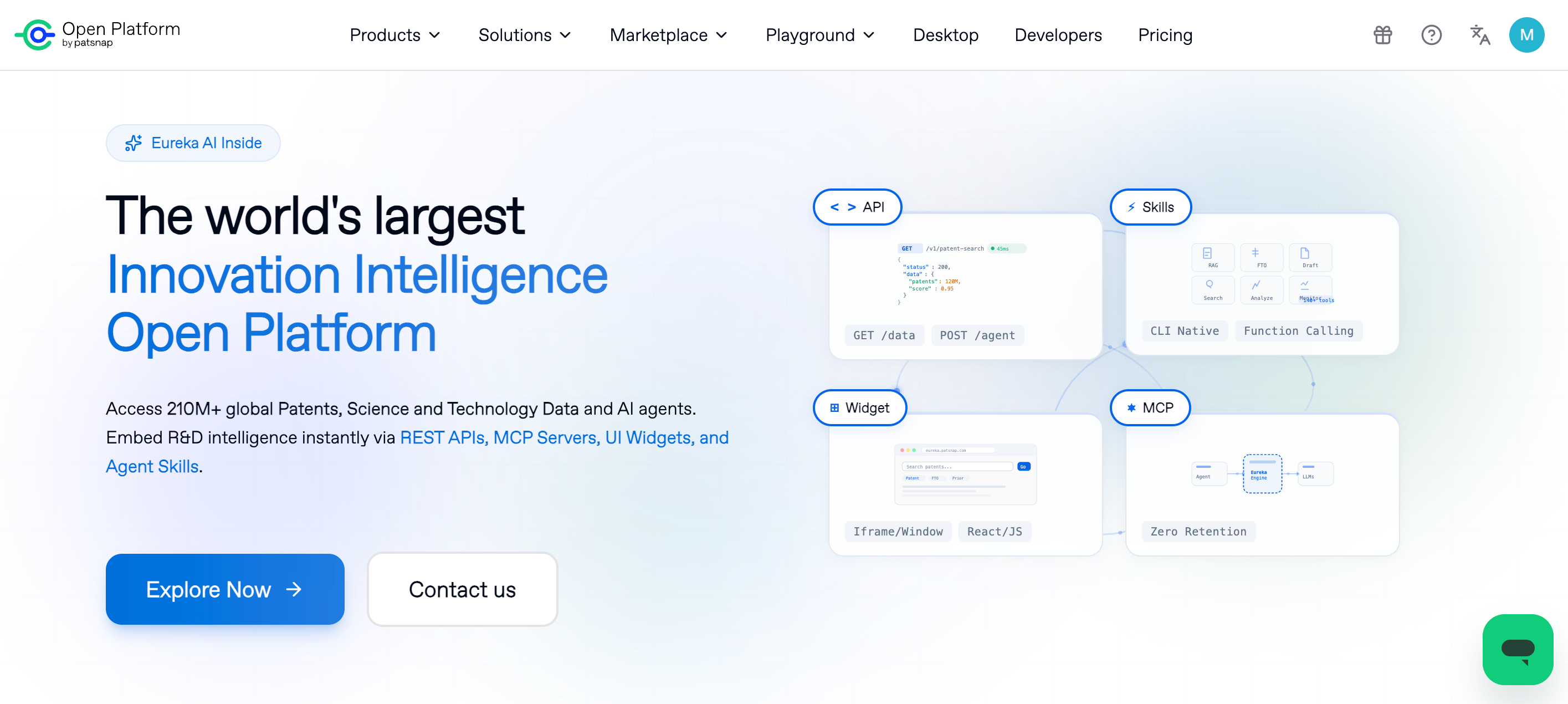
This FGFR1 target evaluation report was generated from PatSnap Life Sciences MCP data workflows, combining Target & Disease MCP Server outputs for biology and disease context with Clinical Trials MCP Server checks for clinical development signals. The goal is to show how an AI agent can turn structured life-science data into a decision-ready target assessment.
For FGFR1, the main question is not simply whether the biology is interesting. It is whether the biology, validation evidence, competitive intensity, IP surface, and indication strategy leave enough room for a differentiated R&D program.
85 Tracked drugs 85 drug records were returned by Target & Disease MCP for this target. | 59 Development-stage drugs 59 development records suggest an active FGFR inhibitor field with broad disease mapping. | 402 Linked diseases 402 disease associations frame the indication search space. | 76 Target score 76/100 reflects the combined biology, validation, competition and room-to-win readout. |
Executive Readout
FGFR1 is attractive because it connects receptor tyrosine kinase signaling to MAPK and AKT pathways, but broad FGFR biology creates selectivity and toxicity challenges. The best opportunities are biomarker-defined programs rather than undifferentiated pan-FGFR inhibition.
Biology confidence84/100
Validation maturity78/100
Competition pressure78/100
Room for differentiation60/100
Why MCP Data Matters Here
A target report becomes useful when the evidence is traceable. In this workflow, Target & Disease MCP supplies the target profile, aliases, UniProt-linked biology, drug count, development count and disease-linkage context. Clinical Trials MCP is then used as a validation layer to check whether the competitive story is supported by trial activity and named development programs. When a clinical query returns broad or noisy matches, the report keeps the claim conservative instead of overstating the signal.
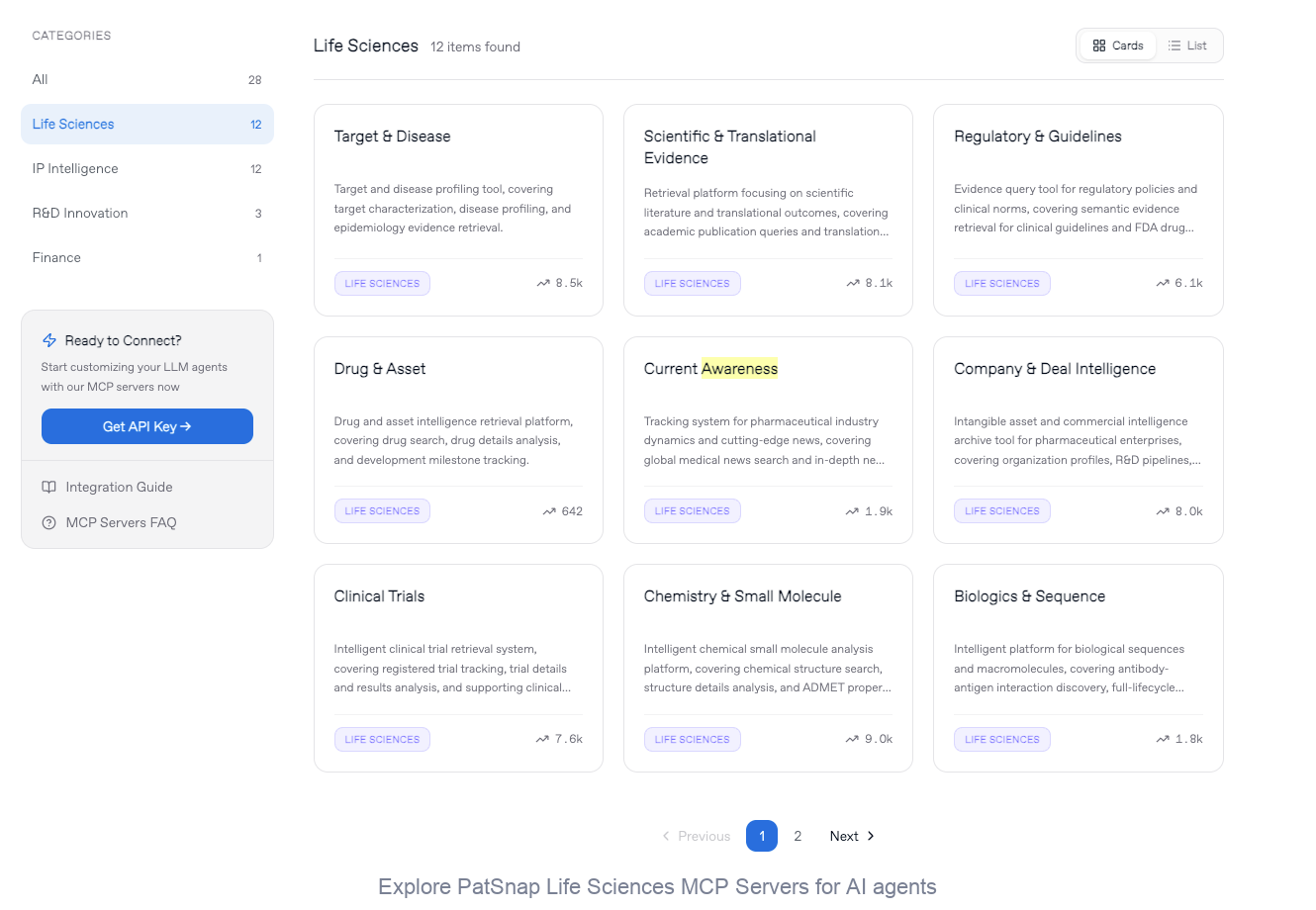
Explore PatSnap Life Sciences MCP Servers for AI agents
Biology: What the Target Controls
Target & Disease MCP identifies FGFR1 as a cell-surface receptor tyrosine kinase for fibroblast growth factors. It regulates embryonic development, proliferation, differentiation and migration, and signals through PLCG1, FRS2, GRB2/GAB1/PI3K and downstream MAPK/AKT pathways.
Mechanistic anchorLigand-activated FGFR1 can drive MAPK and AKT signaling, linking receptor activation to proliferation and survival programs. | Disease logicThe 402 disease associations show extensive biological reach, but also imply that careful indication selection is essential. | Translational caveatFGFR-family overlap can create hyperphosphatemia and other class liabilities, making selectivity and dosing central. |
Validation Evidence
Validation is meaningful. Target MCP returned 85 tracked drugs and 59 development-stage records, indicating sustained development interest around FGFR1 and the broader FGFR axis.
From an AI-agent perspective, this is a useful pattern: one MCP call provides the biological rationale, while the next call checks whether that rationale has already translated into assets, trials, or clinical-stage development. The output is not a final investment decision, but it narrows the review queue quickly.
Clinical and Competitive Landscape
Competition is high across pan-FGFR and selective FGFR programs. The opportunity depends on separating FGFR1-specific disease biology from broader FGFR inhibitor positioning.
Known development examplesFGFR inhibitor benchmarks are useful for safety, phosphate management, resistance and patient-selection expectations. | Competitive implicationA new FGFR1 program needs a biomarker hook such as amplification, fusion, ligand-driven dependency or a selective safety profile. | Where to look nextLook at FGFR1-amplified tumors, fusion-positive disease, endocrine resistance contexts and combination strategies. |
IP and Freedom-to-Operate Lens
IP review should cover pan-FGFR compounds, FGFR1-selective scaffolds, resistance mutations, dosing schedules and biomarker-selected uses.
For IP review, the practical next step is to connect target evidence with modality, chemotype, sequence space, formulation, combinations and indication-specific claims. A target with many assets is not automatically blocked, but it needs a sharper claim strategy.
R&D Recommendation
Keep FGFR1 on the shortlist only when a clean biomarker-defined population is available. Without that, the target is too broad for a differentiated entrant.

Start building target evaluation agents with PatSnap Life Sciences MCP Servers
Data workflow note: target biology, drug counts, development counts and disease associations are based on PatSnap Target & Disease MCP Server outputs retrieved on 9 July 2026. Clinical development commentary is written conservatively when trial-query outputs are broad, and should be refreshed before investment or BD decisions.


