ITGB2 Target Evaluation Report: Biology, Validation, Competition, IP, and R&D Strategy
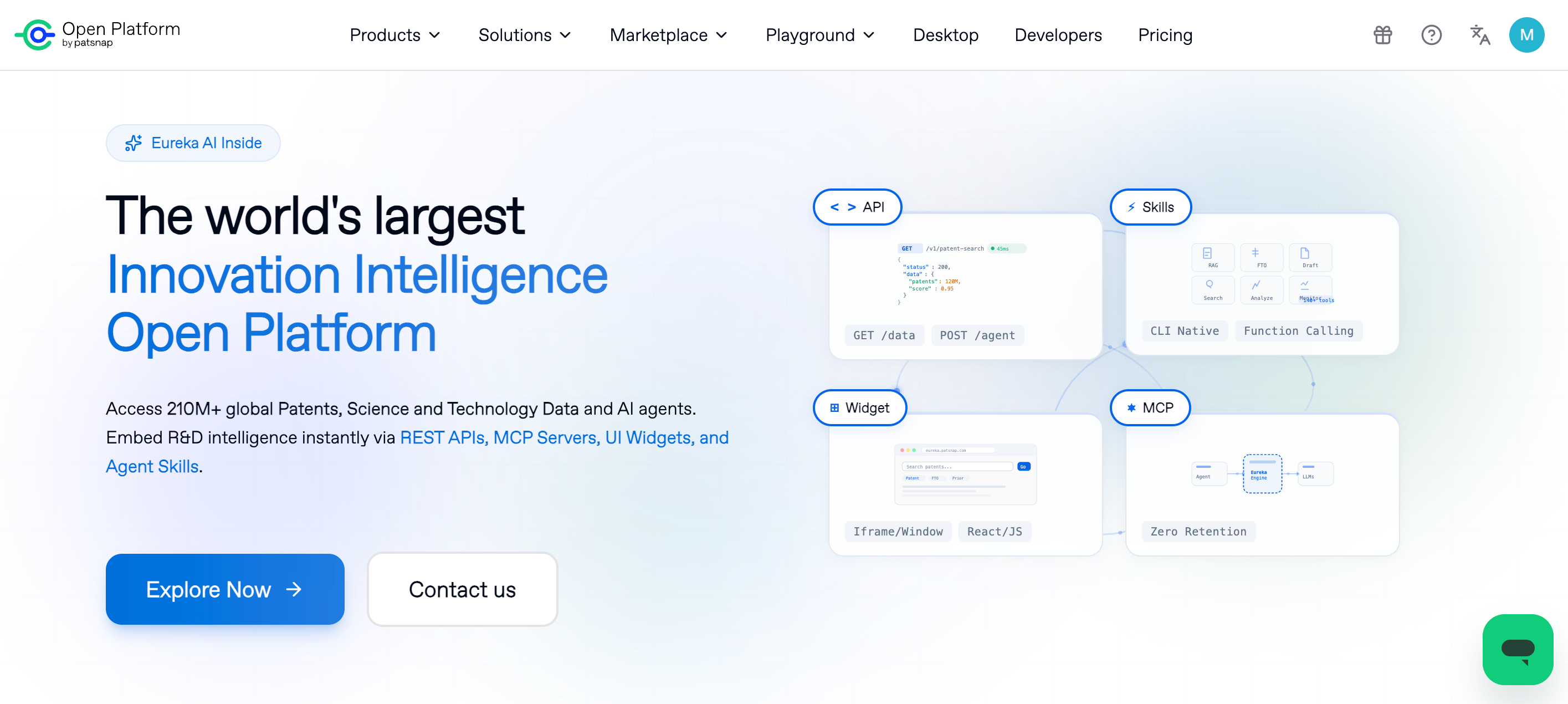
This ITGB2 target evaluation report was generated from PatSnap Life Sciences MCP data workflows, combining Target & Disease MCP Server outputs for biology and disease context with Clinical Trials MCP Server checks for clinical development signals. The goal is to show how an AI agent can turn structured life-science data into a decision-ready target assessment.
For ITGB2, the main question is not simply whether the biology is interesting. It is whether the biology, validation evidence, competitive intensity, IP surface, and indication strategy leave enough room for a differentiated R&D program.
12 Tracked drugs 12 drug records were returned by Target & Disease MCP for this target. | 7 Development-stage drugs 7 development records suggest niche and less crowded adhesion-biology field. | 25 Linked diseases 25 disease associations frame the indication search space. | 61 Target score 61/100 reflects the combined biology, validation, competition and room-to-win readout. |
Executive Readout
ITGB2, also known as CD18, is a biologically strong but clinically niche target. The Target & Disease MCP footprint shows 12 drug records, 7 development-stage drug records, and 25 disease associations, while Clinical Trials MCP identified 3 related clinical trials. That profile suggests lower crowding and clear biology, but a narrower development path than broad oncology targets.
Biology confidence76/100
Validation maturity54/100
Competition pressure32/100
Room for differentiation78/100
Why MCP Data Matters Here
A target report becomes useful when the evidence is traceable. In this workflow, Target & Disease MCP supplies the target profile, aliases, UniProt-linked biology, drug count, development count and disease-linkage context. Clinical Trials MCP is then used as a validation layer to check whether the competitive story is supported by trial activity and named development programs. When a clinical query returns broad or noisy matches, the report keeps the claim conservative instead of overstating the signal.
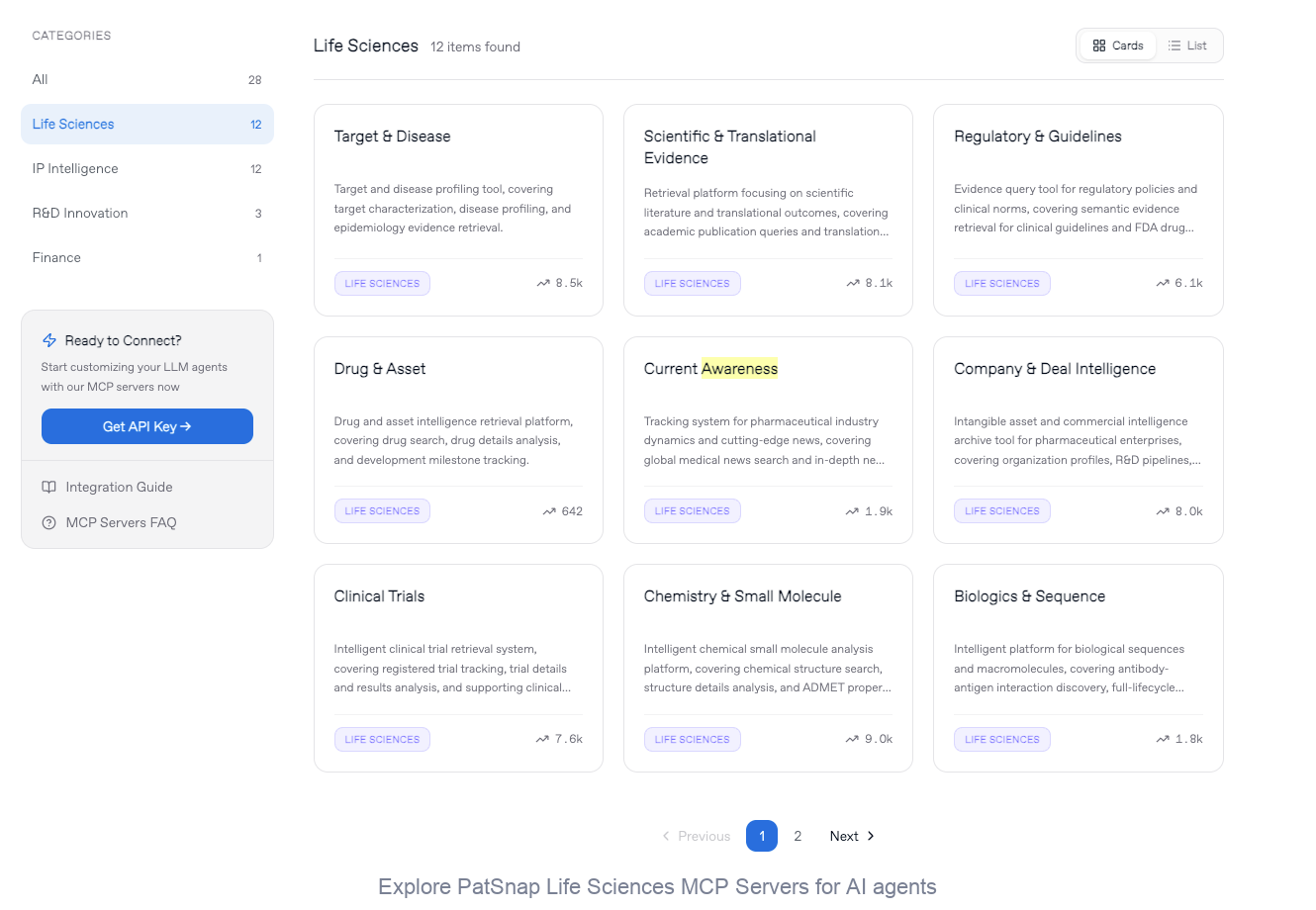
Explore PatSnap Life Sciences MCP Servers for AI agents
Biology: What the Target Controls
The Target & Disease MCP profile describes ITGB2 as the beta subunit used by leukocyte integrin complexes, including ITGAL:ITGB2 and ITGAM:ITGB2. These complexes interact with ICAM1, ICAM2, ICAM3, complement fragment iC3b, fibrinogen, and other ligands, supporting leukocyte adhesion, transmigration, neutrophil biology, natural killer cell cytotoxicity, and immune synapse function.
Mechanistic anchorTherapeutic logic around ITGB2 is strongest where leukocyte adhesion or trafficking is causally involved. In inflammatory injury, modulation may reduce damaging leukocyte recruitment. In genetic immune disease, restoring CD18-related function can address the underlying adhesion defect. In oncology or immune modulation, the target needs a more precise mechanistic rationale. | Disease logicThe 25-disease MCP footprint is focused rather than broad. That makes ITGB2 less suitable for a wide SEO-style blockbuster narrative, but more interesting for targeted reports on leukocyte adhesion deficiency, inflammatory tissue injury, neutrophil trafficking, and immune-cell adhesion biology. | Translational caveatThe central caveat is translational narrowness. ITGB2 has essential immune functions, so both inhibition and restoration strategies must be designed carefully to avoid infection risk, immune dysfunction, or insufficient tissue specificity. |
Validation Evidence
Clinical Trials MCP returned 3 ITGB2/CD18-related studies, including TB511 in advanced solid tumors and RP-L201 gene-therapy studies for leukocyte adhesion deficiency-I. This indicates real clinical activity but a much smaller evidence base than high-volume oncology targets.
From an AI-agent perspective, this is a useful pattern: one MCP call provides the biological rationale, while the next call checks whether that rationale has already translated into assets, trials, or clinical-stage development. The output is not a final investment decision, but it narrows the review queue quickly.
Clinical and Competitive Landscape
The competitive landscape is relatively light. That can be attractive for differentiated platforms, especially gene therapy or precision immunology approaches, but it also means market size and indication selection need more diligence.
Known development examplesA useful Clinical Trials MCP screen should separate gene-correction approaches for leukocyte adhesion deficiency from broader immune-modulation or oncology concepts, because their evidence standards and commercial logic differ sharply. | Competitive implicationITGB2 is a target for focused strategy rather than broad target-chasing. The strongest cases will have a defined patient population, clear functional biomarker, and direct link between CD18 biology and clinical outcome. | Where to look nextUse Target & Disease MCP to map ITGB2 disease associations and ligand biology, then use Clinical Trials MCP to review the small but important set of trials by modality, status, and endpoint. |
IP and Freedom-to-Operate Lens
IP should focus on gene-therapy constructs, cell engineering approaches, specific integrin-complex modulation, adhesion-biology biomarkers, and rare-disease use claims.
For IP review, the practical next step is to connect target evidence with modality, chemotype, sequence space, formulation, combinations and indication-specific claims. A target with many assets is not automatically blocked, but it needs a sharper claim strategy.
R&D Recommendation
Advance ITGB2 only with a tight indication thesis. It is not broadly crowded, which is good, but the target needs precision around immune function, safety, and patient selection.

Start building target evaluation agents with PatSnap Life Sciences MCP Servers
Data workflow note: target biology, drug counts, development counts and disease associations are based on PatSnap Target & Disease MCP Server outputs retrieved on 9 July 2026. Clinical development commentary is written conservatively when trial-query outputs are broad, and should be refreshed before investment or BD decisions.


