This KRAS target evaluation report is generated based on structured data from PatSnap Target & Disease MCP and PatSnap Clinical Trials MCP. The target biology and disease context come from PatSnap Target & Disease MCP. The clinical competition and trial evidence come from PatSnap Clinical Trials MCP. The goal is to show how an AI agent can turn structured life sciences intelligence into a target evaluation report that is easier to scan, compare, and act on.
KRAS target evaluation dashboard
Target
KRAS / GTPase KRas
Overall view
High attractiveness, but only for differentiated programs
Undifferentiated KRAS G12C follow-on programs without clear potency, safety, brain-metastasis, resistance, or combination advantages.
Biology module: why KRAS is attractive
PatSnap Target & Disease MCP identifies KRAS as a Homo sapiens target with the approved symbol KRAS and UniProt ID P01116. The target profile describes KRAS as a signal transducer in the Ras-MAPK pathway that regulates cell proliferation and survival. Ras proteins bind GDP/GTP and have intrinsic GTPase activity. The profile also links KRAS biology to colorectal cancer mechanisms, including transcriptional silencing of tumor suppressor genes in CRC cells.
Biology signal
Evidence from MCP target profile
R&D implication
Pathway centrality
Ras-MAPK signaling, proliferation, survival
Strong causal biology, but many feedback loops
Target tractability
Large drug and development-drug counts in MCP data
Validated tractability, high crowding
Disease breadth
106 associated diseases, 142 roll-up diseases
Broad opportunity, but indication prioritization matters
Translational anchor
Published protein-function references in the target record
Supports target rationale and mechanistic storytelling
Disease-context module
Disease
MCP disease profile
Development-drug signal
Why it matters for KRAS
Non-Small Cell Lung Cancer
A heterogeneous group including squamous cell carcinoma, adenocarcinoma, and large cell carcinoma, treated collectively because of shared treatment strategy.
1,525 direct development drugs; 2,151 roll-up
Core KRAS G12C market with multiple active clinical strategies.
Colorectal Cancer
Tumors or cancer of the colon, rectum, or both.
1,544 direct development drugs; 2,422 roll-up
Combination strategy is central, especially KRAS G12C plus EGFR-directed therapy.
Established KRAS G12C clinical footprint with ongoing combination and real-world studies.
Adagrasib
Non-small cell lung cancer
19
Competitive NSCLC activity including Phase 3 first-line combination studies.
Sotorasib
Colorectal cancer
5
More focused CRC landscape, with Phase 3 combination studies shaping evidence.
Adagrasib
Colorectal cancer
8
CRC strategy emphasizes combinations such as cetuximab-based regimens.
Selected trial landscape from Clinical Trials MCP
Program / study
Phase
Status
Strategic read
Adagrasib plus pembrolizumab plus chemotherapy vs placebo plus pembrolizumab plus chemotherapy in previously untreated non-squamous NSCLC with KRAS G12C mutation (KRYSTAL-4)
Phase 3
Recruiting
Shows competition moving into first-line NSCLC combination positioning.
Study of sotorasib, panitumumab and FOLFIRI vs FOLFIRI with or without bevacizumab-awwb in treatment-naive metastatic CRC with KRAS p.G12C mutation (CodeBreaK 301)
Phase 3
Recruiting
Highlights CRC combination pressure and first-line ambition.
Sotorasib and panitumumab vs investigator's choice for participants with KRAS p.G12C mutation (CodeBreaK 300)
Data note: target and disease modules were generated from PatSnap Target & Disease MCP. Clinical trial counts, selected trials, and result-record counts were generated from PatSnap Clinical Trials MCP. This article is for research and competitive intelligence purposes and is not medical, legal, regulatory, or investment advice.
Accelerate Strategic R&D decision making with Synapse, Patsnap’s AI-powered Connected Innovation Intelligence Platform Built for Life Sciences Professionals.
Discover Synapse Data Servers
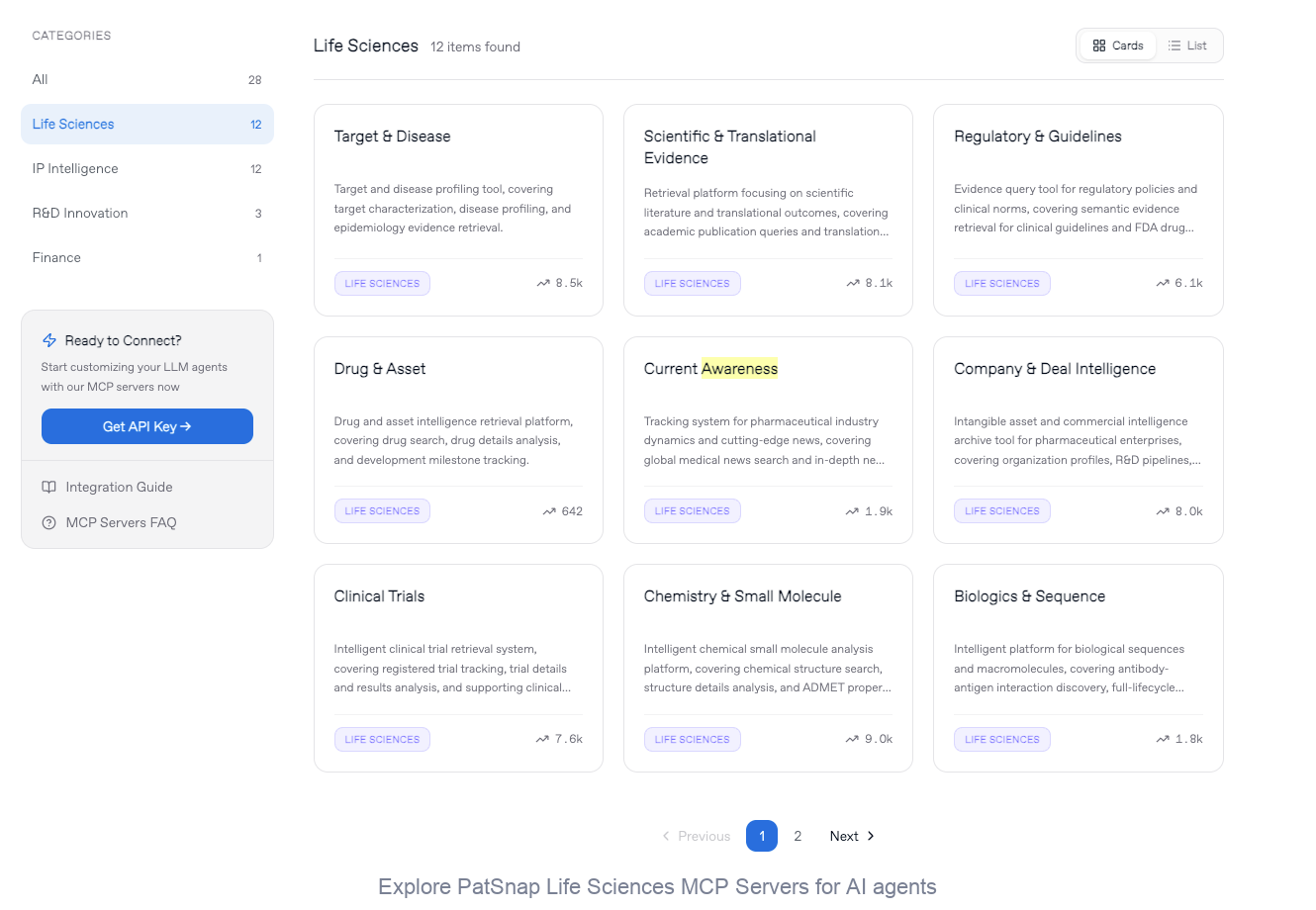
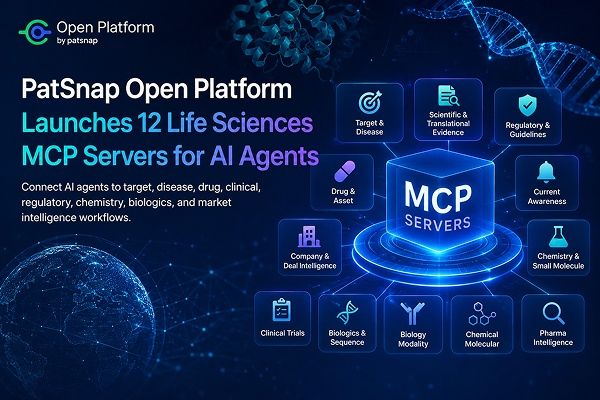
Synapse data is now integrated into the PatSnap LS Model Context Protocol (MCP) service. Customize your LLM agent now using our MCP server!
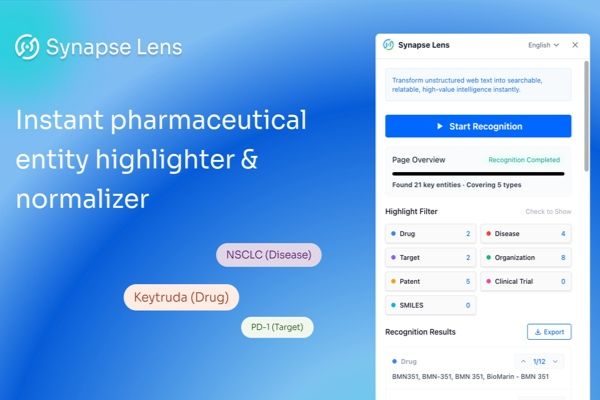
If you’ve ever felt overwhelmed by the sheer volume of reading required to stay ahead, there is a tool designed specifically for you. Introducing Synapse Lens, a Chrome extension hailed as a "superpower" for pharmaceutical and biotech professionals.
The FDA’s recent approval of Aqvesme (mitapivat) for the treatment of anemia in adults with alpha- and beta-thalassemia marks a significant expansion for pyruvate kinase (PK) activators. By enhancing the activity of the wild-type PK enzyme, Aqvesme improves red blood cell health and hemoglobin levels, offering a potent oral alternative to chronic transfusions for patients regardless of their specific genetic mutation. This broad indication underscores a major shift in metabolic regulation therapy, requiring R&D teams to leverage deep structural intelligence to map the competitive landscape of PK activators and identify future modification opportunities for next-generation erythroid therapies.
Astellas Pharma is facing a defining moment as its blockbuster prostate cancer therapy, Xtandi (enzalutamide), approaches a massive patent cliff in 2026 and 2027. With billions in annual revenue at risk, the pharmaceutical giant is pivoting toward aggressive lifecycle management and strategic BD (Business Development) to offset the impending generic competition. For generic manufacturers and oncology innovators, this transition creates a high-stakes environment where the ability to rapidly deconstruct original patent claims and identify "late-stage" IP vulnerabilities is the key to capturing market share in a post-Xtandi era.
Accelerate Strategic R&D decision making with Synapse, Patsnap’s AI-powered Connected Innovation Intelligence Platform Built for Life Sciences Professionals.
Discover Synapse Data Servers
Synapse data is now integrated into the PatSnap LS Model Context Protocol (MCP) service. Customize your LLM agent now using our MCP server!