TNFRSF4 Target Evaluation Report: Biology, Validation, Competition, IP, and R&D Strategy
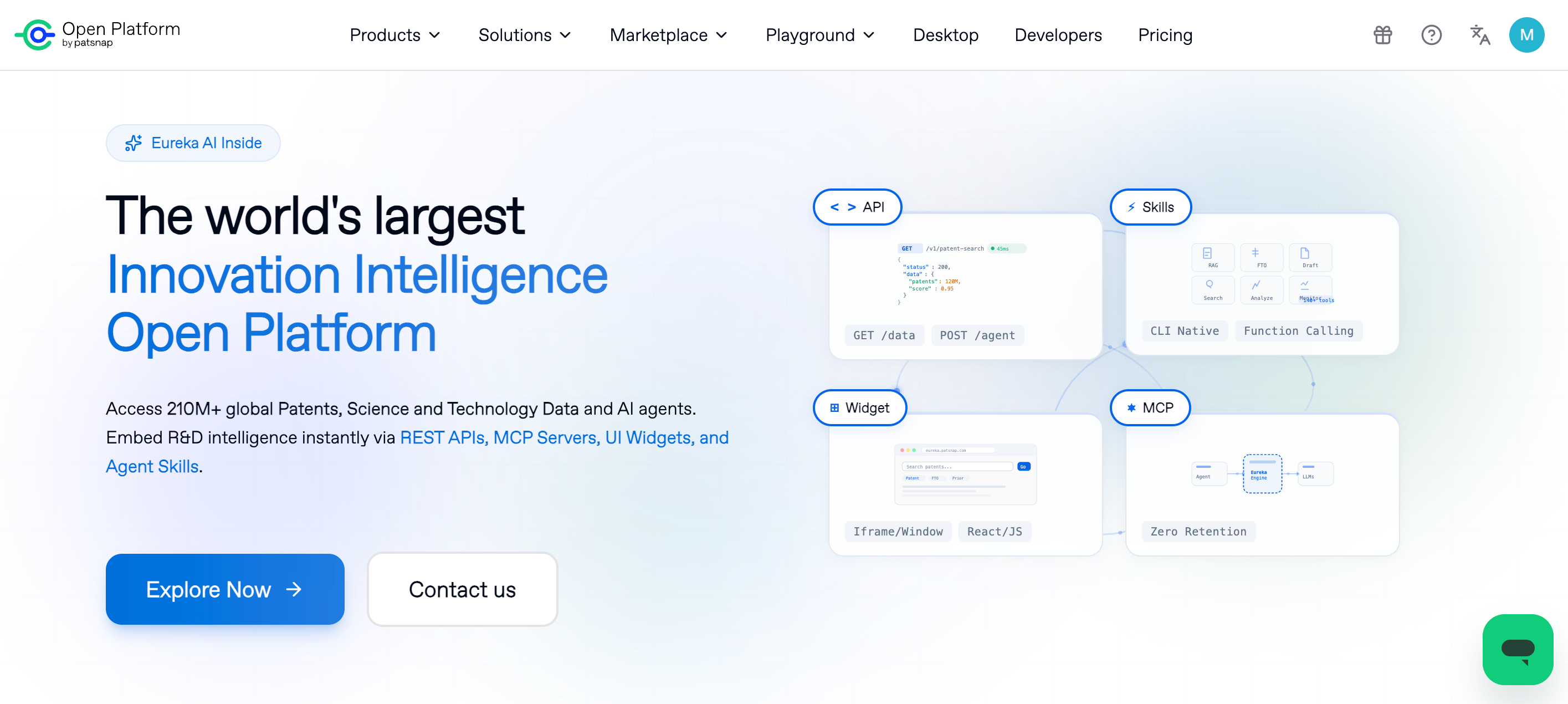
This TNFRSF4 target evaluation report was generated from PatSnap Life Sciences MCP data workflows, combining Target & Disease MCP Server outputs for biology and disease context with Clinical Trials MCP Server checks for clinical development signals. The goal is to show how an AI agent can turn structured life-science data into a decision-ready target assessment.
For TNFRSF4, the main question is not simply whether the biology is interesting. It is whether the biology, validation evidence, competitive intensity, IP surface, and indication strategy leave enough room for a differentiated R&D program.
88 Tracked drugs 88 drug records were returned by Target & Disease MCP for this target. | 59 Development-stage drugs 59 development records suggest moderately crowded immuno-oncology costimulation field. | 110 Linked diseases 110 disease associations frame the indication search space. | 73 Target score 73/100 reflects the combined biology, validation, competition and room-to-win readout. |
Executive Readout
TNFRSF4, better known as OX40, remains a compelling T-cell costimulation target for immuno-oncology and immune-resetting strategies. Its attractiveness comes from a clean biological story: amplify durable T-cell immunity when antigen recognition alone is not enough.
Biology confidence78/100
Validation maturity72/100
Competition pressure74/100
Room for differentiation66/100
Why MCP Data Matters Here
A target report becomes useful when the evidence is traceable. In this workflow, Target & Disease MCP supplies the target profile, aliases, UniProt-linked biology, drug count, development count and disease-linkage context. Clinical Trials MCP is then used as a validation layer to check whether the competitive story is supported by trial activity and named development programs. When a clinical query returns broad or noisy matches, the report keeps the claim conservative instead of overstating the signal.
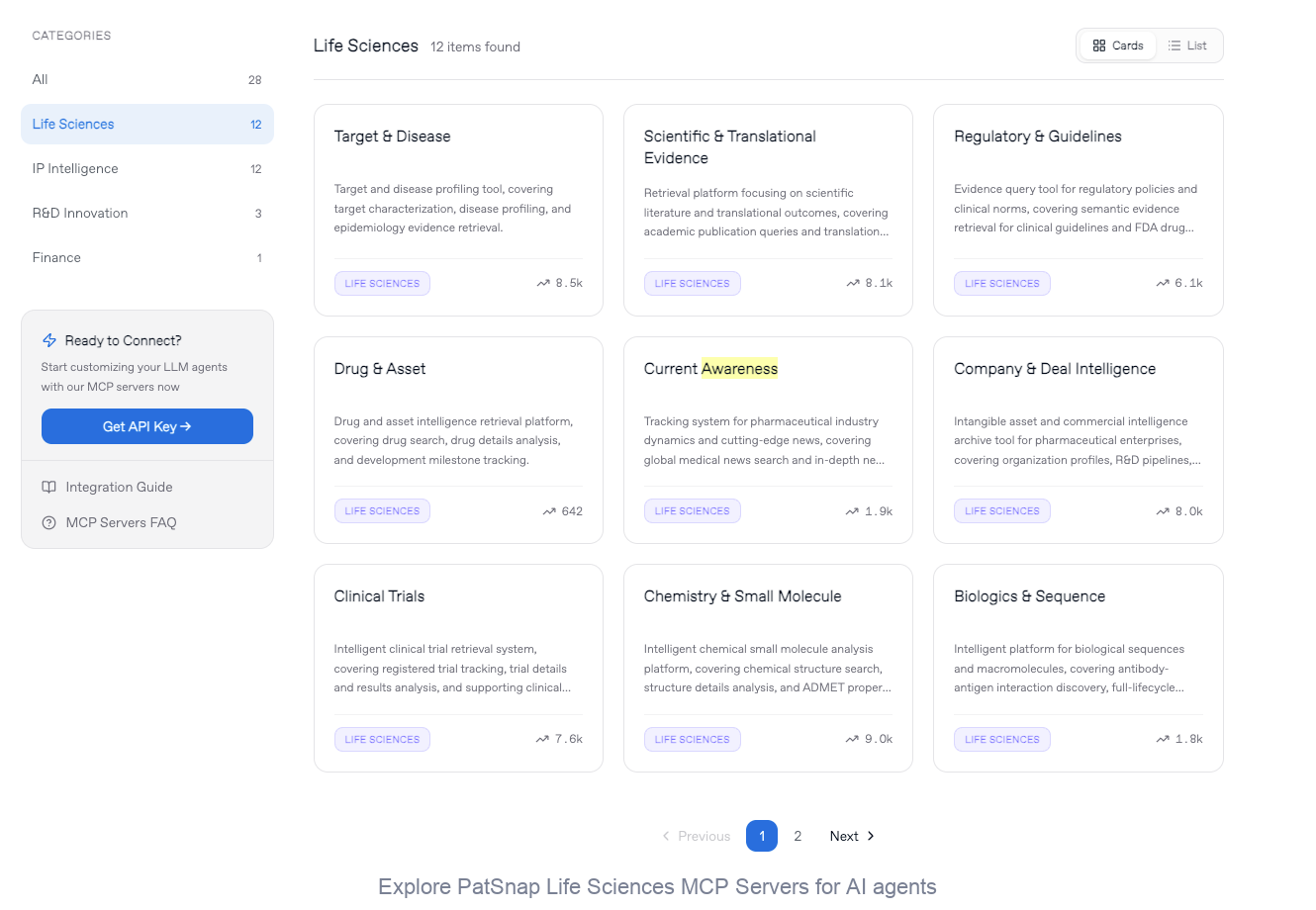
Explore PatSnap Life Sciences MCP Servers for AI agents
Biology: What the Target Controls
The Target & Disease MCP profile identifies OX40 as a receptor for OX40L and a costimulatory molecule implicated in long-term T-cell immunity. That makes it most relevant in settings where the therapeutic goal is to convert weak or exhausted immune activation into a more durable antitumor response.
Mechanistic anchorOX40 agonism is not a simple on/off switch. Product design has to consider receptor clustering, Fc engagement, timing versus antigen exposure, and whether the tumor microenvironment contains enough primed T cells for costimulation to matter. | Disease logicWith 110 disease associations in the MCP footprint, OX40 has broad immunology relevance. The highest-priority use cases are tumors or immune settings where baseline immune priming exists but is insufficient, making combination logic central to development planning. | Translational caveatThe main risk is translational execution. A biologically plausible costimulatory target can still disappoint if agonism is weak, dosing is poorly timed, or patient selection does not enrich for OX40-responsive immune contexts. |
Validation Evidence
The MCP landscape shows 88 total drug records and 59 development-stage records, which signals sustained industry interest. Validation should be interpreted through agonist format, Fc design, and combination partner rather than target name alone.
From an AI-agent perspective, this is a useful pattern: one MCP call provides the biological rationale, while the next call checks whether that rationale has already translated into assets, trials, or clinical-stage development. The output is not a final investment decision, but it narrows the review queue quickly.
Clinical and Competitive Landscape
The competitive field includes agonist antibodies, bispecific constructs, and combination regimens with checkpoint inhibitors or other immune activators. This creates a high bar for differentiation but also a clear map of what developers are trying to optimize.
Known development examplesA useful Clinical Trials MCP review would compare OX40 programs by phase, combination partner, dosing route, and whether the trial enriches for immune-inflamed tumors. | Competitive implicationFor a new OX40 program, the key competitive question is not whether OX40 biology is attractive. It is whether the product can generate stronger, safer, or more localized costimulation than prior approaches. | Where to look nextUse Target & Disease MCP outputs to prioritize OX40-relevant tumor contexts, then use Clinical Trials MCP to map agonist formats and combination regimens. |
IP and Freedom-to-Operate Lens
Patentable space is likely to concentrate around agonist antibody engineering, bispecific architectures, Fc optimization, tumor-localized activation, and specific combination schedules.
For IP review, the practical next step is to connect target evidence with modality, chemotype, sequence space, formulation, combinations and indication-specific claims. A target with many assets is not automatically blocked, but it needs a sharper claim strategy.
R&D Recommendation
OX40 is worth pursuing when the product concept has a credible activation mechanism and a strong combination rationale. A generic agonist profile is unlikely to be enough.

Start building target evaluation agents with PatSnap Life Sciences MCP Servers
Data workflow note: target biology, drug counts, development counts and disease associations are based on PatSnap Target & Disease MCP Server outputs retrieved on 9 July 2026. Clinical development commentary is written conservatively when trial-query outputs are broad, and should be refreshed before investment or BD decisions.

