Request Demo
Last update 21 Mar 2026
Ancestim
Last update 21 Mar 2026
Overview
Basic Info
Drug Type Colony-stimulating factors |
Synonyms Ancestim (genetical recombination) (JAN), Ancestim (USAN/INN), Human SCF + [5] |
Target |
Action agonists, stimulants |
Mechanism CSF-3R agonists(Colony stimulating factor 3 receptor agonists), Stem cells stimulants |
Therapeutic Areas |
Active Indication |
Inactive Indication- |
Originator Organization |
Active Organization |
Inactive Organization- |
License Organization |
Drug Highest PhaseApproved |
First Approval Date Australia (09 Aug 1999), |
RegulationOrphan Drug (United States) |


Login to view timeline
Structure/Sequence
Sequence Code 16915307
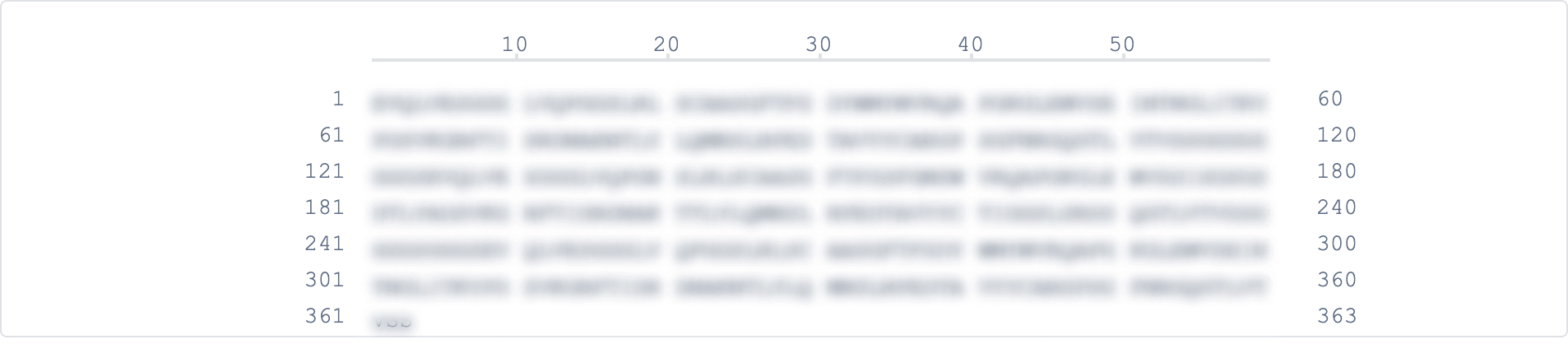
Source: *****
Related
3
Clinical Trials associated with AncestimNCT00434239
A Pilot Study of the Combination of Lenalidomide (Revlimid®) With Two Different Dose Levels of Short Term Administration of Recombinant Human Stem Cell Factor (rhSCF; Ancestim) for Myelodysplasia.
NCT00001750
Randomized Trial of Autologous Transplantation With Filgrastim Versus Stem Cell Factor/Filgrastim-Primed CD34-Enriched Peripheral Blood Cells for Multiple Myeloma
NCT00001398
A Phase I/II Trial of Recombinant Methionyl Human Stem Cell Factor (r-metHuSCF) in Patients Diagnosed With Acquired Aplastic Anemia
100 Clinical Results associated with Ancestim
Login to view more data
100 Translational Medicine associated with Ancestim
Login to view more data
100 Patents (Medical) associated with Ancestim
Login to view more data
902
Literatures (Medical) associated with Ancestim01 Apr 2026JOURNAL OF DENTISTRY
Antibacterial and mineralising properties of silver complex fluoride on enamel caries: An in vitro study
Article
Author: Zhao, Irene S ; Lo, Edward Cm ; Xu, Grace Y ; Yin, Iris X ; Lung, Christie Yk ; Chu, Chun Hung
OBJECTIVE:
This study aimed to investigate the antibacterial and mineralising effects of silver complex fluoride (SCF) on enamel.
METHODS:
Sound human enamel blocks were prepared and subjected to Streptococcus mutans-induced demineralisation to create artificial caries. Blocks were treated with SCF, 38% silver diamine fluoride (SDF), or deionised water and underwent a 21-day pH-cycling. Biofilm morphology, viability, and quantification were analysed using scanning electron microscopy (SEM), confocal laser scanning microscopy (CLSM), and colony-forming unit (CFU) counting. Remineralisation effects were assessed by SEM, micro-computed tomography (micro-CT), Knoop microhardness, and X-ray diffraction (XRD).
RESULTS:
SEM images showed dense bacterial biofilm on water-treated enamel, but minimal growth on SCF- or SDF-treated surfaces. CLSM indicated higher dead/live cell ratios in SCF (0.75 ± 0.22) and SDF (0.83 ± 0.25) groups than water (0.43 ± 0.22; p < 0.001). Log CFU values for SCF, SDF, and water were 6.90 ± 0.09, 6.74 ± 0.23, and 7.78 ± 0.13, respectively (p < 0.001, SCF, SDF < Water). Lesion depths (μm) were 91 ± 36, 89 ± 24, and 186 ± 34 (p < 0.001; SCF, SDF < Water), while mineral loss (gHA pcm⁻³) was 0.43 ± 0.13, 0.40 ± 0.14, and 1.32 ± 0.21 (p < 0.001; SCF, SDF < Water) for SCF, SDF, and water, respectively. Knoop hardness was significantly higher in SCF (70 ± 2) and SDF (72 ± 7) than water (25 ± 6; p < 0.05). XRD confirmed well-crystallised hydroxyapatite in SCF- and SDF-treated enamel but not in water-treated samples.
CONCLUSION:
SCF demonstrates antibacterial and mineralising properties comparable to SDF.
CLINICAL SIGNIFICANCE:
Adoption of SCF may expand silver-based caries prevention by improving patient acceptance without compromising appearance.
01 Apr 2026JOURNAL OF DENTISTRY
Antibacterial and demineralisation-inhibiting properties of silver complex fluoride on dentine caries: an in vitro study
Article
Author: Zhao, Irene S ; Lo, Edward Cm ; Xu, Grace Y ; Yin, Iris X ; Lung, Christie Yk ; Chu, Chun Hung
OBJECTIVE:
The objective of this study was to investigate the antibacterial and demineralisation-inhibiting effects of a non-discolouring silver complex fluoride (SCF) on artificial dentine caries.
METHODS:
Dentine blocks with artificial carious lesions were treated with SCF, silver diamine fluoride (SDF, as positive control), and water (as negative control). Then the blocks underwent Streptococcus mutans biofilm and pH-cycling for 7 days. The morphology, viability and growth kinetics of the biofilm were evaluated by scanning electron microscopy (SEM), confocal laser scanning microscopy (CLSM) and colony-forming unit (CFU) counting, respectively. The dentine surface morphology, lesion depths and mineral loss, chemical structure and crystal characteristics were determined using SEM, micro-computed tomography, Fourier transform infrared (FTIR), and X-ray diffraction (XRD), respectively. One-way analysis of variance with the Bonferroni post hoc test was performed to assess and compare the data.
RESULTS:
SEM revealed confluent bacterial growth covering the surface of dentine treated with water but not SCF and SDF. CLSM showed that the dead-to-live ratios of biofilms treated with SCF, SDF, and water were 0.77 ± 0.16, 0.88 ± 0.40, and 0.44 ± 0.03, respectively (p < 0.001, SCF, SDF>Water). The Log CFU values of the biofilm treated with SCF, SDF and water were 6.7 ± 0.1, 6.6 ± 0.2 and 7.8 ± 0.1 (p < 0.001, SCF, SDF-3) of dentine treated with SCF, SDF and water were 0.24±0.05, 0.20±0.03 and 0.45±0.03 (p < 0.001, SCF, SDF
CONCLUSION:
This study demonstrated that SCF inhibited the growth of S. mutans biofilm and reduced the demineralisation of artificial dentine caries.
CLINICAL SIGNIFICANCE:
If SCF is successfully translated into clinical application, it may be a novel anti-caries agent for clinicians to arrest dentine caries.
01 Feb 2026Food Science & Nutrition
Optimization of Processing Parameters and Quality Evaluation of Breakfast Flakes Prepared From Sonicated Corn and Its By‐Products Supplemented With Quinoa Powder
Article
Author: Javed, Amna ; Niaz, Hina ; Niaz, Rida
ABSTRACT:
Corn cob (C) and silk (S), produced in substantial quantities as agro‐waste, are rich in bioactive compounds with disease‐preventive potential. Thermal processing often leads to nutrient degradation. Therefore, this study explored the effect of optimized sonication—a non‐thermal technique with the potential to enhance the bioactive profile and stability—on Grain: G0, G10, G20, G30, Cob: C0, C10, C20, C30; and Silk S0, S10, S20, and S30, from which the best was incorporated into flakes.
C1
(control) with 100% non‐treated corn grain flour (CGF), treatment (
T1
; 70:10,
T2
; 50:30,
T3
; 30:50,
T4
; 10 varied SCGF: SCF) and evaluated for moisture, bacterial, and fungal count in a storage period of 4 weeks. The significant result showed (G20 ≥ G0) for protein 15%, DPPH (340 ≥ 320) μg/g, TPC (1115 ≥ 1006) μg/g, and TFC increased 23 μg/g. In (C20), a significant difference was noted in fiber (34.6%–35.4%), TFC (1.05–1.85) μg/g, magnesium (1.88–1.98) μg/g, and vitamin A (188.7–193) μg/g. In S20, protein 2%, fiber 3%, DPPH 20 μg/g, TFC 190 μg/g, iron 6 μg/g, and vitamin A 1560 μg/g increased significantly. Storage of flakes exhibited lower moisture content (8%–10% reduction) and reduced microbial load, with bacterial and fungal counts remaining below detectable limits for 14 days, compared to control flakes which showed early microbial growth. Thus, the use of sonication and corn byproducts offers a cost‐effective, nutrient‐dense, diverse food product and ensures food security.
100 Deals associated with Ancestim
Login to view more data
R&D Status
10 top approved records. to view more data
Login
| Indication | Country/Location | Organization | Date |
|---|---|---|---|
| Hematopoietic stem cell transplantation | Australia | 09 Aug 1999 |
Login to view more data
Clinical Result
Clinical Result
Indication
Phase
Evaluation
View All Results
Login to view more data
Translational Medicine
Boost your research with our translational medicine data.
login
or

Deal
Boost your decision using our deal data.
login
or

Core Patent
Boost your research with our Core Patent data.
login
or

Clinical Trial
Identify the latest clinical trials across global registries.
login
or

Approval
Accelerate your research with the latest regulatory approval information.
login
or

Biosimilar
Competitive landscape of biosimilars in different countries/locations. Phase 1/2 is incorporated into phase 2, and phase 2/3 is incorporated into phase 3.
login
or

Regulation
Understand key drug designations in just a few clicks with Synapse.
login
or

Hiro LS Researcher
The AI Search Engine Built to Accelerate Biopharma Decisions
Search across billion-scale life sciences data to uncover signals, validate evidence, and act with confidence.
Ask any biopharma research question→
Get started for free today!
Accelerate Strategic R&D decision making with Synapse, Patsnap’s AI-powered Connected Innovation Intelligence Platform Built for Life Sciences Professionals.
Discover Synapse Data Servers
Synapse data is now integrated into the PatSnap LS Model Context Protocol (MCP) service. Customize your LLM agent now using our MCP server!
Bio
Bio Sequences Search & Analysis
Sign up for free
Chemical
Chemical Structures Search & Analysis
Sign up for free