Request Demo
Last update 29 Jul 2025
Glucokinase activators ( Fujian Haixi Pharmaceuticals/Betta Pharmaceuticals)
Last update 29 Jul 2025
Overview
Basic Info
Drug Type Small molecule drug |
Synonyms- |
Target- |
Action- |
Mechanism- |
Therapeutic Areas |
Active Indication- |
Inactive Indication |
Originator Organization |
Active Organization- |
Inactive Organization |
License Organization |
Drug Highest PhasePendingDiscovery |
First Approval Date- |
Regulation- |


Related
100 Clinical Results associated with Glucokinase activators ( Fujian Haixi Pharmaceuticals/Betta Pharmaceuticals)
Login to view more data
100 Translational Medicine associated with Glucokinase activators ( Fujian Haixi Pharmaceuticals/Betta Pharmaceuticals)
Login to view more data
100 Patents (Medical) associated with Glucokinase activators ( Fujian Haixi Pharmaceuticals/Betta Pharmaceuticals)
Login to view more data
242
Literatures (Medical) associated with Glucokinase activators ( Fujian Haixi Pharmaceuticals/Betta Pharmaceuticals)01 Sep 2025Anti-inflammatory & anti-allergy agents in medicinal chemistry
Inclusive Drug Designing of Novel Indole Derivatives using Rationale,
Pharmacophore Mapping and Molecular Docking
Article
Author: Mehra, Anuradha ; Sangwan, Rekha ; Mehra, Aryan ; Sharma, Rahul ; Mittal, Amit
Background::
The presence of insufficient insulin signaling in type 2 diabetes arises
due to either insulin resistance or impaired insulin secretion, ultimately leading to elevated blood
glucose levels, a condition known as hyperglycemia. Diabetes poses a pervasive worldwide
challenge, with its prevalence steadily surging in both developed and developing nations. A
promising avenue for improving the management of diabetes type 2 involves the exploration of
glucokinase activators as an innovative therapeutic target. Notably, a recent breakthrough in this
area has been the market approval granted by the Japanese FDA for the use of the innovative
GKA, Dorzagliatin, in the treatment of diabetes type 2.
Objective::
To augment the management of diabetes type 2 and mitigate the undesirable side
effects linked to prolonged use of conventional medications, this research endeavor sought to
create innovative glucokinase activators.
Methods::
The ZINC database yielded a collection of 56 compounds, each showcasing a 40%
structural similarity to 1-(phenylsulfonyl)-1H-indole-2-carboxylic acid. These compounds,
all featuring the distinctive indole core, were meticulously selected for further investigation.
Structural illustrations were crafted using ChemBioDraw Ultra, and 1.5.6 AutoDock Vina
was for molecular docking. The Swiss ADME algorithm facilitated online log P predictions,
while the software PKCSM was utilized to forecast the toxicity profiles of the leading compounds.
DFT analysis was done to ensure the stability of compounds by using Gaussian 16
quantum chemistry software and Mulliken charge distributions used to optimize molecular
geometries.
Results::
Among all the compounds, RS33 and RS37 exhibited the highest affinities for GK
receptors, with the docking scores of -8.93 and -8.44 kcal/mol, respectively. These compounds
follow Lipinski’s Rule, indicating promising absorption and excretion profiles
through the gastrointestinal tract. Compared to standard drugs Dorzagliatin (GKA) and MRK
(co-crystallized ligand), both RS33 and RS37 demonstrate no AMES toxicity, skin sensitization,
and hepatotoxicity. RS43 is the most stable compound as it has high ΔE, η, and χ in DFT
analysis.
Conclusion::
The novel-designed lead molecules demonstrate an enhanced pharmacokinetic
profile, superior binding affinity, and minimal toxicity, based on computational study. These
attributes make them promising candidates for further optimization as glucokinase activators.
01 Aug 2025DIABETES
Functional and Mechanistic Explanation for the Unique Clinical Success of the Glucokinase Activator Dorzagliatin in the Treatment of Type 2 Diabetes
Article
Author: Sharp, Kim ; Zhu, Qiusha ; Zhou, Xue ; Doliba, Nicolai M. ; Zhao, Fang ; Meng, Shi ; Roman, Jeff ; Yuan, Yue ; Chen, Li ; Xu, Yue ; Li, Changhong ; Han, Dongna ; Wu, Shaowen
Article Highlights:
The type 2 diabetes (T2D) treatment dorzagliatin has achieved singular success among its drug class, known as glucokinase (GK) activators (GKAs). A comprehensive approach using human islet perifusions, enzyme kinetics, X-ray crystallography, and modeling studies revealed the unique mechanism by which dorzagliatin activates GK. Dorzagliatin dose-dependently reduces the glucose threshold for stimulation of insulin secretion and binds preferably to the closed form of GK, preventing overstimulation of the enzyme. A renewed interest in GKAs, coupled with modern tools to assess their molecular interactions with GK, should guide the future development of novel GKA treatments for T2D.
08 Jul 2025INFLAMMOPHARMACOLOGY
Safety profile of glucokinase activator AZD1656: systematic review and meta-analysis of 23 randomised trials in diabetic and healthy volunteers with relevance to immunomodulatory therapy.
Article
Author: Abdalla, Mohamed M ; Elsayed, Mohamed M
Glucokinase enzyme plays a pivotal role in various physiological processes such as glucose metabolism, inflammation, and immunity. AZD1656 is a glucokinase activator (GKA) that shows proven efficacy in reducing blood glucose. It also possesses a marked interest in autoimmune diseases due to its immunomodulatory effect. Six databases were searched: PubMed, Scopus, the Cochrane Library, World of Science, ClinicalTrials.gov, and AstrazenecaClinicalTrials.com. This meta-analysis was conducted by following the Preferred Reporting Items for Systematic Reviews and Meta-Analyses (PRISMA). Twenty-three randomized controlled trials were included in this systematic review, and 19 studies were included in the meta-analysis. There was no significant difference between AZD1656 and placebo. Regarding total non-serious adverse events (a/e), the cumulative relative risk (RR) was 1.09 (95% CI 0.96-1.24, I2 = 30%, p = 0.19). The RR for low doses (< 100 mg), medium doses (≥ 100 and < 200 mg), and high doses (≥ 200 mg) were 1.17 (95% CI 0.98-1.40, I2 = 21%, p = 0.08), 1.19 (95% CI 0.96-1.48, I2 = 49%, p = 0.18), and 1.06 (95% CI 0.78-1.43, I2 = 34%, p = 0.72), respectively. For hypoglycaemic events, the cumulative RR was 2.03 (95% CI 0.94-4.39, I2 = 0%, p = 0.07). The RR for low doses, medium doses, and high doses were 2.59 (95% CI 0.59-11.43, I2 = 0%, p = 0.21), 2.48 (95% CI 0.80-7.72, I2 = 0%, p = 0.16), and 2.17 (95% CI 0.28-16.47, I2 = 0%, p = 0.46), respectively. The cumulative RR for serious a/e was 0.85 (95% CI 0.21-3.48, I2 = 0%). AZD1656 is a well-tolerated, safe glucokinase activator. It has promising potential as an anti-diabetic and immunomodulatory agent, supporting its further investigation in immunomodulatory and inflammatory diseases.
18
News (Medical) associated with Glucokinase activators ( Fujian Haixi Pharmaceuticals/Betta Pharmaceuticals)29 Jul 2024

29 Jul 2024
100 Deals associated with Glucokinase activators ( Fujian Haixi Pharmaceuticals/Betta Pharmaceuticals)
Login to view more data
R&D Status
10 top R&D records. to view more data
Login
| Indication | Highest Phase | Country/Location | Organization | Date |
|---|---|---|---|---|
| Diabetes Mellitus | Discovery | China | 27 Mar 2013 | |
| Diabetes Mellitus | Discovery | China | 27 Mar 2013 |
Login to view more data
Clinical Result
Clinical Result
Indication
Phase
Evaluation
View All Results
Login to view more data
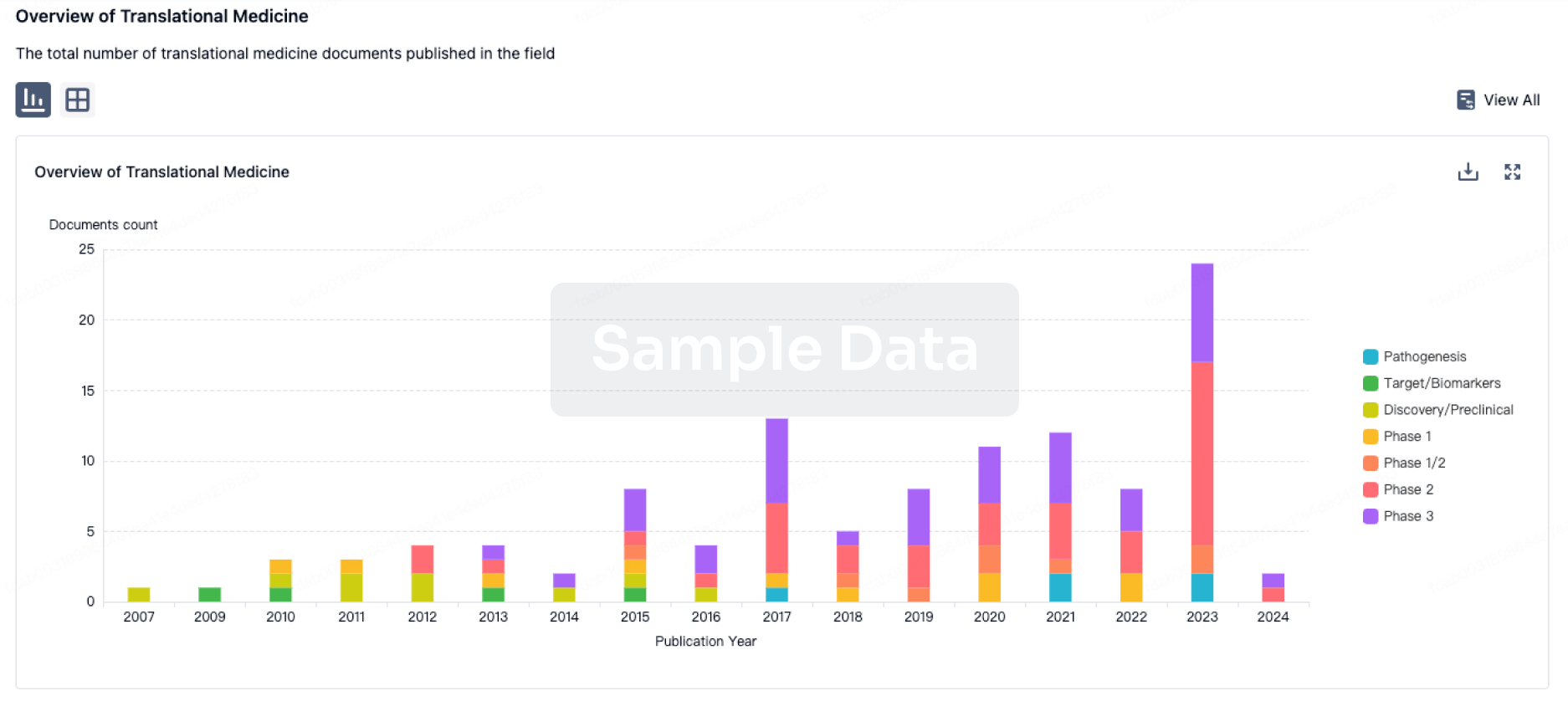
Translational Medicine
Boost your research with our translational medicine data.
login
or
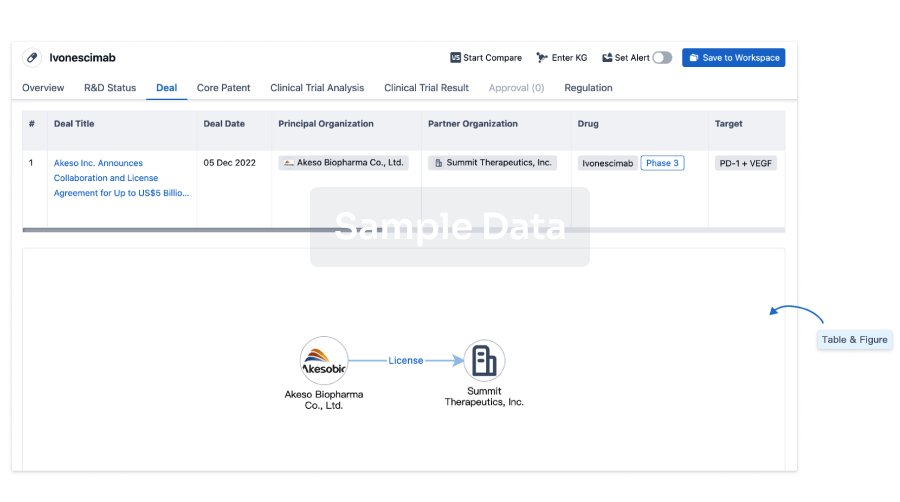
Deal
Boost your decision using our deal data.
login
or
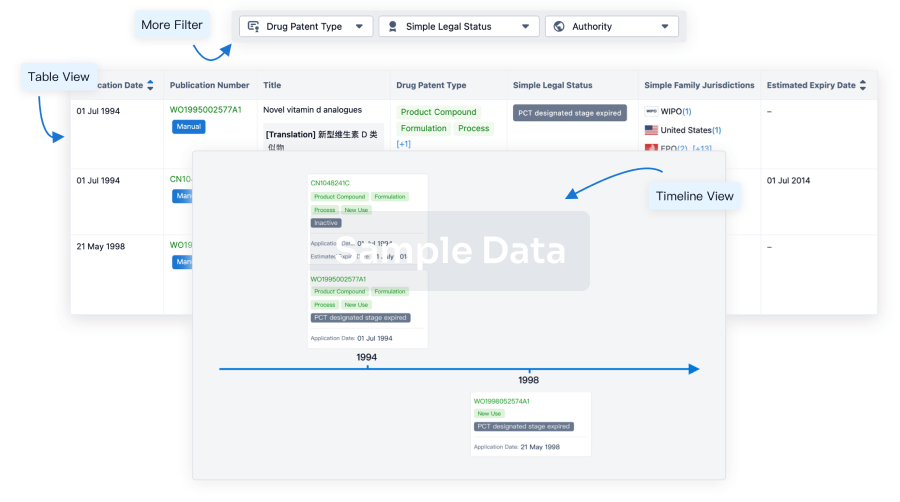
Core Patent
Boost your research with our Core Patent data.
login
or
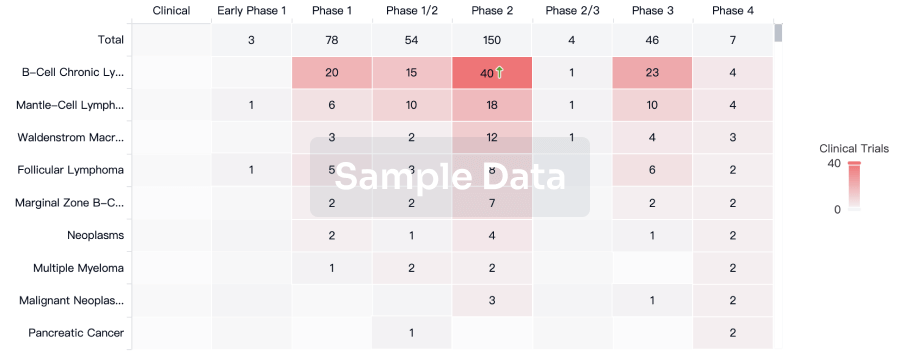
Clinical Trial
Identify the latest clinical trials across global registries.
login
or
Approval
Accelerate your research with the latest regulatory approval information.
login
or
Regulation
Understand key drug designations in just a few clicks with Synapse.
login
or
AI Agents Built for Biopharma Breakthroughs
Accelerate discovery. Empower decisions. Transform outcomes.
Get started for free today!
Accelerate Strategic R&D decision making with Synapse, PatSnap’s AI-powered Connected Innovation Intelligence Platform Built for Life Sciences Professionals.
Start your data trial now!
Synapse data is also accessible to external entities via APIs or data packages. Empower better decisions with the latest in pharmaceutical intelligence.
Bio
Bio Sequences Search & Analysis
Sign up for free
Chemical
Chemical Structures Search & Analysis
Sign up for free