Request Demo
Last update 13 Oct 2025
SHR-2005
Last update 13 Oct 2025
Overview
Basic Info
Drug Type Biological products |
Synonyms SHR 2005, SHR-2005, SHR2005 |
Target- |
Action- |
Mechanism- |
Therapeutic Areas |
Active Indication |
Inactive Indication- |
Originator Organization |
Active Organization |
Inactive Organization- |
License Organization- |
Drug Highest PhasePhase 1/2 |
First Approval Date- |
Regulation- |


Login to view timeline
Related
2
Clinical Trials associated with SHR-2005NCT06588179
Phase Ib/II Clinical Study of SHR-1501 Combined With SHR-2005 in the Treatment of Patients With High-Risk Non-Muscle Invasive Bladder Cancer Which is Not Completely Resectable by TURBt
NCT06108492
A Phase I Clinical Study of SHR-2005 Intravesical Instillation in the Treatment of Intermediate and High-risk Non-muscle Invasive Bladder Cancer (NMIBC)
100 Clinical Results associated with SHR-2005
Login to view more data
100 Translational Medicine associated with SHR-2005
Login to view more data
100 Patents (Medical) associated with SHR-2005
Login to view more data
1
Literatures (Medical) associated with SHR-2005MOLECULAR CANCER THERAPEUTICS
SHR-2005, an FcγR-Dependent CD40 Agonistic Antibody with Potent Antitumor Activities and Favorable Safety Profile
Article
Author: Lin, Yuan ; Yang, Changyong ; Zhang, Wei ; Sun, Xing ; Wang, Zhijun ; Zhang, Jieqiong ; Wang, Xue ; Wang, Li-Min ; Li, Jiayi ; Wu, Tingting ; Zhou, Lei ; Tian, Yunan ; Liao, Cheng
Abstract:
Activation of CD40, a pivotal component of immune oncology, could facilitate the infiltration of immune cells into the tumor microenvironment. In this investigation, we characterized SHR-2005, a second-generation CD40 agonistic mAb, as a potential candidate for cancer immune therapy. Our results showed that SHR-2005 possessed high affinity in binding to both human and rhesus CD40 and could effectively compete with CD40L for CD40 binding. Notably, SHR-2005 was engineered to exert a strong affinity for human FcγRIIb, consistent with its observed Fc receptor–dependent agonistic activity. Treatment with SHR-2005 led to robust activation of the CD40 signaling pathway and subsequent immune response. The murine surrogate SHR-2005–mIgG1 exhibited potent inhibition of tumor growth in the MC38 allograft model and showed enhanced antitumor efficacy in combination with the anti–PD-L1 antibody. Furthermore, intravesical instillation of SHR-2005–mIgG1 also increased the populations of dendritic cells (DC), CD3+ T cells, and CD4+ T cells in bladder tissue. No obvious abnormality except for a reversible local irritation was observed via intravesical instillation. Notably, SHR-2005 induced significantly lower IL-6 secretion than the APX005M analogue in human peripheral blood mononuclear cells, indicating a favorable safety profile. In conclusion, the CD40 agonistic antibody SHR-2005 was highly reliant on FcγR for agonistic activation and exhibited promising potential for clinical development as monotherapy or in combination with the anti–PD-L1 antibody for the treatment of solid tumors. Based on promising efficacy and tolerance in preclinical studies, SHR-2005 is currently being evaluated in an ongoing phase I clinical trial for the intravesical treatment of high-risk non–muscle-invasive bladder cancer.
100 Deals associated with SHR-2005
Login to view more data
R&D Status
10 top R&D records. to view more data
Login
| Indication | Highest Phase | Country/Location | Organization | Date |
|---|---|---|---|---|
| Non-Muscle Invasive Bladder Neoplasms | Phase 2 | China | 01 Oct 2024 |
Login to view more data
Clinical Result
Clinical Result
Indication
Phase
Evaluation
View All Results
Login to view more data
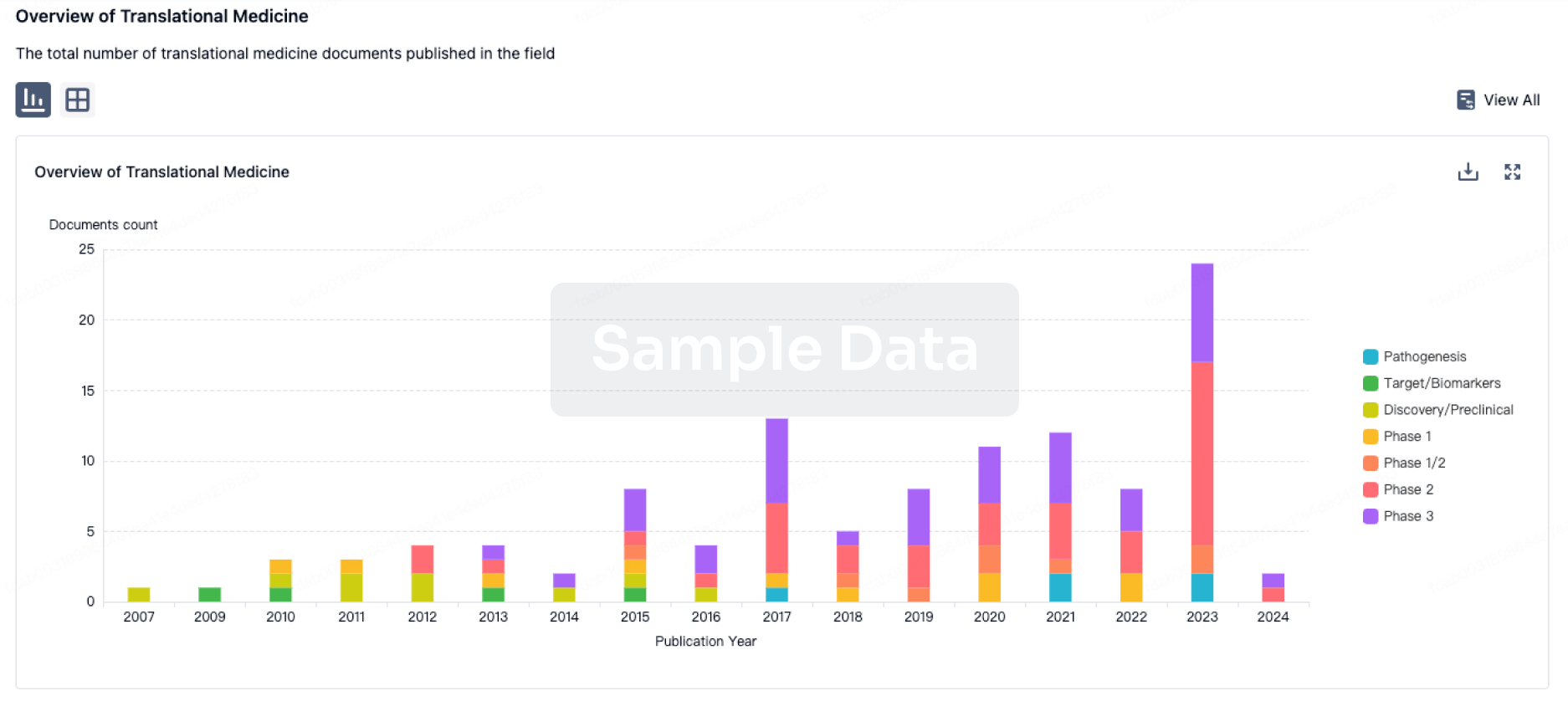
Translational Medicine
Boost your research with our translational medicine data.
login
or
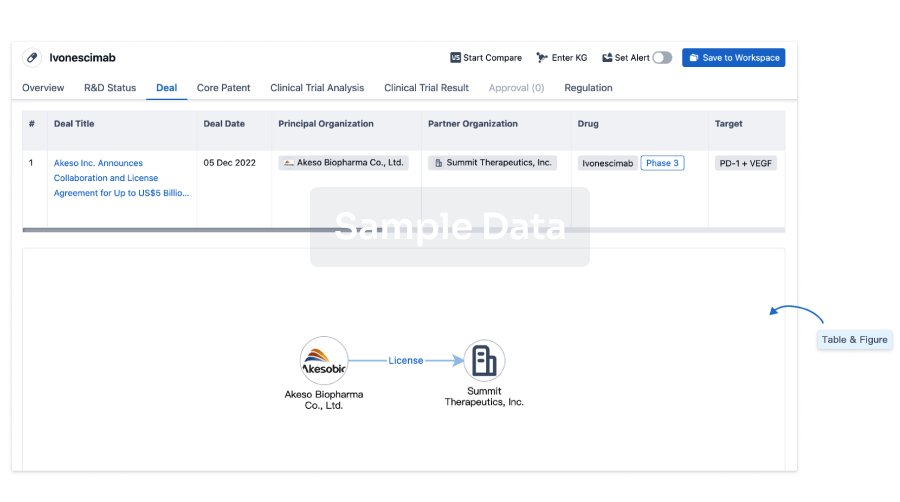
Deal
Boost your decision using our deal data.
login
or
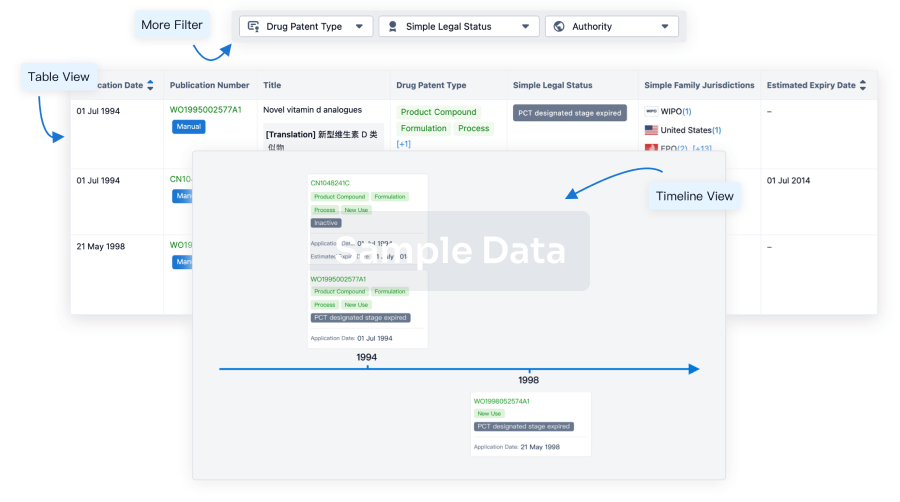
Core Patent
Boost your research with our Core Patent data.
login
or
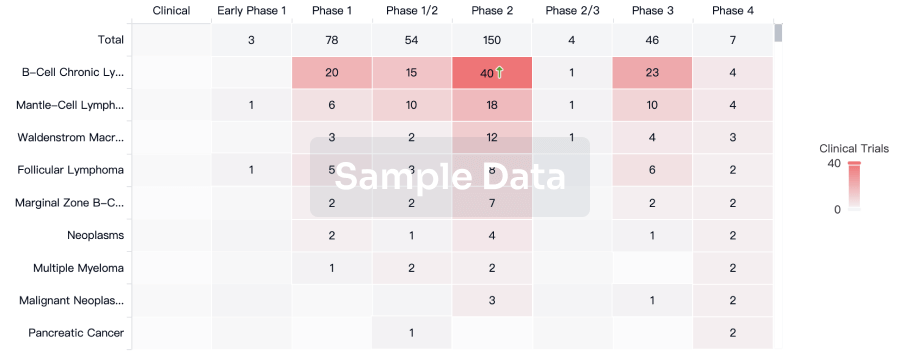
Clinical Trial
Identify the latest clinical trials across global registries.
login
or
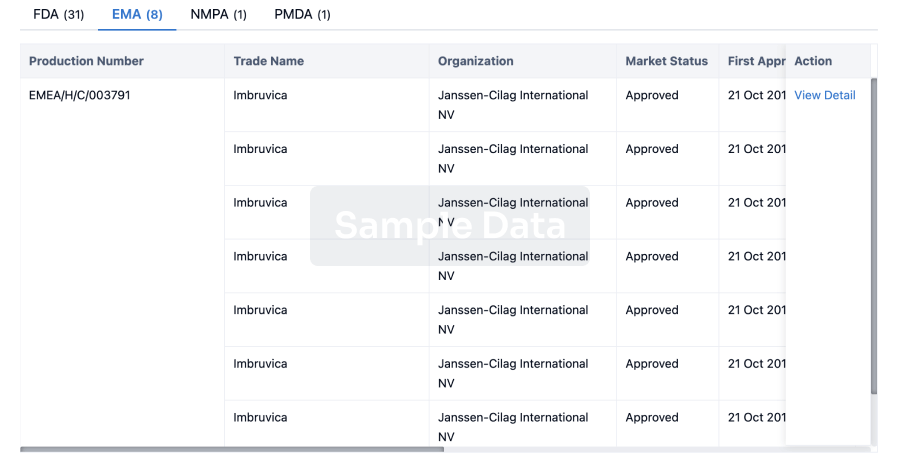
Approval
Accelerate your research with the latest regulatory approval information.
login
or
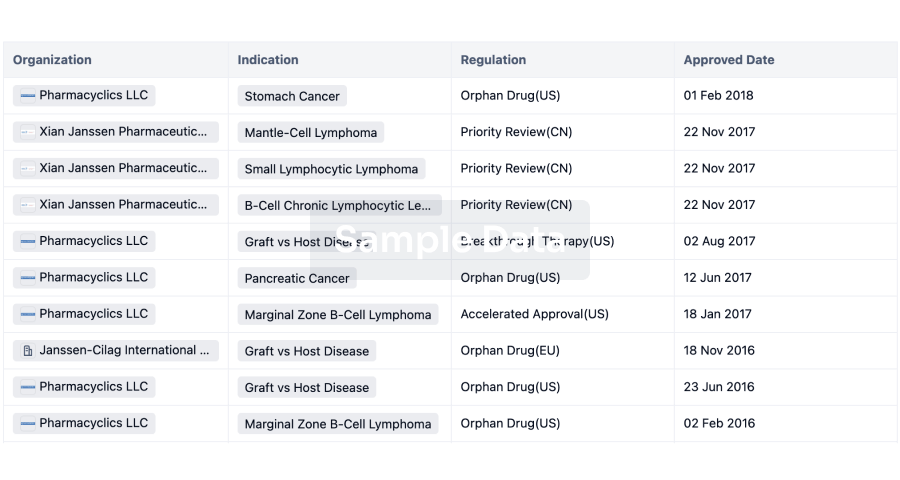
Regulation
Understand key drug designations in just a few clicks with Synapse.
login
or
AI Agents Built for Biopharma Breakthroughs
Accelerate discovery. Empower decisions. Transform outcomes.
Get started for free today!
Accelerate Strategic R&D decision making with Synapse, PatSnap’s AI-powered Connected Innovation Intelligence Platform Built for Life Sciences Professionals.
Start your data trial now!
Synapse data is also accessible to external entities via APIs or data packages. Empower better decisions with the latest in pharmaceutical intelligence.
Bio
Bio Sequences Search & Analysis
Sign up for free
Chemical
Chemical Structures Search & Analysis
Sign up for free