Request Demo
Last update 04 Mar 2026

Fertility Centers of Illinois
Last update 04 Mar 2026
Overview
Related
NCT03519607
The Impact of a Self-help Coping App on Distress Levels in Men Experiencing Infertility
NCT03031990
Yoga and Infertility: The Impact of Yoga on Anxiety Reduction in Patients Undergoing in Vitro Fertilization or Elective Oocyte Freezing
NCT01465373
Comparison of the Effectiveness of Micronized Vaginal Progesterone (Endometrin, Ferring) Vs. Progesterone in Oil for Luteal Phase Support in Donor Egg Recipient IVF Cycles Utilizing Previously Vitrified Donor Oocytes
100 Clinical Results associated with Fertility Centers of Illinois
Login to view more data
Login to view more data
01 Oct 2025FERTILITY AND STERILITY
Cumulative pretrigger progesterone levels are not superior to single-day levels for predicting a failed cycle in fresh embryo transfer cycles
Article
Author: Dolitsky, Shelley ; Imudia, Anthony ; Yamasaki, Meghan ; Levy, Michael ; Harris, Benjamin S ; Uhler, Meike ; Boedeker, David ; Kallen, Caleb ; Banks, Nicole ; Devine, Kate ; Decherney, Alan ; Flannagan, Kerry ; Kanter, Jessica ; Hill, Micah ; Romanski, Phillip ; Hariton, Eduardo
01 Sep 2025FERTILITY AND STERILITY
Improved outcomes in euploid single embryo transfer: let “natural” take its course for endometrial preparation?
Author: Hirshfeld-Cytron, Jennifer ; Kelly, Sean
01 Apr 2025REPRODUCTIVE BIOMEDICINE ONLINE
The tortoise or the hare? Accelerating freezing and thawing
Review
Author: Liebermann, Juergen
The freezing of living cells and their survival after thawing developed into a discipline that we call cryobiology. The idea of freezing cells at low temperature was to serve the purpose of storing living cells indefinitely in a state of suspended animation, meaning that no ageing, metabolism or alteration of those cells would occur. The challenge for all scientists was to find protocols that would secure survival during exposure and storage at low temperatures, and subsequently return the cells to physiological conditions and environments. A critical factor was the concern that ice crystals can freeze intracellularly. This can occur if cells are cooled too rapidly, without an osmotically sufficient removal of water to eliminate supercooling. In the 1990s and at the start of the 2000s, two cryopreservation strategies ruled the field of cryobiology: traditional slow freezing protocols and vitrification protocols. Today, vitrification protocols dominate the cryopreservation of living cells, with a continued acceleration in the improvement of vitrification and warming protocols.
100 Deals associated with Fertility Centers of Illinois
Login to view more data
100 Translational Medicine associated with Fertility Centers of Illinois
Login to view more data
Corporation Tree
Boost your research with our corporation tree data.
login
or

Pipeline
Pipeline Snapshot as of 10 Mar 2026
No data posted
Login to keep update
Deal
Boost your decision using our deal data.
login
or

Translational Medicine
Boost your research with our translational medicine data.
login
or

Profit
Explore the financial positions of over 360K organizations with Synapse.
login
or

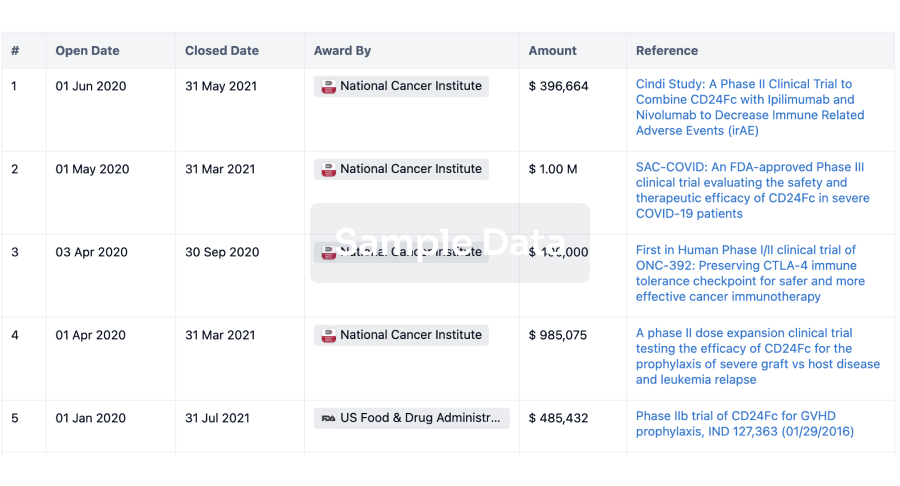
Grant & Funding(NIH)
Access more than 2 million grant and funding information to elevate your research journey.
login
or
Investment
Gain insights on the latest company investments from start-ups to established corporations.
login
or

Financing
Unearth financing trends to validate and advance investment opportunities.
login
or

AI Agents Built for Biopharma Breakthroughs
Accelerate discovery. Empower decisions. Transform outcomes.
Get started for free today!
Accelerate Strategic R&D decision making with Synapse, PatSnap’s AI-powered Connected Innovation Intelligence Platform Built for Life Sciences Professionals.
Start your data trial now!
Synapse data is also accessible to external entities via APIs or data packages. Empower better decisions with the latest in pharmaceutical intelligence.
Bio
Bio Sequences Search & Analysis
Sign up for free
Chemical
Chemical Structures Search & Analysis
Sign up for free