Request Demo
Last update 29 Aug 2025

Jahra Hospital
Last update 29 Aug 2025
Overview
Related
NCT06251895
Association of the Systemic Immune-inflammation Index (SII) and Severity of Diabetic Ketoacidosis in Patients With Type 1 Diabetes Mellitus: A Retrospective Cohort Study
100 Clinical Results associated with Jahra Hospital
Login to view more data
Login to view more data
01 Aug 2025Indian Journal of Otolaryngology and Head & Neck Surgery
Inflammatory Pediatric Grisel Syndrome Secondary to Acute Adenoiditis: A Rare Case Report and Review of Literature
Article
Author: Thomas, Irine Aleyamma ; Joseph, Neenu Anna ; Kaipuzha, Ramiya Ramachandran ; Philip, Angel Cham ; Pulimoottil, Davis Thomas
Grisel's syndrome is a rare condition characterized by non-traumatic atlantoaxial subluxation, typically secondary to inflammatory processes or surgical interventions in the head and neck region. The literature suggests a rare incidence of approximately 1:100,000,000 per year without gender predilection.The syndrome is often associated with an abnormal head posture and can lead to serious neurological complications if not diagnosed and treated promptly. This paper reviews the pathophysiology, clinical presentation, diagnostic approach, and management strategies for Grisel's syndrome, emphasizing the importance of early recognition to prevent morbidity. A 7-year-old boy presented with torticollis, head tilt to the left, nasal obstruction, purulent nasal discharge, headache, and fever for 3 days. Examination showed painful head tilt to left, with neck rotation to the right and no neurological deficits. Nasopharyngoscopy revealed inflamed adenoid tissue with purulent discharge. CT scan showed a Fielding type I rotatory atlantoaxial subluxation. He was treated with intravenous antibiotics, analgesics, and a cervical collar. He became symptomatically better after 7 days of treatment and on follow-up, he had fully recovered and returned to normal activities. We performed a systematic review of the literature following the preferred reporting items for Systematic reviews. Literature searches were conducted in web-based search engines using MeSH terms and key words. Grisel's syndrome, though rare, should be considered in pediatric patients presenting with painful torticollis following upper respiratory infections or head and neck procedures. Prompt diagnosis through radiographic imaging and early intervention can prevent severe complications and improve patient outcomes.
01 May 2025PUBLIC HEALTH
Prevalence of atherosclerotic cardiovascular disease in people with type 2 diabetes in the Gulf Region: Results from the PACT-MEA study
Article
Author: Alwazaq, Sara ; Alkandari, Hessa ; Malik, Rayaz Ahmed ; Noor, Husam ; Elhadd, Tarik ; ElMohamedy, Hisham ; Subbarao, Guruprasad ; Alamuddin, Naji ; Jayyousi, Amin ; Chetty, Shashikanth ; AlDahi, Waleed ; Alromaihi, Dalal ; Shalaby, Ahmed
OBJECTIVES:
This study aimed to determine the prevalence and risk for atherosclerotic cardiovascular disease (ASCVD) in patients with type 2 diabetes (T2D) in Bahrain, Kuwait, and Qatar. The study will help to inform the country's health systems in identifying opportunities and challenges for optimal management of T2D and ASCVD.
STUDY DESIGN:
The study was a sub-analysis within the PACT-MEA study, a noninterventional, cross-sectional, observational study, which included 1062 adults from Bahrain, Kuwait, and Qatar diagnosed with T2D.
METHODS:
The presence and the risk of ASCVD were determined from patient medical records. Statistical analyses included prevalence estimates stratified by sex, age and ASCVD type.
RESULTS:
Among the three countries included in this study, Bahrain had the highest prevalence at 36.6 %, followed by Qatar and Kuwait at 23.4 % and 19.4 %, respectively. The unweighted prevalence was significantly higher in men and increased with age. Coronary artery disease was the most common type of ASCVD, followed by cerebrovascular and peripheral artery disease. Furthermore, participants in all three countries were classified as having a high or very high ASCVD risk based on the European Society of Cardiology 2021 guidelines.
CONCLUSION:
Based on the prevalence in this study, one in five participants had established ASCVD across Bahrain, Kuwait, and Qatar, and all the participants investigated were at high or very high risk. Study results indicate an immediate need to implement policy measures that include preventative strategies on the common risk factors to reduce the high CVD mortality and morbidity in the Gulf Region.
01 Mar 2025Indian Journal of Otolaryngology and Head & Neck Surgery
Ossicular Reconstruction in Chronic Otitis Media: A Systematic Review
Article
Author: Ajith, Parvaty ; Karthikeyan, P ; Kaipuzha, Ramiya Ramachandran ; Thomas, Irine ; Pulimoottil, Davis Thomas ; Joy, Sneha Mary
Ossicular discontinuity is the most common cause of conductive hearing loss. Between 40 and 90% of tympanoplasties require middle ear ossicular chain reconstruction. The objective of this review is to segregate the literature on the outcome of various available graft materials in ossicular reconstruction, the preoperative predictors of ossicular necrosis and to find the risk of residual cholesteatoma in autologous incus ossiculoplasty. English language databases, including MEDLINE, Science Direct, PubMed, Web of Science and the Google Scholar search engine, were searched from 1950 to 2021, using the MeSH keywords: Chronic Otitis media, Middle ear, Ossicular reconstruction. The available evidence is not sufficient and there is a need for much more clinical research with larger sample sizes in order to standardize ossiculoplasty techniques, an ideal ossicular prosthesis and to rule out the presence of squamous epithelium in eroded ossicles which may predispose for future recurrences.
100 Deals associated with Jahra Hospital
Login to view more data
100 Translational Medicine associated with Jahra Hospital
Login to view more data
Corporation Tree
Boost your research with our corporation tree data.
login
or

Pipeline
Pipeline Snapshot as of 18 Mar 2026
No data posted
Login to keep update
Deal
Boost your decision using our deal data.
login
or

Translational Medicine
Boost your research with our translational medicine data.
login
or

Profit
Explore the financial positions of over 360K organizations with Synapse.
login
or

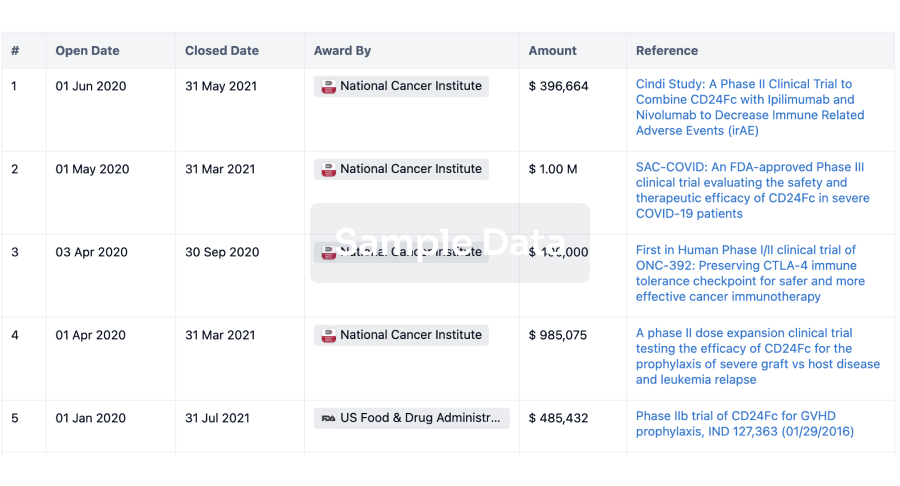
Grant & Funding(NIH)
Access more than 2 million grant and funding information to elevate your research journey.
login
or
Investment
Gain insights on the latest company investments from start-ups to established corporations.
login
or

Financing
Unearth financing trends to validate and advance investment opportunities.
login
or

AI Agents Built for Biopharma Breakthroughs
Accelerate discovery. Empower decisions. Transform outcomes.
Get started for free today!
Accelerate Strategic R&D decision making with Synapse, PatSnap’s AI-powered Connected Innovation Intelligence Platform Built for Life Sciences Professionals.
Start your data trial now!
Synapse data is also accessible to external entities via APIs or data packages. Empower better decisions with the latest in pharmaceutical intelligence.
Bio
Bio Sequences Search & Analysis
Sign up for free
Chemical
Chemical Structures Search & Analysis
Sign up for free