Request Demo
Last update 29 Aug 2025

Persian Gulf University
Last update 29 Aug 2025
Overview
Related
IRCT20240716062442N1
The Comparison of Face-to-face and Web-based EMDR Efficacy on Psychological Symptoms, Cognitive Functions and Cognitive-Emotional Features in Generalized Anxiety Disorder
IRCT20210213050343N2
Efficacy of cognitive behavioral therapy (CBT) and virtual reality exposure therapy (VRET) on fear of negative evaluation and social anxiety disorder symptoms among adolescents
IRCT20211210053345N1
The Effects of Neurofeedback on Attention Deficit Hyperactivity Disorder Symptoms, Time Perception and Mindfulness in Adults
100 Clinical Results associated with Persian Gulf University
Login to view more data
Login to view more data
01 Jan 2026CLINICA CHIMICA ACTA
Exosomal RNA biomarkers in pancreatic ductal adenocarcinoma: Systematic review and meta-analysis
Review
Author: Abbas Abadi, Aida Zandi ; Zareardalan, Mina ; Jafari, Davod ; Hatami, Haniyeh ; Mirzazad, Marziyeh ; Mobarezi, Zahra ; Salari, Ghazal ; Tiyuri, Amir ; Mojaveri, Anahita Ebrahimi
Pancreatic cancer is a highly lethal malignancy, ranking tenth in incidence among all cancers and standing as the fourth leading cause of cancer-related mortality worldwide. This systematic review and meta-analysis evaluated the diagnostic performance of exosomal biomarkers for detecting pancreatic ductal adenocarcinoma (PDAC). A total of 1,666 records were identified through comprehensive searches in Scopus, Web of Science, and PubMed. After removing duplicates and screening titles, abstracts, and full texts, 15 studies comprising 1,961 individuals (971 PDAC patients and 990 controls) were included. The quality of studies was assessed using the QUADAS-2 tool, revealing potential biases mainly in patient selection and index test domains. Three biomarker categories were analyzed: exosomal microRNAs (exomiRs), cancer antigen 19-9 (CA 19-9), and glypican-1 (GPC1). ExomiRs demonstrated the highest pooled sensitivity (0.86; 95 % CI: 0.80-0.90) and lowest negative likelihood ratio (0.16; 95 % CI: 0.11-0.24), while CA 19-9 showed the highest specificity (0.91; 95 % CI: 0.84-0.95) and positive likelihood ratio (8.5; 95 % CI: 4.4-16.4). ExomiRs also had the highest diagnostic odds ratio (DOR = 35.4; 95 % CI: 18.7-67.0) and area under the SROC curve (AUC = 0.92; 95 % CI: 0.89-0.94), indicating superior diagnostic performance compared to CA 19-9 and GPC1 (AUC = 0.88 and 0.78, respectively). GPC1 consistently showed lower diagnostic metrics across all analyses. Deeks' funnel plot suggested no publication bias for CA 19-9 and GPC1, but indicated potential bias for exomiRs (P = 0.01). Overall, exomiRs appear to be promising non-invasive biomarkers for the early detection of PDAC, outperforming traditional and other exosome-based markers in diagnostic accuracy.
31 Dec 2025Journal of the International Society of Sports Nutrition
Effects of small sided football and date seed (Phoenix dactylifera) powder supplementation on liver enzymes in inactive college subjects: an interventional study
Article
Author: Zar, Abdossaleh ; Khaleghi, Mohammad Mehdi ; Sadeghipour, Hamid Reza
PURPOSE:
In recent years, the rising prevalence of metabolic disorders and liver dysfunction due to sedentary lifestyles and poor nutrition has become a growing health concern. This study investigates the effects of small sided football (SSF) and date seed powder (DSP) supplementation on liver enzymes, including aspartate aminotransferase (AST), alanine aminotransferase (ALT), alkaline phosphatase (ALP), and the ALT/AST ratio in inactive college subjects.
METHODS:
Fifteen inactive male dormitory residents aged 21.53 ± 1.88 years (height: 174.46 ± 4.88 cm, weight: 67.67 ± 11.05 kg), who exclusively consumed university cafeteria meals, participated in two football matches. Between these matches, they consumed 0.25 g/kg of body weight of DSP thrice weekly for four weeks. Blood samples and anthropometric indices were collected before and after each game.
RESULTS:
The results indicated that SSF alone led to a reduction in ALT, ALP, and the ALT/AST ratio, while increasing AST levels (p > 0.05). Furthermore, it was observed that supplementation with DSP resulted in an increase in ALT, AST (p = 0.019), and ALP, along with a decrease in the ALT/AST ratio. Additionally, the findings revealed that SSF following one month of DSP supplementation led to an increase in ALT, AST (p = 0.002), and ALP (p = 0.035), while decreasing the ALT/AST ratio.
CONCLUSIONS:
Four weeks of supplementation with DSP and SSF can improve liver enzyme levels, such as ALT, AST, and ALP, which indicate physiological adaptation to exercise and the potential impact of supplements on liver metabolism.
01 Dec 2025SEPARATION AND PURIFICATION TECHNOLOGY
Advancing humic acids extraction procedures: A review of methods, innovations, and sustainability challenges
Author: Allahkarami, Ebrahim ; Allahkarami, Esmaeil ; Azadmehr, Amirreza ; Rezai, Bahram
This paper provides a review of various methods for extracting humic acids from coal, focusing on their efficiency, and environmental challenges.Humic acids, a critical organic compound, is used extensively in agriculture to improve soil fertility, in environmental remediation to detoxify pollutants, and in various industrial applications.The primary sources for humic acids extraction include lignite and leonardite, while common extraction methods involve alk. extraction followed by acid precipitation, along with other emerging techniques such as hydrothermal, enzymic, and microwave-assisted methods.Each method offers specific benefits and drawbacks.Alk. extraction, while effective in isolating humic acids, often involve hazardous chems. and energy-intensive processes, posing sustainability challenges.Newer methods, such as supercritical fluid extraction, ultrasonic waves, and microwave-assisted extraction, are emerging as promising alternatives that reduce processing time and environmental impact.These innovative approaches demonstrate potential in optimizing yield, enhancing purity, and minimizing ecol. footprints.Future research should prioritize refining these green extraction techniques and exploring integration with other coal byproduct recovery operations to maximize resource utilization and minimize waste.Overall, advancing sustainable extraction methodologies for humic acids not only addresses pressing environmental concerns but also leverages an abundant resource to support circular economy models and foster environmental stewardship across coal-dependent industries.
100 Deals associated with Persian Gulf University
Login to view more data
100 Translational Medicine associated with Persian Gulf University
Login to view more data
Corporation Tree
Boost your research with our corporation tree data.
login
or

Pipeline
Pipeline Snapshot as of 12 Mar 2026
No data posted
Login to keep update
Deal
Boost your decision using our deal data.
login
or

Translational Medicine
Boost your research with our translational medicine data.
login
or

Profit
Explore the financial positions of over 360K organizations with Synapse.
login
or

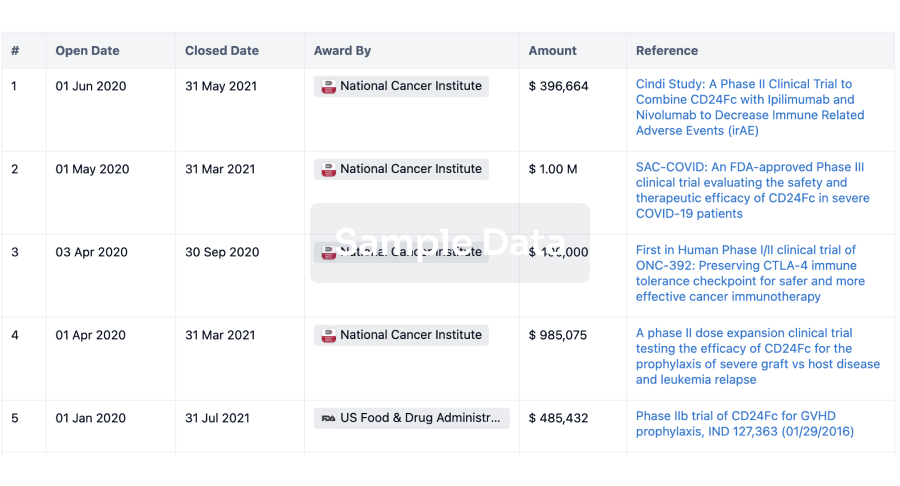
Grant & Funding(NIH)
Access more than 2 million grant and funding information to elevate your research journey.
login
or
Investment
Gain insights on the latest company investments from start-ups to established corporations.
login
or

Financing
Unearth financing trends to validate and advance investment opportunities.
login
or

AI Agents Built for Biopharma Breakthroughs
Accelerate discovery. Empower decisions. Transform outcomes.
Get started for free today!
Accelerate Strategic R&D decision making with Synapse, PatSnap’s AI-powered Connected Innovation Intelligence Platform Built for Life Sciences Professionals.
Start your data trial now!
Synapse data is also accessible to external entities via APIs or data packages. Empower better decisions with the latest in pharmaceutical intelligence.
Bio
Bio Sequences Search & Analysis
Sign up for free
Chemical
Chemical Structures Search & Analysis
Sign up for free