Request Demo
Last update 10 Dec 2025

Kardium, Inc.
Last update 10 Dec 2025
Overview
Related
NCT06973031
A Prospective Clinical Study to Evaluate the Safety and Effectiveness of Pulmonary Vein Isolation Plus Box Isolation of Fibrotic Areas With the Globe® Pulsed Field System for Treating Patients With Symptomatic Paroxysmal or Persistent Atrial Fibrillation
NCT05462145
A Prospective, Multicenter Clinical Study to Evaluate the Safety and Effectiveness of the Globe® Pulsed Field System for Treating Patients With Symptomatic Paroxysmal or Persistent Atrial Fibrillation
NCT05164107
PULSE-EU - A Prospective, Non-Randomized Clinical Pilot Study to Assess Safety and Performance of a Pulsed Field Device for Global Mapping and Ablation of the Left Atrium for the Treatment of Atrial Fibrillation
100 Clinical Results associated with Kardium, Inc.
Login to view more data
Login to view more data
01 Jan 2018Innovations (Philadelphia, Pa.)
A New Device for Securing Sternal Wires after Median Sternotomy
Article
Author: Saari, Amy ; Cheung, Anson ; Danter, Matthew R. ; Gao, Min ; Abel, James G. ; Lichtenstein, Samuel V.
Objective:
Morbidity due to sternotomy continues to be a significant clinical problem. Poor approximation of the sternum may lead to complications such as sternal dehiscence, infection, and pain. A device to assist in tensioning and twisting standard steel wires during sternal closure has been developed (TORQTM sternal closure device). Manually tightened interrupted wire closures were compared with those tightened and secured with the aid of the device. Performance of the device was assessed clinically.
Methods:
Four cardiovascular surgeons performed manual and device-assisted closures on a biofidelic model. Closure force was measured to determine the residual force and its intraoperator variation. A retrospective review of patients treated before and after the introduction of the device was conducted. Predicted and actual outcomes were compared for the two groups (manual closure and deviceassisted closure).
Results:
Biomechanical testing measured a 75% increase in residual closure force ( P < 0.001) and a significant reduction in the variability of the closure force ( P = 0.045) for device-assisted closures compared with manual closures. In the retrospective study, 3 of 173 manually closed patients had sterile sternal dehiscence and 1 of 173 had a deep sternal wound infection. In the device closure group, 2 of 127 had a sterile sternal dehiscence and no deep sternal wound infections were reported. No other device-related serious adverse events were reported.
Conclusions:
Biomechanical data showed stronger, more consistent closure forces with the device. The retrospective data attest to the performance of the device.
10 Sep 2025
Drug Approval
09 Sep 2025
Breakthrough Therapy
03 Sep 2025

100 Deals associated with Kardium, Inc.
Login to view more data
100 Translational Medicine associated with Kardium, Inc.
Login to view more data
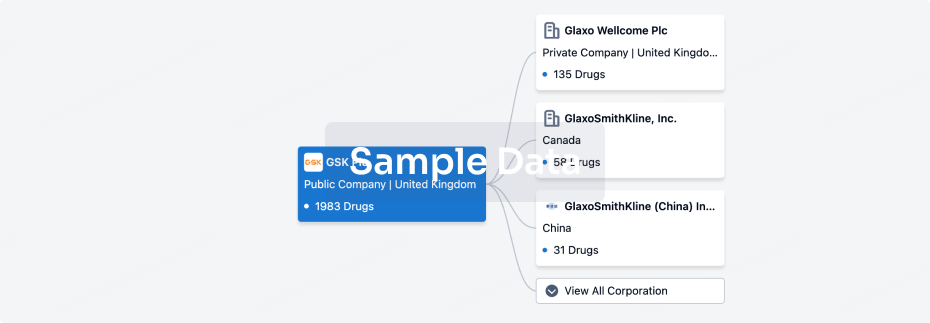
Corporation Tree
Boost your research with our corporation tree data.
login
or
Pipeline
Pipeline Snapshot as of 21 Dec 2025
No data posted
Login to keep update
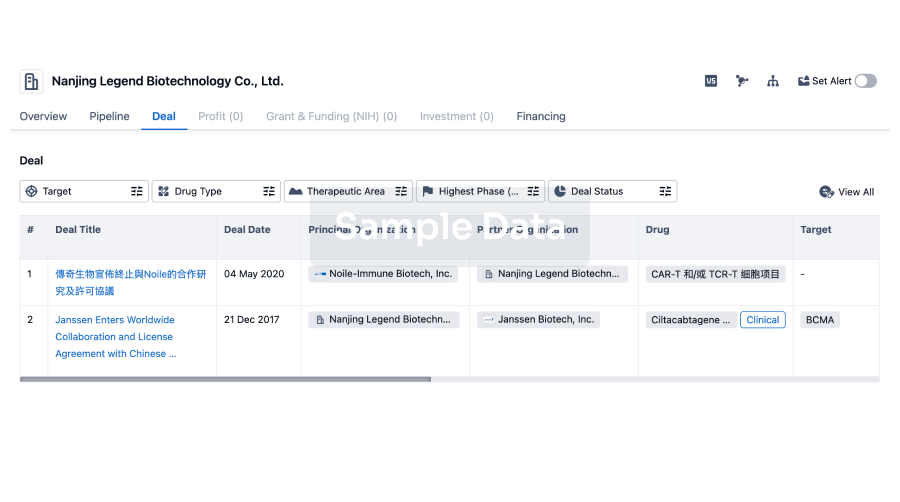
Deal
Boost your decision using our deal data.
login
or
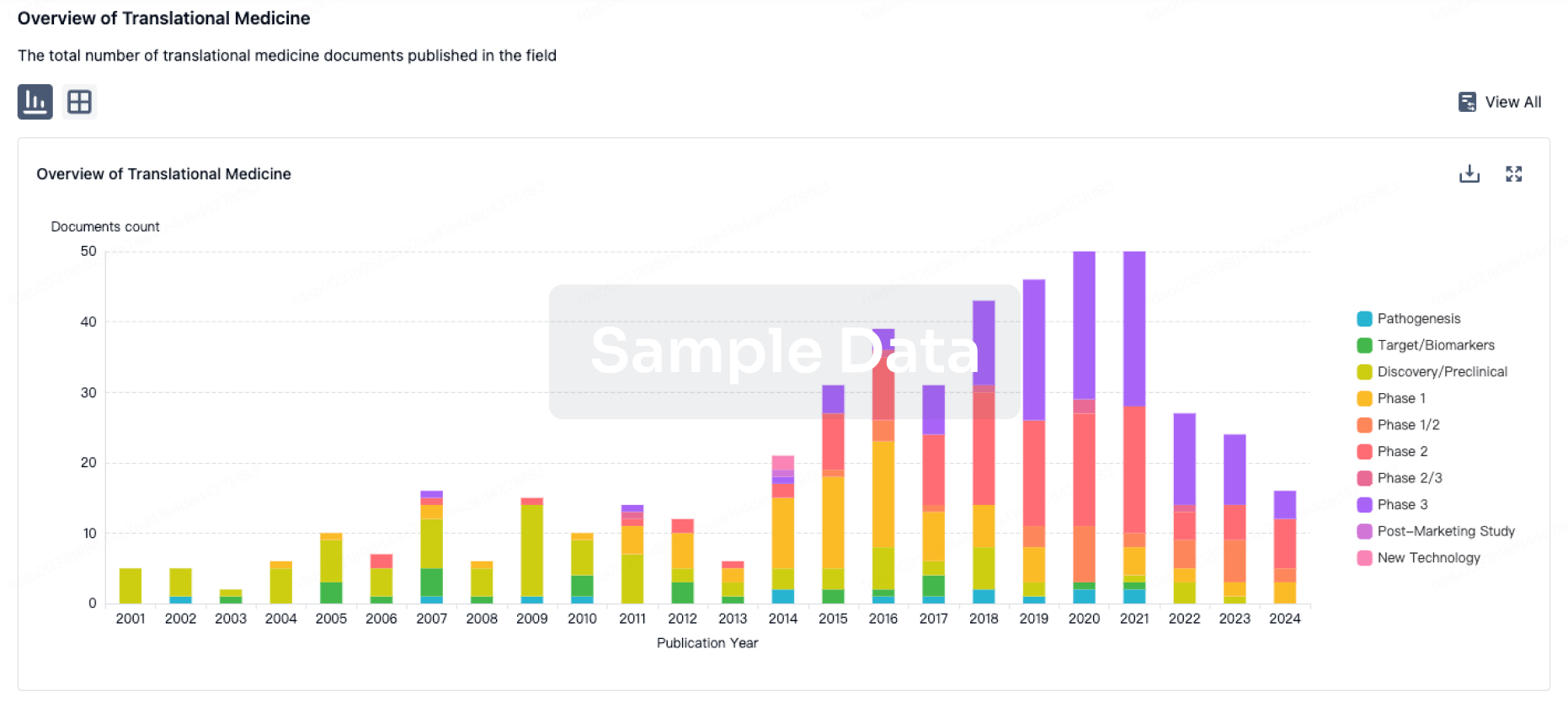
Translational Medicine
Boost your research with our translational medicine data.
login
or
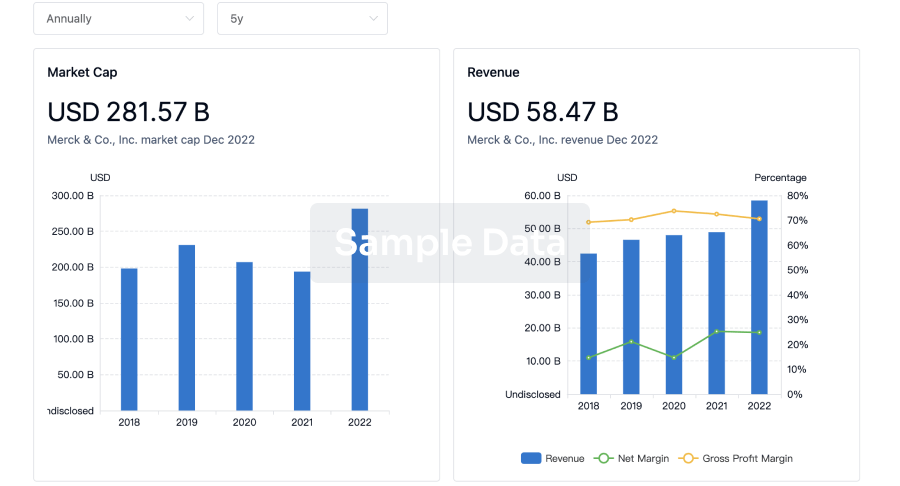
Profit
Explore the financial positions of over 360K organizations with Synapse.
login
or
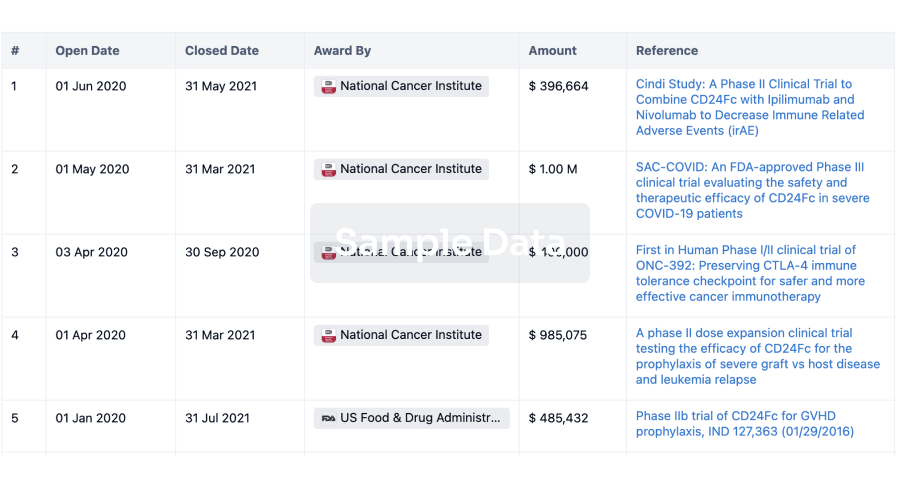
Grant & Funding(NIH)
Access more than 2 million grant and funding information to elevate your research journey.
login
or
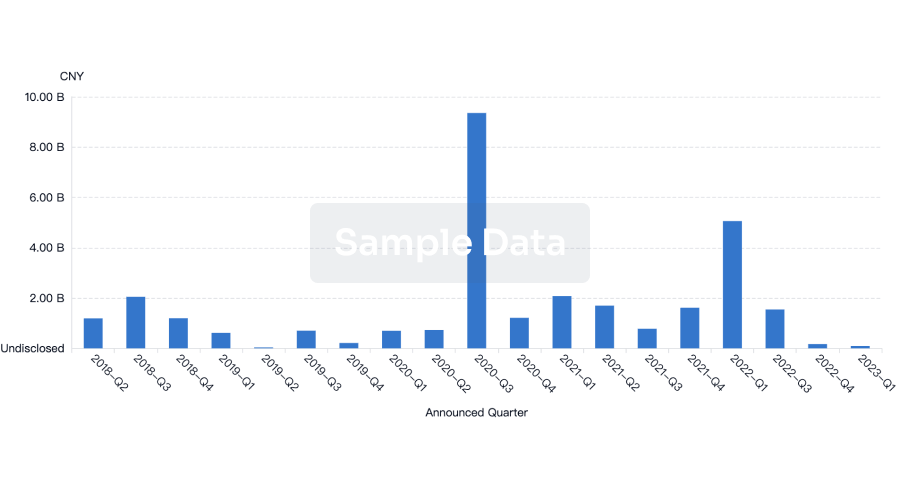
Investment
Gain insights on the latest company investments from start-ups to established corporations.
login
or
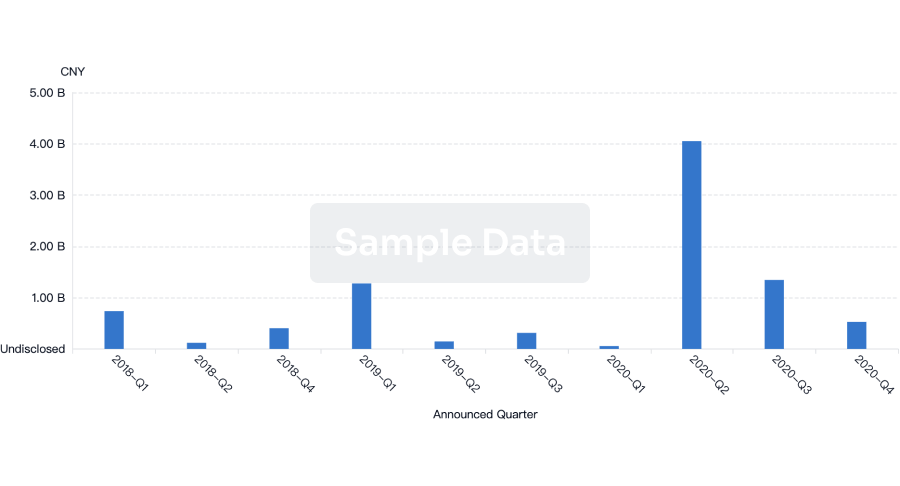
Financing
Unearth financing trends to validate and advance investment opportunities.
login
or
AI Agents Built for Biopharma Breakthroughs
Accelerate discovery. Empower decisions. Transform outcomes.
Get started for free today!
Accelerate Strategic R&D decision making with Synapse, PatSnap’s AI-powered Connected Innovation Intelligence Platform Built for Life Sciences Professionals.
Start your data trial now!
Synapse data is also accessible to external entities via APIs or data packages. Empower better decisions with the latest in pharmaceutical intelligence.
Bio
Bio Sequences Search & Analysis
Sign up for free
Chemical
Chemical Structures Search & Analysis
Sign up for free