Request Demo
Last update 07 Dec 2025

Mälardalen University
Last update 07 Dec 2025
Overview
Related
NCT06719206
Reduce Sedentary Behavior During Cancer Treatment - the RedSedCan Study
NCT06600685
Functionally Oriented Music Therapy (FMT) In The Treatment Of Long Term Pain
NCT06893471
From Annual Measurements to Daily Improvements: Evaluation of a Method for Improving Systematic Work Environment Management

100 Clinical Results associated with Mälardalen University
Login to view more data
Login to view more data
31 Dec 2025International Journal of Qualitative Studies on Health and Well-Being
Functionally oriented music therapy (FMT) in the treatment of long-term musculoskeletal pain. A qualitative observational study
Article
Author: Fritz, Johanna ; Eulau, Louise ; Alqarqani, Alhusayn ; Nordgren, Lena ; Lööf, Helena
PURPOSE:
The aim was to interpret and describe functionally oriented music therapy (FMT) as a method in the treatment of long-term musculoskeletal pain in a region in the middle of Sweden. A first step of a larger project aiming to study the method's effectiveness on participants pain and daily life qualitatively and quantitively.
METHODS:
The study was a qualitative observational study. Video observations were supplemented with semi-structured interviews with FMT therapists (n = 3) and participants with long-term musculoskeletal pain (n = 19). Collected data was analysed using thematic analysis.
RESULTS:
Five main themes were identified in connection with the main core theme of "Person centred tailored treatment". The video observations have shown no negative impacts during the sessions. Positive body language was observed (i.e. smiling, laughing) that's in line with curiosity and joyfulness. This was also confirmed in the interviews.
CONCLUSIONS:
FMT holds promise as a therapeutic treatment for long-term musculoskeletal pain conditions. By utilizing music as a communication method alongside body language, individuals can experience pain relief, emotional regulation, and improved quality of life. Further research and clinical application of FMT can potentially enhance the overall care and well-being of individuals living with long-term musculoskeletal pain.
01 Dec 2025Data in Brief
Data for assigning a proxy variable for office worker in open-ended responses on occupation in Swedish questionnaires
Article
Author: Bälter, Katarina ; Tillander, Annika ; Lehtinen-Jacks, Susanna ; Singh, Nisha ; Ullberg, Oskar Halling ; Florin, Ulrika
In numerous research disciplines, including epidemiology, it is common to compare different occupational categories, such as office workers and non-office workers. When only self-reported occupation titles are available, it is necessary to categorize individuals based on their self-reported titles. Thus, the possibility to identify office workers via self-reported occupation titles can enhance research on the health and well-being of office workers in large population-based epidemiological studies, even without specific questions about office work. This paper introduces data and R code that can be used to assign a proxy variable for office worker based on responses to an open-ended question (OEQ) about occupation in Swedish questionnaires. The proxy variable is based on the Swedish Standard Classification of Occupations 2012 (SSYK 2012), which includes 8946 occupation titles. Using a translation key, the titles have been categorized into three groups: managers, white-collar workers, and blue-collar workers. White-collar workers (including managers) are considered office workers, while blue-collar workers are classified as non-office workers. The proxy variable has been refined using pilot data from the Swedish population-based epidemiological resource LifeGene. The R code, together with the proxy variable, can be used in any dataset with a Swedish OEQ about occupation, facilitating the categorization of respondents as either white-collar or blue-collar workers and serving as a proxy variable for office worker. The R code can be used for OEQs regardless of language, provided there is a dataset with a standard classification of occupation in the desired language.
01 Dec 2025MIDWIFERY
Learning in pairs in Swedish delivery wards: A win-win approach for midwifery preceptors and students
Article
Author: Widarsson, Margareta ; Velandia, Marianne ; Kerstis, Birgitta ; Pellfolk, Marie Grufman
PROBLEM:
Due to the varied support available for students, a need was identified to ensure quality and evidence-based supervision on equal terms for clinical studies.
BACKGROUND:
Midwifery preceptors are vital to clinical education as they support students in developing practical and professional skills. The Learning in Pairs (LiP model) encourages peer collaboration.
AIM:
To describe the experiences of preceptors and students in midwifery education during the implementation and use of the LiP model in delivery wards.
METHODS:
Four focus group interviews were conducted with ten midwifery preceptors and six students. Data were collected using open-ended questions and analysed through content analysis.
FINDINGS:
The LiP model supports collaboration, reflective practice, and development for midwifery students and preceptors. Clear guidelines and balanced distribution of tasks were key elements in creating a structured and supportive learning environment. The model fostered growth, confidence, and independence, symbolised by the theme "Planting Seeds for a Garden of Learning", which reflects sustainable learning in clinical education.
DISCUSSION:
Active support from preceptors facilitated student learning. Collaboration and role rotation contributed to increased independence and confidence. The LiP model fostered autonomy and teamwork, aligning with national guidelines that recommend two midwives working collaboratively during the active phase of the second stage of labour. Further follow-up research is warranted.
CONCLUSION:
Implementing the LiP model in midwifery education may create a win-win situation by fostering a learning environment and enabling more efficient use of supervisory resources through scheduling of students in pairs. It may facilitate students' learning processes by ensuring high-quality supervision during clinical education.
100 Deals associated with Mälardalen University
Login to view more data
100 Translational Medicine associated with Mälardalen University
Login to view more data
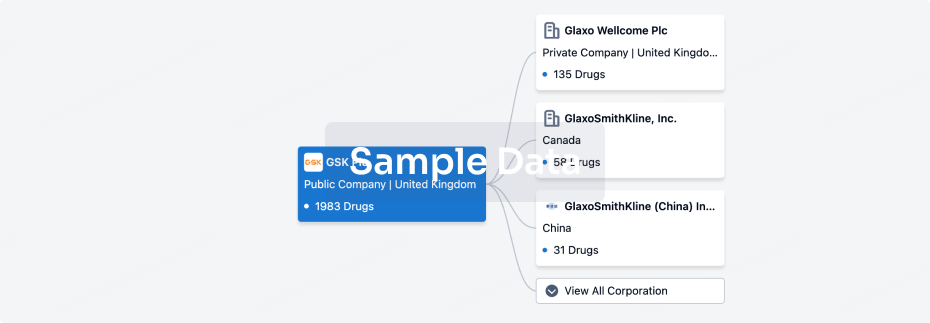
Corporation Tree
Boost your research with our corporation tree data.
login
or
Pipeline
Pipeline Snapshot as of 21 Dec 2025
No data posted
Login to keep update
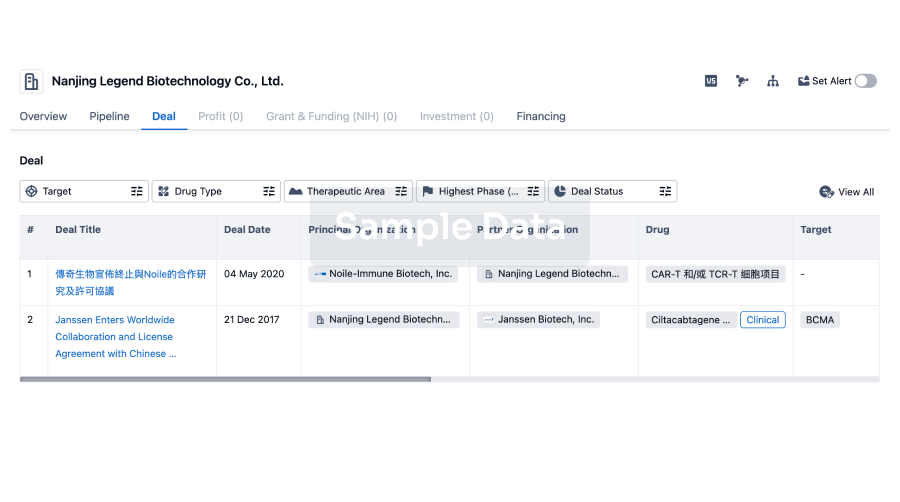
Deal
Boost your decision using our deal data.
login
or
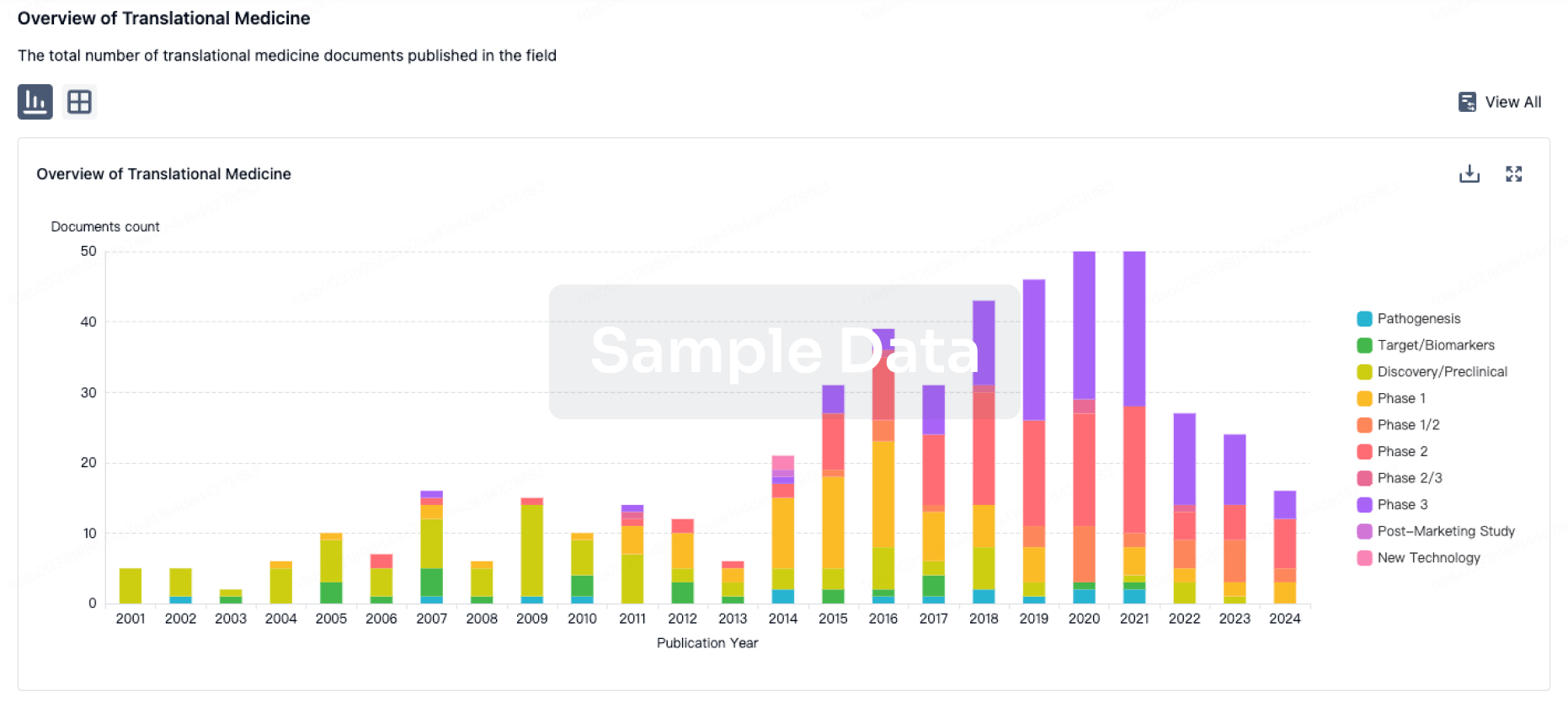
Translational Medicine
Boost your research with our translational medicine data.
login
or
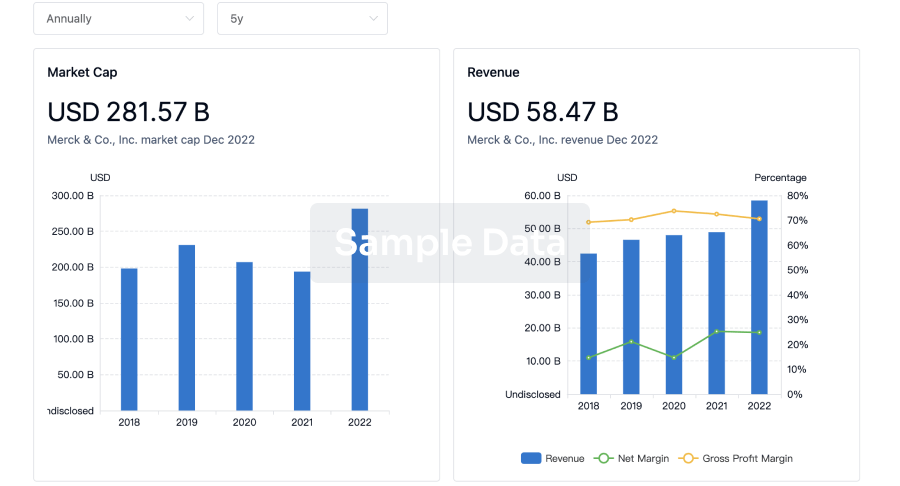
Profit
Explore the financial positions of over 360K organizations with Synapse.
login
or
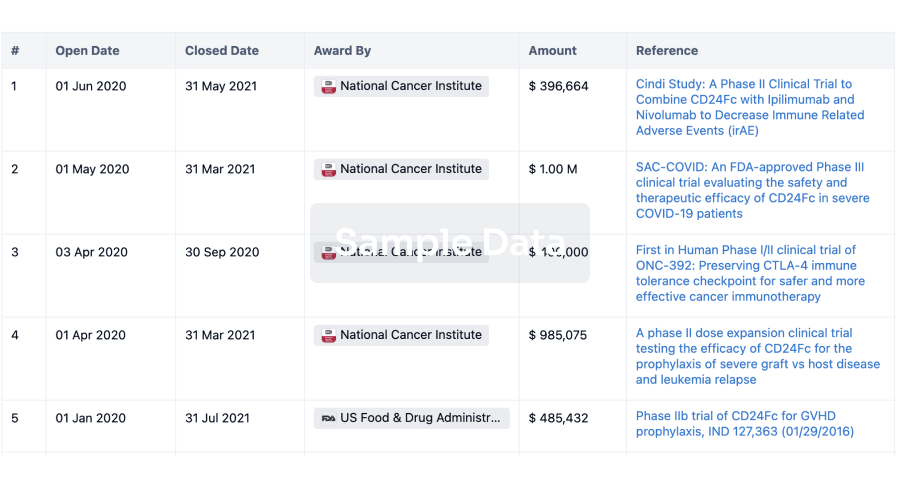
Grant & Funding(NIH)
Access more than 2 million grant and funding information to elevate your research journey.
login
or
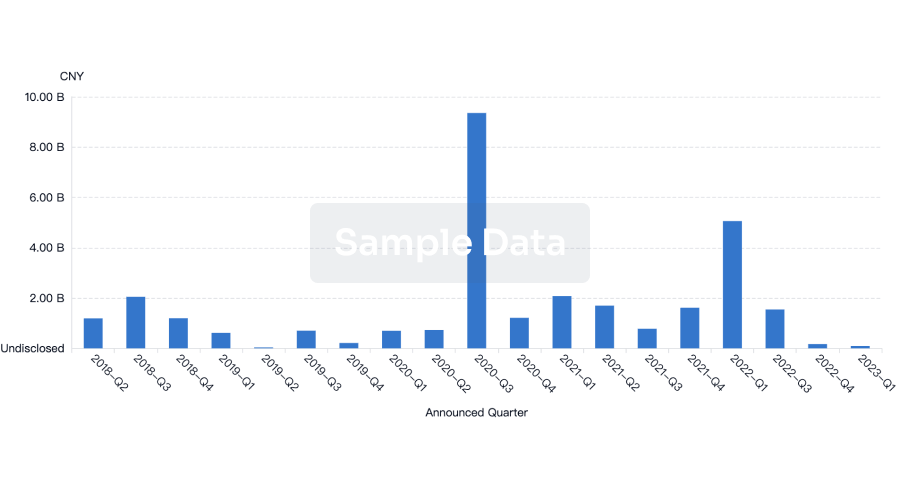
Investment
Gain insights on the latest company investments from start-ups to established corporations.
login
or
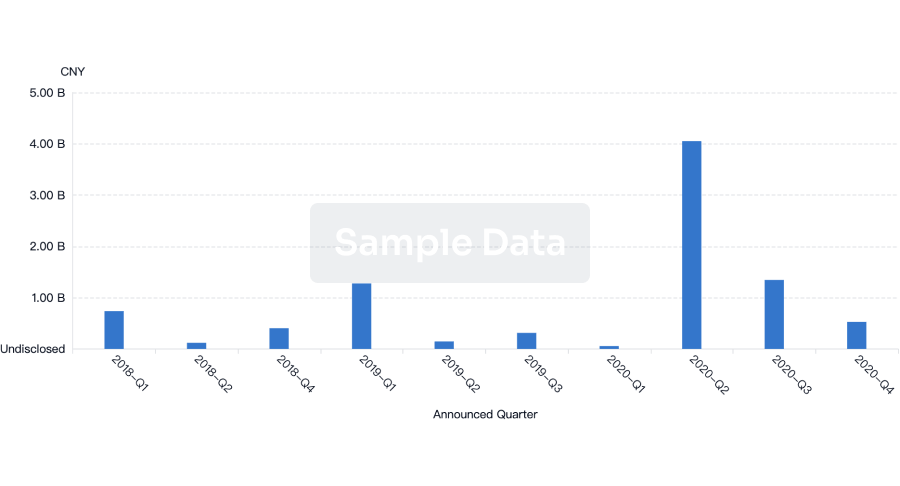
Financing
Unearth financing trends to validate and advance investment opportunities.
login
or
AI Agents Built for Biopharma Breakthroughs
Accelerate discovery. Empower decisions. Transform outcomes.
Get started for free today!
Accelerate Strategic R&D decision making with Synapse, PatSnap’s AI-powered Connected Innovation Intelligence Platform Built for Life Sciences Professionals.
Start your data trial now!
Synapse data is also accessible to external entities via APIs or data packages. Empower better decisions with the latest in pharmaceutical intelligence.
Bio
Bio Sequences Search & Analysis
Sign up for free
Chemical
Chemical Structures Search & Analysis
Sign up for free