Request Demo
Last update 05 Dec 2025

East Lancashire Hospitals NHS
Last update 05 Dec 2025
Overview
Related
NCT06985979
Exploring the Needs of High-intensity User Patients Within the Emergency Department: Informing the Development of a Psychosocial Service
NCT07011407
Facial Recognition in Acute Illness - The FACIAL Study

NCT05964140
Should we Use Post-operative Antibiotics Following Surgery for Patients With Mandible Fractures? The MANTRA Trial (MANdibular TRauma and Antibiotic Use)
100 Clinical Results associated with East Lancashire Hospitals NHS
Login to view more data
Login to view more data
01 Jan 2026ANNALS OF VASCULAR SURGERY
Evaluating the Clinical Profile of Thoracic Endovascular Aortic Repair in Blunt Thoracic Aortic Injury: A Systematic Review and Meta-Analysis
Review
Author: Bashir, Mohamad ; Jubouri, Yousif F ; Alaraj, Rami S N ; Abdelhaliem, Amr ; Qaisi, Aya F ; Surkhi, Abdelaziz O ; Moothathamby, Thurkga ; Rajput, Muhammad Nabil ; Al-Bunnia, Ahmed ; Jubouri, Matti ; Alsarayrah, Abdullah I ; Piffaretti, Gabriele ; Akasheh, Hani M
BACKGROUND:
Blunt thoracic aortic injury (BTAI) is a critical vascular emergency associated with high mortality rates. Thoracic endovascular aortic repair (TEVAR) is the gold-standard treatment for this condition. This meta-analysis seeks to comprehensively evaluate the clinical profile and outcomes associated with TEVAR in managing BTAI.
METHODS:
A systematic review was undertaken using a rigorous methodology. This involved conducting searches across multiple electronic databases using defined search terms while adhering to stringent preestablished inclusion and exclusion criteria in accordance with the Cochrane Handbook and the PRISMA 2020 guidelines. Proportional meta-analysis was executed using Comprehensive Meta-Analysis software (version 4).
RESULTS:
A total of 117 studies comprising 29,972 patients were analyzed. The mean age was 42.3 years, with 74.9% being male. The mean injury severity score was 35.9, and the distribution of BTAI Society for Vascular Surgery grades was as follows: Grade 1 at 8%, Grade 2 at 18.1%, Grade 3 at 62.3%, and Grade 4 at 14.9%. The in-hospital and 30-day mortality rate was reported at an aggregated rate of 6.2%. A meta-regression analysis investigating the relationship between mortality and delayed intervention (>24 h) demonstrated a significant inverse correlation. The incidence of postoperative stroke and endoleak was aggregated at 3.2% and 3%, respectively. Coverage of the left subclavian artery (LSA) was noted in 37.3% of the patients. A subanalysis was performed to examine the association between BTAI grade and 30-day mortality, which indicated a weak and nonsignificant correlation (regression coefficient: 0.455, P-value = 0.2588). In addition, a meta-regression assessing the relationship between LSA coverage and left arm symptoms did not yield a significant relationship. However, a significant inverse relationship was identified between LSA coverage and stroke incidence.
CONCLUSION:
The management of BTAI poses significant challenges because of its associated high morbidity and mortality rates. However, TEVAR has emerged as a safe and effective intervention, yielding favorable outcomes for patients. Early diagnosis and timely referral to trauma centers equipped with TEVAR capabilities are essential to enhance survival rates and overall patient prognosis.
01 Dec 2025Radiology case reports
Acute Stanford type B aortic dissection in a male: A case report
Article
Author: Sulaiman, Rafeeq Ahmed ; Teeli, Mehdi Hassan ; Jameel, Mohammed ; Cooper, Hannah
Acute aortic dissection (AAD) is a fatal cardio-vascular emergency initiated by an intimal breach in the aorta, leading to the delamination of its wall layers and the development of true and false lumina. Typically, Stanford Type B dissections are amenable to medical management unless complications develop. This report describes a 45-year-old hypertensive male who presented with acute, severe, constricting chest pain. Physical assessment identified a notable inter-arm blood pressure discrepancy. Emergency Computed Tomography Angiography (CTA) confirmed an acute Stanford Type B AAD, originating post to left subclavian artery and extending into the abdominal aorta and right common iliac artery, accompanied by mediastinal and pericardial hemorrhage. The patient promptly received aggressive medical therapy to stabilize hemodynamics (blood pressure and heart rate reduction) and was urgently transferred to a specialized cardio-thoracic intensive care facility. This case highlights the paramount importance of swift diagnosis and effective hemodynamic stabilization in managing acute aortic dissections.
01 Nov 2025ANNALS OF THE ROYAL COLLEGE OF SURGEONS OF ENGLAND
Management of persistent postoperative wound leakage after total hip and knee arthroplasty: a regional perspective in the north west of England
Article
Author: Topping, J ; Wheelton, A ; Wilkinson, H ; Warner, C. ; Rogers, S ; Sahl, AB ; Choi, M ; Hughes, L ; Coombe-Jones, M ; Usman, M ; Hoggett, L ; Fendius, S ; Cornish, E ; Naylor, T
Introduction:
There is a well-documented association between persistent wound drainage and the development of prosthetic joint infections in total hip (THA) and total knee arthroplasty (TKA). Despite this, there are no national clinical guidelines in the United Kingdom on the diagnosis or management of postoperative wound drainage. We aimed to evaluate what variability exists within clinical practice in the recognition and treatment of persistent wound leakage following THA and TKA.
Methods:
An anonymous online survey consisting of 12 multiple-choice questions was distributed among hip and knee arthroplasty consultants in the north west of England. Topics covered in the questionnaire included definition, diagnosis, classification, timing and treatment of persistent wound drainage.
Results:
Twelve orthopaedic centres across the region participated in data collection. A total of 65 consultants completed the questionnaire. Some 45% of respondents used a definition of persistent wound leakage after arthroplasty, which ranged from drainage beyond 48h to that lasting more than 2 weeks. Only 54% of consultants reported having a monitoring system in place for patients with persistent wound drainage after discharge from hospital. There was wide variation in the preferred timing of initiating both non-operative and surgical management of wound leakage, as well as different treatment modalities used. Most respondents rated C-reactive protein as the most useful serological marker in aiding decision making.
Conclusion:
The results demonstrate a lack of concurrence in the recognition and management of postoperative wound drainage. Formal national clinical guidelines are necessary to standardise practice.
100 Deals associated with East Lancashire Hospitals NHS
Login to view more data
100 Translational Medicine associated with East Lancashire Hospitals NHS
Login to view more data
Corporation Tree
Boost your research with our corporation tree data.
login
or

Pipeline
Pipeline Snapshot as of 04 Mar 2026
No data posted
Login to keep update
Deal
Boost your decision using our deal data.
login
or

Translational Medicine
Boost your research with our translational medicine data.
login
or

Profit
Explore the financial positions of over 360K organizations with Synapse.
login
or

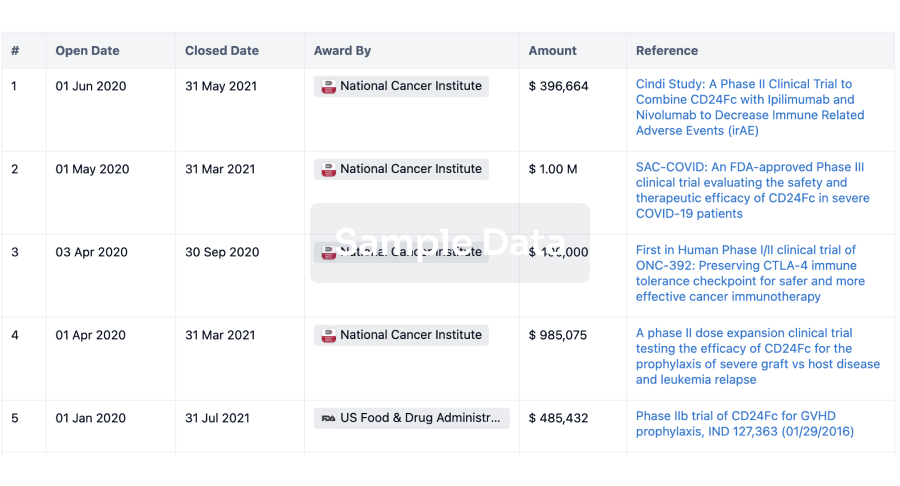
Grant & Funding(NIH)
Access more than 2 million grant and funding information to elevate your research journey.
login
or
Investment
Gain insights on the latest company investments from start-ups to established corporations.
login
or

Financing
Unearth financing trends to validate and advance investment opportunities.
login
or

AI Agents Built for Biopharma Breakthroughs
Accelerate discovery. Empower decisions. Transform outcomes.
Get started for free today!
Accelerate Strategic R&D decision making with Synapse, PatSnap’s AI-powered Connected Innovation Intelligence Platform Built for Life Sciences Professionals.
Start your data trial now!
Synapse data is also accessible to external entities via APIs or data packages. Empower better decisions with the latest in pharmaceutical intelligence.
Bio
Bio Sequences Search & Analysis
Sign up for free
Chemical
Chemical Structures Search & Analysis
Sign up for free