Request Demo
Last update 09 Dec 2025

Kobe Pharmaceutical University
Last update 09 Dec 2025
Overview
Tags
Nervous System Diseases
Other Diseases
Small molecule drug
Synthetic peptide
Disease domain score
A glimpse into the focused therapeutic areas

Technology Platform
Most used technologies in drug development
Targets
Most frequently developed targets
Related
Target |
Mechanism |
Active Org. |
Originator Org. |
Active Indication |
Inactive Indication |
Drug Highest Phase |
First Approval Ctry. / Loc. |
First Approval Date |
Target |
Mechanism |
Active Org. |
Originator Org. |
Active Indication |
Inactive Indication |
Drug Highest Phase |
First Approval Ctry. / Loc. |
First Approval Date |
Target |
Mechanism |
Active Org. |
Originator Org. |
Active Indication |
Inactive Indication |
Drug Highest Phase |
First Approval Ctry. / Loc. |
First Approval Date |
JPRN-UMIN000023716
Influence of water content in skin and transepidermal water loss on residual drug amount in used Fentos tape - Influence of water content in skin and transepidermal water loss on residual drug amount in used Fentos tape
100 Clinical Results associated with Kobe Pharmaceutical University
Login to view more data
Login to view more data
01 Jan 2026BIOORGANIC & MEDICINAL CHEMISTRY
Screening and identification of covalent Nrf2 activators with α,β-unsaturated imide structures
Article
Author: Nishimoto, Shuzo ; Muneyasu, Natsumi ; Izumi, Yasuhiko ; Takeda, Norihiko ; Takamatsu, Yuto ; Ueda, Masafumi ; Kano, Keiko ; Ishizu, Sayuri ; Mishiro-Sato, Emi ; Niimi, Honoka ; Yamaki, Kouya ; Koyama, Yutaka ; Yamada, Takahiro
The Kelch-like ECH-associated protein 1 (Keap1)-nuclear factor erythroid 2-related factor 2 (Nrf2) signaling pathway is a central regulator of cellular defense mechanisms against oxidative stress. The pharmacological activation of this pathway has emerged as a promising strategy for the treatment of diseases such as neurodegeneration and inflammation. In this study, we performed a high-throughput luciferase reporter assay to screen the original compound library comprising small molecules synthesized at Kobe Pharmaceutical University. Initial screening identified KU-0016, KU-0017, and KU-0171 as moderate activators of the Nrf2 pathway. Furthermore, structural comparison revealed a common α,β-unsaturated imide motif, which led to the synthesis of KU-0017-based analogs for structure-activity relationship analysis. Among them, KU-0479 exhibited potent Nrf2 activation and low cytotoxicity. Further assays demonstrated that KU-0479 increased the intracellular glutathione (GSH) levels and protected cells from hydrogen peroxide-induced oxidative damage in a GSH-dependent manner. Moreover, LC-MS analysis confirmed the formation of mono-GSH adducts, and covalent docking simulations suggested covalent binding at the Cys151 residue of Keap1. These findings highlight KU-0479 as a synthetically accessible covalent Nrf2 activator with favorable redox-modulating properties and therapeutic potential.
01 Nov 2025ANTIVIRAL RESEARCH
A novel synthetic bile acid derivative inhibits hepatitis B virus infection at entry step by interfering with the oligomerization of sodium taurocholate co-transporting polypeptide
Article
Author: Rsi Suwardana, Gede Ngurah ; Nagamori, Shushi ; Matsui, Chieko ; Shimotohno, Kunitada ; Nishitsuji, Hironori ; Abe, Takayuki ; Deng, Lin ; Gad, Sameh A ; Okitsu, Takashi ; Aly, Hussein H ; Yamada, Takeshi ; Hatano, Manabu ; Wiriyasermkul, Pattama ; Shoji, Ikuo
Hepatitis B virus (HBV) infection is a major global health burden worldwide despite the availability of an effective vaccine and effective anti-HBV drugs. The currently approved anti-HBV drugs-i.e., nucleos(t)ide analogues and pegylated interferon α-can effectively suppress HBV replication, but rarely achieve a functional cure. Accordingly, new anti-HBV agents targeting different aspects of the HBV life cycle are needed. In this study, we screened for anti-HBV agents using the recombinant HBV expressing NanoLuc (NL) reporter gene (HBV/NL) and our original synthetic heterocyclic compound library. As a result, we identified a synthetic bile acid derivative, SO-145, as a potential novel anti-HBV agent, and investigated its effects in several cellular models of HBV. Treatment of HepG2-NTCP-C4 cells with SO-145 suppressed their NL activity following infection with HBV/NL. SO-145 suppressed HBV replication in PXB-cells infected with HBV genotype D, but did not show any inhibitory effect on HBV replication in Hep38.7-Tet cells. These results suggest that SO-145 specifically inhibits the early phase of the HBV life cycle. In other experiments, SO-145 was also shown to inhibit hepatitis D virus infection. Immunofluorescence analysis using fluorescent-labeled preS1 peptide revealed that SO-145 does not inhibit the preS1 attachment to the NTCP, but does markedly inhibit the HBV/preS1 internalization. Moreover, SO-145 does not inhibit the bile acid uptake facilitated by NTCP. Further mechanistic analysis suggested that SO-145 interferes with the NTCP oligomerization. Taken together, these results suggest that SO-145 inhibits HBV entry into hepatocytes by interfering with the NTCP oligomerization.
01 Nov 2025Journal of Atherosclerosis and Thrombosis
Serum Total Cholesterol and Fatal Subarachnoid Hemorrhage in 120,000 Japanese: A Pooled Analysis of Data from 12 Cohorts
Article
Author: Okamura, Tomonori ; Miura, Katsuyuki ; Murakami, Yoshitaka ; Tanaka-Mizuno, Sachiko ; Kadota, Aya ; Fujiyoshi, Akira ; Arima, Hisatomi ; Ueshima, Hirotsugu ; Satoh, Atsushi
AIM:
The aim of this study was to clarify the association between serum total cholesterol and fatal subarachnoid hemorrhage in Japanese men and women.
METHODS:
The study involved a pooled analysis of individual data from 12 well-qualified cohort studies conducted in Japan. The participants were classified according to their serum total cholesterol levels: <4.14 mmol/L (<160 mg/dL), 4.14-4.64 mmol/L (160-180 mg/dL), 4.65-5.16 mmol/L (180-199 mg/dL), 5.17-5.68 mmol/L (200-219 mg/dL), 5.69-6.20 mmol/L (220-239 mg/dL), and ≥ 6.21 mmol/L (≥ 240 mg/dL). The outcome of the analysis was death from subarachnoid hemorrhage.
RESULTS:
A total of 120,973 participants (70,947 women and 50,026 men) aged 18-96 years at baseline underwent follow-up for a median of 12.7 years, and 261 participants died from subarachnoid hemorrhage during this period. In women, both low (<5.69 mmol/L [<220 mg/dL]) and high (≥ 6.21 mmol/L [≥ 240 mg/dL]) serum total cholesterol levels were significantly associated with a higher risk of fatal subarachnoid hemorrhage compared with the reference group (5.69-6.20 mmol/L [220-239 mg/dL]). These associations remained significant after adjustment for confounding factors. In contrast, no associations were observed in men.
CONCLUSION:
Both low and high serum total cholesterol levels were associated with a higher risk of fatal subarachnoid hemorrhage in 70,947 female participants from 12 cohort studies throughout Japan.
100 Deals associated with Kobe Pharmaceutical University
Login to view more data
100 Translational Medicine associated with Kobe Pharmaceutical University
Login to view more data
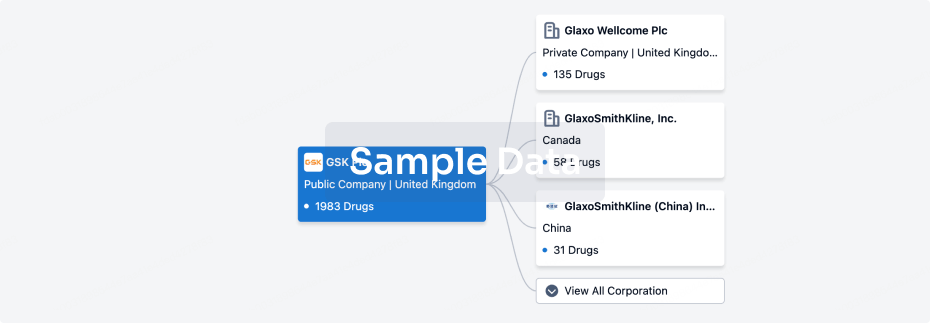
Corporation Tree
Boost your research with our corporation tree data.
login
or
Pipeline
Pipeline Snapshot as of 12 Aug 2026
The statistics for drugs in the Pipeline is the current organization and its subsidiaries are counted as organizations,Early Phase 1 is incorporated into Phase 1, Phase 1/2 is incorporated into phase 2, and phase 2/3 is incorporated into phase 3
Preclinical
7
1
Other
Login to view more data
Current Projects
Login to view more data
Deal
Boost your decision using our deal data.
login
or

Translational Medicine
Boost your research with our translational medicine data.
login
or

Profit
Explore the financial positions of over 360K organizations with Synapse.
login
or

Grant & Funding(NIH)
Access more than 2 million grant and funding information to elevate your research journey.
login
or

Investment
Gain insights on the latest company investments from start-ups to established corporations.
login
or

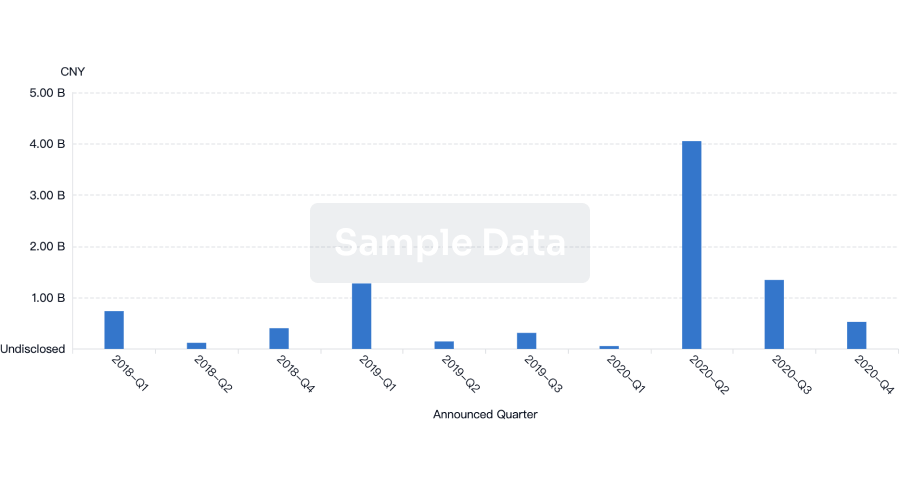
Financing
Unearth financing trends to validate and advance investment opportunities.
login
or
Hiro LS Researcher
The AI Search Engine Built to Accelerate Biopharma Decisions
Search across billion-scale life sciences data to uncover signals, validate evidence, and act with confidence.
Ask any biopharma research question→
Get started for free today!
Accelerate Strategic R&D decision making with Synapse, Patsnap’s AI-powered Connected Innovation Intelligence Platform Built for Life Sciences Professionals.
Discover Synapse Data Servers
Synapse data is now integrated into the PatSnap LS Model Context Protocol (MCP) service. Customize your LLM agent now using our MCP server!
Bio
Bio Sequences Search & Analysis
Sign up for free
Chemical
Chemical Structures Search & Analysis
Sign up for free