Request Demo
Last update 09 Dec 2025

Gulf Medical University
Last update 09 Dec 2025
Overview
Tags
Digestive System Disorders
Neoplasms
Endocrinology and Metabolic Disease
Small molecule drug
Disease domain score
A glimpse into the focused therapeutic areas

Technology Platform
Most used technologies in drug development
Targets
Most frequently developed targets
Related
Target |
Mechanism |
Active Org. |
Originator Org. |
Active Indication |
Inactive Indication |
Drug Highest Phase |
First Approval Ctry. / Loc. |
First Approval Date |

NCT07196826
Effect of Passive Versus Active Aquatic Therapy Over Conventional Physiotherapy in Patients With Chronic Low Back Pain - A Randomized Crossover Trial
NCT07179666
Effectiveness of Neural Mobilization in Patients With Planter Fasciitis: A Pilot Study
NCT07184320
The Impact of AI-Based Video Education on Denture Care and Oral Health-Related Quality of Life Among Older Adults: A Nursing-Prosthodontic Collaborative Study

100 Clinical Results associated with Gulf Medical University
Login to view more data
Login to view more data
01 Jan 2026Anaesthesia Critical Care & Pain Medicine
Intravenous magnesium administration errors, attributing factors and associated respiratory or cardiopulmonary arrest in obstetric and non-obstetric patients—A systematic review
Review
Author: Patel, Santosh
BACKGROUND:
The primary objective of this systematic review was to investigate intravenous (IV) magnesium administration errors and associated adverse outcomes in hospital settings. The secondary objective was to identify contributory factors using the human factors and analysis classification system (HFACS) framework.
METHODS:
PubMed, Scopus and Google Scholar were searched using the systematic search protocol for the past five decades. Magnesium administration errors were included, provided the route of administration was IV, and the clinical outcomes were described. Reports of errors via other routes were excluded.
RESULTS:
The search identified 32 reports (31 obstetric and 15 non-obstetric patients). Errors occurred in wide-ranging locations. Most errors (36 of 46) occurred during maintenance dose infusion. For obstetric patients, errors occurred in patients with preeclampsia (n = 24) or preterm labour (n = 7) during varying periods of pregnancy. In four women, perimortem (2 patients) or within a few hours of cardiopulmonary resuscitation, lower segment caesarean sections were performed. Nearly two-thirds (63%) of patients developed either respiratory arrest only (9 obstetrics and four non-obstetric) or cardiopulmonary arrest (10 obstetrics and six non-obstetric). The permanent harm occurred in six patients (death -3 and vegetative state -3). Most contributory factors were skill-based errors, adverse mental state, communication and coordination of care, and deficiencies in magnesium-related processes.
CONCLUSIONS:
The findings highlight the need for improved IV magnesium administration practices across wards and acute care settings. Standardisation of magnesium products, their labelling, preparation, as well as reliable monitoring processes during the therapeutic use of magnesium, are essential to prevent magnesium infusion errors.
31 Dec 2025Global Public Health
Reevaluating vaccine preferences and political influences in the MENA region
Article
Author: Muttappallymyalil, Jayakumary ; Sathian, Brijesh ; Sreedharan, Jayadevan ; Iqbal, Javed
31 Dec 2025CyTA-Journal of Food
Impact of olive tree extract on hyperlipidemia in rats: HPLC analysis of bioactive constituents
Author: Qasem, Ahmed ; Alshabrmi, Fahad M ; AL-Fargah, Ammar ; El Hachlafi, Naoufal ; Ashmawy, Naglaa S. ; Alnasseri, Sulaiman Mohammed ; Al-Maaqar, Saleh M. ; Assaggaf, Hamza ; Mrabti, Hanae Naceiri ; Laaboudi, Wafa
Dyslipidemia, characterized by abnormal blood lipid levels, is a significant risk factor for cardiovascular diseases (CVDs).Natural plant extracts, particularly olive extract, have garnered attention for their potential therapeutic effects.This study investigates the hypolipidemic effects of olive tree extract (OTE) in hyperlipidemic rats.Male Wistar rats were fed a hypercholesterolemic diet for two weeks, followed by three weeks of daily treatment with OTE.The results indicate that OTE effectively reduced triglycerides (TG), low-d. lipoprotein cholesterol (LDL-C), and total cholesterol (TC) levels while elevating high-d. lipoprotein cholesterol (HDL-C) levels.Furthermore, OTE demonstrated superior efficacy in improving lipid profiles compared to simvastatin, a commonly used lipid-lowering drug.Addnl., OTE administration pos. influenced the heart disease risk ratio and normalized renal function parameters.These findings underscore the potential of OTE as a natural intervention for managing dyslipidemia and reducing the risk of CVDs.Overall, OTE exhibits promising hypolipidemic properties, highlighting its therapeutic potential in addressing lipid disorders and associated cardiovascular risks.

100 Deals associated with Gulf Medical University
Login to view more data
100 Translational Medicine associated with Gulf Medical University
Login to view more data
Corporation Tree
Boost your research with our corporation tree data.
login
or

Pipeline
Pipeline Snapshot as of 19 Dec 2025
The statistics for drugs in the Pipeline is the current organization and its subsidiaries are counted as organizations,Early Phase 1 is incorporated into Phase 1, Phase 1/2 is incorporated into phase 2, and phase 2/3 is incorporated into phase 3
Preclinical
1
Login to view more data
Current Projects
Login to view more data
Deal
Boost your decision using our deal data.
login
or
Translational Medicine
Boost your research with our translational medicine data.
login
or
Profit
Explore the financial positions of over 360K organizations with Synapse.
login
or
Grant & Funding(NIH)
Access more than 2 million grant and funding information to elevate your research journey.
login
or
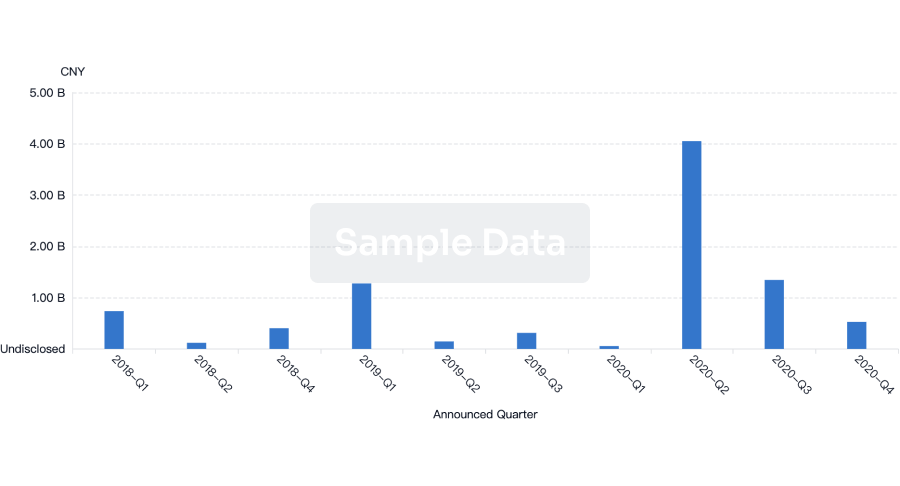
Investment
Gain insights on the latest company investments from start-ups to established corporations.
login
or
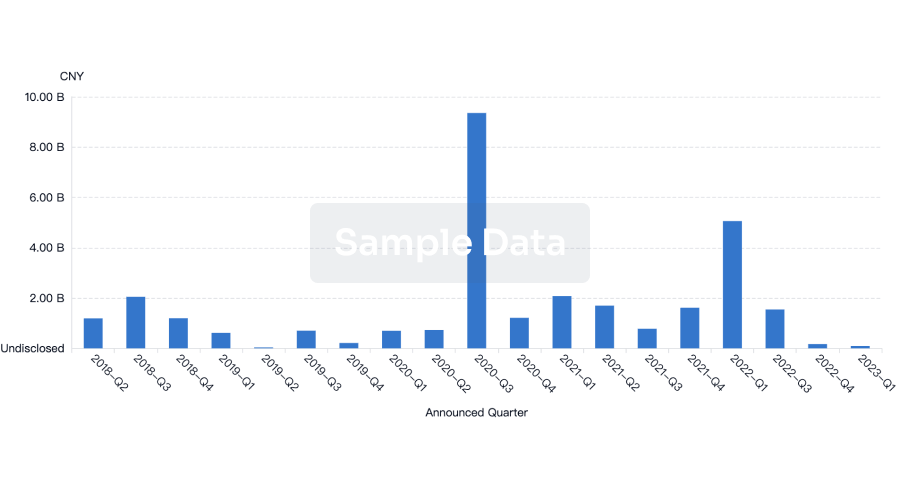
Financing
Unearth financing trends to validate and advance investment opportunities.
login
or
AI Agents Built for Biopharma Breakthroughs
Accelerate discovery. Empower decisions. Transform outcomes.
Get started for free today!
Accelerate Strategic R&D decision making with Synapse, PatSnap’s AI-powered Connected Innovation Intelligence Platform Built for Life Sciences Professionals.
Start your data trial now!
Synapse data is also accessible to external entities via APIs or data packages. Empower better decisions with the latest in pharmaceutical intelligence.
Bio
Bio Sequences Search & Analysis
Sign up for free
Chemical
Chemical Structures Search & Analysis
Sign up for free