Request Demo
Last update 31 Oct 2025

Ayub Teaching Hospital
Last update 31 Oct 2025
Overview
Related
NCT05602688
Study to Investigate Melissa Officinalis L. Supplementation for Emotional Health and Sleep Disturbance: A Perspective, Randomized, Double-blinded, Placebo-controlled, Parallel-group Clinical Trial
NCT05679102
Effect of Atorvastatin in the Management of Hypertension

NCT05480670
Effect of Berberine Supplementation on Metabolic and Hormonal Features in Women With Polycystic Ovary Syndrome (PCOS)
100 Clinical Results associated with Ayub Teaching Hospital
Login to view more data
Login to view more data
01 Dec 2025International journal of cardiology. Cardiovascular risk and prevention
Correspondence: Risk assessment and prevention of cardiovascular events in patients with obstructive sleep apnea syndrome: A narrative review
Letter
Author: Ismail, Muhammad ; Rehmat, Sadaqat Ullah ; Khan, Farman Ullah ; Khan, Shad
15 Aug 2025Cureus Journal of Medical Science
Surgical Management of Degenerative Lumber Spine Disease: A Comparative Study of Microdisectomy Versus Open Disectomy
Article
Author: Hussain, Saddam ; L, Ayesha ; Ishtiaq, Hifza ; Khattak, Muhammad Iftikhar ; Khan, Adnan ; Umer, Muhammad Rizwan ; Noor, Palwasha ; Ahmed, Sohail ; Moez, Abdul ; Akbar, Amna ; Ali, Murad
Background Degenerative lumbar spine disease (DLSD) is a prevalent condition that significantly impacts quality of life. Surgical interventions, including microdiscectomy and open discectomy, are commonly used to treat symptomatic lumbar disc herniation. However, the comparative effectiveness of these procedures remains a subject of ongoing research. Objective This study aims to compare the clinical outcomes of microdiscectomy and open discectomy in patients with degenerative lumbar spine disease, focusing on pain relief, functional recovery, complications, and patient satisfaction. Methods A total of 600 patients (309 microdiscectomy, 291 open discectomy) were included in this prospective cohort study. Data were collected on demographic characteristics, preoperative and postoperative pain scores, functional recovery (measured by Oswestry Disability Index), and complications. Logistic regression and multiple linear regression models were employed to predict outcomes, and random forest analysis was used to identify key predictors of complications. Results Microdiscectomy was associated with significantly better postoperative outcomes, including reduced pain (213/309 (69%) vs. 146/291 (50%)), faster recovery (mean recovery time 5.2 weeks vs. 7.6 weeks), fewer complications (46/309 (14.9%) vs. 67/291 (23%)), and higher patient satisfaction (101/309 (32.8%) vs. 73/291 (25%)). Additionally, microdiscectomy also resulted in larger overall improvements in functional recovery and mobility scores compared to open discectomy. Conclusion Microdiscectomy provides superior results in pain relief, recovery time, and complication rates compared to open discectomy. This supports recommending microdiscectomy (with proper patient selection) for most patients with lumbar disc herniation.
08 Aug 2025Cureus Journal of Medical Science
Frequency of Successful Vaginal Birth After Cesarean Section in Women With a Previous Uterine Scar: A Cross-Sectional Study
Article
Author: Shamim, Amina ; Rahman, Maria ; Shoukat, Anum ; Khan, Sara ; Qayyum, Sidra ; Javed, Hamza
BACKGROUND:
The rising rates of cesarean sections (CS) globally have increased the number of women with prior cesarean deliveries who may be candidates for vaginal birth after cesarean (VBAC). This study explores the factors influencing the success of VBAC in women with a previous CS and fetomaternal complications associated with VBAC failure.
METHODS:
This cross-sectional study was conducted at the obstetrics unit of Ayub Teaching Hospital, Abbottabad, Pakistan, enrolling 102 eligible women who had previously undergone a CS and were offered the option of attempting a vaginal delivery. Demographic, clinical, and obstetric data were collected on a predesigned proforma. The success of VBAC was defined as a vaginal delivery without the need for an emergency cesarean section. Statistical analysis was done using IBM SPSS Statistics software, version 27.0 (IBM Corp., Armonk, NY).
RESULTS:
Participants had a mean age of 30.36 ± 2.07 years and a mean body mass index (BMI) of 25.71 ± 0.90 kg/m². The overall VBAC success rate was 79.4% (n=81), with a failure rate of 20.6% (n=21). Maternal complications, including infection and the need for blood transfusion, were significantly higher in the VBAC failure group. Fetal outcomes also showed that VBAC failures were more likely to result in an Appearance, Pulse, Grimace, Activity, and Respiration (APGAR) score <7 at 10 minutes (P=0.006). Similarly, maternal complications were significantly higher in VBAC failures (5/21, 23.8%) than successes (3/81, 3.7%; P=0.009). On regression analysis, VBAC failure was found to be an independent predictor of both fetal complications (with an odds ratio of 14.610 (95% CI: 1.290-165.421, p = 0.030)) and maternal complications (with an odds ratio of 8.767 (95% CI: 1.762-44.535, p = 0.009)).
CONCLUSIONS:
VBAC is a safe and effective option for women with a prior CS, with a high success rate; however, VBAC failure was found to be an independent predictor of both fetal and maternal complications. Our findings suggest the importance of a personalized approach to VBAC assessment and counselling to optimize outcomes for women undergoing trial of labor after cesarean (TOLAC).
100 Deals associated with Ayub Teaching Hospital
Login to view more data
100 Translational Medicine associated with Ayub Teaching Hospital
Login to view more data
Corporation Tree
Boost your research with our corporation tree data.
login
or

Pipeline
Pipeline Snapshot as of 13 Mar 2026
No data posted
Login to keep update
Deal
Boost your decision using our deal data.
login
or

Translational Medicine
Boost your research with our translational medicine data.
login
or

Profit
Explore the financial positions of over 360K organizations with Synapse.
login
or

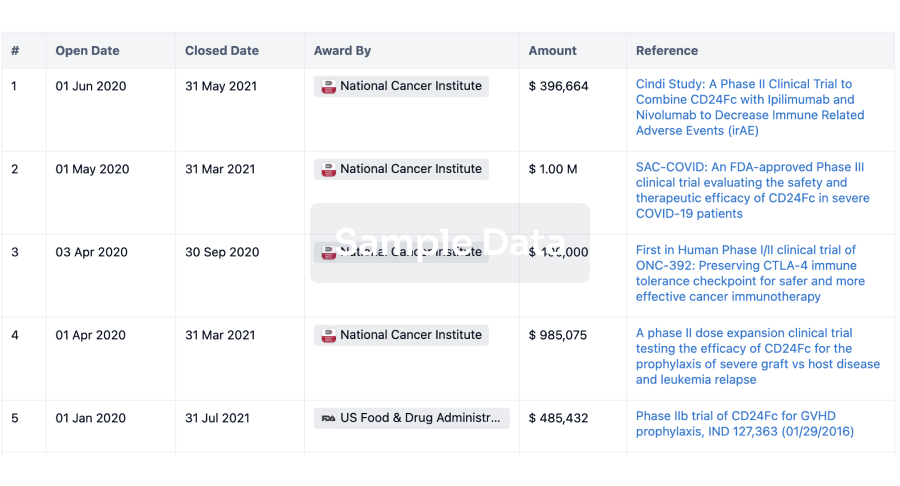
Grant & Funding(NIH)
Access more than 2 million grant and funding information to elevate your research journey.
login
or
Investment
Gain insights on the latest company investments from start-ups to established corporations.
login
or

Financing
Unearth financing trends to validate and advance investment opportunities.
login
or

AI Agents Built for Biopharma Breakthroughs
Accelerate discovery. Empower decisions. Transform outcomes.
Get started for free today!
Accelerate Strategic R&D decision making with Synapse, PatSnap’s AI-powered Connected Innovation Intelligence Platform Built for Life Sciences Professionals.
Start your data trial now!
Synapse data is also accessible to external entities via APIs or data packages. Empower better decisions with the latest in pharmaceutical intelligence.
Bio
Bio Sequences Search & Analysis
Sign up for free
Chemical
Chemical Structures Search & Analysis
Sign up for free