Request Demo
Last update 07 Dec 2025

The Royal Melbourne Hospital
Last update 07 Dec 2025
Overview
Related
ACTRN12625000320459
Phenobarbital as an Adjuvant to benzodiazepine administration when compared to Single-agent benzodiazepine Treatment (usual care) for Alcohol Withdrawal Syndrome in the Intensive Care Unit (PASTA): A single centre, three-arm, parallel group, electronic medical records embedded and randomised, feasibility trial
ACTRN12625000797471
An Observational Study Evaluating the Impact of Autosomal Dominant Polycystic Kidney Disease (ADPKD) on Health-Related Quality of Life and Daily Functioning in Adults with ADPKD
ACTRN12625000785404
An interventional assessment of the metabolic effects of a low-carbohydrate/ketogenic diet combined with ketone supplementation in adults with Autosomal Dominant Polysystic Kidney Disease (ADPKD)
100 Clinical Results associated with The Royal Melbourne Hospital
Login to view more data
Login to view more data
01 Jan 2026AMERICAN JOURNAL OF OPHTHALMOLOGY
Effectiveness and Safety of Cross-Linking in Keratoconus Patients With Corneal Thickness <400 µm: A Systematic Review and Meta-analysis
Review
Author: Chong, Elaine W ; Franzco, Mark Daniell ; McGuinness, Myra B ; Mustafa, Mohammad Zuhair ; Mohammadi, Farzaneh
TOPIC:
In this systematic review and meta-analysis, we aimed to investigate the effectiveness and safety of corneal cross-linking (CXL) in patients with keratoconus and thin corneas (corneal thickness <400μm).
CLINICAL RELEVANCE:
Guidelines for the conventional (Dresden) CXL protocol to treat keratoconus recommend patients have a minimum stromal thickness of ≥400μm to avoid endothelial damage. Newer CXL methods have been developed for thinner corneas. Evaluation of clinical outcomes is required to inform surgical decisions and maximize the number of people who can safely benefit from CXL.
METHODS:
MEDLINE Ovid, Embase Ovid, and Scopus were searched in July 2024 for studies published in peer-reviewed journals in English. Prospective and retrospective case series, cohort studies, and randomized clinical trials of people with corneal thickness of <400μm (with or without epithelium) who underwent CXL for keratoconus were eligible, regardless of CXL approach. Key outcomes included maximum and mean corneal curvature (Kmax and Kmean) corrected and uncorrected distance visual acuity, refractive error, corneal thickness, and endothelial cell density at 3, 6, 12, and 24 months. Random effects meta-analysis was used to pool average change from preoperative values across CXL protocols. Study quality was assessed using the JBI Critical Appraisal Checklist for Case Series. PROSPERO registration: CRD42023403190.
RESULTS:
Twenty-nine records published between 2011 and 2024 were included with a total of 470 eyes. Most studies were retrospective case series with substantial potential for bias. Substantial heterogeneity was observed between studies in terms of patients, CXL approach and observed outcomes. At 12 months, flattening of the maximum corneal curvature (mean change in Kmax: -1.4D, 95% CI [-2.0, -0.9], n=17/402 studies/eyes, I2 =93%) and improvement in corrected distance visual acuity (mean change -0.09 log MAR units, 95% CI [-0.13, -0.06], n = 19/443 studies/eyes, I2 = 68%) were observed relative to baseline. No study reported major complications and there were minimal reductions in corneal thickness and endothelial cell density.
CONCLUSIONS:
Visual and keratometric parameters improved following CXL without major complications, suggesting CXL may be suitable for patients with stromal thicknesses of <400μm, providing adequate modifications have been applied. Prospective comparative studies are required to guide the choice of approach.
31 Dec 2025RENAL FAILURE
Fluid removal intensity in intermittent hemodialysis for acute kidney injury: net ultrafiltration rate characterization and outcomes
Article
Author: Toussaint, Nigel D. ; See, Emily J. ; Larsen, Tom ; Bellomo, Rinaldo ; Paxton, Lisa K. ; Fazio, Timothy
In patients receiving continuous renal replacement therapy (CRRT) for acute kidney injury (AKI), excessive net ultrafiltration (NUF) rates >1.75 mL/kg/h have been associated with increased mortality, delayed AKI recovery and complications of hemodynamic instability. There is limited information on fluid removal practices and NUF rates in AKI patients treated with intermittent hemodialysis (IHD).We conducted a retrospective study of AKI patients who underwent IHD at our center between 2020 and 2023. The primary outcome was NUF rate, assessed as body weight-scaled, body surfaces area-scaled and unadjusted values. Secondary outcomes included mortality and measures of renal recovery at 90 days (estimated glomerular filtration rate [eGFR], major adverse kidney events [MAKE], IHD dependence and days to liberation from IHD).We studied 74 patients (median age 62 years [IQR 46-71], median baseline eGFR 81 mL/min/1.73 m2 [IQR 71-96]). The median NUF rate was 5.61 mL/kg/h (weight scaled), 228 mL/h/m2 (BSA-scaled), and 462 mL/h (unadjusted). Higher fluid removal rates were observed in patients with better baseline kidney function, while older age, diabetes and hypertension were associated with lower rates. No significant differences in AKI recovery, dialysis dependence, or change in renal function at 90 days were observed between high and low NUF groups. By 90 days, 45 patients (60.8%) had developed a MAKE.Among AKI patients, median NUF rates during IHD was higher than reported for CRRT and influenced by comorbidity and pre-morbid eGFR. At 90 days, MAKE was common, two thirds of patients had a > 25% eGFR reduction, and one in 12 had died.
01 Dec 2025Current Neurology and Neuroscience Reports
Improving Indigenous Stroke Outcomes by Shifting Our Focus from Health to Cultural Literacy
Review
Author: Ranta, Anna ; Hart, Margaret ; Leclair, Leanne ; Jones, Bernadette ; Santos, Angela Dos
PURPOSE OF REVIEW:
Stroke incidence and outcomes are disproportionately unfavorable among Indigenous populations in Western colonized countries. These inequities are often attributed to poor health literacy. This paper summarizes recent evidence on the topic of Indigenous health literacy, describes current gaps, and proposes priorities for future work/research.
RECENT FINDINGS:
Traditionally, much focus has been placed on improving health literacy for Indigenous Peoples as a key intervention to address Indigenous stroke and other health disparities. Recent literature, however, challenges this approach as it risks stigmatization and marginalization and portrays the deficiencies as sitting with Indigenous people. Increasingly, an emphasis is placed on the need for health literacy approaches to be culturally responsive for the populations of interest, for institutions to provide high quality culturally relevant stroke care, and for providers to upskill in cultural safety to better meet the needs of Indigenous patient populations. Very little evidence exists to indicate that stroke care providers are meeting these needs. To close the health gap and improve stroke care for Indigenous Peoples, the focus needs to shift from promoting health literacy among Indigenous Peoples to providing high quality culturally relevant health care. More research into this topic and monitoring of progress over time is needed.
100 Deals associated with The Royal Melbourne Hospital
Login to view more data
100 Translational Medicine associated with The Royal Melbourne Hospital
Login to view more data
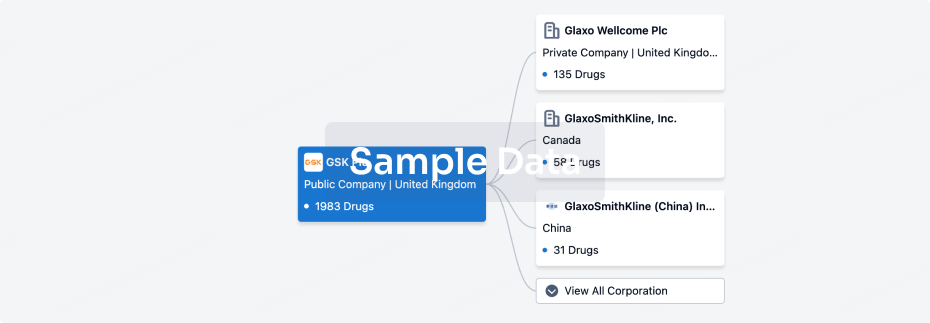
Corporation Tree
Boost your research with our corporation tree data.
login
or
Pipeline
Pipeline Snapshot as of 11 Dec 2025
No data posted
Login to keep update
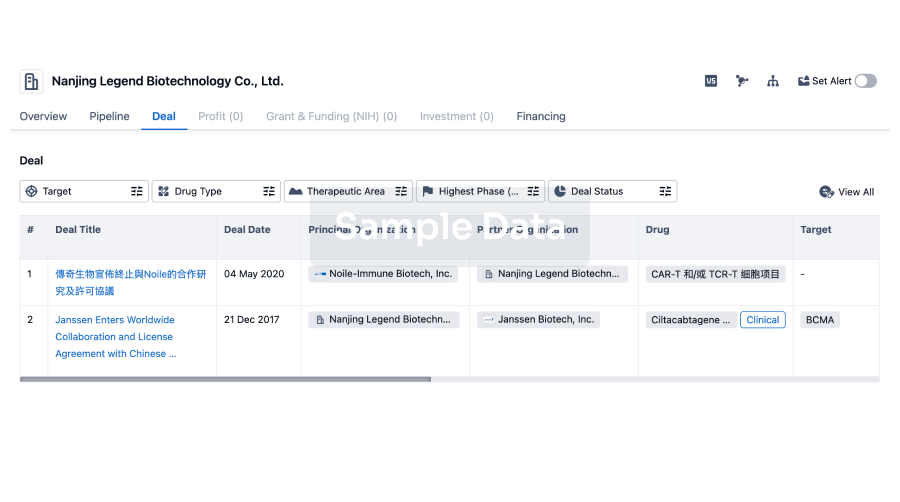
Deal
Boost your decision using our deal data.
login
or
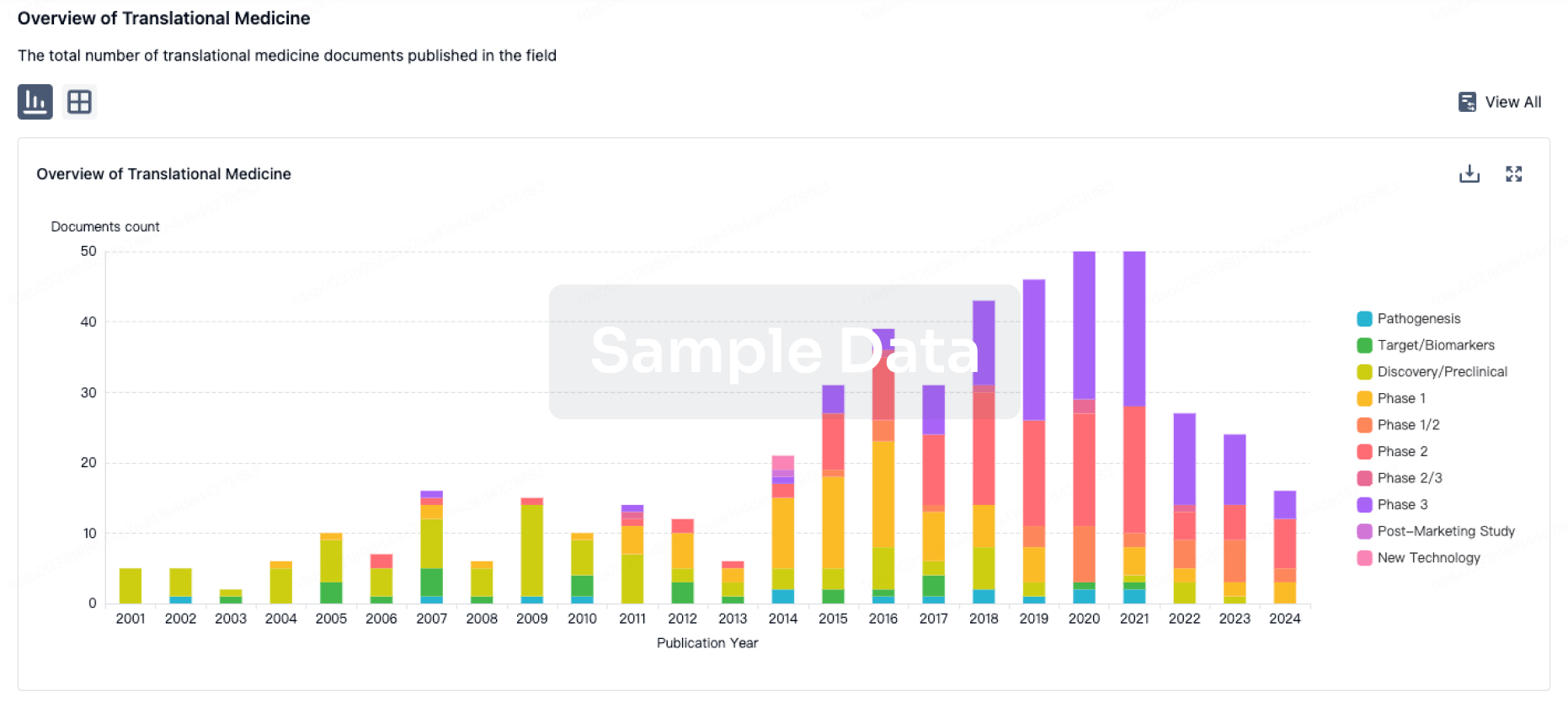
Translational Medicine
Boost your research with our translational medicine data.
login
or
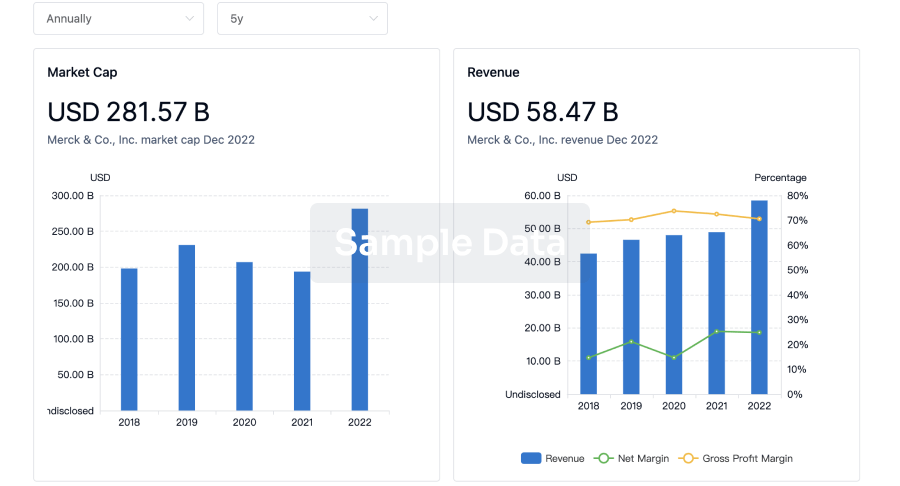
Profit
Explore the financial positions of over 360K organizations with Synapse.
login
or
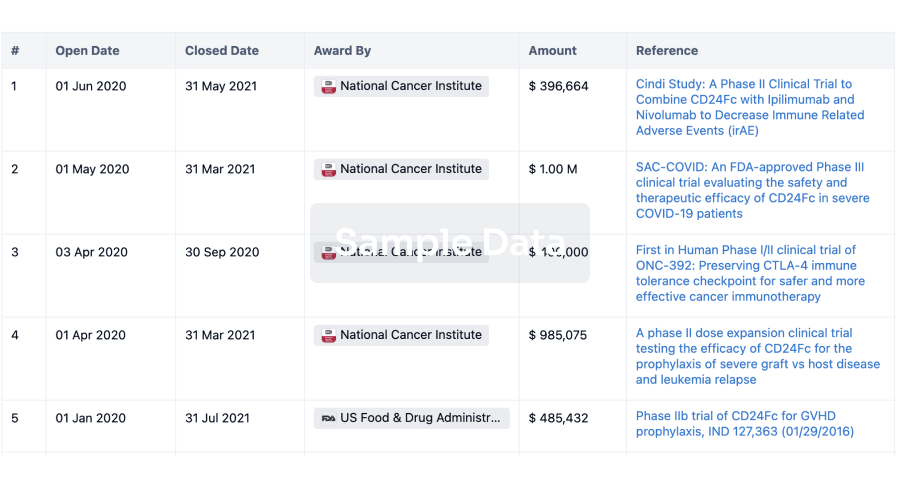
Grant & Funding(NIH)
Access more than 2 million grant and funding information to elevate your research journey.
login
or
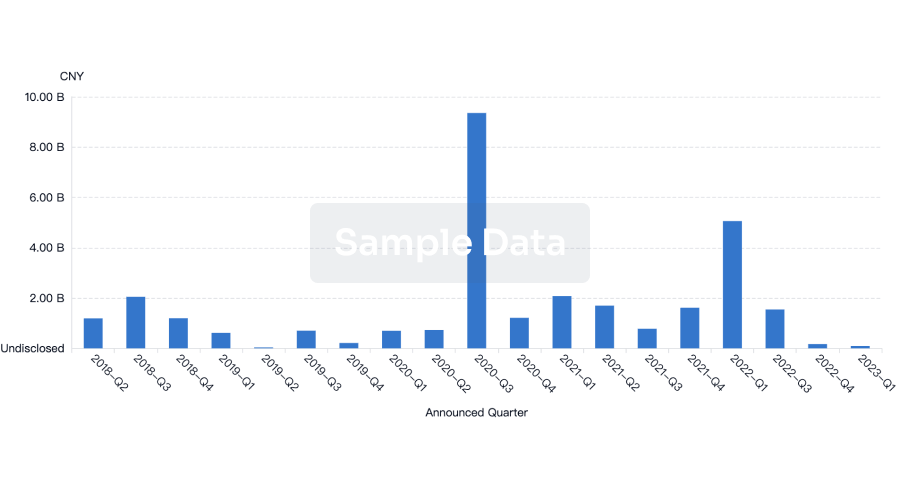
Investment
Gain insights on the latest company investments from start-ups to established corporations.
login
or
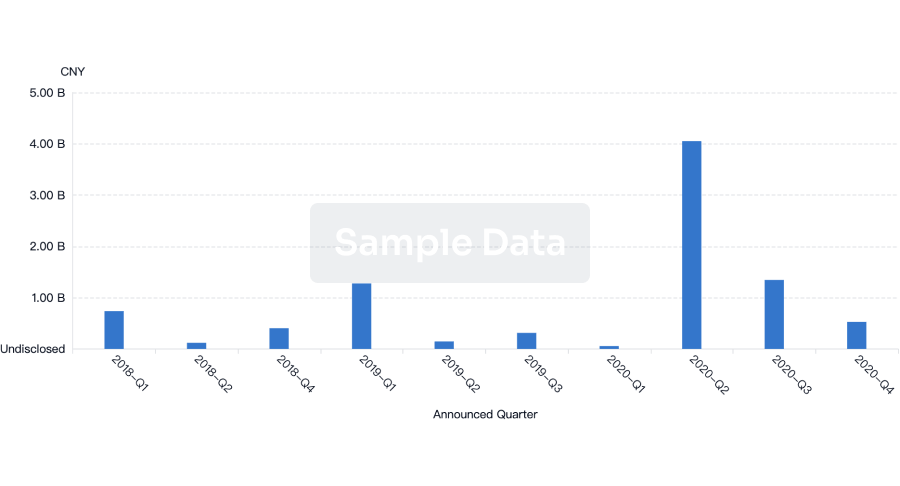
Financing
Unearth financing trends to validate and advance investment opportunities.
login
or
AI Agents Built for Biopharma Breakthroughs
Accelerate discovery. Empower decisions. Transform outcomes.
Get started for free today!
Accelerate Strategic R&D decision making with Synapse, PatSnap’s AI-powered Connected Innovation Intelligence Platform Built for Life Sciences Professionals.
Start your data trial now!
Synapse data is also accessible to external entities via APIs or data packages. Empower better decisions with the latest in pharmaceutical intelligence.
Bio
Bio Sequences Search & Analysis
Sign up for free
Chemical
Chemical Structures Search & Analysis
Sign up for free