Request Demo
Last update 05 Oct 2025

Spectranetics LLC
Last update 05 Oct 2025
Overview
Related
NCT05361967
Tack Optimized Balloon Angioplasty Post-Market Study
NCT03395236
ProspectIve, MuLti-Center Study to EvaLUate TreatMent of Subjects With OcclusivE Disease With a Novel PAcliTazel-CoatEd Angioplasty Balloon in Below-The-Knee (BTK) Arteries: a Post Market Clinical Study
NCT03306199
Turbo Power Laser Atherectomy Combined With Drug Coated Balloon Angioplasty for the Treatment of Femoropopliteal De Novo/ Restenotic and In-Stent Restenosis Lesions
100 Clinical Results associated with Spectranetics LLC
Login to view more data
Login to view more data
01 Mar 2018The international journal of cardiovascular imaging
Intravascular ultrasound assessment of the effect of laser energy on the arterial wall during the treatment of femoro-popliteal lesions: a CliRpath excimer laser system to enlarge lumen openings (CELLO) registry study
Article
Author: Dheendsa, Aaphtaab ; Melaku, Gebremedhin ; Desale, Sameer ; Schneider, Blaine ; Beyene, Solomon ; Kuku, Kayode O ; Waksman, Ron ; Koifman, Edward ; Kajita, Alexandre H ; Bui, Anh ; Azizi, Viana ; Meirovich, Yael F ; Garcia-Garcia, Hector M
The CliRpath Excimer Laser System to Enlarge Lumen Openings (CELLO) registry included patients treated with modified excimer laser catheters for the endovascular treatment of peripheral artery disease affecting the superficial femoral artery (SFA) and proximal popliteal artery. The aim of this study was to assess, via intravascular ultrasound (IVUS) the dissections in the vessel wall following treatment with the laser catheters. IVUS grayscale images from the CELLO registry were systematically reviewed for dissections in the treated vessel segments by two investigators. Images from 33 patients; 66 pullbacks (1867 IVUS frames in 2 phases), were successfully matched frame-to-frame to evaluate identical segments of the treated vessels in the two phases; post-2 mm Turbo-Elite laser pilot channel creation and post Turbo-Booster laser atherectomy. Dissections were categorized as; (1) intimal, (2) medial, (3) intramural hematoma, and (4) adventitial according to the ACC Clinical Expert Consensus Document classification of dissections. An average of 57 frames was evaluated per pullback, giving a total of 3734 frames (1867 matched for pre-ablation (post channel creation) and post-ablation phases). Treatments with the modified Excimer laser catheters resulted in a significant increase in lumen area of 5.5 ± 3.2-mm2 (95% CI 4.3-6.8, p < 0.0001) and reduction in plaque plus media volume of -10.6 ± 36.0 mm3 (95% CI -25.8 to 4.6, p = 0.1619) whilst giving rise to mainly intramural hematoma formations post Turbo-Booster laser treatment in 55% of frames assessed and 24% medial dissections with less than 1% adventitial disruption. The Excimer laser based Turbo-Booster treatment of peripheral artery lesions resulted in significant plaque debulking and increased lumen diameter with negligible degree of adventitial layer injury.
01 Nov 2016Heart rhythmQ1 · MEDICINE
Percutaneous occlusion balloon as a bridge to surgery in a swine model of superior vena cava perforation
Q1 · MEDICINE
Article
Author: Clancy, Jude F ; Kennergren, Charles ; Ram, Rashmi ; Sotak, Ryan ; Carrillo, Roger G ; Ryu, Robert K
BACKGROUND:
Superior vena cava (SVC) perforation is a rare but potentially fatal complication of transvenous lead removal.
OBJECTIVE:
The aim of this study was to evaluate the feasibility of hemodynamic stabilization using an occlusion balloon during SVC tear in a porcine model.
METHODS:
A surgically induced SVC perforation was created in Yorkshire cross swine (n = 7). Three animals were used to develop and test surgical repair methods. Four animals were used to evaluate hemodynamic, behavioral, and neurological effects up to 5 days after SVC tear and repair. An occlusion balloon (Bridge Occlusion Balloon, Spectranetics Corporation, Colorado Springs, CO) was percutaneously delivered through the femoral vein to the location of the injury and inflated. Once hemodynamic control was achieved, the perforation was surgically repaired.
RESULTS:
After SVC perforation and clamp release, the rate of blood loss was 7.0 ± 0.8 mL/s. Mean time from SVC tear to occlusion balloon deployment was 55 ± 12 seconds, during which mean arterial pressure decreased from 56 ± 2 to 25 ± 3 mm Hg and heart rate decreased from 76 ± 7 to 62 ± 7 beats/min. After the deployment of the occlusion balloon, the rate of blood loss decreased by 90%, to 0.7 ± 0.2 mL/s. The mean time of balloon occlusion of the SVC was 16 ± 4 minutes and hemodynamic measures returned to baseline levels during this time. Study animals experienced no major complications, demonstrated stable recovery, and exhibited normal neurological function at each postoperative assessment.
CONCLUSION:
Endovascular temporary balloon occlusion may be a feasible option to reduce blood loss, maintain hemodynamic control, and provide a bridge to surgery after SVC injury.
01 Feb 2010Journal of the American College of CardiologyQ1 · MEDICINE
Lead Extraction in the Contemporary Setting: The LExICon Study
Q1 · MEDICINE
Article
Author: John P. DiMarco ; John R. Onufer ; Oussama Wazni ; Arnold J. Greenspon ; Roger G. Carrillo ; Jamil Bashir ; Shahzad S. Karim ; Stephen P. Kutalek ; Carolyn M. Ervin ; Bruce L. Wilkoff ; Charles Love ; Stuart W. Adler ; Kenneth A. Ellenbogen ; David W. Riggio ; Joshua M. Cooper ; Sherri Dentry-Mabry ; Laurence M. Epstein
OBJECTIVES:
This study sought to examine the safety and efficacy of laser-assisted lead extraction and the indications, outcomes, and risk factors in a large series of consecutive patients.
BACKGROUND:
The need for lead extraction has been increasing in direct relationship to the increased numbers of cardiovascular implantable electronic devices.
METHODS:
Consecutive patients undergoing transvenous laser-assisted lead extraction at 13 centers were included.
RESULTS:
Between January 2004 and December 2007, 1,449 consecutive patients underwent laser-assisted lead extraction of 2,405 leads (20 to 270 procedures/site). Median implantation duration was 82.1 months (0.4 to 356.8 months). Leads were completely removed 96.5% of the time, with a 97.7% clinical success rate whereby clinical goals associated with the indication for lead removal were achieved. Failure to achieve clinical success was associated with body mass index <25 kg/m(2) and low extraction volume centers. Procedural failure was higher in leads implanted for >10 years and when performed in low volume centers. Major adverse events in 20 patients were directly related to the procedure (1.4%) including 4 deaths (0.28%). Major adverse effects were associated with patients with a body mass index <25 kg/m(2). Overall all-cause in-hospital mortality was 1.86%; 4.3% when associated with endocarditis, 7.9% when associated with endocarditis and diabetes, and 12.4% when associated with endocarditis and creatinine > or =2.0. Indicators of all-cause in-hospital mortality were pocket infections, device-related endocarditis, diabetes, and creatinine > or =2.0.
CONCLUSIONS:
Lead extraction employing laser sheaths is highly successful with a low procedural complication rate. Total mortality is substantially increased with pocket infections or device-related endocarditis, particularly in the setting of diabetes, renal insufficiency, or body mass index <25 kg/m(2). Centers with smaller case volumes tended to have a lower rate of successful extraction.
02 Sep 2025

Clinical ResultPhase 2IPOPhase 3
02 Sep 2025
Clinical ResultPhase 3Drug ApprovalADCPhase 1
16 Jun 2025
Phase 2Phase 1Clinical ResultImmunotherapy
100 Deals associated with Spectranetics LLC
Login to view more data
100 Translational Medicine associated with Spectranetics LLC
Login to view more data
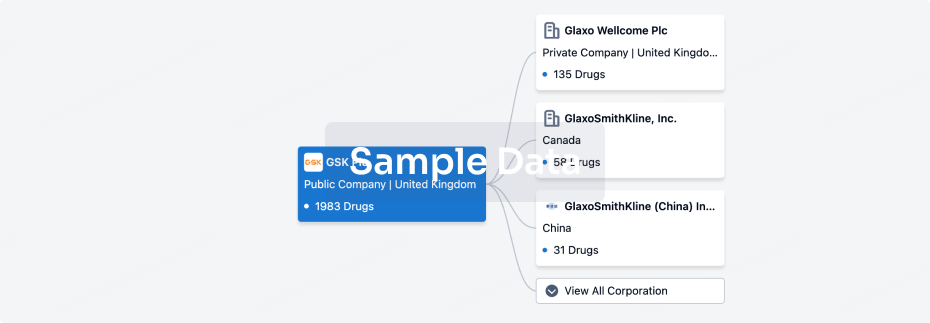
Corporation Tree
Boost your research with our corporation tree data.
login
or
Pipeline
Pipeline Snapshot as of 15 Dec 2025
No data posted
Login to keep update
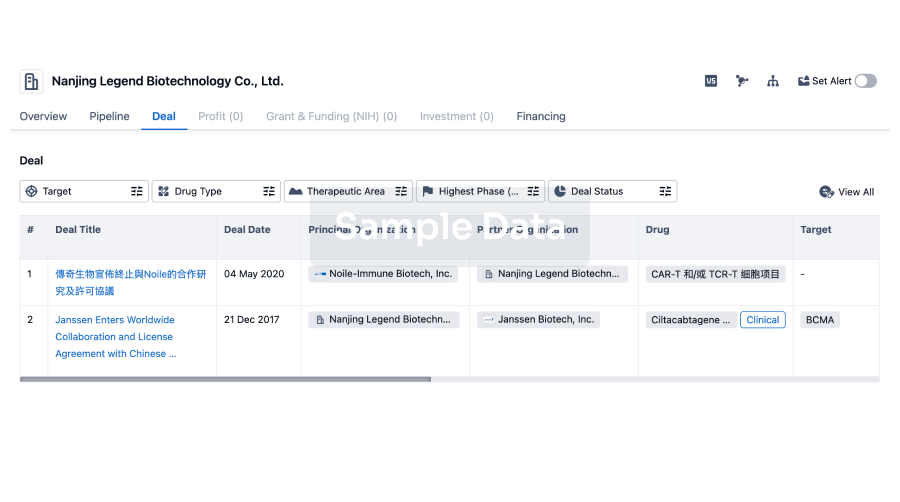
Deal
Boost your decision using our deal data.
login
or
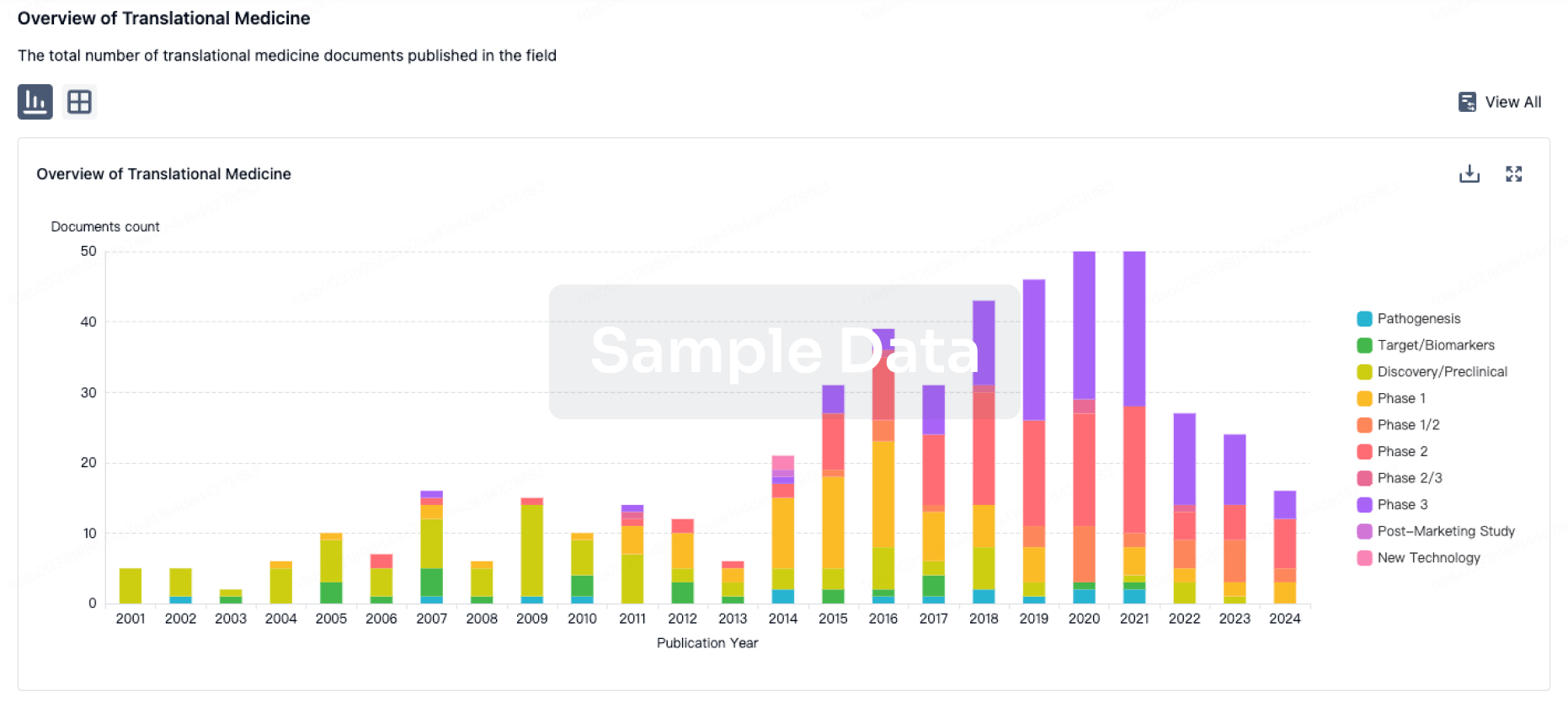
Translational Medicine
Boost your research with our translational medicine data.
login
or
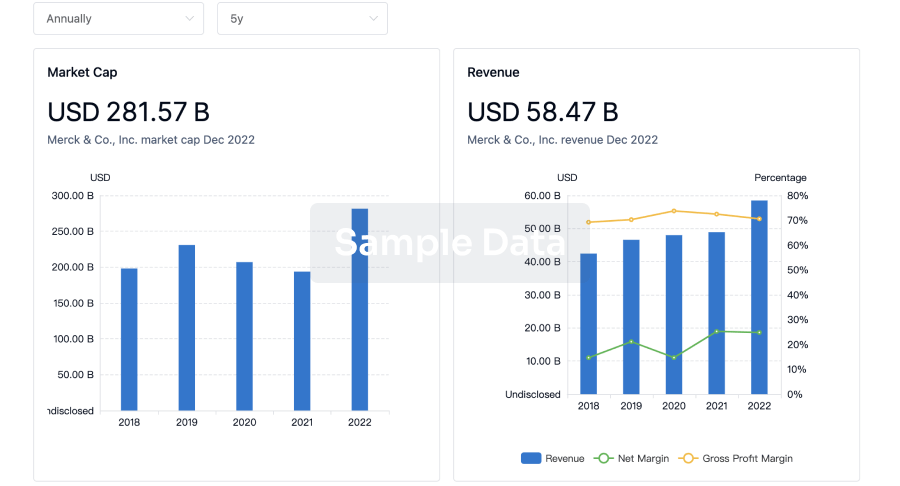
Profit
Explore the financial positions of over 360K organizations with Synapse.
login
or
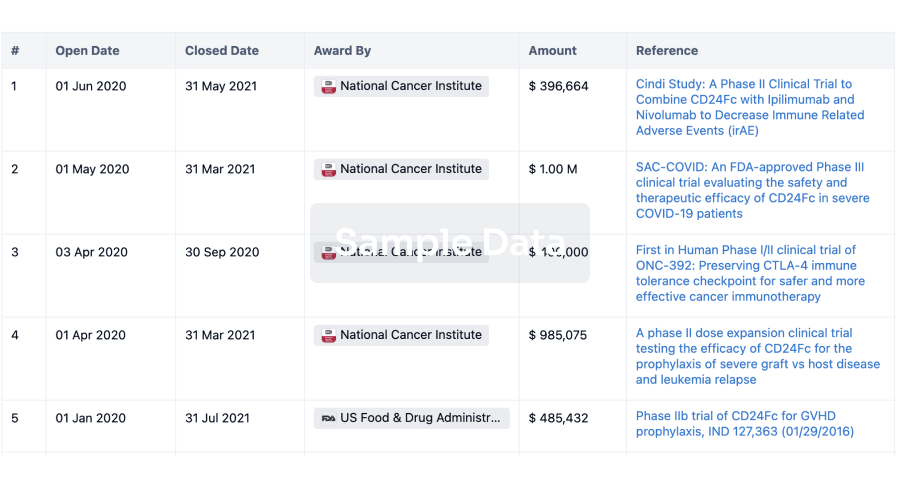
Grant & Funding(NIH)
Access more than 2 million grant and funding information to elevate your research journey.
login
or
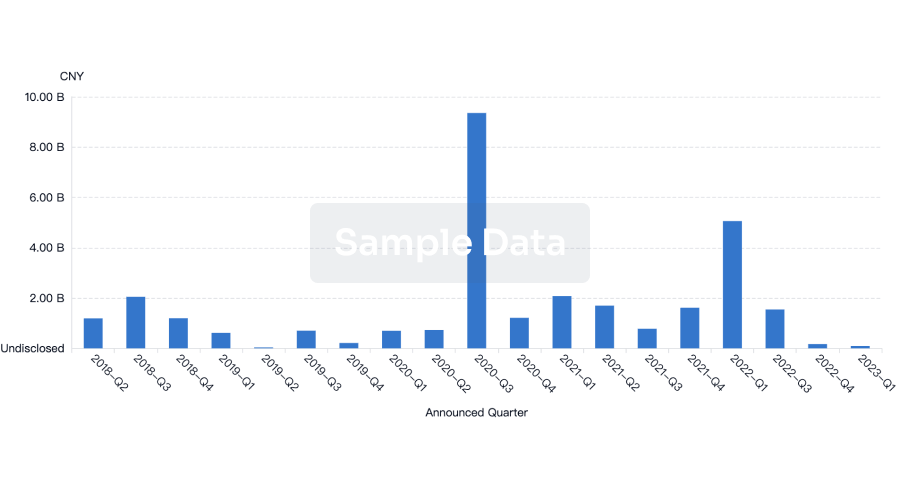
Investment
Gain insights on the latest company investments from start-ups to established corporations.
login
or
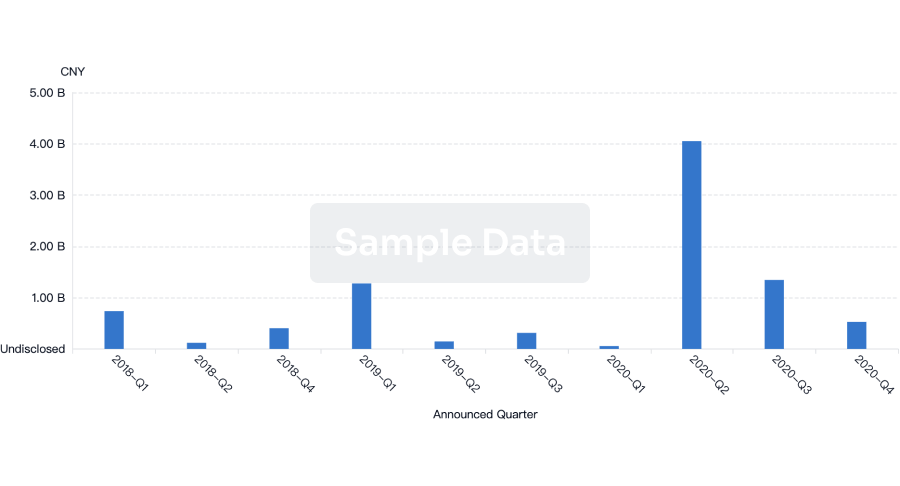
Financing
Unearth financing trends to validate and advance investment opportunities.
login
or
AI Agents Built for Biopharma Breakthroughs
Accelerate discovery. Empower decisions. Transform outcomes.
Get started for free today!
Accelerate Strategic R&D decision making with Synapse, PatSnap’s AI-powered Connected Innovation Intelligence Platform Built for Life Sciences Professionals.
Start your data trial now!
Synapse data is also accessible to external entities via APIs or data packages. Empower better decisions with the latest in pharmaceutical intelligence.
Bio
Bio Sequences Search & Analysis
Sign up for free
Chemical
Chemical Structures Search & Analysis
Sign up for free