Request Demo
Last update 03 Mar 2026

Universidade Do Sul De Santa Catarina
Last update 03 Mar 2026
Overview
Related
RBR-6yzr9zb
The impact of Transcranial Laser on Depression, associated symptoms, and biochemical markers: a double-blind randomized controlled clinical trial
RBR-8pdy4q8
Effects of Transcranial Photobiomodulation Therapy on the rehabilitation of individuals after Stroke: a randomized clinical trial
NCT06686563
Audiovisual Stimulation in Elderly (Older Adults?): Effects on Cognition, Depressive Symptoms, and Dual Motor-Cognitive Tasks - a RCT
100 Clinical Results associated with Universidade Do Sul De Santa Catarina
Login to view more data
Login to view more data
13 Jan 2026ACS Omega
Ionic Liquids in Pharmaceuticals: A Scoping Review of Formulation Strategies
Review
Author: Schrekker, Henri Stephan ; Gonçalves Pereira, Igor Luiz ; Zepon, Karine Modolon ; Ziulkoski, Ana Luiza ; Kanis, Luiz Alberto
Ionic liquids (ILs) have rapidly emerged as multifunctional formulation tools capable of addressing long-standing challenges in drug delivery. This scoping review systematically assessed their pharmaceutical applications through a structured search of Scopus, PubMed, and Web of Science, yielding 1866 records, of which 91 experimental studies met the inclusion criteria. Across oral, injectable, topical, transdermal, nasal, and advanced delivery systems, ILs consistently improved the drug solubility, chemical stability, mucosal permeability, and overall biopharmaceutical performance. Choline- and imidazolium-based ILs were the most frequently investigated, demonstrating favorable safety profiles and significant pharmacokinetic benefitsincluding increases in maximum plasma concentration (C max), area under the concentration-time curve (AUC), and duration of action for poorly soluble small molecules, peptides, and biologics. Beyond classical excipient roles, ILs acted as structural and functional components in next-generation delivery platforms such as self-emulsifying systems, ionogels, microneedles, polymer-IL nanocomposites, and mucoadhesive films. Mechanistic evidence highlights their capacity to modulate molecular solvation, disrupt biological barriers, enable reversible tight-junction opening, and stabilize labile biomacromolecules. Collectively, these findings establish ILs as versatile and tunable design elements capable of overcoming key limitations in drug solubility and bioavailability. However, despite substantial preclinical progress, the clinical translation of IL-based formulations remains limited by regulatory uncertainty and the need for standardized toxicological and environmental safety evaluations.
01 Jan 2026BIOCHEMICAL AND BIOPHYSICAL RESEARCH COMMUNICATIONS
Retraction notice to “In vivo inhibition of tumor progression by 5 hydroxy-1,4-naphthoquinone (juglone) and 2-(4-hydroxyanilino)-1,4-naphthoquinone (Q7) in combination with ascorbate” [Biochem. Biophys. Res. Commun. 477 (2016) 640–646]
Article
Author: Calderon, Pedro Buc ; Castro, Luiza S E P W ; Silva, Fátima Regina Mena Barreto ; Benites, Julio ; Pedrosa, Rozangela Curi ; Valderrama, Jaime A ; Kviecinski, Maicon R ; Ourique, Fabiana ; Zirbel, Guilherme ; Castro, Allisson Jhonatan Gomes ; Rios, David
01 Dec 2025ARQUIVOS DE NEURO-PSIQUIATRIA
Epidemiological profile and temporal trend of hospitalizations for Alzheimer's disease in the Brazilian Unified Health System (2012–2022)
Article
Author: Bertella, Eduarda ; Belmonte, Luana Meneghini ; Silva, Franciele Cascaes da ; Iop, Rodrigo da Rosa ; Correa, Franklin Alberto Asanza ; Nazario, Nazaré Otília
Abstract:
Alzheimer's disease (AD) is a progressive neurodegenerative condition causing cognitive decline. Given the aging population and increasing prevalence, understanding hospital morbidity patterns is crucial for improving prevention strategies and public health planning.To analyze the epidemiological profile and temporal trend of AD hospitalizations in Brazil between 2012 and 2022.The present mixed ecological study used data from the Hospital Information System of the Unified Health system. We calculated the frequencies for sex, age group, and skin color, along with the average length of stay and total costs. Simple linear regression was used for the temporal trend analysis across sex, age groups by sex, and regions.A higher proportion of hospitalizations was observed in females (65.80%), individuals aged 80 years or older (60.12%), and white individuals (49.06%). The average hospital stay was 21.6 days, with a total cost of R$ 23,306,587.01. The hospitalization trend was stable across both sexes, all age groups, and most regions (4.88/100 thousand hospitalizations), except for the Northeast, which showed a significant increase (β = 0.408; p < 0.001).The profile of AD hospitalizations in Brazil is predominantly female, in individuals over 80 and white. While the trend remained stable nationally, there was an increase in the Northeast region. Additionally, a reduction in the average number of hospitalization days and hospital costs was observed throughout the period analyzed.
100 Deals associated with Universidade Do Sul De Santa Catarina
Login to view more data
100 Translational Medicine associated with Universidade Do Sul De Santa Catarina
Login to view more data
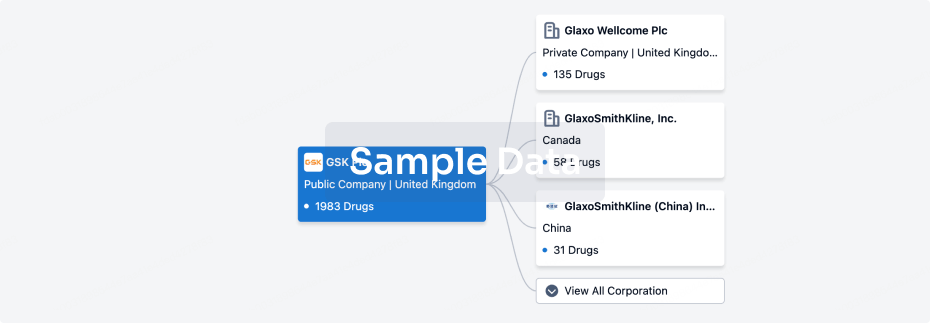
Corporation Tree
Boost your research with our corporation tree data.
login
or
Pipeline
Pipeline Snapshot as of 12 Aug 2026
No data posted
Login to keep update
Deal
Boost your decision using our deal data.
login
or

Translational Medicine
Boost your research with our translational medicine data.
login
or

Profit
Explore the financial positions of over 360K organizations with Synapse.
login
or

Grant & Funding(NIH)
Access more than 2 million grant and funding information to elevate your research journey.
login
or

Investment
Gain insights on the latest company investments from start-ups to established corporations.
login
or

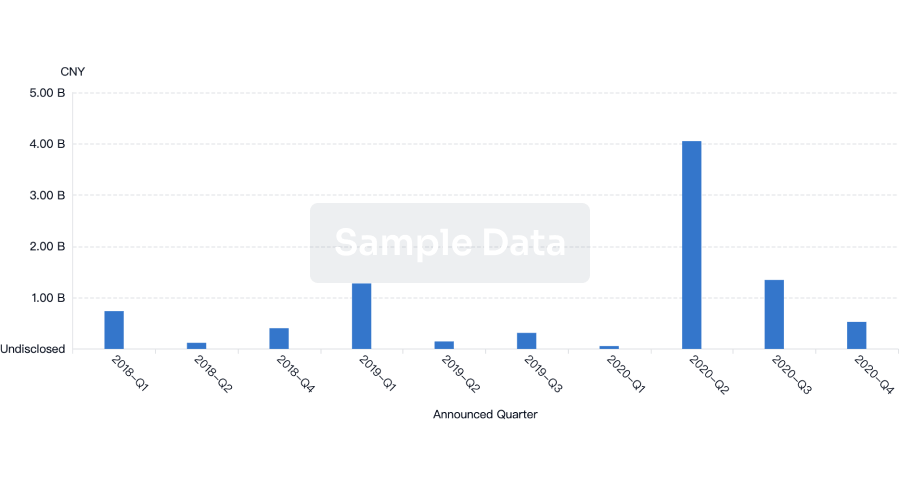
Financing
Unearth financing trends to validate and advance investment opportunities.
login
or
Hiro LS Researcher
The AI Search Engine Built to Accelerate Biopharma Decisions
Search across billion-scale life sciences data to uncover signals, validate evidence, and act with confidence.
Ask any biopharma research question→
Get started for free today!
Accelerate Strategic R&D decision making with Synapse, Patsnap’s AI-powered Connected Innovation Intelligence Platform Built for Life Sciences Professionals.
Discover Synapse Data Servers
Synapse data is now integrated into the PatSnap LS Model Context Protocol (MCP) service. Customize your LLM agent now using our MCP server!
Bio
Bio Sequences Search & Analysis
Sign up for free
Chemical
Chemical Structures Search & Analysis
Sign up for free