Request Demo
Last update 08 Mar 2026

Mahasarakham University
Last update 08 Mar 2026
Overview
Tags
Nervous System Diseases
Cardiovascular Diseases
Small molecule drug
Disease domain score
A glimpse into the focused therapeutic areas

Technology Platform
Most used technologies in drug development
Targets
Most frequently developed targets
Related
Target |
Mechanism |
Active Org. |
Originator Org. |
Active Indication |
Inactive Indication |
Drug Highest Phase |
First Approval Ctry. / Loc. |
First Approval Date |
TCTR20221117001
A randomized controlled trial evaluating virologic and renal outcomes after switching from TDF/FTC/EFV to TDF/3TC/DTG (TLD) versus DTG/3TC in virologically suppressed Thai PWH
TCTR20231102007
Outcomes of multidisciplinary team for epilepsy management at Setthathirat hospital in LAO PDR.
TCTR20210213003
Effectiveness of a school-based pregnancy prevention program on sexual health literacy, pregnancy prevention behavior and sexual risk behavior among female teenagers and their boyfriends: A randomized controlled trial
100 Clinical Results associated with Mahasarakham University
Login to view more data
Login to view more data
01 Jun 2026International Journal of Pharmaceutics-X
In vitro, ex vivo, and in vivo evaluation of ophthalmic ointments containing dexamethasone and tobramycin
Article
Author: Meng, Tuo ; Wang, Yan ; O'Reilly Beringhs, Andre ; Xu, Qingguo ; Mekjaruskul, Catheleeya ; Raynold, Aji Alex Moothedathu ; Lu, Xiuling ; Halquist, Matthew ; Qin, Bin
This investigation compares in vitro release, ex vivo release and permeation, and in vivo ocular pharmacokinetics to render biologically informed evaluations of ophthalmic semi-solid drug products containing dexamethasone (hydrophobic) and tobramycin (hydrophilic). Both drugs were formulated with three petrolatum matrices (IGI® 320 A, IGI® 386, or Spectrum®) with distinct rheological character and benchmarked against the reference listed drug, Tobradex®. Temperature-sweep rheology revealed that IGI® 386 most closely reproduced the viscoelastic profile of the reference product. USP Apparatus I release testing with surfactant-free medium provided maximal discrimination for dexamethasone (Tobradex® > IGI® 320 A > IGI® 386 > Spectrum®), and rank-order release rates correlated strongly with ex vivo corneal permeation and in vivo corneal exposure. In contrast, tobramycin required a polysorbate-containing medium to resolve formulation differences in vitro, yet those differences did not persist ex vivo or in vivo, consistent with its rapid dissolution and diffusion, which attenuate matrix effects. The data demonstrate that drug solubility dictates the choice of biorelevant release conditions in petrolatum-based ophthalmic ointments: surfactant-free media capture formulation-dependent release for hydrophobic actives, whereas hydrophilic actives may yield artifactual discrimination when surfactant is present. However, formulations indistinguishable in vitro were typically similar in their in vivo ocular pharmacokinetics. By integrating tiered models, the framework enhances understanding of critical quality attributes, supports regulatory decision-making, and may help reduce reliance on animal studies, thereby expediting the development of therapeutically equivalent generic ophthalmic ointments.
01 May 2026JOURNAL OF MOLECULAR GRAPHICS & MODELLING
Discovery of a novel PI3Kα inhibitor for breast cancer therapy via virtual screening method, molecular dynamics simulation and biological evaluation
Article
Author: Nutho, Bodee ; Rajchakom, Chananya ; Boonma, Thitiya ; Kanjanasirirat, Phongthon ; Nunthaboot, Nadtanet
Phosphatidylinositol-4,5-bisphosphate 3-kinase alpha (PI3Kα) is a central signaling enzyme driving cell proliferation and growth in cancers including breast cancer. Selective inhibition of PI3Kα isoform has become a promising therapeutic approach. In this work, 2000 in-house natural compounds were virtually screened against the ATP-binding site of PI3Kα. Of these, 618 compounds were predicted to have acceptable drug-likeness, pharmacokinetic, and toxicity properties based on in silico ADMET screening. Docking analysis highlighted four candidates forming stable hydrogen bonds with key residues V851, S854, and Q859 in the PI3Kα binding pocket. Molecular dynamics simulations were then used to assess their structural features and dynamic stability. Hit 2 was found to form strong hydrogen bonds with E849 and V851 of the PI3Kα protein. MM/GBSA-based binding free energy analysis supported that Hit 2 possessed the most favorable binding affinity to PI3Kα among the identified candidates. In vitro cytotoxicity assays were then performed in MCF-7 and MDA-MB-231 breast cancer cell lines, with alpelisib as a reference compound. Hit 2 reduced cell viability in both cell lines, but its effect was particularly pronounced in MDA-MB-231 cells, a model of triple-negative breast cancer (TNBC). These results suggest that Hit 2 represents a promising natural scaffold for further design and development in breast cancer therapy, with particular relevance for aggressive TNBC.
01 Apr 2026PARASITOLOGY INTERNATIONAL
Anisakis infection induces IgE responses resulting from ILC2 and Th2 cell activation via IL-33 in the murine stomach
Article
Author: Saechue, Benjawan ; Matsumura, Kazunori ; Dewayani, Astri ; Murakami, Kazunari ; Ito, Hideyuki ; Kobayashi, Takashi ; Noguchi, Kaori ; Ekronarongchai, Spanuch ; Shirakami, Kohei ; Okamoto, Masaaki ; Sachi, Nozomi ; Ozaki, Takashi ; Ozaka, Sotaro ; Ariki, Shimpei ; Hidano, Shinya ; Sekiya, Takashi ; Mizukami, Kazuhiro ; Kagoshima, Yomei ; Kamiyama, Naganori ; Takaki, Satoshi
Anisakis simplex, a parasitic nematode transmitted through the consumption of raw or undercooked seafood, is known to cause gastric anisakidosis, often accompanied by acute inflammatory and allergic responses. However, the underlying immunological mechanisms remain poorly understood. In this study, we established a murine model by orally infecting BALB/c mice with live Anisakis larvae to elucidate the host immune response. Repeated infection with live Anisakis larvae, but not with homogenates, induced severe gastric inflammation, accompanied by a marked elevation of total IgE, Anisakis-specific IgE, Ani s 1-specific IgE, and interleukin (IL)-5 in the serum. Active cutaneous anaphylaxis confirmed the presence of functional Anisakis-specific IgE capable of mediating immediate hypersensitivity. Flow cytometry of gastric lamina propria cells showed increased infiltration of IL-5 producing group 2 innate lymphoid cells (ILC2s), eosinophils, IL-4 producing T helper (Th) cells and B cells in mice with repeated infection. Furthermore, immunohistochemistry revealed widespread localization of IL-33-positive cells in the gastric mucosa, consistent with the observed increased levels of truncated IL-33 and total IL-33. These findings suggest that Anisakis infection induces a type 2 immune response through IL-33-driven activation of ILC2s followed by Th2 development, thereby promoting eosinophilia and antigen-specific IgE. This model enables new insights of Anisakis-associated allergic inflammation and may serve as future therapeutic studies.
100 Deals associated with Mahasarakham University
Login to view more data
100 Translational Medicine associated with Mahasarakham University
Login to view more data
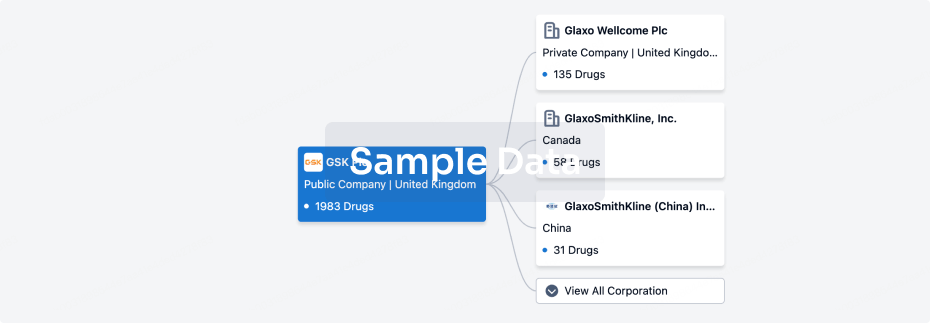
Corporation Tree
Boost your research with our corporation tree data.
login
or
Pipeline
Pipeline Snapshot as of 16 Aug 2026
The statistics for drugs in the Pipeline is the current organization and its subsidiaries are counted as organizations,Early Phase 1 is incorporated into Phase 1, Phase 1/2 is incorporated into phase 2, and phase 2/3 is incorporated into phase 3
Preclinical
1
Login to view more data
Current Projects
Login to view more data
Deal
Boost your decision using our deal data.
login
or

Translational Medicine
Boost your research with our translational medicine data.
login
or

Profit
Explore the financial positions of over 360K organizations with Synapse.
login
or

Grant & Funding(NIH)
Access more than 2 million grant and funding information to elevate your research journey.
login
or

Investment
Gain insights on the latest company investments from start-ups to established corporations.
login
or

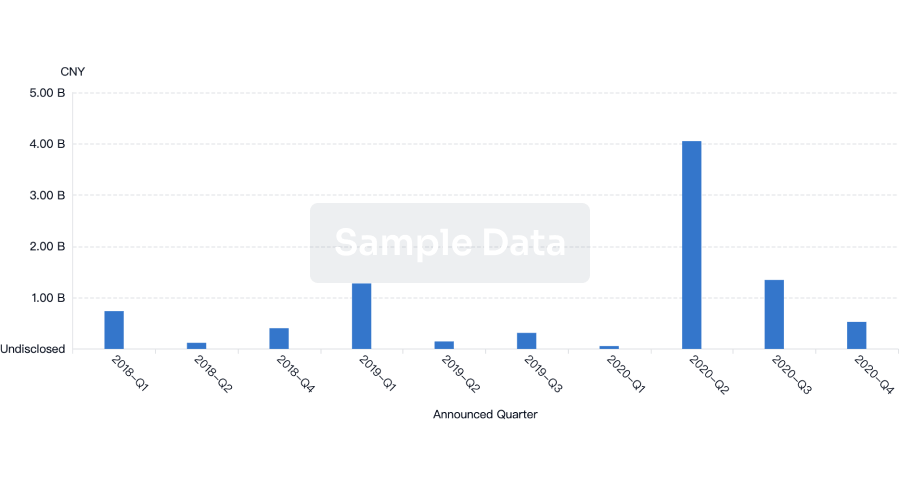
Financing
Unearth financing trends to validate and advance investment opportunities.
login
or
Hiro LS Researcher
The AI Search Engine Built to Accelerate Biopharma Decisions
Search across billion-scale life sciences data to uncover signals, validate evidence, and act with confidence.
Ask any biopharma research question→
Get started for free today!
Accelerate Strategic R&D decision making with Synapse, Patsnap’s AI-powered Connected Innovation Intelligence Platform Built for Life Sciences Professionals.
Discover Synapse Data Servers
Synapse data is now integrated into the PatSnap LS Model Context Protocol (MCP) service. Customize your LLM agent now using our MCP server!
Bio
Bio Sequences Search & Analysis
Sign up for free
Chemical
Chemical Structures Search & Analysis
Sign up for free