Request Demo
Last update 30 Oct 2025

Sonoma Pharmaceuticals, Inc.
Last update 30 Oct 2025
Overview
Related
NCT02001558
A Six Month Randomized Open-Label Trial of Pressure Ulcer Healing With Microcyn® Skin and Wound Care With Preservatives Versus Sterile Saline in Adult Spinal Cord Injury Subjects

NCT01736969
Microcyn Scar Management HydroGel, K103163 vs. Kelo-cote® Scar Gel for the Management of Hypertrophic or Keloid Scars
NCT01232985
An Open-Label Pilot Study to Determine the Efficacy and Tolerability of a Device, RD047-26 for the Treatment of Mild to Moderate Atopic Dermatitis With Associated Pruritus in Adults
100 Clinical Results associated with Sonoma Pharmaceuticals, Inc.
Login to view more data
Login to view more data
16 Oct 2025
Phase 2Cell Therapy
06 Oct 2025
Cell TherapyAcquisitionImmunotherapy
04 Sep 2024
Cell TherapyPhase 1License out/inImmunotherapy
100 Deals associated with Sonoma Pharmaceuticals, Inc.
Login to view more data
100 Translational Medicine associated with Sonoma Pharmaceuticals, Inc.
Login to view more data
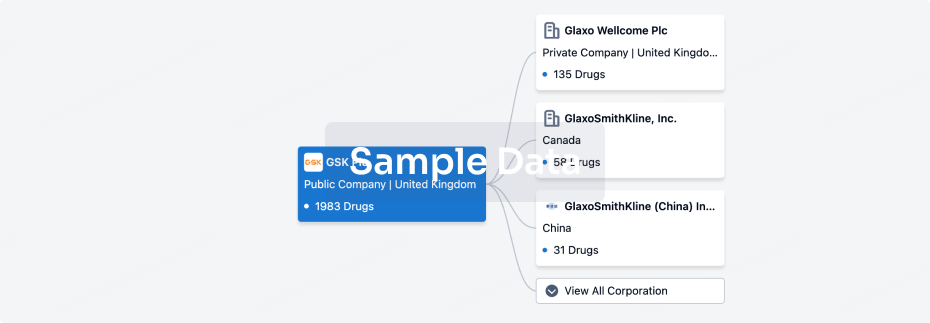
Corporation Tree
Boost your research with our corporation tree data.
login
or
Pipeline
Pipeline Snapshot as of 15 Dec 2025
No data posted
Login to keep update
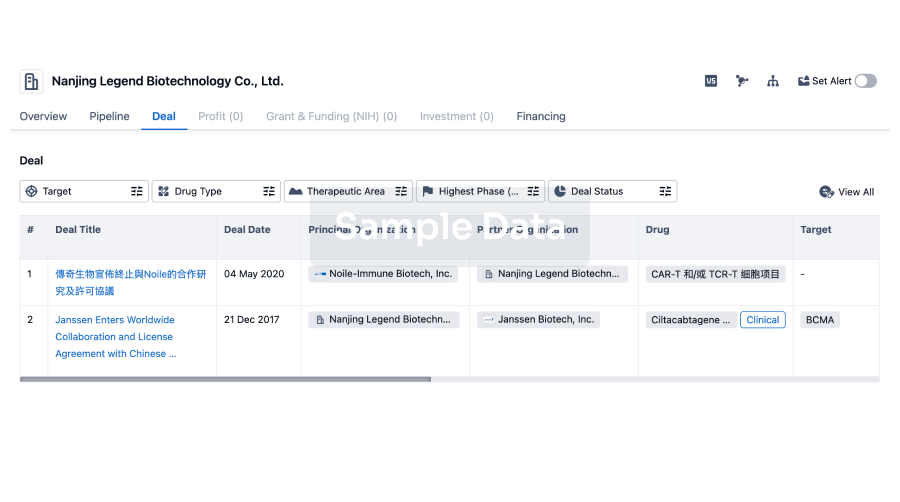
Deal
Boost your decision using our deal data.
login
or
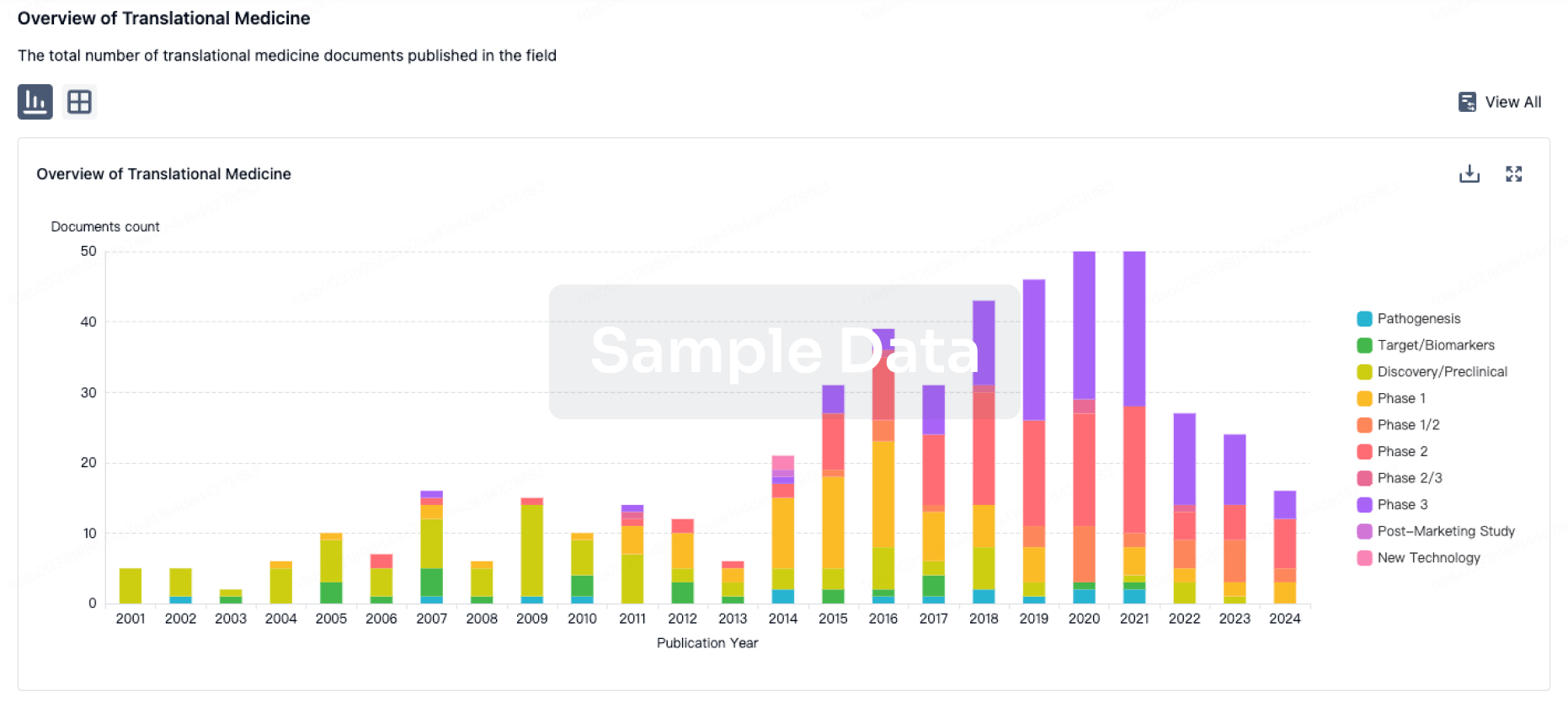
Translational Medicine
Boost your research with our translational medicine data.
login
or
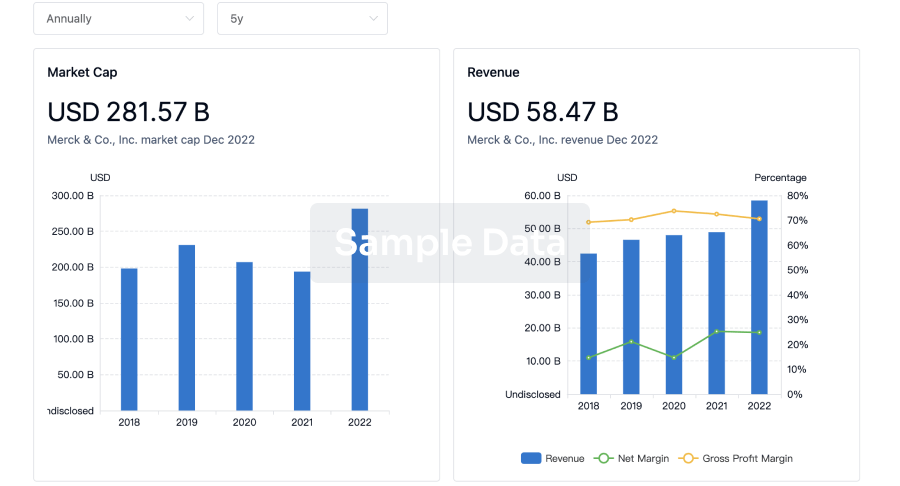
Profit
Explore the financial positions of over 360K organizations with Synapse.
login
or
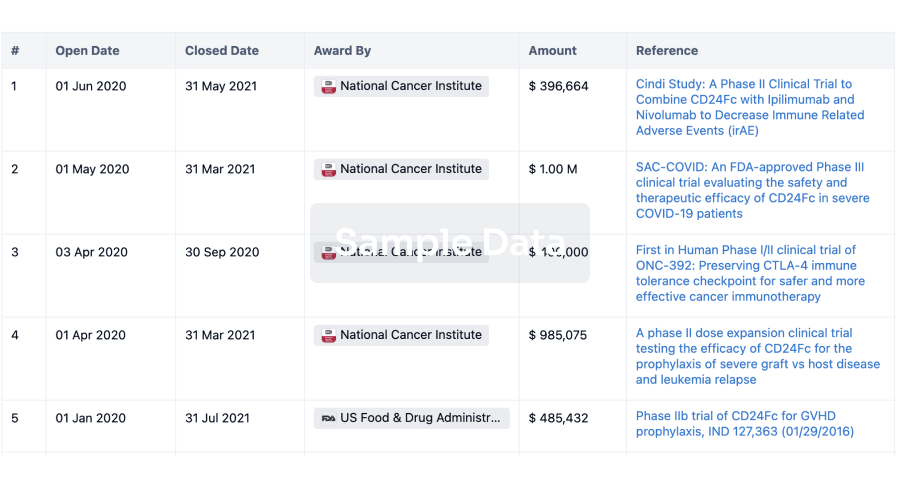
Grant & Funding(NIH)
Access more than 2 million grant and funding information to elevate your research journey.
login
or
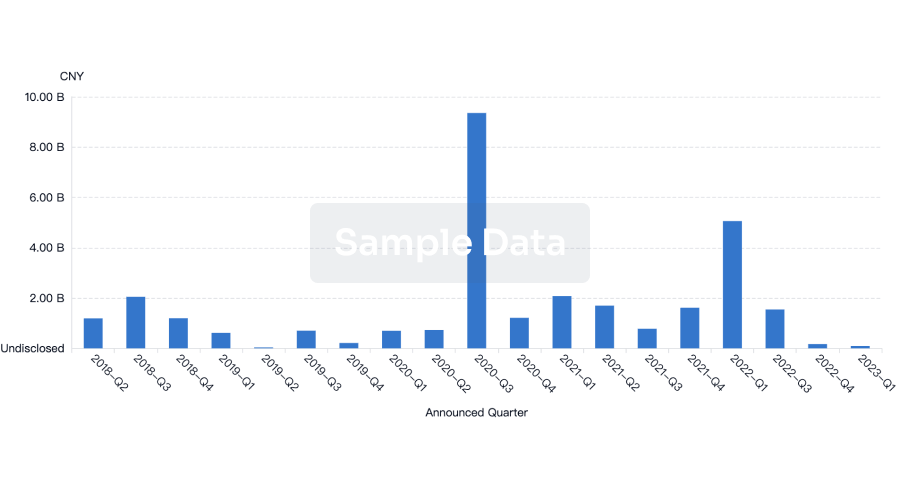
Investment
Gain insights on the latest company investments from start-ups to established corporations.
login
or
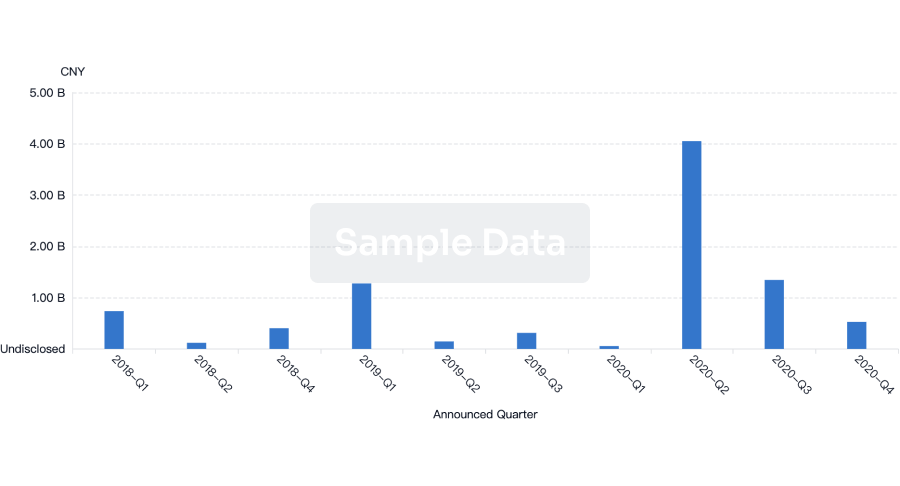
Financing
Unearth financing trends to validate and advance investment opportunities.
login
or
AI Agents Built for Biopharma Breakthroughs
Accelerate discovery. Empower decisions. Transform outcomes.
Get started for free today!
Accelerate Strategic R&D decision making with Synapse, PatSnap’s AI-powered Connected Innovation Intelligence Platform Built for Life Sciences Professionals.
Start your data trial now!
Synapse data is also accessible to external entities via APIs or data packages. Empower better decisions with the latest in pharmaceutical intelligence.
Bio
Bio Sequences Search & Analysis
Sign up for free
Chemical
Chemical Structures Search & Analysis
Sign up for free