Request Demo
Last update 01 Feb 2026

West Bengal Chemical Industries Ltd.
Last update 01 Feb 2026
Overview
Tags
Hemic and Lymphatic Diseases
Endocrinology and Metabolic Disease
Small molecule drug
Disease domain score
A glimpse into the focused therapeutic areas
Technology Platform
Most used technologies in drug development
Targets
Most frequently developed targets

No Data
Related
IN202431081829
Patent MiningTarget |
Mechanism |
Active Org. |
Originator Org. |
Active Indication |
Inactive Indication |
Drug Highest Phase |
First Approval Ctry. / Loc. |
First Approval Date |
WO2023047424
Patent MiningTarget |
Mechanism |
Active Org. |
Originator Org. |
Active Indication |
Inactive Indication |
Drug Highest Phase |
First Approval Ctry. / Loc. |
First Approval Date |

100 Clinical Results associated with West Bengal Chemical Industries Ltd.
Login to view more data
Login to view more data
01 Aug 2025Current Drug Delivery
Microneedles: An Efficient Technique to Increase Transdermal Drug Delivery System
Review
Author: Ali, Kazi Asraf ; Kuiry, Abhradeep ; Biswas, Mahua ; Dey, Abhijit ; Roy, Sanjit Kr. ; Bishal, Amlan
Transdermal Drug Delivery Systems (TDDS) have gained attention as a viable substitute
for traditional drug administration methods because of their controlled release capabilities and
non-invasive design. Microneedles are a new and effective technology that has attracted a lot of attention
recently to enhance the capabilities of TDDS further. The study on microneedles and their
potential to improve transdermal medication delivery is thoroughly reviewed in this review article.
The study initiates by clarifying the difficulties linked to traditional medication delivery techniques
and the benefits provided by transdermal channels. The article then explores the development
of microneedle technology, outlining the several kinds of microneedles-solid, hollow, and
dissolving-as well as their uses. Because of their special capacity to penetrate the skin's protective
layer painlessly and their ability to distribute drugs precisely and accurately, microneedles are a
highly useful instrument in pharmaceutical research. The materials, geometry, and manufacturing
processes that affect the design and creation of microneedles are critically analyzed and presented.
The manuscript delves into the latest developments in microneedle technology, encompassing the
utilization of biodegradable polymers, smart materials, and sensing components for in-the-moment
monitoring. This analysis concludes by highlighting the noteworthy advancements in the
field of microneedles and their potential to transform transdermal drug delivery systems. This thorough
knowledge seeks to further the current discussion in pharmaceutical research, encouraging
creativity and opening the door for the creation of safer, more effective drug delivery systems.
100 Deals associated with West Bengal Chemical Industries Ltd.
Login to view more data
100 Translational Medicine associated with West Bengal Chemical Industries Ltd.
Login to view more data
Corporation Tree
Boost your research with our corporation tree data.
login
or

Pipeline
Pipeline Snapshot as of 03 Mar 2026
The statistics for drugs in the Pipeline is the current organization and its subsidiaries are counted as organizations,Early Phase 1 is incorporated into Phase 1, Phase 1/2 is incorporated into phase 2, and phase 2/3 is incorporated into phase 3
Discovery
2
Login to view more data
Current Projects
Login to view more data
Deal
Boost your decision using our deal data.
login
or

Translational Medicine
Boost your research with our translational medicine data.
login
or

Profit
Explore the financial positions of over 360K organizations with Synapse.
login
or

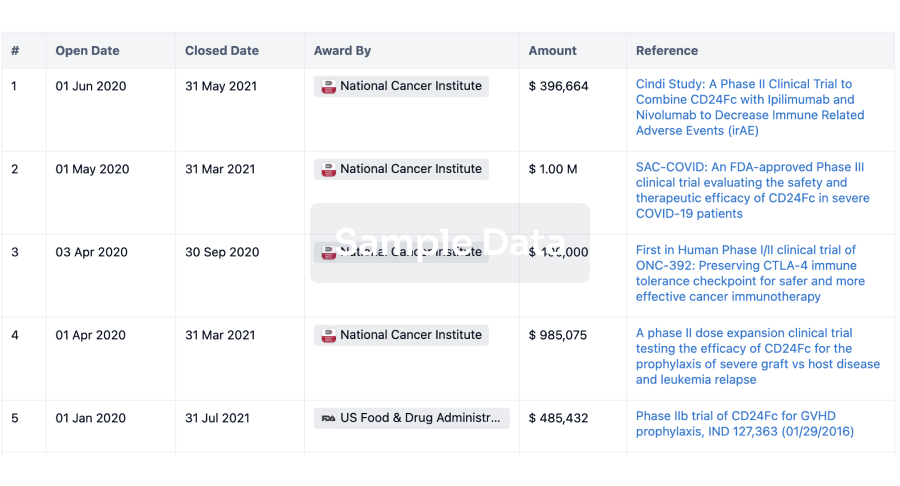
Grant & Funding(NIH)
Access more than 2 million grant and funding information to elevate your research journey.
login
or
Investment
Gain insights on the latest company investments from start-ups to established corporations.
login
or

Financing
Unearth financing trends to validate and advance investment opportunities.
login
or

AI Agents Built for Biopharma Breakthroughs
Accelerate discovery. Empower decisions. Transform outcomes.
Get started for free today!
Accelerate Strategic R&D decision making with Synapse, PatSnap’s AI-powered Connected Innovation Intelligence Platform Built for Life Sciences Professionals.
Start your data trial now!
Synapse data is also accessible to external entities via APIs or data packages. Empower better decisions with the latest in pharmaceutical intelligence.
Bio
Bio Sequences Search & Analysis
Sign up for free
Chemical
Chemical Structures Search & Analysis
Sign up for free