Request Demo
Last update 29 Aug 2025
Government Vellore Medical College
Last update 29 Aug 2025
Overview
Related
NCT05330884
Efficacy of BCG Revaccination Compared With Oral Chemoprophylaxis in Household Contacts Aged 6-18 Years for Prevention of Tuberculosis Disease - A Phase III Open Labelled Randomised Controlled Trial
100 Clinical Results associated with Government Vellore Medical College
Login to view more data
Login to view more data
01 Oct 2025Asian Journal of Psychiatry
Julius Caesar: A neuropsychological profile and lessons in power and personality
Letter
Author: Velayudham, Jaikumar
09 May 2025Cureus Journal of Medical Science
Knowledge of Neonatal Danger Signs Among Mothers of Neonates in and Around Chennai: A Cross-Sectional Study
Article
Author: Subramanian, Raashidha ; Murugan Dhanapal, Vidhyashree ; Sundararaj, Ravi ; Rajendran, Tharika ; Murugan, Arun ; Annamalai Pandian, Angel Saravana Priya ; Elango, Subind Srinivas ; Baskaran, Vinitha ; Ramasubramanian, Swaminathan ; Balamurugan, Snehanjali
Background Neonatal mortality remains a significant public health issue globally, particularly in low- and middle-income countries such as India. Early identification of neonatal danger signs (NDSs) is vital for reducing mortality rates, yet many mothers lack the knowledge required to recognize these warning signs. This study aims to assess the knowledge of NDSs among mothers of neonates in Chennai and nearby areas. Objective To estimate the level of knowledge of NDSs among mothers in and around Chennai, and to analyze the association between maternal age, socio-economic factors, healthcare availability, and employment status with their knowledge of NDSs. Methods A cross-sectional study was conducted between August and December 2022, across three healthcare facilities in Chennai. Data were collected from 430 postnatal mothers using a standardized, interviewer-administered questionnaire. Participants were selected through convenience sampling. The data were analyzed using descriptive statistics, chi-square tests, logistic regression, and non-parametric methods, with analysis performed in Python version 3.9 (Python Software Foundation, Wilmington, DE, USA). Results Among the 430 mothers, the average age was 26 years, with 321 (74.65%) being non-working. High awareness was observed for fever (91.86%, n = 395), diarrhea (74.88%, n = 322), and vomiting (69.53%, n = 299), while signs such as hypothermia (26.51%, n = 114) and lethargy (38.60%, n = 166) were poorly recognized. Family income was significantly associated with higher maternal knowledge of NDSs. However, maternal age, education level, employment status, antenatal visits, and spouse accompaniment did not demonstrate significant associations in the adjusted analysis. Conclusion Socio-economic status and healthcare access were significantly linked to maternal knowledge of NDSs. Despite high recognition of some danger signs, critical signs like hypothermia were poorly recognized. Tailored public health interventions focusing on economically disadvantaged groups and comprehensive health education could bridge these knowledge gaps, potentially reducing neonatal mortality in Chennai.
01 Nov 2024Lung India
Point-of-care lung ultrasound in the diagnosis of childhood pneumonia
Article
Author: Kalpana, Sivasambo ; Jayabalan, Raveendran ; Velmurugan, Lakshmi S. ; Vaitheeswaran, Gayathri
ABSTRACT:
Introduction::
Lung ultrasound is emerging as a rapid, simple and safe alternative for diagnosing pneumonia since it has a higher sensitivity than X-rays and lower radiation exposure than computerized tomography. This is a prospective observational study done at a tertiary care centre in Chennai to study the diagnostic utility of lung ultrasound in pneumonia.
Methods::
Children aged 1 month to 12 years who were admitted to the hospital with complaints of cough, fever and/or breathing difficulty and on examination had tachypnea and/or chest indrawing were included in the study. All children underwent chest X-rays which was a standard hospital protocol. At admission, an independent investigator who was blinded to the clinical and radiological features of the child performed lung ultrasound. In all children, the final diagnosis of pneumonia was made by another independent expert paediatrician on the basis of the clinical features and chest X-ray. The test characteristics of ultrasound and chest X-ray were compared against this gold standard of physician-diagnosed pneumonia.
Results::
Out of the 252 children studied, 225 (89.3%) had pneumonia while the rest 27 (10.7%) had other diagnoses. Among the 225 children with pneumonia, 223 (99.1%) were detected by ultrasound while 157 (69.8%) were detected by chest X-ray. All the test characteristics such as sensitivity, specificity, positive and negative predictive values of ultrasound were higher than those of chest X-ray. The sensitivity and specificity of ultrasound to diagnose pneumonia were 99.11% and 81.48%, respectively, while the sensitivity and specificity of X-ray for the same were 69.77% and 74.07%, respectively. Overall diagnostic accuracy for chest ultrasonography was 97.22% (94.36% to 98.88%), whereas for chest radiography, it was found to be 70.24% (64.18% to 75.81%).While both modalities were able to diagnose pneumonia significantly, ultrasound had better strength of association (Cramer’s V value = 0.849) than X-ray to the final diagnosis.
Conclusion::
Lung ultrasound can be employed as a point-of-care investigation to diagnose pneumonia in suspected cases and can even replace chest X-ray in such circumstances.
100 Deals associated with Government Vellore Medical College
Login to view more data
100 Translational Medicine associated with Government Vellore Medical College
Login to view more data
Corporation Tree
Boost your research with our corporation tree data.
login
or

Pipeline
Pipeline Snapshot as of 17 Dec 2025
No data posted
Login to keep update
Deal
Boost your decision using our deal data.
login
or
Translational Medicine
Boost your research with our translational medicine data.
login
or
Profit
Explore the financial positions of over 360K organizations with Synapse.
login
or
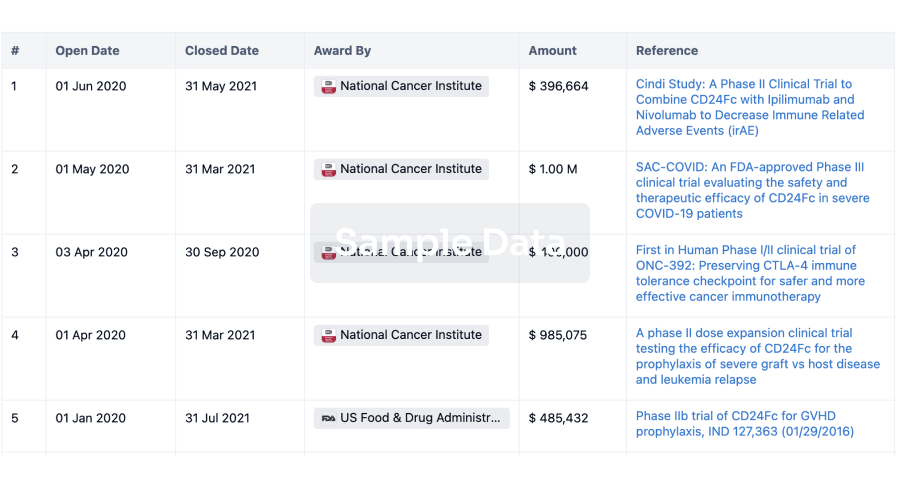
Grant & Funding(NIH)
Access more than 2 million grant and funding information to elevate your research journey.
login
or
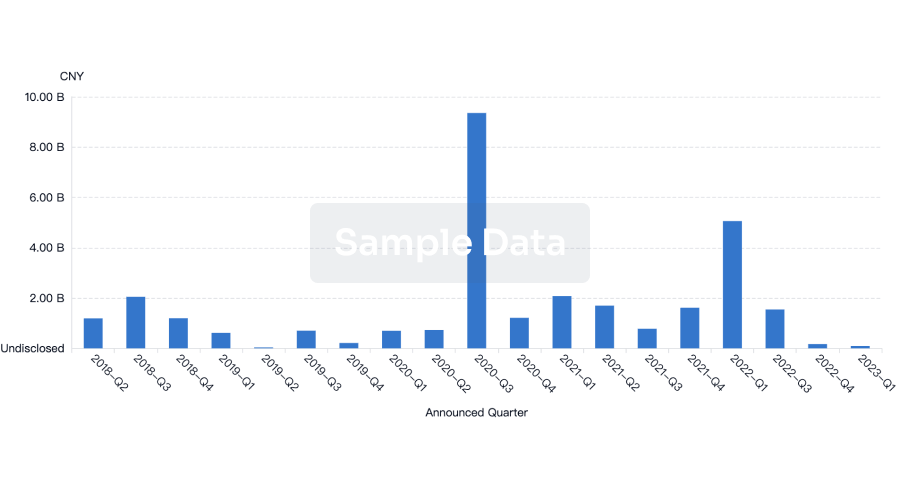
Investment
Gain insights on the latest company investments from start-ups to established corporations.
login
or
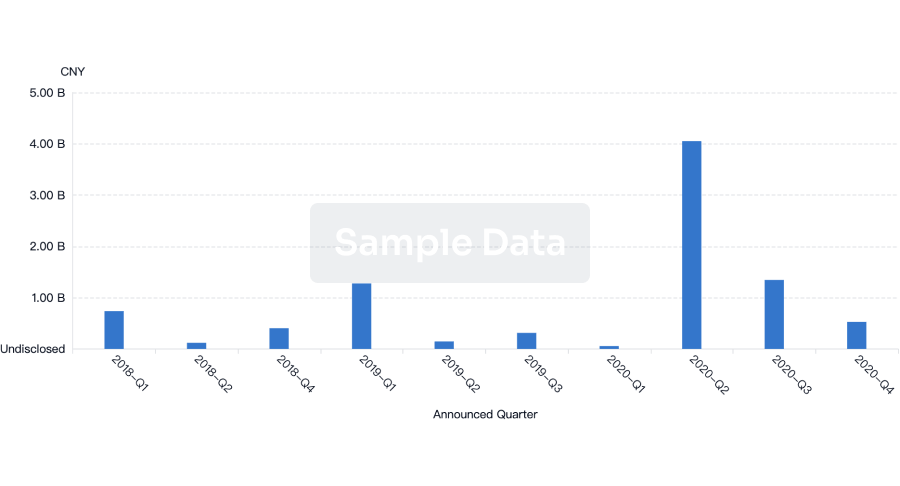
Financing
Unearth financing trends to validate and advance investment opportunities.
login
or
AI Agents Built for Biopharma Breakthroughs
Accelerate discovery. Empower decisions. Transform outcomes.
Get started for free today!
Accelerate Strategic R&D decision making with Synapse, PatSnap’s AI-powered Connected Innovation Intelligence Platform Built for Life Sciences Professionals.
Start your data trial now!
Synapse data is also accessible to external entities via APIs or data packages. Empower better decisions with the latest in pharmaceutical intelligence.
Bio
Bio Sequences Search & Analysis
Sign up for free
Chemical
Chemical Structures Search & Analysis
Sign up for free