Request Demo
Last update 08 May 2025

Amirkabir University of Technology
Last update 08 May 2025
Overview
Related
JPRN-UMIN000044974
Effect of six weeks Balance Training on Sensory organization and Postural control and Functional index in the Perturbation in athletes with chronic ankle instability - Effect of six weeks Balance Training on Sensory organization and Postural control and Functional index in the Perturbation in athletes with chronic ankle instability
ACTRN12616001579482
Efficacy of a 12-week RCT comparing a low carbohydrate, high fat diet vs mainstream nutrition guidelines on metabolic health outcomes (body composition, lipids and glycaemic control) in a sample of 41 overweight New Zealand navy personnel.
100 Clinical Results associated with Amirkabir University of Technology
Login to view more data
Login to view more data
31 Dec 2025Energy Sources, Part A: Recovery, Utilization, and Environmental Effects
Precipitation/dissolution and precipitants movement mechanisms effects on injectivity variations during diluted produced water re-injection into a layered reservoir - experimental investigation
Author: Abbasi, Saeed ; Khamehchi, Ehsan
31 Dec 2025International Journal of Systems Science: Operations & Logistics
Integrating pricing and scheduling decisions in a production network with distance–price-sensitive orders
Author: Malekshahi, Mohammad Sadegh ; Hoseinpour, Pooya
31 Dec 2025International Journal of Pavement Engineering
Nonlinear fractional viscoelastic modeling of high-temperature rheological behaviour of SBS and PPA modified asphalt binders
Author: Hajikarimi, Pouria ; Ehsani, Mehrdad ; Moghadas Nejad, Fereidoon ; Jafari, Mohammad
100 Deals associated with Amirkabir University of Technology
Login to view more data
100 Translational Medicine associated with Amirkabir University of Technology
Login to view more data
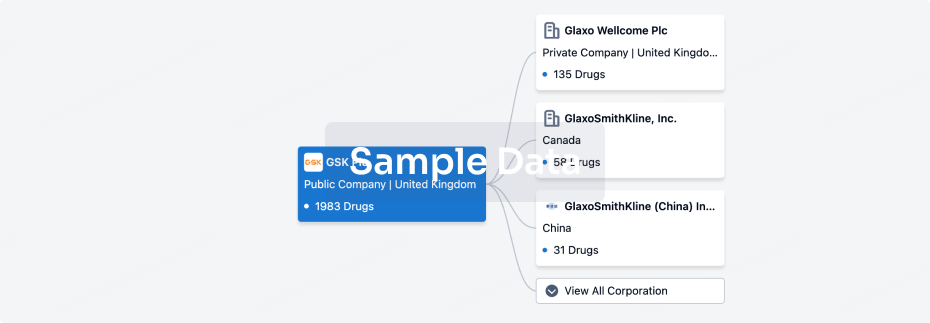
Corporation Tree
Boost your research with our corporation tree data.
login
or
Pipeline
Pipeline Snapshot as of 10 Dec 2025
No data posted
Login to keep update
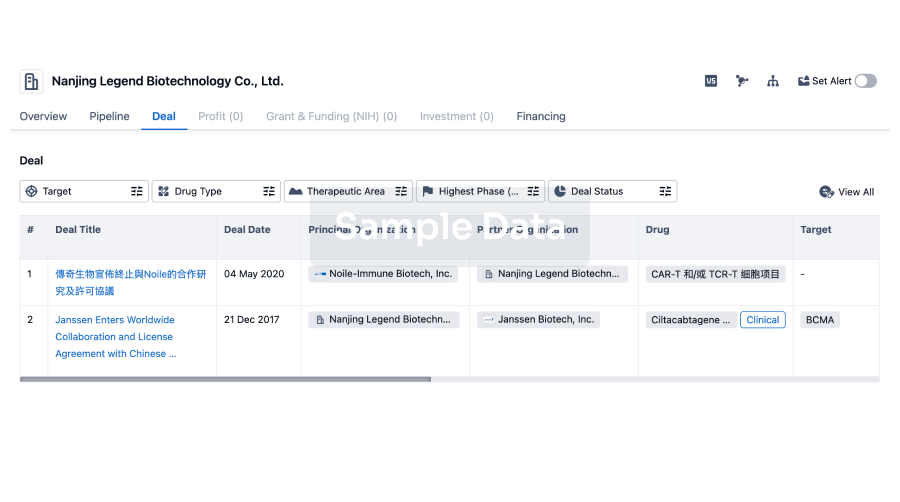
Deal
Boost your decision using our deal data.
login
or
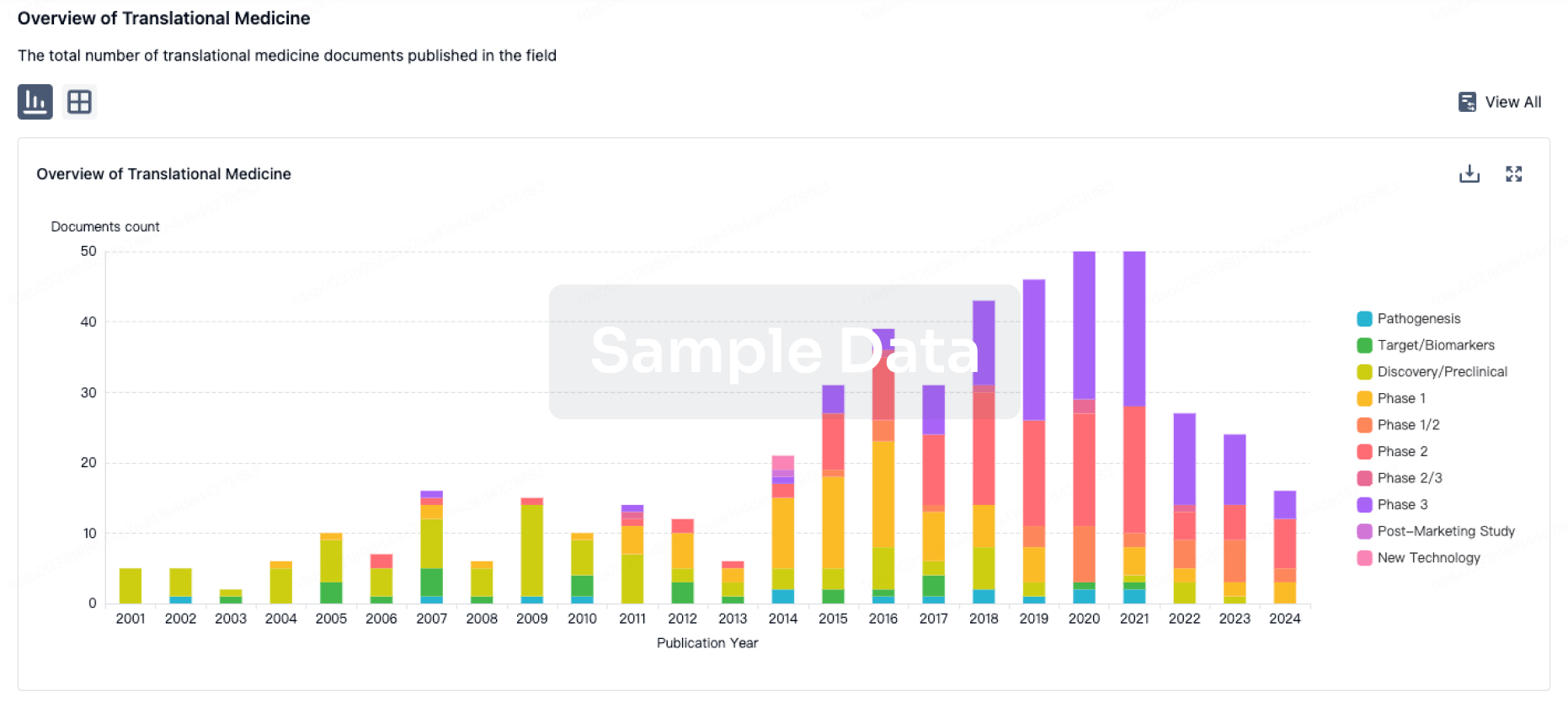
Translational Medicine
Boost your research with our translational medicine data.
login
or
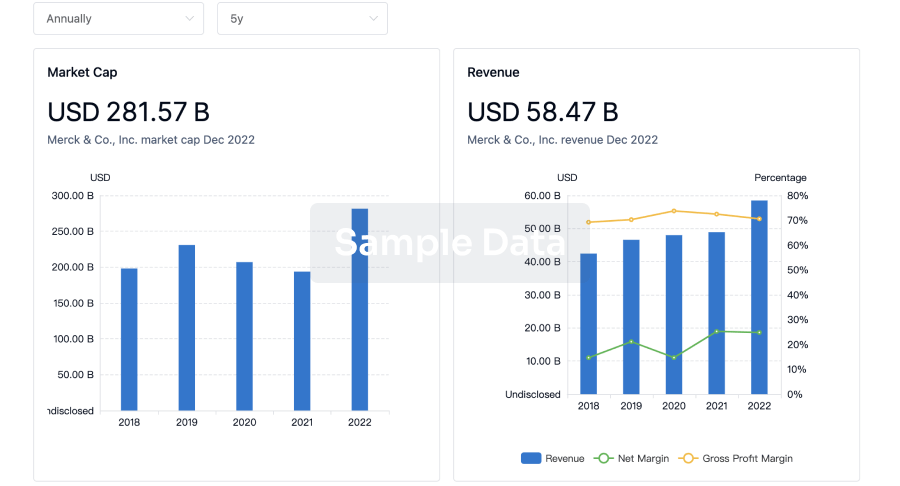
Profit
Explore the financial positions of over 360K organizations with Synapse.
login
or
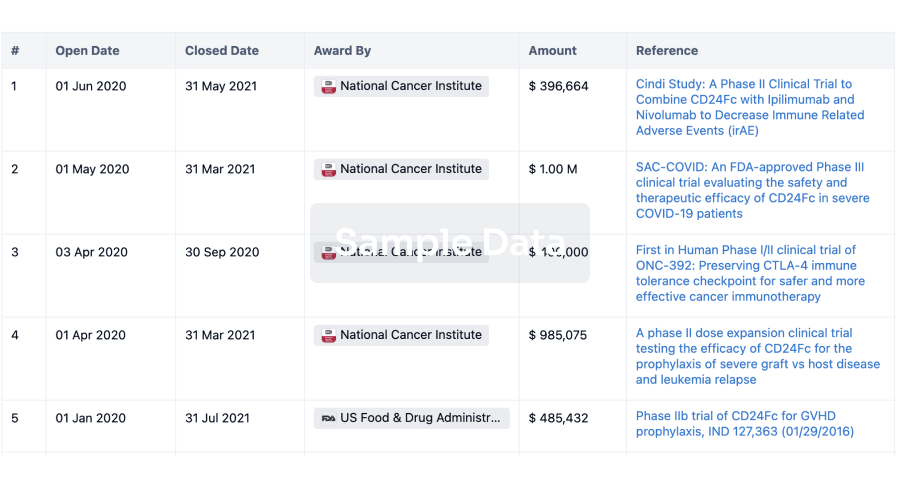
Grant & Funding(NIH)
Access more than 2 million grant and funding information to elevate your research journey.
login
or
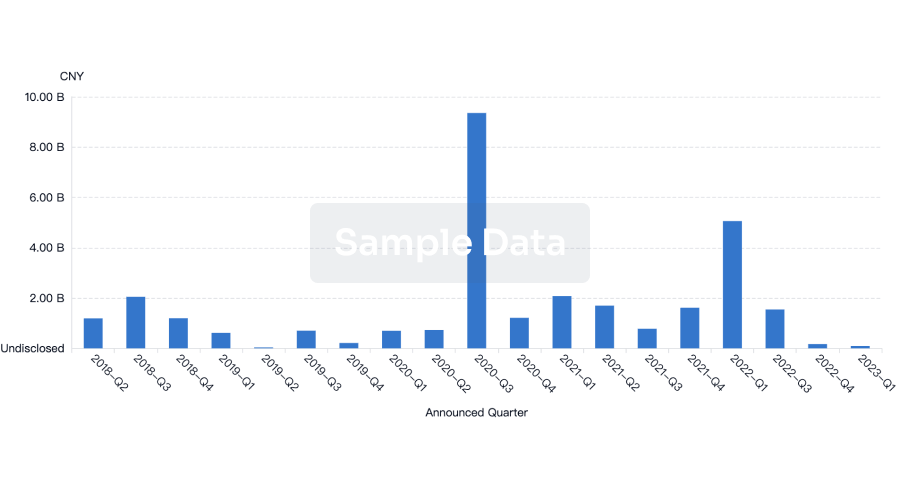
Investment
Gain insights on the latest company investments from start-ups to established corporations.
login
or
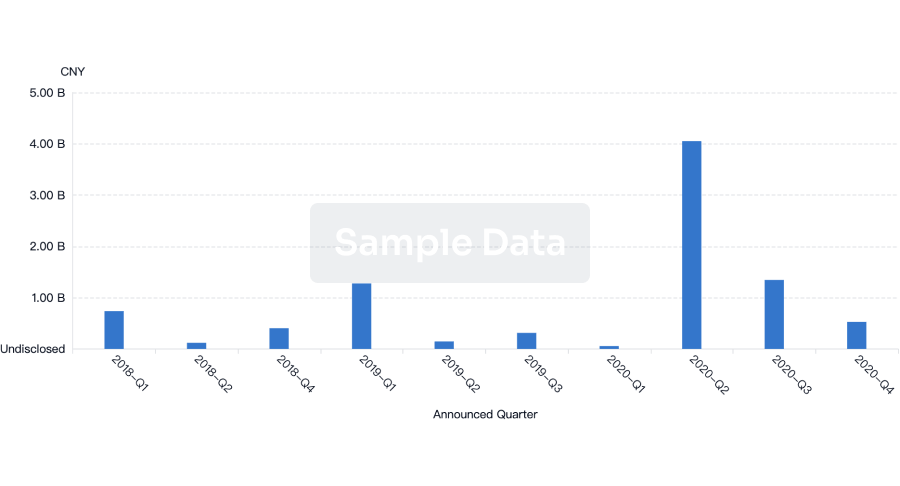
Financing
Unearth financing trends to validate and advance investment opportunities.
login
or
AI Agents Built for Biopharma Breakthroughs
Accelerate discovery. Empower decisions. Transform outcomes.
Get started for free today!
Accelerate Strategic R&D decision making with Synapse, PatSnap’s AI-powered Connected Innovation Intelligence Platform Built for Life Sciences Professionals.
Start your data trial now!
Synapse data is also accessible to external entities via APIs or data packages. Empower better decisions with the latest in pharmaceutical intelligence.
Bio
Bio Sequences Search & Analysis
Sign up for free
Chemical
Chemical Structures Search & Analysis
Sign up for free