Advancements in BTK Inhibition: The Profile of REDX08608 for Overcoming Resistance in B-Cell Malignancies
The REDX08608 inhibitor has been designed to overcome resistance by targeting both wild-type and mutated BTK. It has shown superior pharmacokinetics and reversibly inhibits BTK with nanomolar binding affinity. REDX08608 effectively inhibits BTK signaling and growth in cell lines reliant on the BTK pathway, including the OCI-LY10 ABC-DLBCL cell line, and also operates in primary CLL cells.
In human whole blood and PBMCs, REDX08608 inhibits B-cell activation at nanomolar concentrations, as measured by the inhibition of CD69 in CD19+ cells. The compound is highly selective, with over 100-fold selectivity against other Tec and Src kinase family members and over 400-fold selectivity against EGFR.
REDX08608 has been thoroughly profiled in DMPK in vitro assays, showing acceptable metabolic and plasma stability across species. It does not activate PXR or exhibit time-dependent inhibition, and it has high IC50 values for several human cytochrome P450s. The compound has demonstrated good exposure, oral bioavailability, and half-life in preclinical species, with dose linearity assessed in mouse, rat, and dog models.
REDX08608's in vivo efficacy will be disclosed, highlighting its potential as a reversible BTK inhibitor that could target both wild-type BTK and address resistance mechanisms in patients with CLL who progress after ibrutinib treatment.
How to Use Synapse Database to Search and Analyze Translational Medicine Data?
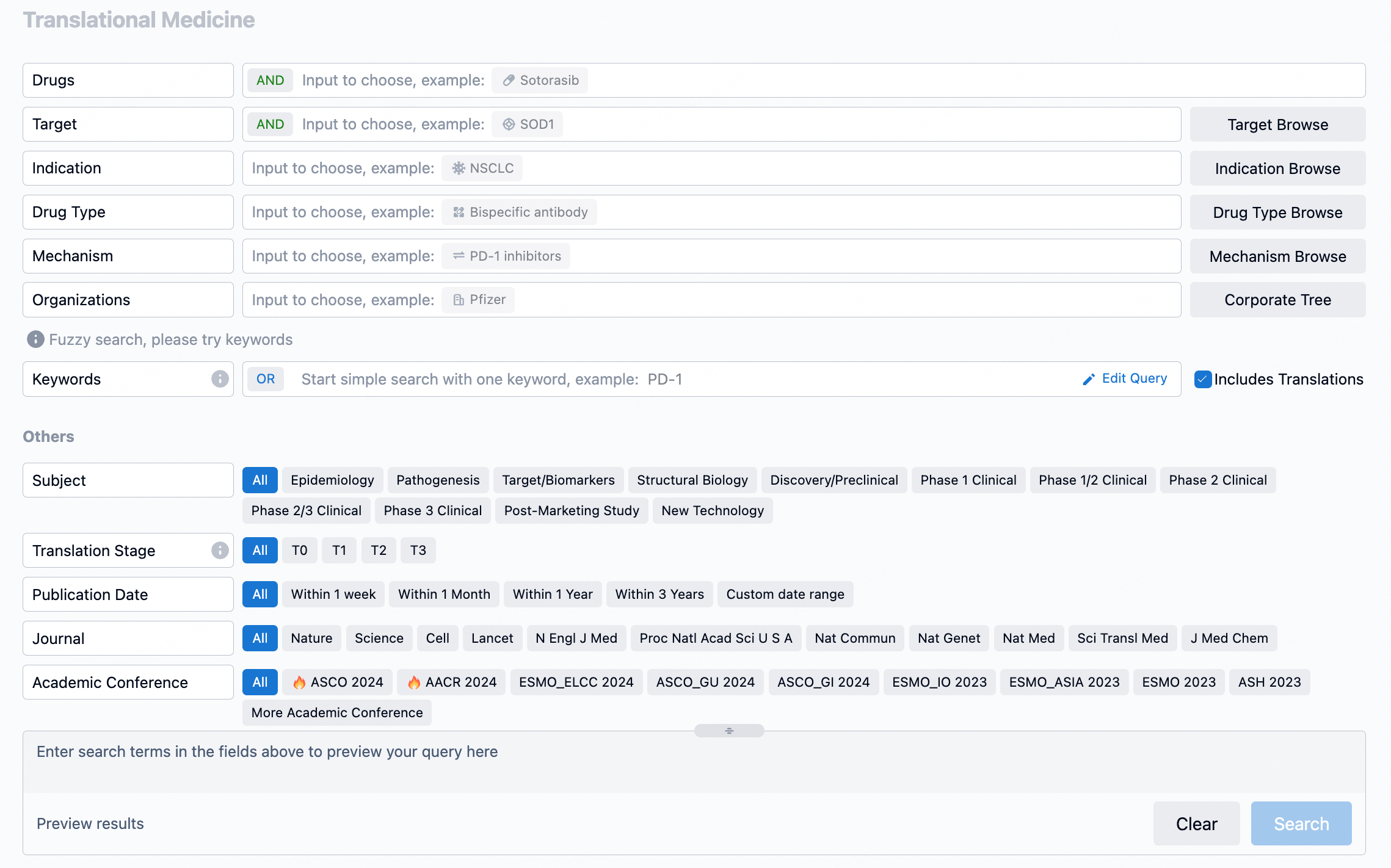
The transational medicine section of the Synapse database supports searches based on fields such as drug, target, and indication, covering the T0-T3 stages of translation. Additionally, it offers a historical conference search function as well as filtering options, view modes, translation services, and highlights summaries, providing you with a unique search experience.
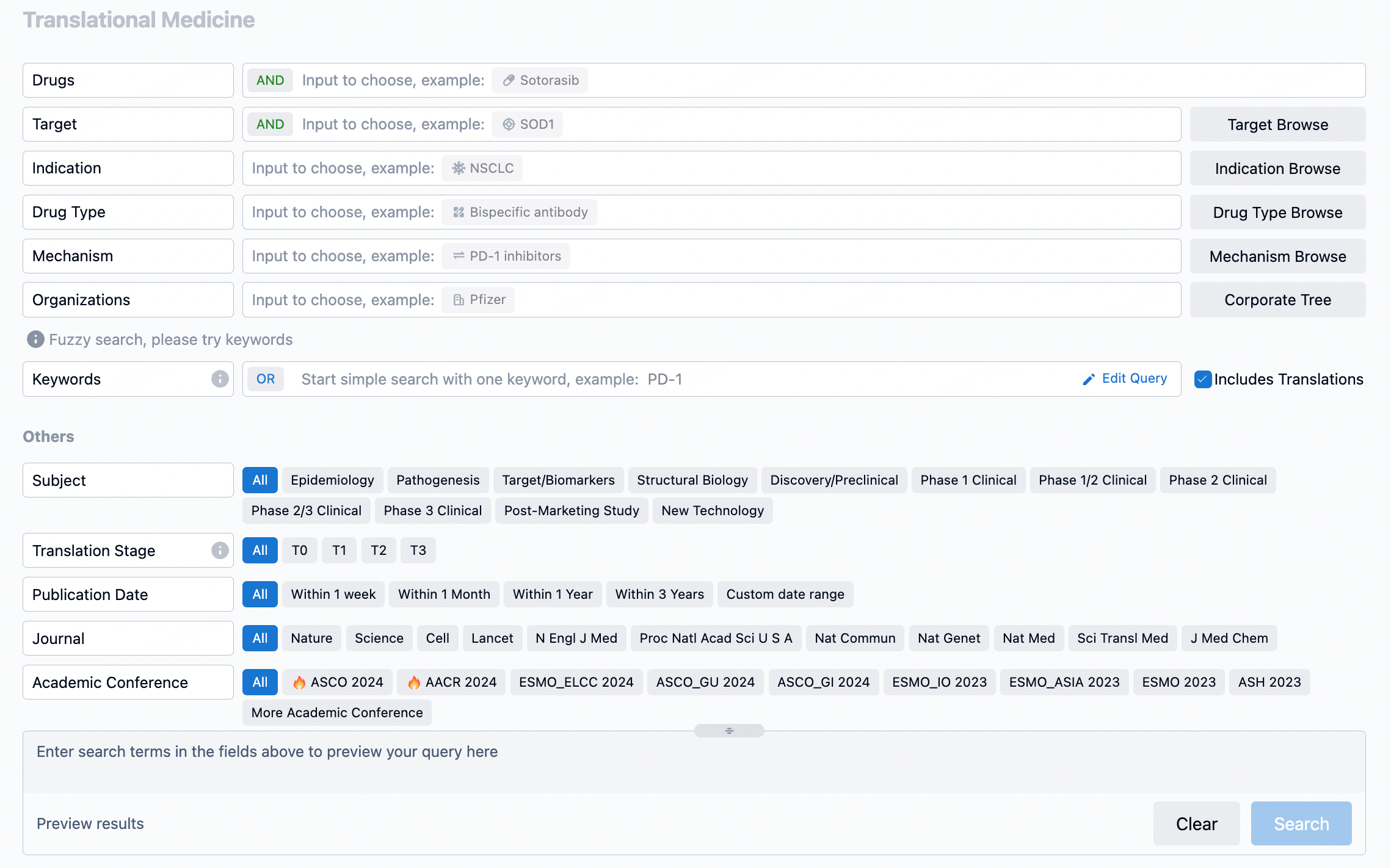
Taking obesity as an example, select "obesity" under the indication category and click search to enter the Translational Medicine results list page. By clicking on the title, you can directly navigate to the original page.
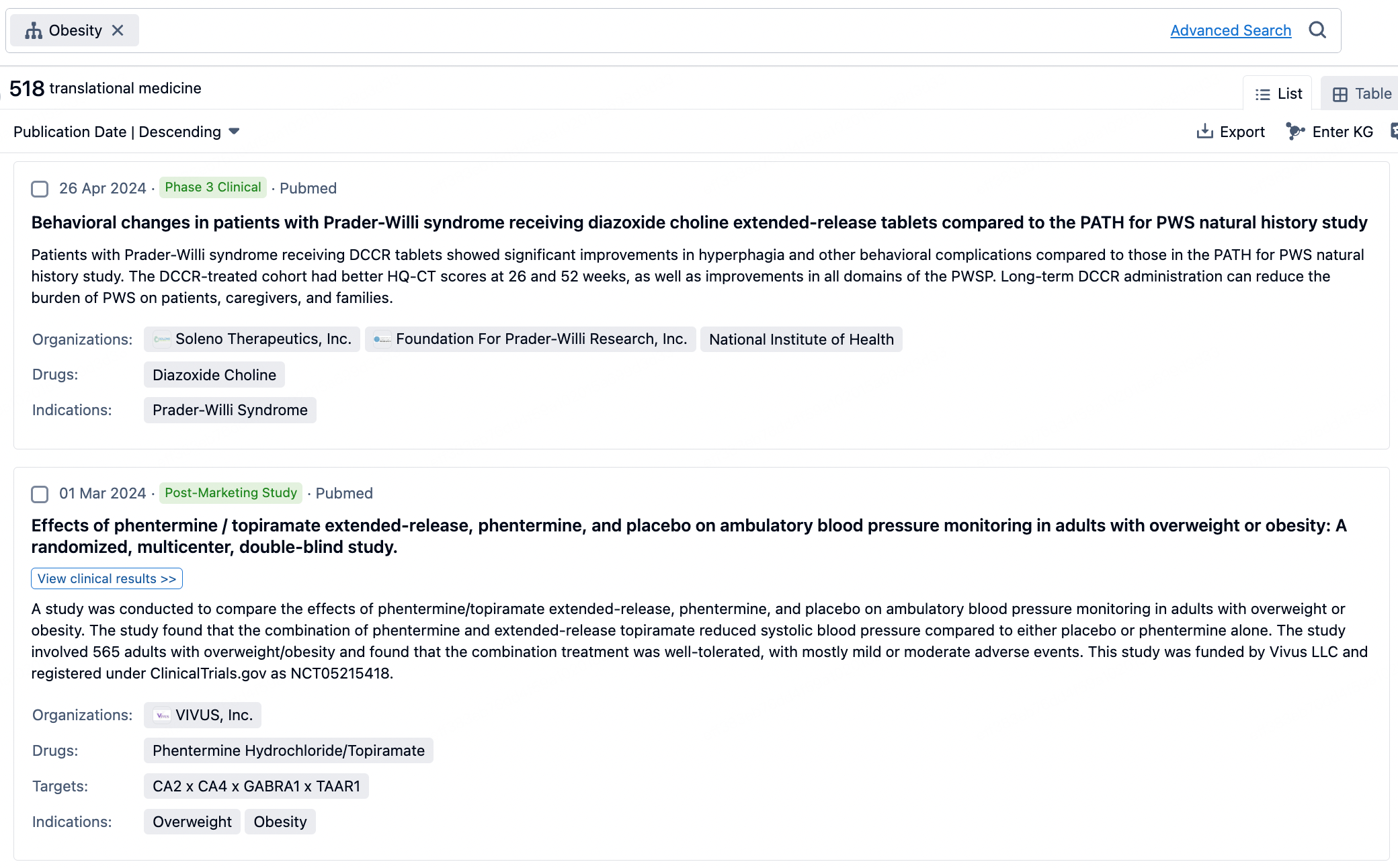
By clicking the analysis button, you can observe that GLP-1R treatment for obesity has gained significant attention over the past three years, with preclinical research still ongoing in 2023. Additionally, there are emerging potential targets, such as GDF15, among others.
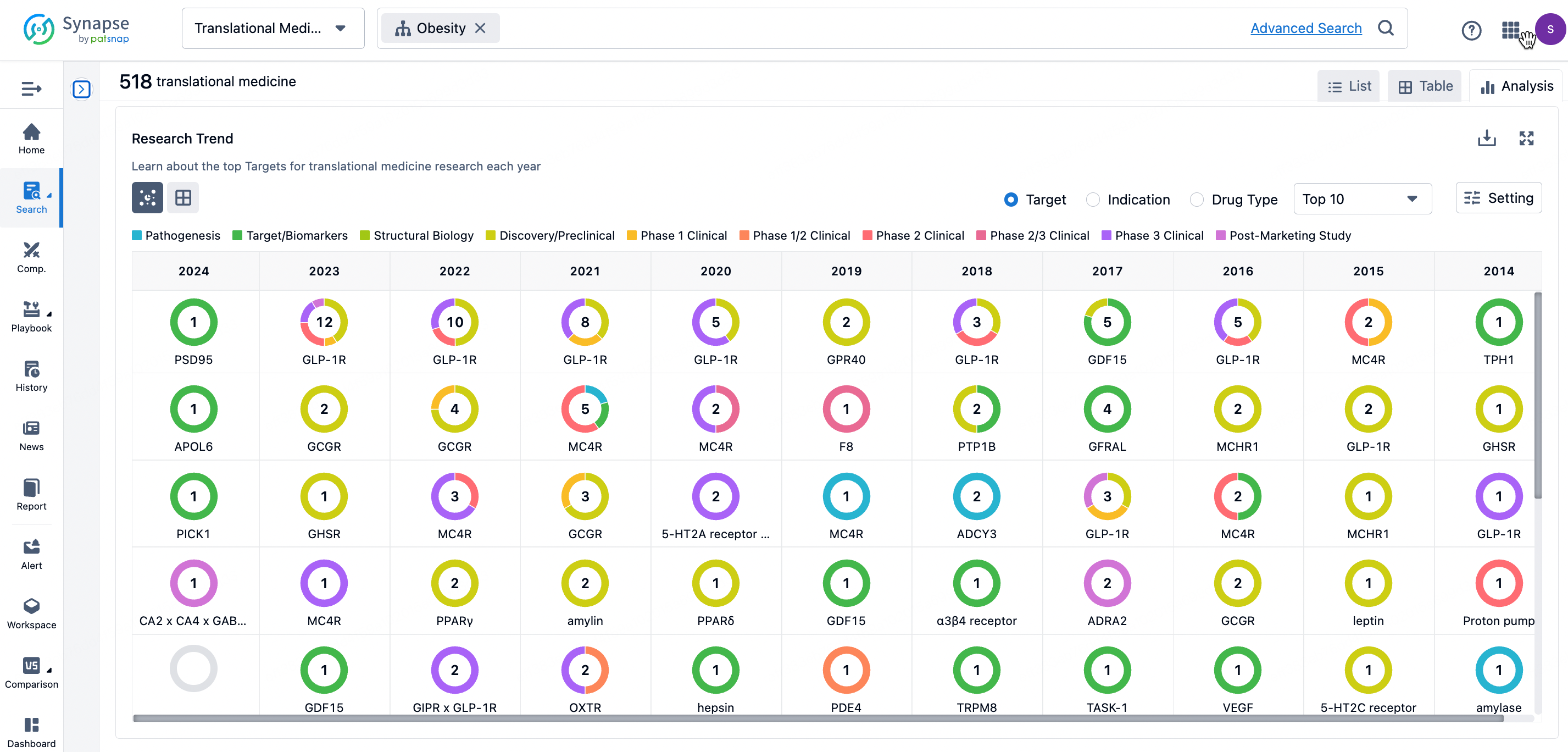
Click on the image below to go directly to the Translational Medicine search interface.