Efficacy of RAP-536 in Alleviating Anemia in Myelodysplastic Syndrome: Insights from a Murine Model
The study introduces RAP-536, a protein derived from the activin receptor type IIB (ActRIIB) that can bind TGF-β ligands and inhibit their signaling. This research aims to assess RAP-536's potential in enhancing hematopoiesis in an MDS mouse model. The experiment involved NUP98-HOX13 transgenic mice, which were administered either a placebo or RAP-536 at a dosage of 10 mg/kg twice weekly. Concurrently, wild-type mice were used as controls.
At the beginning of the study, the male transgenic mice exhibited a significant reduction in red blood cell count, hematocrit, and white blood cell count when compared to the controls. Female transgenic mice showed similar trends, with a significant decrease in white blood cells. After one month of treatment, male mice given RAP-536 experienced a substantial increase in red blood cell count, hemoglobin, and hematocrit. Female mice also saw an increase, although less pronounced.
After a four-month treatment period, both male and female transgenic mice treated with RAP-536 showed a significant rise in red blood cell count, hemoglobin, and hematocrit. The white blood cell count remained lower in transgenic mice compared to controls, but no significant differences were observed between RAP-536 and placebo-treated groups.
The findings indicate that RAP-536, by utilizing a distinct pathway from EPO, could be a promising new approach for treating severe anemia in MDS patients and those with related blood disorders.
How to Use Synapse Database to Search and Analyze Translational Medicine Data?
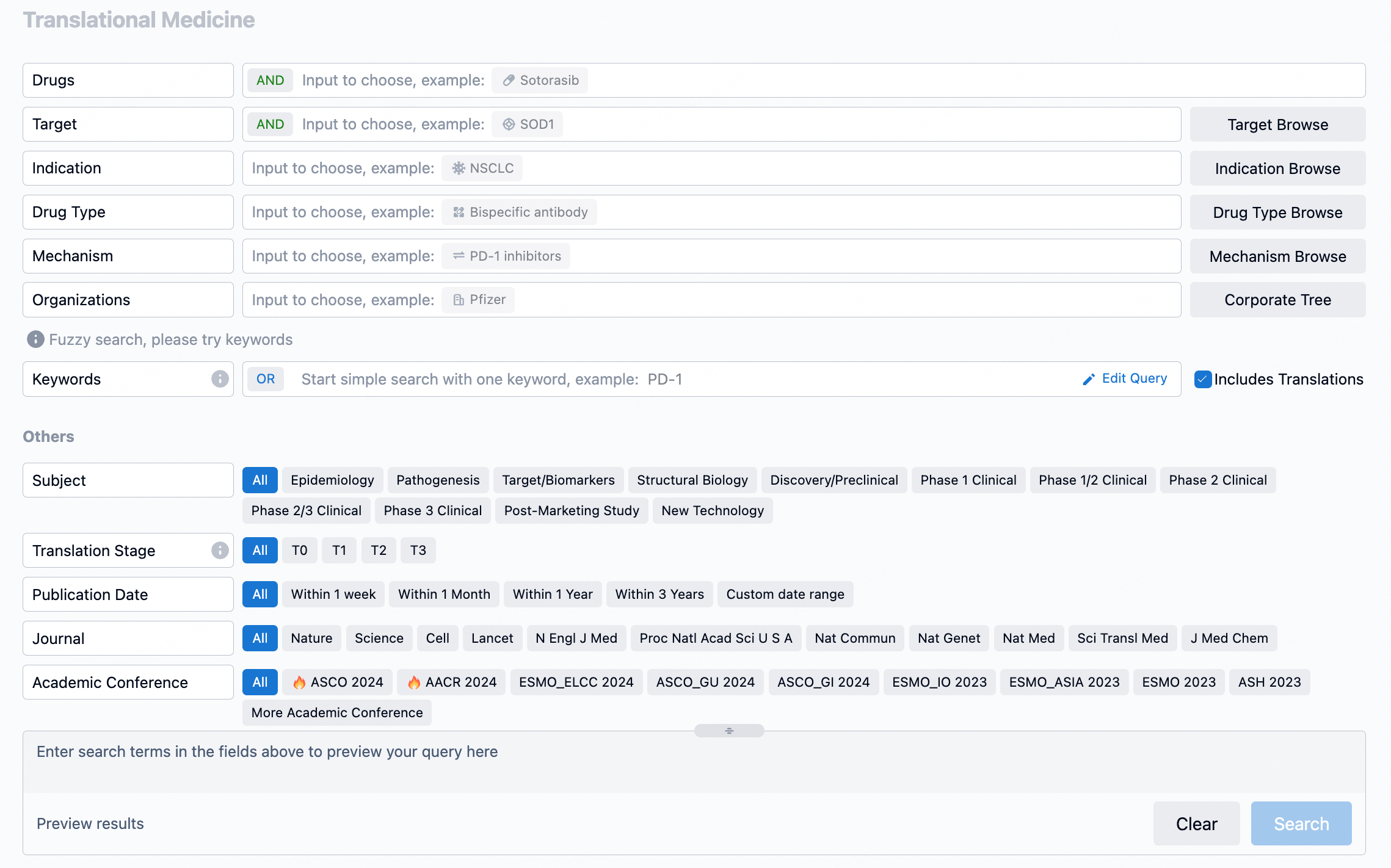
The transational medicine section of the Synapse database supports searches based on fields such as drug, target, and indication, covering the T0-T3 stages of translation. Additionally, it offers a historical conference search function as well as filtering options, view modes, translation services, and highlights summaries, providing you with a unique search experience.
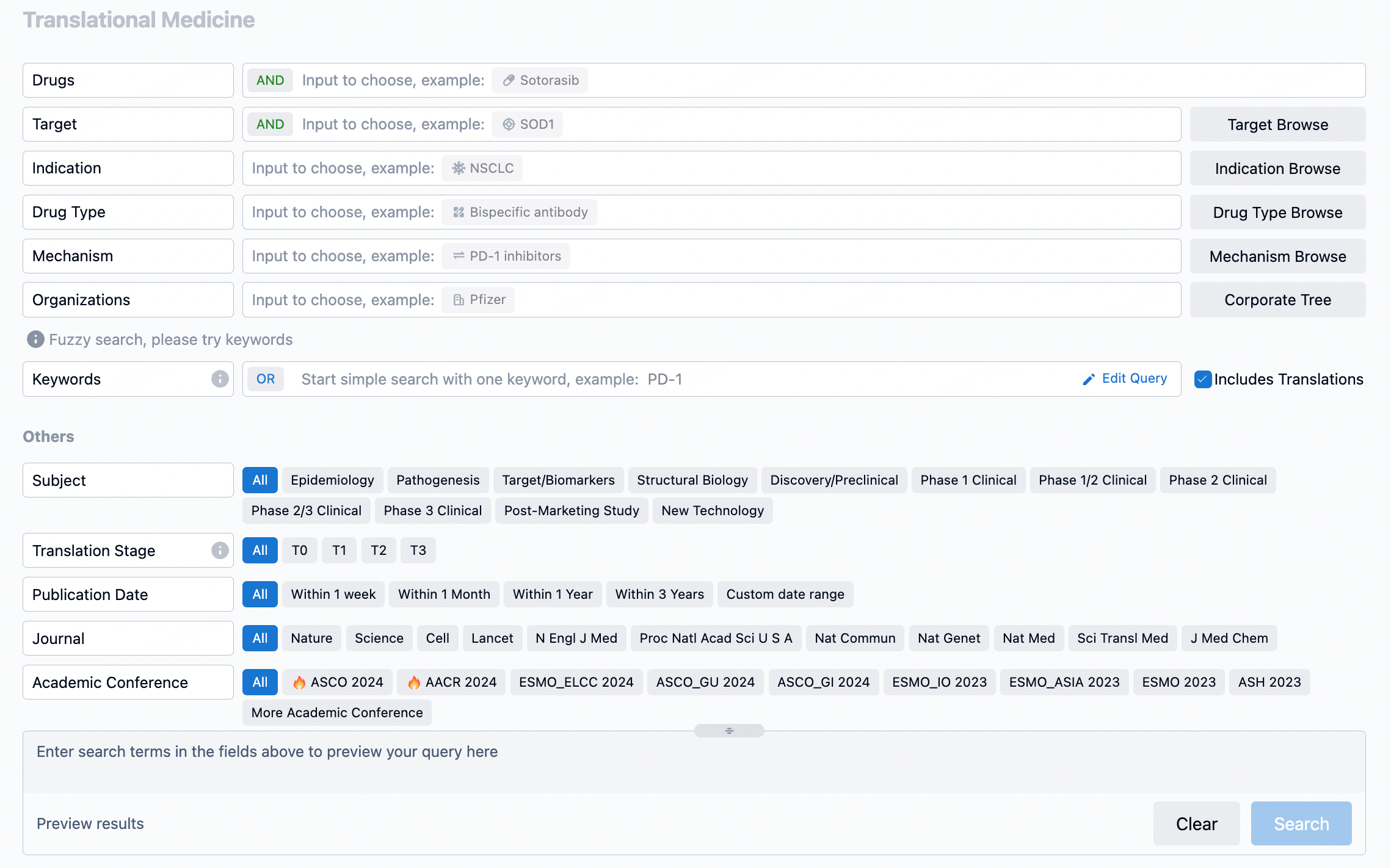
Taking obesity as an example, select "obesity" under the indication category and click search to enter the Translational Medicine results list page. By clicking on the title, you can directly navigate to the original page.
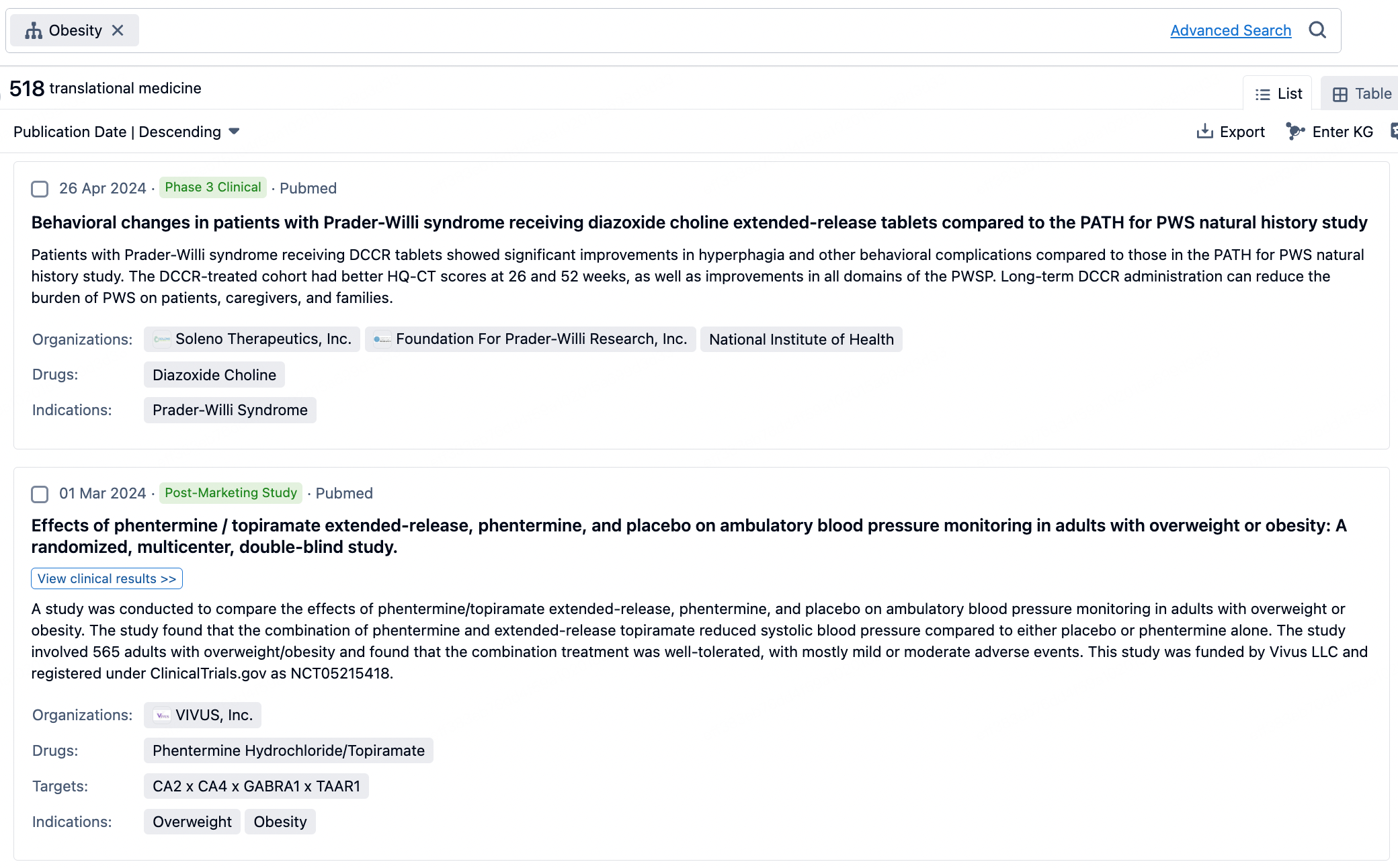
By clicking the analysis button, you can observe that GLP-1R treatment for obesity has gained significant attention over the past three years, with preclinical research still ongoing in 2023. Additionally, there are emerging potential targets, such as GDF15, among others.
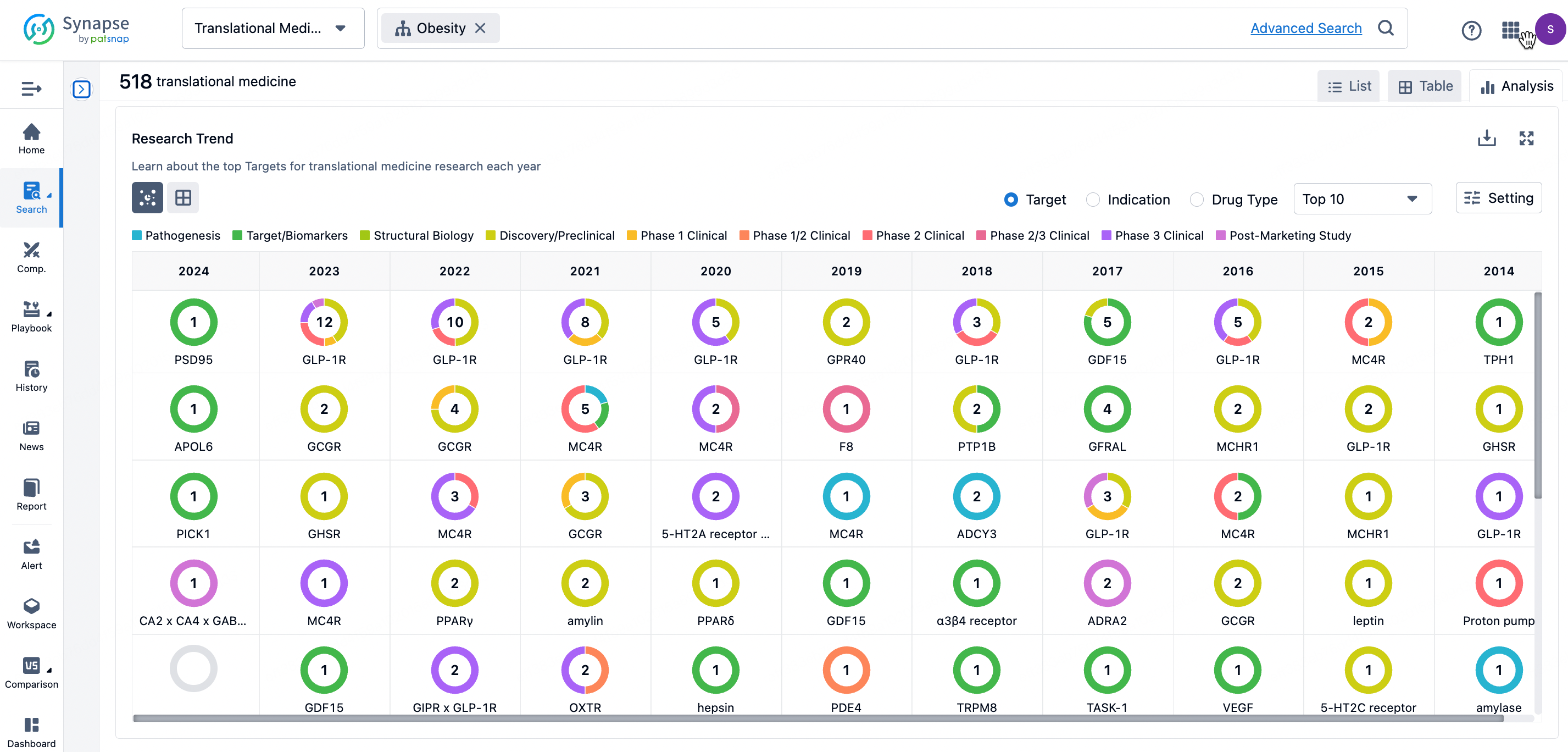
Click on the image below to go directly to the Translational Medicine search interface.