Request Demo
How does Finerenonecompare with other treatments for type 2 diabetes?
7 March 2025
Overview of Type 2 Diabetes Treatments
Current Treatment Options
Type 2 diabetes mellitus (T2D) is managed by a multifaceted approach that includes lifestyle intervention as well as an array of pharmacologic therapies. Today’s treatment options include multiple classes of oral and injectable agents that target different aspects of the disease’s pathophysiology. For example, metformin remains the first‐line drug for glycemic control, lowering hepatic glucose production and increasing insulin sensitivity in peripheral tissues. Other classes of medications include sulfonylureas that stimulate insulin secretion from pancreatic β‐cells, dipeptidyl peptidase‐4 (DPP-4) inhibitors that prolong incretin activity, and glucagon-like peptide-1 receptor agonists (GLP-1RAs) that not only enhance insulin secretion in a glucose-dependent manner but also offer cardiovascular benefits. Over the past few years, sodium-glucose cotransporter 2 inhibitors (SGLT2i) have emerged as a major therapeutic option because of their distinctive mechanism of promoting renal glucose excretion while improving heart failure and renal outcomes.
In addition, more recent approaches incorporate combination therapies that target multiple pathogenic pathways simultaneously. Some patients even receive combination regimens that include both agents for glycemic control and drugs aimed at reducing cardiovascular or renal risk factors. This diverse therapeutic landscape ensures that clinicians can tailor treatments based on individual patient profiles, disease severity, comorbidities, and specific adverse effect patterns.
Mechanisms of Action
The current available medications for T2D work through various mechanisms. Metformin primarily reduces hepatic gluconeogenesis and improves insulin sensitivity. Sulfonylureas trigger insulin release by closing ATP-sensitive potassium channels on pancreatic β-cells. DPP-4 inhibitors extend the life of incretins, thereby enhancing glucose-stimulated insulin secretion, while GLP-1 receptor agonists mimic the incretin effect to not only stimulate insulin but also suppress glucagon secretion and slow gastric emptying. SGLT2 inhibitors act within the kidney by inhibiting renal glucose reabsorption, leading to glycosuria and osmotic diuresis, which also translates into a reduction in blood pressure and improved heart failure outcomes.
In contrast to these agents that directly target glycemic control, other treatments—such as certain mineralocorticoid receptor antagonists (MRAs)—are designed to address downstream complications. Finerenone is one such agent that, rather than directly lowering blood glucose, is focused on blocking the deleterious effects of mineralocorticoid receptor (MR) overactivation. MR activation has been implicated in promoting inflammation, fibrosis, and ensuing damage in the heart and kidneys. By antagonizing the MR, Finerenone can help reduce albuminuria, slow chronic kidney disease (CKD) progression, and lower cardiovascular (CV) event risks in T2D patients with high cardiorenal risk.
Finerenone in Type 2 Diabetes
Pharmacological Profile
Finerenone is a novel, non-steroidal mineralocorticoid receptor antagonist with an innovative pharmacological profile. Unlike traditional steroidal MRAs such as spironolactone and eplerenone, Finerenone is highly selective for the mineralocorticoid receptor and exerts its effects without significant off-target activity at androgen, progesterone, or glucocorticoid receptors. The agent’s molecular design confers several advantages:
• It has a unique binding mode that determines both a potent MR blockade and differential cofactor recruitment, which underpin its anti-inflammatory and anti-fibrotic activities.
• Finerenone displays a balanced tissue distribution between the heart and the kidneys—a property that may translate into a more evenly distributed therapeutic effect and contributes to its cardioprotective and renoprotective profile.
• In comparison with steroidal MRAs, Finerenone requires lower doses to achieve similar cardiorenal benefits, and preliminary data indicate it carries a comparatively lower risk of hyperkalemia-related adverse events. This improved safety profile is partly due to its short half-life and more predictable pharmacokinetics, as well as less accumulation of active metabolites that might cause prolonged side effects.
These characteristics make Finerenone an attractive option, particularly for T2D patients with chronic kidney disease in whom the balance between maximizing therapeutic benefit and minimizing electrolyte abnormalities (especially hyperkalemia) is critical.
Clinical Trials and Studies
A series of large-scale, randomized controlled trials have established the efficacy and safety of Finerenone in patient populations with type 2 diabetes and chronic kidney disease. Two pivotal studies – the FIDELIO-DKD trial and the FIGARO-DKD trial – were designed to evaluate kidney and cardiovascular outcomes, respectively, in T2D patients receiving an optimized dose of a renin–angiotensin system inhibitor as standard of care.
• In FIDELIO-DKD, Finerenone significantly reduced the risk of progression of kidney disease as measured by a sustained drop in estimated glomerular filtration rate (eGFR) or kidney failure, as well as lowering albuminuria.
• FIGARO-DKD focused on cardiovascular outcomes such as hospitalization for heart failure, non-fatal myocardial infarction, and cardiovascular death, demonstrating a reduction in cardiovascular risk that was largely driven by a lower incidence of heart failure hospitalizations.
Subsequent pooled analyses (e.g., the FIDELITY analysis) have confirmed that Finerenone consistently reduces both composite renal and cardiovascular outcomes across a broad spectrum of CKD severity in T2D patients.
Moreover, Finerenone has been studied in various subgroup analyses, and its cardiorenal benefits appear to be independent of baseline glycemic control – including factors such as HbA1c levels, HbA1c variability, diabetes duration, and even baseline insulin use. These findings underline the fact that Finerenone primarily exerts its beneficial effects through anti-inflammatory, antifibrotic, and hemodynamic pathways rather than by altering blood glucose concentrations.
Finally, while Finerenone was originally developed for the high-risk T2D population with CKD, emerging studies and real-world analyses emphasize that its cardioprotective effects are maintained across different ethnicities and risk profiles, reinforcing its role as a novel adjunct therapy in the modern management of type 2 diabetes.
Comparative Analysis of Treatments
Efficacy Comparison
When comparing Finerenone with other T2D treatments, it is important to recognize that Finerenone’s role does not center on lowering blood glucose per se. Instead, its primary efficacy endpoints are related to reducing downstream complications—the progression of kidney disease and cardiovascular events.
• Glycemic agents such as metformin, sulfonylureas, and incretin-based therapies (GLP-1RAs and DPP-4 inhibitors) directly lower plasma glucose levels. These medications are effective in reducing HbA1c, a key marker of long-term glycemic control. In contrast, Finerenone shows minimal impact on glycemia; its benefits are driven by prevention of structural and functional damage in the kidneys and myocardium.
• SGLT2 inhibitors, while originally developed to improve glycemic control by promoting glucosuria, additionally reduce hospitalization for heart failure and slow CKD progression. However, their glycemic effect diminishes in patients with reduced kidney function. In cases where patients have advanced CKD or are at high cardiovascular risk, Finerenone demonstrates a complementary efficacy profile by significantly reducing albuminuria, slowing eGFR decline, and lowering the composite risk of cardiovascular events by up to 14–23% in pooled analyses.
• When compared with steroidal MRAs (e.g., spironolactone and eplerenone), Finerenone has been shown to achieve similar cardiorenal benefits with a lower incidence of significant adverse events (especially hyperkalemia) and fewer sex hormone–related side effects such as gynecomastia. Finerenone’s selectivity minimizes the off-target receptor interactions that have historically limited the broader use of older MRAs, thereby offering a more efficient risk–benefit profile.
In summary, although Finerenone does not belong to the traditional glucose-lowering armamentarium, its efficacy in reducing critical clinical endpoints—namely kidney failure, sustained decline in renal function, and cardiovascular morbidity and mortality—makes it a valuable addition to combination therapy regimens for T2D patients with established cardiorenal complications.
Safety and Side Effects
Safety is a major consideration when comparing treatments for type 2 diabetes. Unlike most antidiabetic agents where hypoglycemia or weight gain is a prominent adverse issue, Finerenone’s safety profile is characterized by its tolerability in the context of electrolyte balance and hemodynamic stability.
• Finerenone has been associated with a risk of hyperkalemia, and its clinical trials report a higher incidence of hyperkalemia compared to placebo; however, treatment discontinuation rates due to hyperkalemia remain low (often around 1–2%). This level of risk is generally lower than what has been historically observed with steroidal MRAs, whose metabolites can persist resulting in prolonged hyperkalemia and other adverse events.
• In head-to-head comparisons with older MRAs, Finerenone demonstrates a superior safety profile that is partly explained by its short half-life and more predictable pharmacokinetics. The balanced distribution between renal and cardiac tissues also seems to prevent the “over‐accumulation” of the drug in one organ system, thereby reducing adverse effects related to excessive sodium and potassium imbalance.
• As compared with the SGLT2 inhibitors, which can lead to genital infections, urinary tract infections, and volume depletion, Finerenone has very different adverse effects primarily centered on disturbances in serum potassium. In contrast, GLP-1 receptor agonists are more frequently associated with gastrointestinal disturbances, and their safety concerns include pancreatitis and, in some cases, concerns about thyroid tumors. Finerenone’s side effect profile is more directly related to its mechanism of action on the mineralocorticoid receptor and does not typically induce hypoglycemia or significant gastrointestinal distress.
• An additional factor is that the cardiorenal outcome benefits of Finerenone appear to be maintained even when used in patients who are also on other nephroprotective agents such as ACE inhibitors, ARBs, or SGLT2 inhibitors. The combination strategies do not seem to exacerbate its safety risks significantly.
Overall, while no drug is without adverse effects, Finerenone compares favorably with many other treatment classes in that its risks are manageable through routine monitoring (especially of serum potassium) and are balanced by significant improvements in hard clinical outcomes among patients with complicated type 2 diabetes.
Clinical Application and Guidelines
Current Guidelines for Use
Recent clinical practice guidelines and regulatory agencies now recognize the importance of agents that go beyond simple glucose lowering. For T2D patients with established chronic kidney disease and high cardiovascular risk, guidelines increasingly recommend the use of drugs that protect these organ systems. The American Diabetes Association (ADA) has updated its recommendations to include Finerenone as a potential add-on therapy for patients who remain at high risk of renal disease progression and cardiovascular events despite optimized angiotensin-converting enzyme inhibitor (ACEi) or angiotensin receptor blocker (ARB) treatment.
• Expert consensus also supports the use of Finerenone on the basis of its robust evidence from FIDELIO-DKD and FIGARO-DKD. Regulatory agencies, such as those in Europe (where a positive CHMP opinion was issued for label extension including earlier stages of CKD) and the US FDA, have endorsed its use in these high-risk populations.
• In addition, meta-analyses that pooled data from major trials (such as the FIDELITY analyses) underscore the net clinical benefit despite the slight increase in hyperkalemia risk. In practice, recommended monitoring guidelines and dose titration schemes help mitigate these risks effectively.
These guidelines emphasize that Finerenone is not a stand-alone glucose-lowering medication but is to be used in conjunction with standard therapies (such as ACEi/ARBs and, where appropriate, SGLT2 inhibitors) to reduce the residual risk for chronic kidney disease progression and cardiovascular events in the high-risk T2D patient population.
Patient Profiles and Suitability
Finerenone is best suited for a subset of type 2 diabetes patients who are at heightened risk for cardiorenal complications. More specifically, patients with evidence of diabetic kidney disease—such as those with albuminuria or an estimated glomerular filtration rate below normal thresholds—derive the greatest benefit from Finerenone’s renoprotective effects.
• Because Finerenone primarily acts by attenuating inflammation and fibrosis through MR blockade, its benefits are independent of glycemic control. This makes it particularly attractive for patients whose diabetes is well managed by other agents but who remain at high risk for kidney and cardiovascular events.
• Patients already receiving optimized renin–angiotensin system inhibitors (ACEi or ARB) and with additional risk factors (such as a history of cardiovascular disease or heart failure) have been shown in clinical trials to benefit from the addition of Finerenone.
• Furthermore, subgroup analyses reveal that factors such as baseline HbA1c, HbA1c variability, diabetes duration, and insulin use do not significantly modify the cardiorenal benefits of Finerenone, thus broadening its applicability among various T2D patients.
• In terms of safety, patients who might be at higher risk for electrolyte disturbances must be monitored closely; however, even in advanced CKD populations where serum potassium disturbances are a concern, careful titration and monitoring protocols ensure that Finerenone is safely administered.
In summary, Finerenone is particularly appropriate for T2D patients with evidence of CKD and/or cardiovascular complications who are already on standard renoprotective therapy and who require additional protection to slow the progression of kidney dysfunction and reduce heart failure events.
Future Directions and Research
Ongoing Research
The research landscape for T2D treatment is rapidly evolving, and Finerenone is at the forefront of new therapeutic approaches that target cardiorenal protection. Ongoing clinical studies continue to refine our understanding of its role in various patient subgroups and in combination with other treatments. For instance:
• The FINEARTS-HF study is a multicenter, randomized Phase III trial investigating Finerenone compared to placebo specifically in a cohort of symptomatic heart failure patients with a preserved or moderately reduced left ventricular ejection fraction (≥40%). This study aims to validate and expand upon the heart failure benefits observed in previous studies.
• There are also combination trials such as those evaluating the additive effect of Finerenone with sodium-glucose cotransporter 2 inhibitors (SGLT2i) or glucagon-like peptide-1 receptor agonists (GLP-1RAs). Preliminary data from pooled analyses suggest that Finerenone’s benefits are maintained irrespective of concomitant SGLT2i use. The CONFIDENCE study, for example, is investigating the effect of combination therapy of Finerenone and SGLT2 inhibitors on cardiorenal outcomes in patients with T2D.
As these trials progress, they are expected to provide insights into optimal patient selection, dosing regimens, and the nature of synergy between Finerenone and other cardiorenal protective agents.
Potential Developments
Looking to the future, several potential developments may further define the role of Finerenone:
• Personalized medicine approaches may allow clinicians to better stratify patients based on genetic, biomarker, or phenotypic information. This could lead to more precise identification of those who would derive the most benefit from MR blockade by Finerenone.
• There is the potential for expanding the indications for Finerenone beyond just T2D patients with CKD. For instance, its use in patients with heart failure with preserved ejection fraction (HFpEF) is being actively explored. Early evidence suggests it may be beneficial in this setting as well, thus broadening the spectrum of patients who could be treated.
• Further research into dosing strategies and the management of adverse effects (notably hyperkalemia) could lead to optimized treatment algorithms. Newer potassium binders already approved for clinical use might be used alongside Finerenone to mitigate hyperkalemia risk, allowing for longer-term, uninterrupted therapy.
• Finally, combination regimens that include Finerenone alongside therapies such as SGLT2 inhibitors and GLP-1RAs may be the subject of future studies designed not only to reduce cardiorenal events but also to evaluate overall mortality, quality of life, and cost-effectiveness in large, real-world populations.
These prospective developments are expected to further refine our understanding of how Finerenone fits into the modern treatment paradigm for type 2 diabetes and may help to establish an era of highly tailored, combination-based management for patients with complex cardiorenal risks.
Detailed Conclusion
In conclusion, Finerenone represents an innovative and highly promising addition to the T2D therapeutic landscape, particularly for patients who are at high risk for cardiorenal complications. Unlike classic glucose-lowering agents—such as metformin, sulfonylureas, GLP-1 receptor agonists, or SGLT2 inhibitors—Finerenone does not primarily improve glycemic control; instead, its benefits lie in its ability to attenuate inflammation, reduce fibrosis, and thereby protect both the kidneys and the heart from the long-term stresses of diabetes. Its unique pharmacologic profile, characterized by high MR selectivity, balanced tissue distribution, and a favorable safety profile relative to steroidal MRAs, underpins these benefits.
Large outcome trials—particularly FIDELIO-DKD and FIGARO-DKD—have shown that Finerenone significantly reduces the risk of a sustained decline in kidney function, kidney failure, and major cardiovascular events. Pooled analyses such as those in the FIDELITY study further validate that its benefits are consistent across diverse patient subgroups regardless of baseline measures like HbA1c, diabetes duration, or even concomitant insulin use. Compared with other antidiabetic treatments that predominantly focus on lowering blood glucose, Finerenone’s primary niche is to provide an “add-on” cardiorenal protective benefit when used in combination with standard therapies like ACE inhibitors or ARBs.
In head-to-head comparisons with older steroidal MRAs, Finerenone has emerged as a safer alternative due to its lower propensity for hyperkalemia and fewer endocrine side effects. Though it carries its own risk of electrolyte imbalance, this can be managed effectively with routine monitoring and dose adjustments. Moreover, its complementary use with SGLT2 inhibitors and GLP-1 receptor agonists offers an intriguing strategy to mitigate residual risk among T2D patients with CKD, aligning with updated guidelines from major professional societies.
Current guidelines now endorse Finerenone as a valuable option for T2D patients with chronic kidney disease who continue to experience cardiorenal risk despite optimized renin–angiotensin system blockade, and ongoing studies are expected to further delineate its role in heart failure management. Future research—ranging from combination therapy trials to personalized medicine approaches—promises to refine both the patient selection and the clinical management protocols that make full use of Finerenone’s unique properties, potentially leading to improved overall outcomes in both quality of life and longevity.
Taken together, Finerenone compares favorably against other treatments not by lowering blood glucose directly but by addressing the systemic, long-term consequences of diabetes on the kidney and cardiovascular systems, thereby filling an important gap in current comprehensive diabetes care. This multifaceted benefit, combined with a manageable adverse event profile and strong supportive clinical trial data, underscores Finerenone’s emerging role as a cornerstone of modern combination therapy for high-risk T2D patients.
Current Treatment Options
Type 2 diabetes mellitus (T2D) is managed by a multifaceted approach that includes lifestyle intervention as well as an array of pharmacologic therapies. Today’s treatment options include multiple classes of oral and injectable agents that target different aspects of the disease’s pathophysiology. For example, metformin remains the first‐line drug for glycemic control, lowering hepatic glucose production and increasing insulin sensitivity in peripheral tissues. Other classes of medications include sulfonylureas that stimulate insulin secretion from pancreatic β‐cells, dipeptidyl peptidase‐4 (DPP-4) inhibitors that prolong incretin activity, and glucagon-like peptide-1 receptor agonists (GLP-1RAs) that not only enhance insulin secretion in a glucose-dependent manner but also offer cardiovascular benefits. Over the past few years, sodium-glucose cotransporter 2 inhibitors (SGLT2i) have emerged as a major therapeutic option because of their distinctive mechanism of promoting renal glucose excretion while improving heart failure and renal outcomes.
In addition, more recent approaches incorporate combination therapies that target multiple pathogenic pathways simultaneously. Some patients even receive combination regimens that include both agents for glycemic control and drugs aimed at reducing cardiovascular or renal risk factors. This diverse therapeutic landscape ensures that clinicians can tailor treatments based on individual patient profiles, disease severity, comorbidities, and specific adverse effect patterns.
Mechanisms of Action
The current available medications for T2D work through various mechanisms. Metformin primarily reduces hepatic gluconeogenesis and improves insulin sensitivity. Sulfonylureas trigger insulin release by closing ATP-sensitive potassium channels on pancreatic β-cells. DPP-4 inhibitors extend the life of incretins, thereby enhancing glucose-stimulated insulin secretion, while GLP-1 receptor agonists mimic the incretin effect to not only stimulate insulin but also suppress glucagon secretion and slow gastric emptying. SGLT2 inhibitors act within the kidney by inhibiting renal glucose reabsorption, leading to glycosuria and osmotic diuresis, which also translates into a reduction in blood pressure and improved heart failure outcomes.
In contrast to these agents that directly target glycemic control, other treatments—such as certain mineralocorticoid receptor antagonists (MRAs)—are designed to address downstream complications. Finerenone is one such agent that, rather than directly lowering blood glucose, is focused on blocking the deleterious effects of mineralocorticoid receptor (MR) overactivation. MR activation has been implicated in promoting inflammation, fibrosis, and ensuing damage in the heart and kidneys. By antagonizing the MR, Finerenone can help reduce albuminuria, slow chronic kidney disease (CKD) progression, and lower cardiovascular (CV) event risks in T2D patients with high cardiorenal risk.
Finerenone in Type 2 Diabetes
Pharmacological Profile
Finerenone is a novel, non-steroidal mineralocorticoid receptor antagonist with an innovative pharmacological profile. Unlike traditional steroidal MRAs such as spironolactone and eplerenone, Finerenone is highly selective for the mineralocorticoid receptor and exerts its effects without significant off-target activity at androgen, progesterone, or glucocorticoid receptors. The agent’s molecular design confers several advantages:
• It has a unique binding mode that determines both a potent MR blockade and differential cofactor recruitment, which underpin its anti-inflammatory and anti-fibrotic activities.
• Finerenone displays a balanced tissue distribution between the heart and the kidneys—a property that may translate into a more evenly distributed therapeutic effect and contributes to its cardioprotective and renoprotective profile.
• In comparison with steroidal MRAs, Finerenone requires lower doses to achieve similar cardiorenal benefits, and preliminary data indicate it carries a comparatively lower risk of hyperkalemia-related adverse events. This improved safety profile is partly due to its short half-life and more predictable pharmacokinetics, as well as less accumulation of active metabolites that might cause prolonged side effects.
These characteristics make Finerenone an attractive option, particularly for T2D patients with chronic kidney disease in whom the balance between maximizing therapeutic benefit and minimizing electrolyte abnormalities (especially hyperkalemia) is critical.
Clinical Trials and Studies
A series of large-scale, randomized controlled trials have established the efficacy and safety of Finerenone in patient populations with type 2 diabetes and chronic kidney disease. Two pivotal studies – the FIDELIO-DKD trial and the FIGARO-DKD trial – were designed to evaluate kidney and cardiovascular outcomes, respectively, in T2D patients receiving an optimized dose of a renin–angiotensin system inhibitor as standard of care.
• In FIDELIO-DKD, Finerenone significantly reduced the risk of progression of kidney disease as measured by a sustained drop in estimated glomerular filtration rate (eGFR) or kidney failure, as well as lowering albuminuria.
• FIGARO-DKD focused on cardiovascular outcomes such as hospitalization for heart failure, non-fatal myocardial infarction, and cardiovascular death, demonstrating a reduction in cardiovascular risk that was largely driven by a lower incidence of heart failure hospitalizations.
Subsequent pooled analyses (e.g., the FIDELITY analysis) have confirmed that Finerenone consistently reduces both composite renal and cardiovascular outcomes across a broad spectrum of CKD severity in T2D patients.
Moreover, Finerenone has been studied in various subgroup analyses, and its cardiorenal benefits appear to be independent of baseline glycemic control – including factors such as HbA1c levels, HbA1c variability, diabetes duration, and even baseline insulin use. These findings underline the fact that Finerenone primarily exerts its beneficial effects through anti-inflammatory, antifibrotic, and hemodynamic pathways rather than by altering blood glucose concentrations.
Finally, while Finerenone was originally developed for the high-risk T2D population with CKD, emerging studies and real-world analyses emphasize that its cardioprotective effects are maintained across different ethnicities and risk profiles, reinforcing its role as a novel adjunct therapy in the modern management of type 2 diabetes.
Comparative Analysis of Treatments
Efficacy Comparison
When comparing Finerenone with other T2D treatments, it is important to recognize that Finerenone’s role does not center on lowering blood glucose per se. Instead, its primary efficacy endpoints are related to reducing downstream complications—the progression of kidney disease and cardiovascular events.
• Glycemic agents such as metformin, sulfonylureas, and incretin-based therapies (GLP-1RAs and DPP-4 inhibitors) directly lower plasma glucose levels. These medications are effective in reducing HbA1c, a key marker of long-term glycemic control. In contrast, Finerenone shows minimal impact on glycemia; its benefits are driven by prevention of structural and functional damage in the kidneys and myocardium.
• SGLT2 inhibitors, while originally developed to improve glycemic control by promoting glucosuria, additionally reduce hospitalization for heart failure and slow CKD progression. However, their glycemic effect diminishes in patients with reduced kidney function. In cases where patients have advanced CKD or are at high cardiovascular risk, Finerenone demonstrates a complementary efficacy profile by significantly reducing albuminuria, slowing eGFR decline, and lowering the composite risk of cardiovascular events by up to 14–23% in pooled analyses.
• When compared with steroidal MRAs (e.g., spironolactone and eplerenone), Finerenone has been shown to achieve similar cardiorenal benefits with a lower incidence of significant adverse events (especially hyperkalemia) and fewer sex hormone–related side effects such as gynecomastia. Finerenone’s selectivity minimizes the off-target receptor interactions that have historically limited the broader use of older MRAs, thereby offering a more efficient risk–benefit profile.
In summary, although Finerenone does not belong to the traditional glucose-lowering armamentarium, its efficacy in reducing critical clinical endpoints—namely kidney failure, sustained decline in renal function, and cardiovascular morbidity and mortality—makes it a valuable addition to combination therapy regimens for T2D patients with established cardiorenal complications.
Safety and Side Effects
Safety is a major consideration when comparing treatments for type 2 diabetes. Unlike most antidiabetic agents where hypoglycemia or weight gain is a prominent adverse issue, Finerenone’s safety profile is characterized by its tolerability in the context of electrolyte balance and hemodynamic stability.
• Finerenone has been associated with a risk of hyperkalemia, and its clinical trials report a higher incidence of hyperkalemia compared to placebo; however, treatment discontinuation rates due to hyperkalemia remain low (often around 1–2%). This level of risk is generally lower than what has been historically observed with steroidal MRAs, whose metabolites can persist resulting in prolonged hyperkalemia and other adverse events.
• In head-to-head comparisons with older MRAs, Finerenone demonstrates a superior safety profile that is partly explained by its short half-life and more predictable pharmacokinetics. The balanced distribution between renal and cardiac tissues also seems to prevent the “over‐accumulation” of the drug in one organ system, thereby reducing adverse effects related to excessive sodium and potassium imbalance.
• As compared with the SGLT2 inhibitors, which can lead to genital infections, urinary tract infections, and volume depletion, Finerenone has very different adverse effects primarily centered on disturbances in serum potassium. In contrast, GLP-1 receptor agonists are more frequently associated with gastrointestinal disturbances, and their safety concerns include pancreatitis and, in some cases, concerns about thyroid tumors. Finerenone’s side effect profile is more directly related to its mechanism of action on the mineralocorticoid receptor and does not typically induce hypoglycemia or significant gastrointestinal distress.
• An additional factor is that the cardiorenal outcome benefits of Finerenone appear to be maintained even when used in patients who are also on other nephroprotective agents such as ACE inhibitors, ARBs, or SGLT2 inhibitors. The combination strategies do not seem to exacerbate its safety risks significantly.
Overall, while no drug is without adverse effects, Finerenone compares favorably with many other treatment classes in that its risks are manageable through routine monitoring (especially of serum potassium) and are balanced by significant improvements in hard clinical outcomes among patients with complicated type 2 diabetes.
Clinical Application and Guidelines
Current Guidelines for Use
Recent clinical practice guidelines and regulatory agencies now recognize the importance of agents that go beyond simple glucose lowering. For T2D patients with established chronic kidney disease and high cardiovascular risk, guidelines increasingly recommend the use of drugs that protect these organ systems. The American Diabetes Association (ADA) has updated its recommendations to include Finerenone as a potential add-on therapy for patients who remain at high risk of renal disease progression and cardiovascular events despite optimized angiotensin-converting enzyme inhibitor (ACEi) or angiotensin receptor blocker (ARB) treatment.
• Expert consensus also supports the use of Finerenone on the basis of its robust evidence from FIDELIO-DKD and FIGARO-DKD. Regulatory agencies, such as those in Europe (where a positive CHMP opinion was issued for label extension including earlier stages of CKD) and the US FDA, have endorsed its use in these high-risk populations.
• In addition, meta-analyses that pooled data from major trials (such as the FIDELITY analyses) underscore the net clinical benefit despite the slight increase in hyperkalemia risk. In practice, recommended monitoring guidelines and dose titration schemes help mitigate these risks effectively.
These guidelines emphasize that Finerenone is not a stand-alone glucose-lowering medication but is to be used in conjunction with standard therapies (such as ACEi/ARBs and, where appropriate, SGLT2 inhibitors) to reduce the residual risk for chronic kidney disease progression and cardiovascular events in the high-risk T2D patient population.
Patient Profiles and Suitability
Finerenone is best suited for a subset of type 2 diabetes patients who are at heightened risk for cardiorenal complications. More specifically, patients with evidence of diabetic kidney disease—such as those with albuminuria or an estimated glomerular filtration rate below normal thresholds—derive the greatest benefit from Finerenone’s renoprotective effects.
• Because Finerenone primarily acts by attenuating inflammation and fibrosis through MR blockade, its benefits are independent of glycemic control. This makes it particularly attractive for patients whose diabetes is well managed by other agents but who remain at high risk for kidney and cardiovascular events.
• Patients already receiving optimized renin–angiotensin system inhibitors (ACEi or ARB) and with additional risk factors (such as a history of cardiovascular disease or heart failure) have been shown in clinical trials to benefit from the addition of Finerenone.
• Furthermore, subgroup analyses reveal that factors such as baseline HbA1c, HbA1c variability, diabetes duration, and insulin use do not significantly modify the cardiorenal benefits of Finerenone, thus broadening its applicability among various T2D patients.
• In terms of safety, patients who might be at higher risk for electrolyte disturbances must be monitored closely; however, even in advanced CKD populations where serum potassium disturbances are a concern, careful titration and monitoring protocols ensure that Finerenone is safely administered.
In summary, Finerenone is particularly appropriate for T2D patients with evidence of CKD and/or cardiovascular complications who are already on standard renoprotective therapy and who require additional protection to slow the progression of kidney dysfunction and reduce heart failure events.
Future Directions and Research
Ongoing Research
The research landscape for T2D treatment is rapidly evolving, and Finerenone is at the forefront of new therapeutic approaches that target cardiorenal protection. Ongoing clinical studies continue to refine our understanding of its role in various patient subgroups and in combination with other treatments. For instance:
• The FINEARTS-HF study is a multicenter, randomized Phase III trial investigating Finerenone compared to placebo specifically in a cohort of symptomatic heart failure patients with a preserved or moderately reduced left ventricular ejection fraction (≥40%). This study aims to validate and expand upon the heart failure benefits observed in previous studies.
• There are also combination trials such as those evaluating the additive effect of Finerenone with sodium-glucose cotransporter 2 inhibitors (SGLT2i) or glucagon-like peptide-1 receptor agonists (GLP-1RAs). Preliminary data from pooled analyses suggest that Finerenone’s benefits are maintained irrespective of concomitant SGLT2i use. The CONFIDENCE study, for example, is investigating the effect of combination therapy of Finerenone and SGLT2 inhibitors on cardiorenal outcomes in patients with T2D.
As these trials progress, they are expected to provide insights into optimal patient selection, dosing regimens, and the nature of synergy between Finerenone and other cardiorenal protective agents.
Potential Developments
Looking to the future, several potential developments may further define the role of Finerenone:
• Personalized medicine approaches may allow clinicians to better stratify patients based on genetic, biomarker, or phenotypic information. This could lead to more precise identification of those who would derive the most benefit from MR blockade by Finerenone.
• There is the potential for expanding the indications for Finerenone beyond just T2D patients with CKD. For instance, its use in patients with heart failure with preserved ejection fraction (HFpEF) is being actively explored. Early evidence suggests it may be beneficial in this setting as well, thus broadening the spectrum of patients who could be treated.
• Further research into dosing strategies and the management of adverse effects (notably hyperkalemia) could lead to optimized treatment algorithms. Newer potassium binders already approved for clinical use might be used alongside Finerenone to mitigate hyperkalemia risk, allowing for longer-term, uninterrupted therapy.
• Finally, combination regimens that include Finerenone alongside therapies such as SGLT2 inhibitors and GLP-1RAs may be the subject of future studies designed not only to reduce cardiorenal events but also to evaluate overall mortality, quality of life, and cost-effectiveness in large, real-world populations.
These prospective developments are expected to further refine our understanding of how Finerenone fits into the modern treatment paradigm for type 2 diabetes and may help to establish an era of highly tailored, combination-based management for patients with complex cardiorenal risks.
Detailed Conclusion
In conclusion, Finerenone represents an innovative and highly promising addition to the T2D therapeutic landscape, particularly for patients who are at high risk for cardiorenal complications. Unlike classic glucose-lowering agents—such as metformin, sulfonylureas, GLP-1 receptor agonists, or SGLT2 inhibitors—Finerenone does not primarily improve glycemic control; instead, its benefits lie in its ability to attenuate inflammation, reduce fibrosis, and thereby protect both the kidneys and the heart from the long-term stresses of diabetes. Its unique pharmacologic profile, characterized by high MR selectivity, balanced tissue distribution, and a favorable safety profile relative to steroidal MRAs, underpins these benefits.
Large outcome trials—particularly FIDELIO-DKD and FIGARO-DKD—have shown that Finerenone significantly reduces the risk of a sustained decline in kidney function, kidney failure, and major cardiovascular events. Pooled analyses such as those in the FIDELITY study further validate that its benefits are consistent across diverse patient subgroups regardless of baseline measures like HbA1c, diabetes duration, or even concomitant insulin use. Compared with other antidiabetic treatments that predominantly focus on lowering blood glucose, Finerenone’s primary niche is to provide an “add-on” cardiorenal protective benefit when used in combination with standard therapies like ACE inhibitors or ARBs.
In head-to-head comparisons with older steroidal MRAs, Finerenone has emerged as a safer alternative due to its lower propensity for hyperkalemia and fewer endocrine side effects. Though it carries its own risk of electrolyte imbalance, this can be managed effectively with routine monitoring and dose adjustments. Moreover, its complementary use with SGLT2 inhibitors and GLP-1 receptor agonists offers an intriguing strategy to mitigate residual risk among T2D patients with CKD, aligning with updated guidelines from major professional societies.
Current guidelines now endorse Finerenone as a valuable option for T2D patients with chronic kidney disease who continue to experience cardiorenal risk despite optimized renin–angiotensin system blockade, and ongoing studies are expected to further delineate its role in heart failure management. Future research—ranging from combination therapy trials to personalized medicine approaches—promises to refine both the patient selection and the clinical management protocols that make full use of Finerenone’s unique properties, potentially leading to improved overall outcomes in both quality of life and longevity.
Taken together, Finerenone compares favorably against other treatments not by lowering blood glucose directly but by addressing the systemic, long-term consequences of diabetes on the kidney and cardiovascular systems, thereby filling an important gap in current comprehensive diabetes care. This multifaceted benefit, combined with a manageable adverse event profile and strong supportive clinical trial data, underscores Finerenone’s emerging role as a cornerstone of modern combination therapy for high-risk T2D patients.
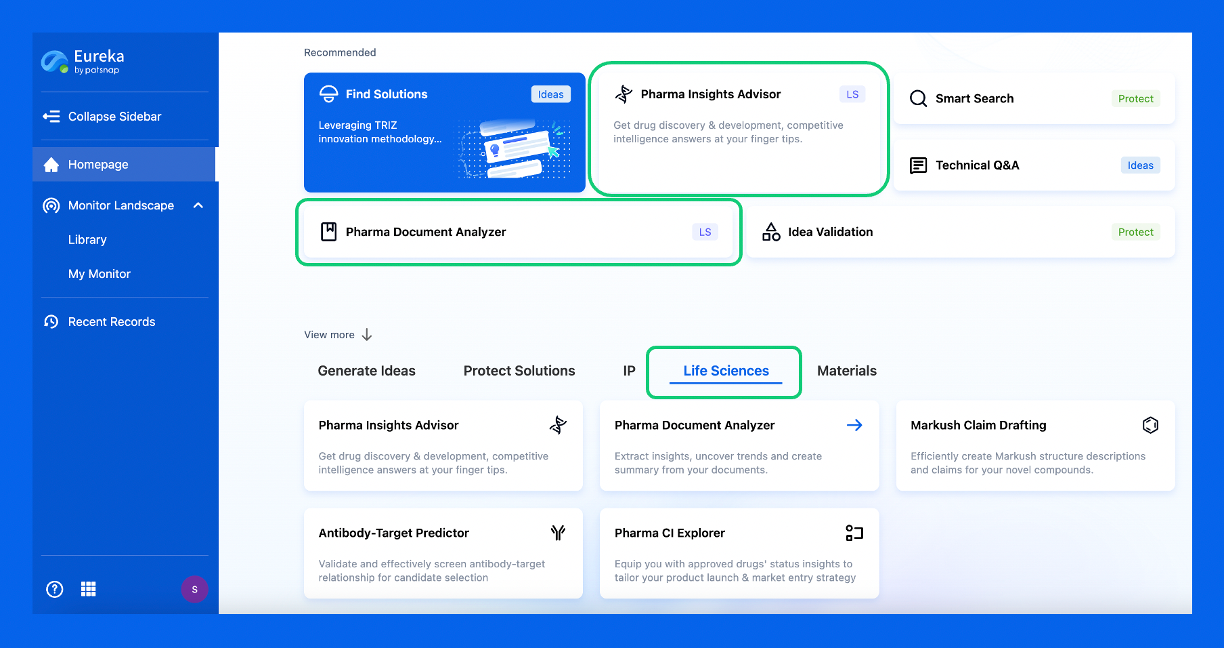
Discover Eureka LS: AI Agents Built for Biopharma Efficiency
Stop wasting time on biopharma busywork. Meet Eureka LS - your AI agent squad for drug discovery.
▶ See how 50+ research teams saved 300+ hours/month
From reducing screening time to simplifying Markush drafting, our AI Agents are ready to deliver immediate value. Explore Eureka LS today and unlock powerful capabilities that help you innovate with confidence.
AI Agents Built for Biopharma Breakthroughs
Accelerate discovery. Empower decisions. Transform outcomes.
Get started for free today!
Accelerate Strategic R&D decision making with Synapse, PatSnap’s AI-powered Connected Innovation Intelligence Platform Built for Life Sciences Professionals.
Start your data trial now!
Synapse data is also accessible to external entities via APIs or data packages. Empower better decisions with the latest in pharmaceutical intelligence.