Targeting FLT3-ITD AML: The Synergistic Effect of GMI-1359 in Enhancing Chemotherapy Outcomes
A dual antagonist of CXCR4 and E-selectin, GMI-1359, was evaluated for its potential to target FLT3-ITD AML cells. The study found that CXCR4 expression was elevated in AML cell lines, especially under hypoxic conditions that mimic the bone marrow environment. FLT3-ITD cells expressed functional E-selectin ligands, with CD44 levels increasing under hypoxic conditions. GMI-1359 was found to significantly reduce leukemic cell adhesion to mesenchymal stem cells and endothelial cells, even in the presence of TNFa, which induces E-selectin expression.
In vivo studies in mice demonstrated that the combination of GMI-1359 and chemotherapy significantly improved survival rates compared to controls or chemotherapy alone. GMI-1359 alone did not show significant effects. The drug also appeared to disrupt the protective tumor microenvironment, mobilizing AML cells from the bone marrow niche.
Disclosures indicate that Zhang received research funding from Karyopharm, and both Fogler and Magnani have affiliations with GlycoMimetics, Inc., including employment, equity ownership, and board or advisory committee membership.
How to Use Synapse Database to Search and Analyze Translational Medicine Data?
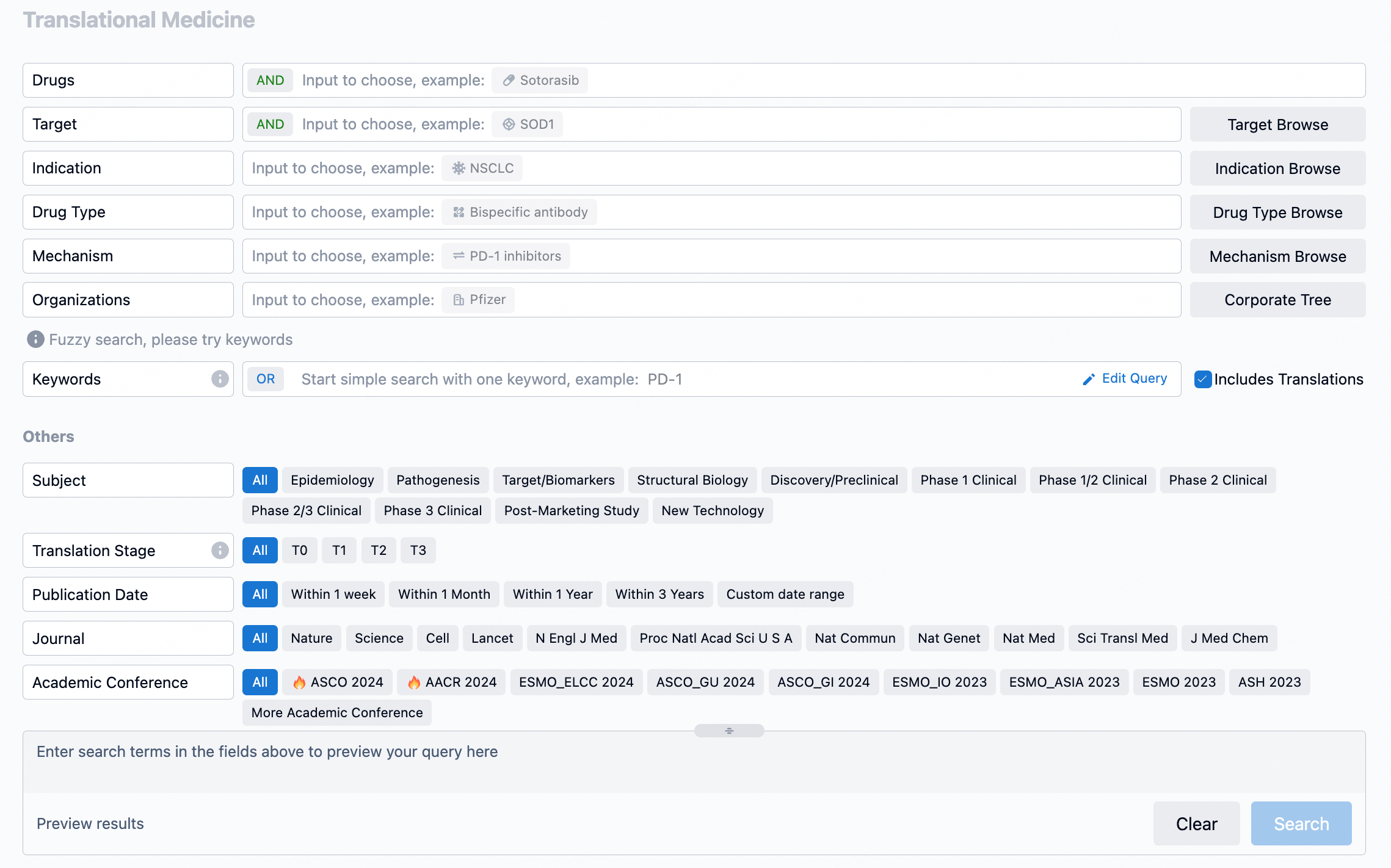
The transational medicine section of the Synapse database supports searches based on fields such as drug, target, and indication, covering the T0-T3 stages of translation. Additionally, it offers a historical conference search function as well as filtering options, view modes, translation services, and highlights summaries, providing you with a unique search experience.
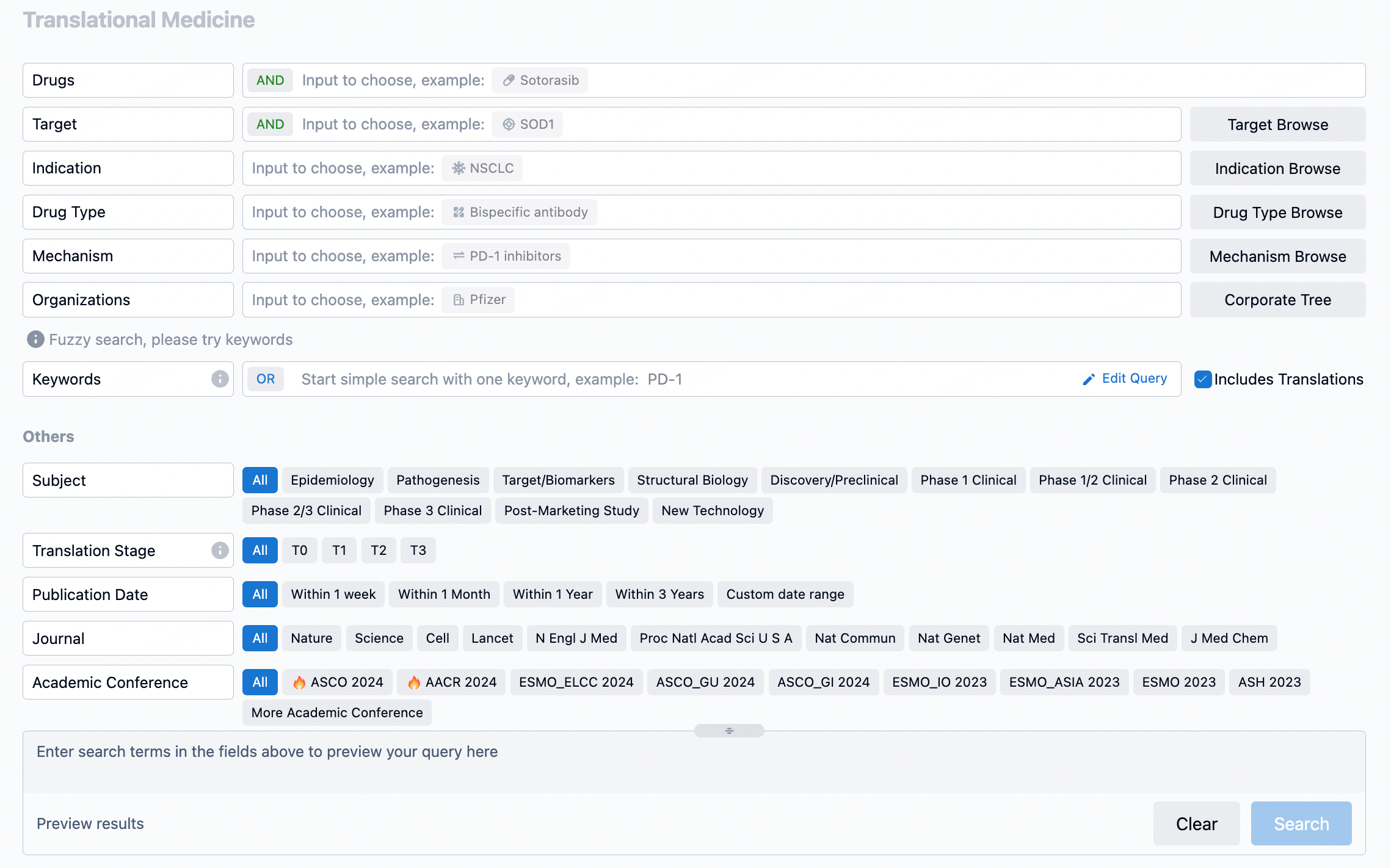
Taking obesity as an example, select "obesity" under the indication category and click search to enter the Translational Medicine results list page. By clicking on the title, you can directly navigate to the original page.
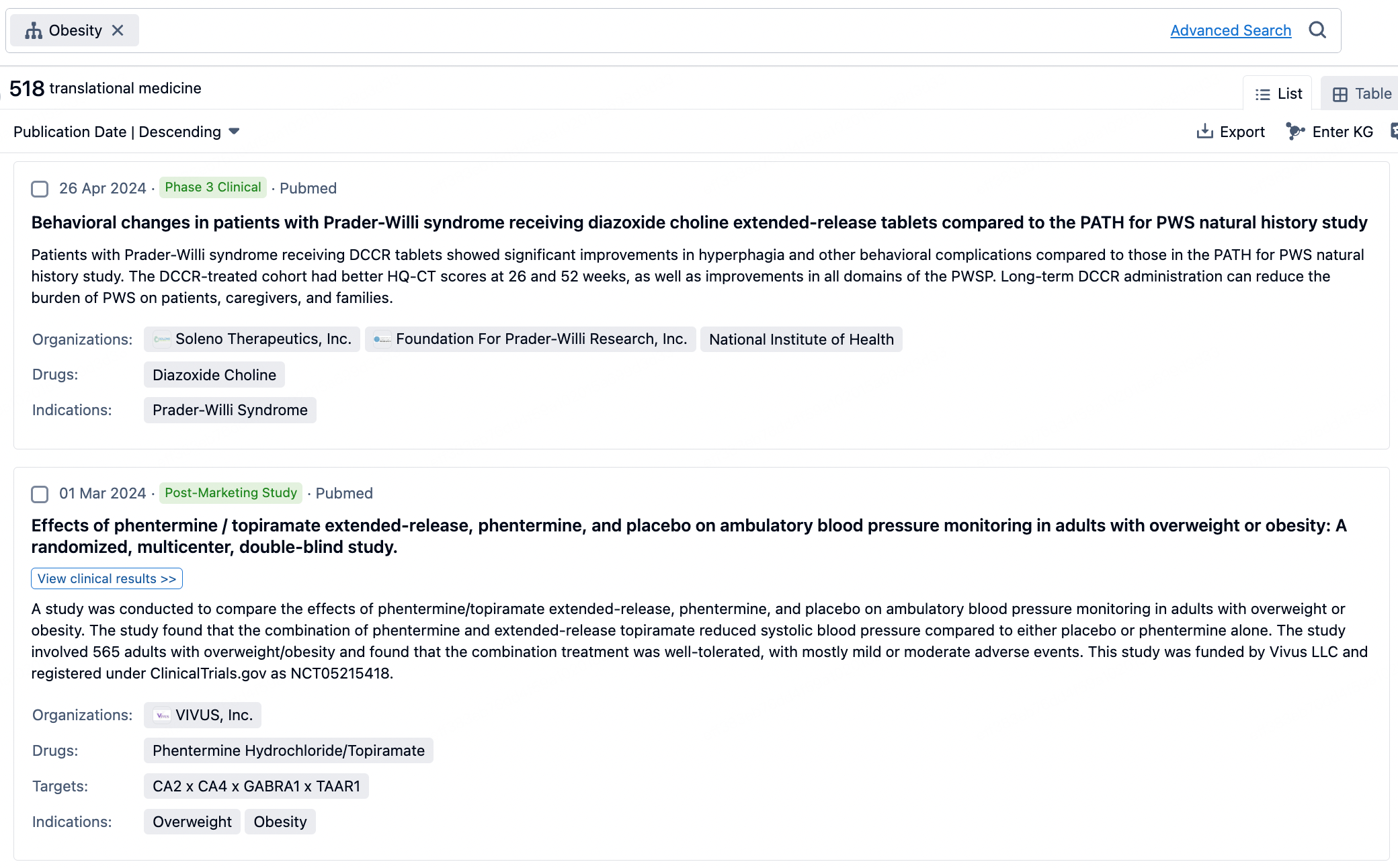
By clicking the analysis button, you can observe that GLP-1R treatment for obesity has gained significant attention over the past three years, with preclinical research still ongoing in 2023. Additionally, there are emerging potential targets, such as GDF15, among others.
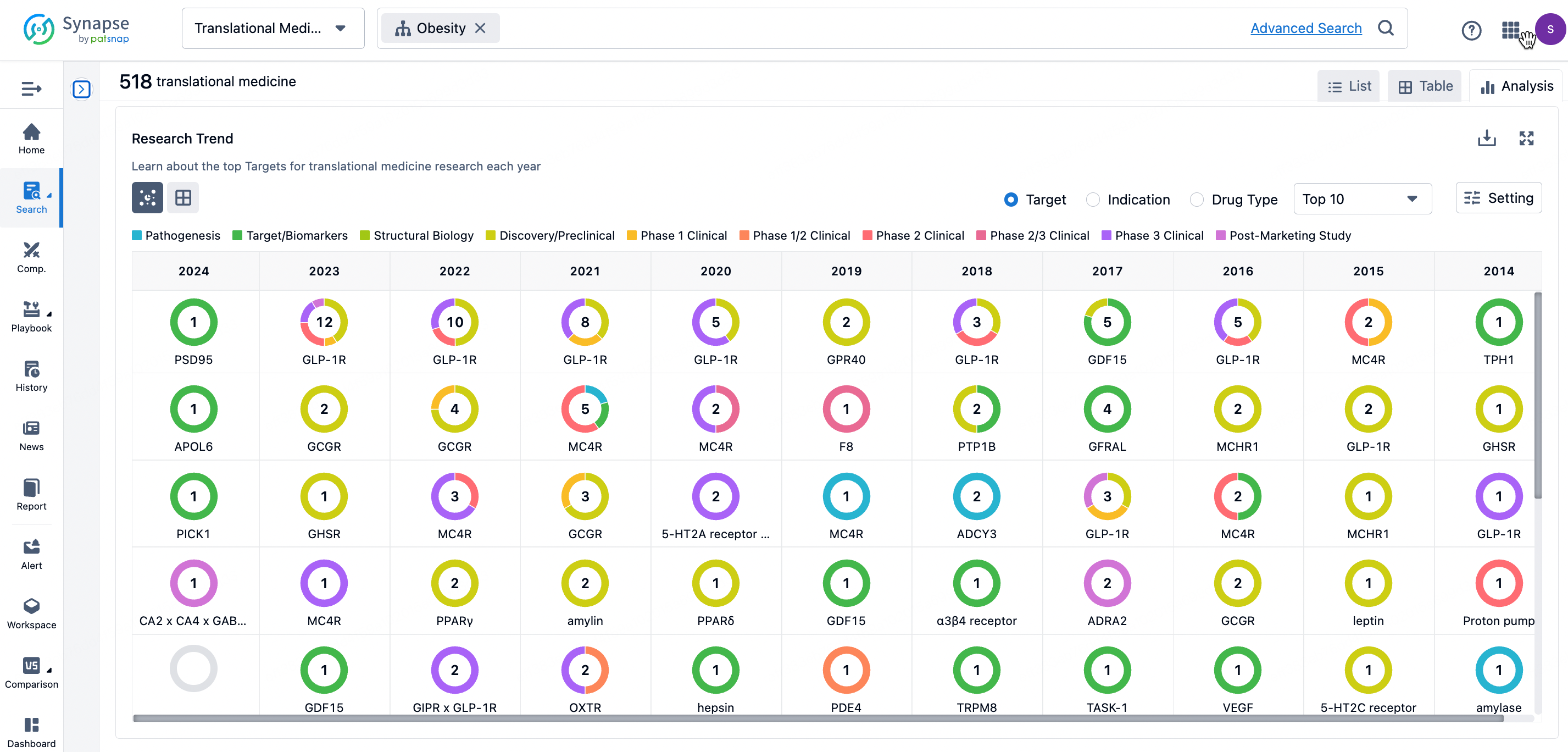
Click on the image below to go directly to the Translational Medicine search interface.